
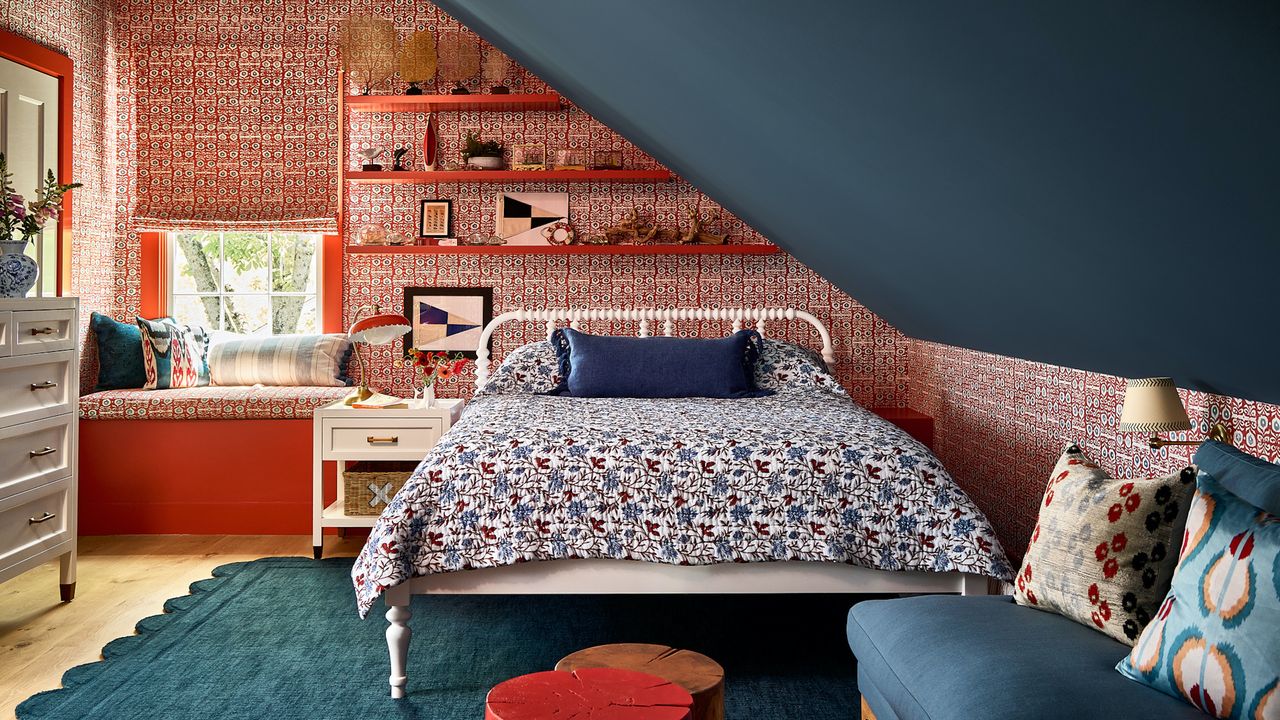
Lofts are greedy little spaces. They demand custom thinking, reject bulky furniture, and somehow manage to create both too much useless height and not enough usable floor space at the exact same time. Trying to land on workable loft conversion storage ideas can quickly spiral into a full-blown mental meltdown.
Before you lose the will to live somewhere between roof pitch calculations and your fifth Pinterest rabbit hole, start by understanding that standard storage rules no longer apply once sloped ceilings, weird corners, and changing rooflines enter the room. The trick is not to fight it. The best loft conversion ideas lean into the awkward architecture, using odd angles to create something bespoke, characterful, and properly useful.
And because lofts rarely have space to waste, clever joinery decisions can completely change how the room feels as well as how it functions. From streamlined wardrobes to open dressing rooms and window seats with secret compartments, these are the smartest ways to add extra storage to a loft conversion without making the space feel boxed in or driving yourself insane in the process.
1. Disguise Wardrobes so the Room Feels Bigger
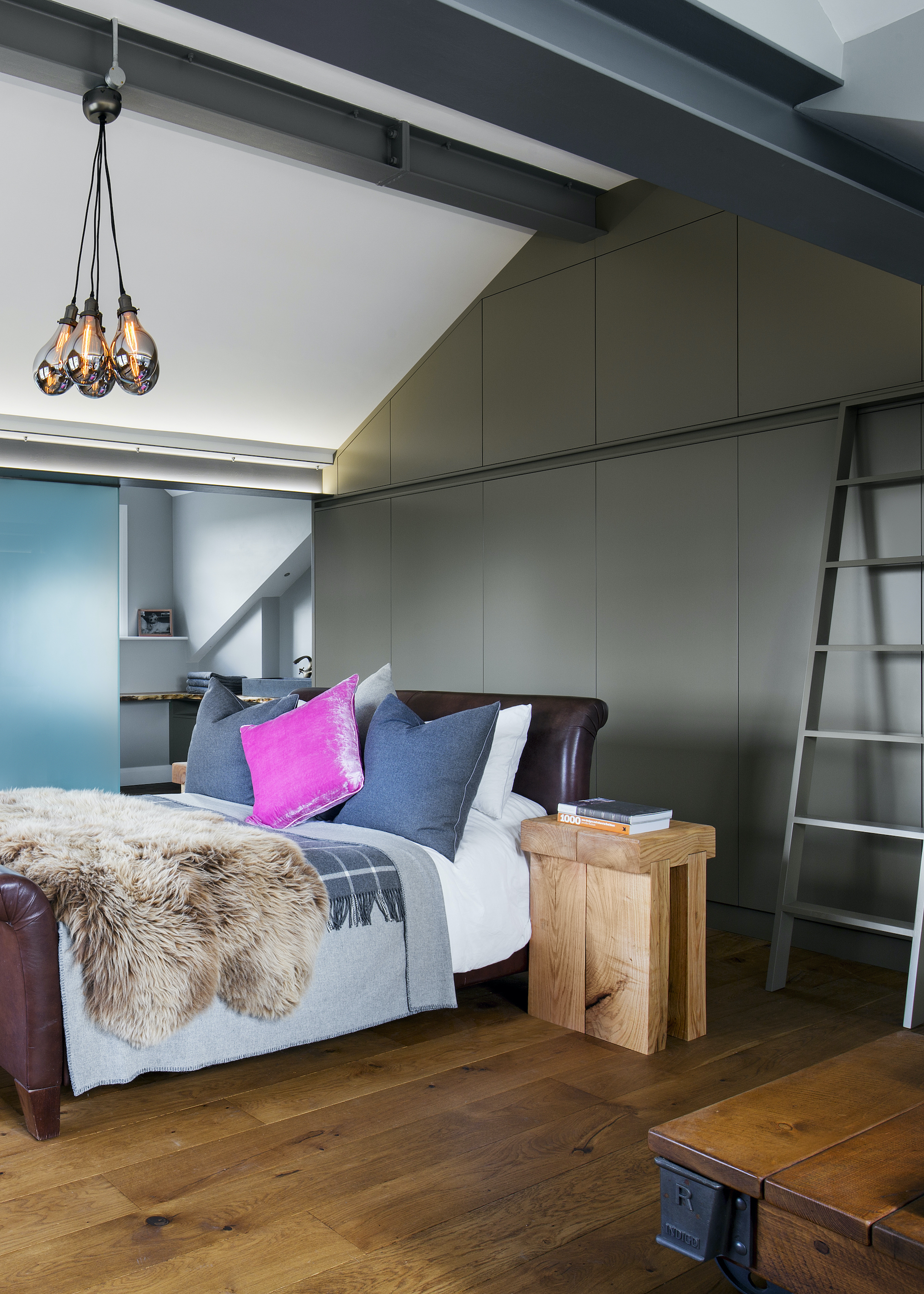
One of the quickest ways to make a loft feel cramped is by chopping it up visually with lots of doors, handles, and fussy furniture. In this project by Paul Langston Interiors, the wardrobes read almost as architectural wall paneling rather than storage, thanks to flush-fit doors, push-touch openings, and a muted olive finish that visually recedes into the background.
“The existing roof structure, with its varied ceiling heights and angles, was used to shape the layout rather than constrain it,” recalls designer Paul Langston. “The bespoke fitted wardrobes were carefully integrated into the eaves, making use of otherwise difficult areas while maintaining clean lines throughout the suite.”
This hidden storage hack is especially effective in lofts because the eye isn’t constantly interrupted by changing rooflines and freestanding furniture. Instead, the cabinetry creates one calm, uninterrupted plane that makes the entire suite feel larger and more composed.
2. Use Simple Shelving to Rescue Awkward Corners
Not every loft storage solution needs to involve wildly expensive custom joinery and six months of millwork drawings. One of the most common loft conversion mistakes is overcomplicating the storage.
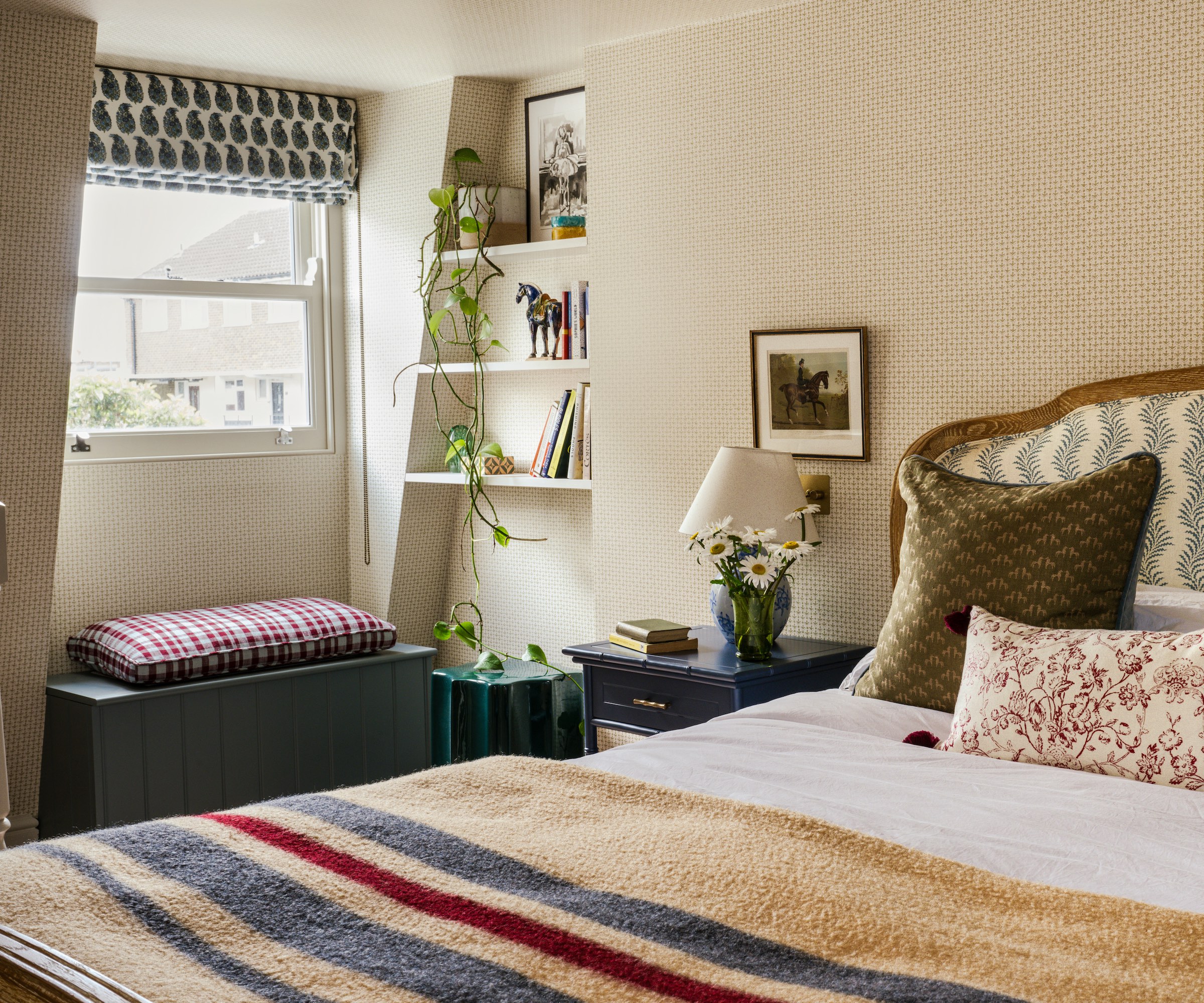
Fitted shelves are particularly brilliant in lofts because they can easily tuck neatly into shallow recesses and strange leftover pockets. Ideal if you’re hunting for clever storage ideas for small spaces that don’t immediately require major structural intervention.
“It’s always better to fill awkward spaces with fitted shelving particularly as it’s tricky trying to get furniture to work with the angles,” says Saskia Howard, co-founder, Howark Design. “In this space, our client wanted space for books by her window seat, so shelving was the perfect solution here. It’s painted to disappear against the wallpaper rather than stand out.”
That restraint matters in lofts, where too many competing materials and finishes can quickly make a room feel pinched. Neat shelving keeps circulation clear while still squeezing functionality out of every inch.
3. Ditch Doors and Embrace Open Closets
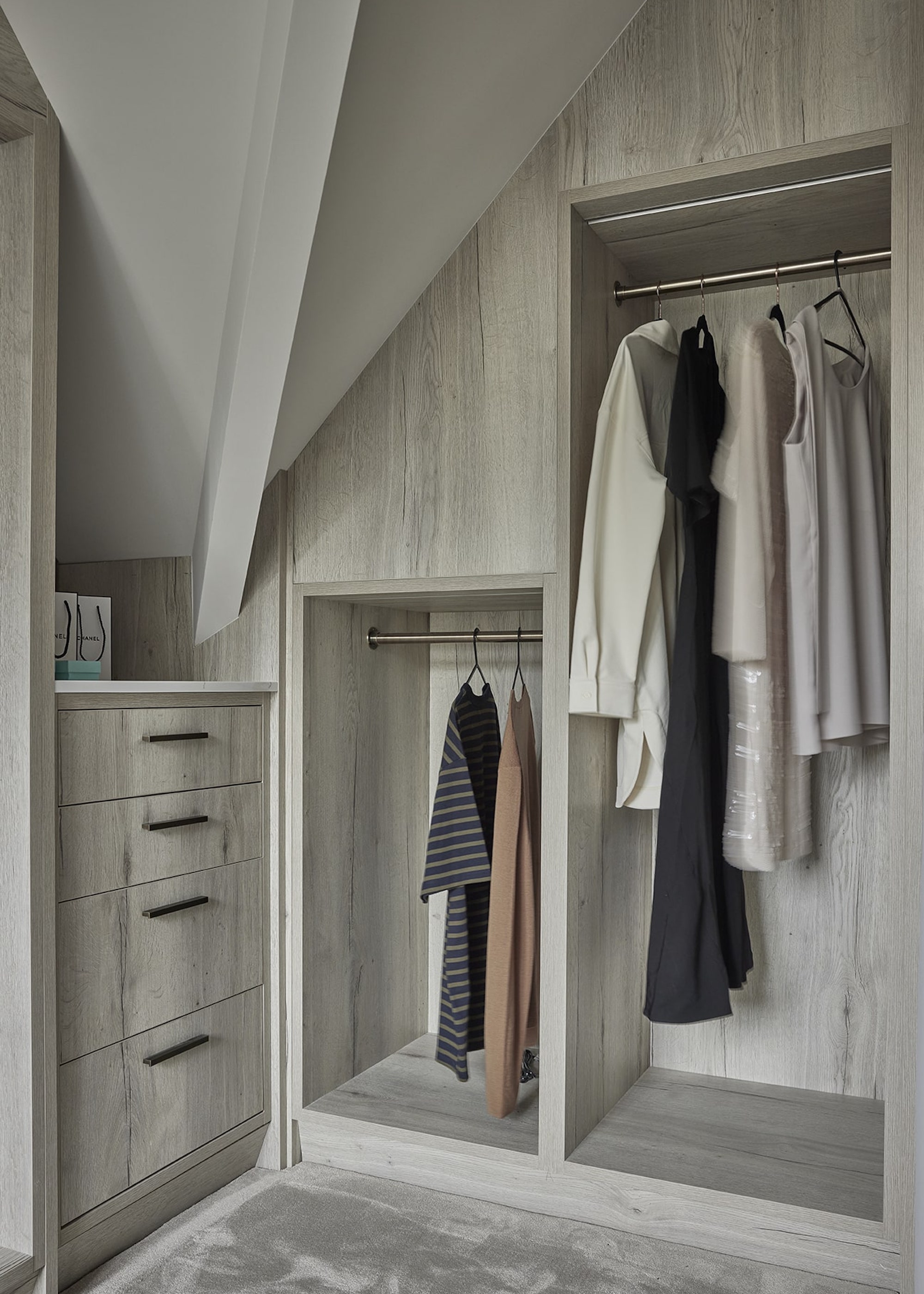
Lofts are rarely symmetrical, which means forcing standard wardrobes and hinged doors into them can become an expensive exercise in spatial gymnastics. In this Georgian loft conversion, open-access closets work with the architecture instead of attempting to tame it.
“With 13 different roof angles to consider, we avoided adding doors and complex opening systems, as this would have overcomplicated the detailing and interrupted the flow of the room,” explains Natalie Fry, creative director, Grid Thirteen Design Studio.
“Keeping the storage open makes daily use more practical, and allows natural light and the architecture to remain the focus, resulting in a calm, functional dressing space where the joinery sits quietly within the fabric of the building.”
Open closets obviously require a certain level of wardrobe discipline. This is not the solution for people who treat “the chair” as a secondary clothing system. But aesthetically, it’s incredibly effective in lofts, particularly if you’re exploring the types of loft conversions where space is already tight and every inch of door clearance counts.
4. Use Ladders to Unlock Vertical Storage
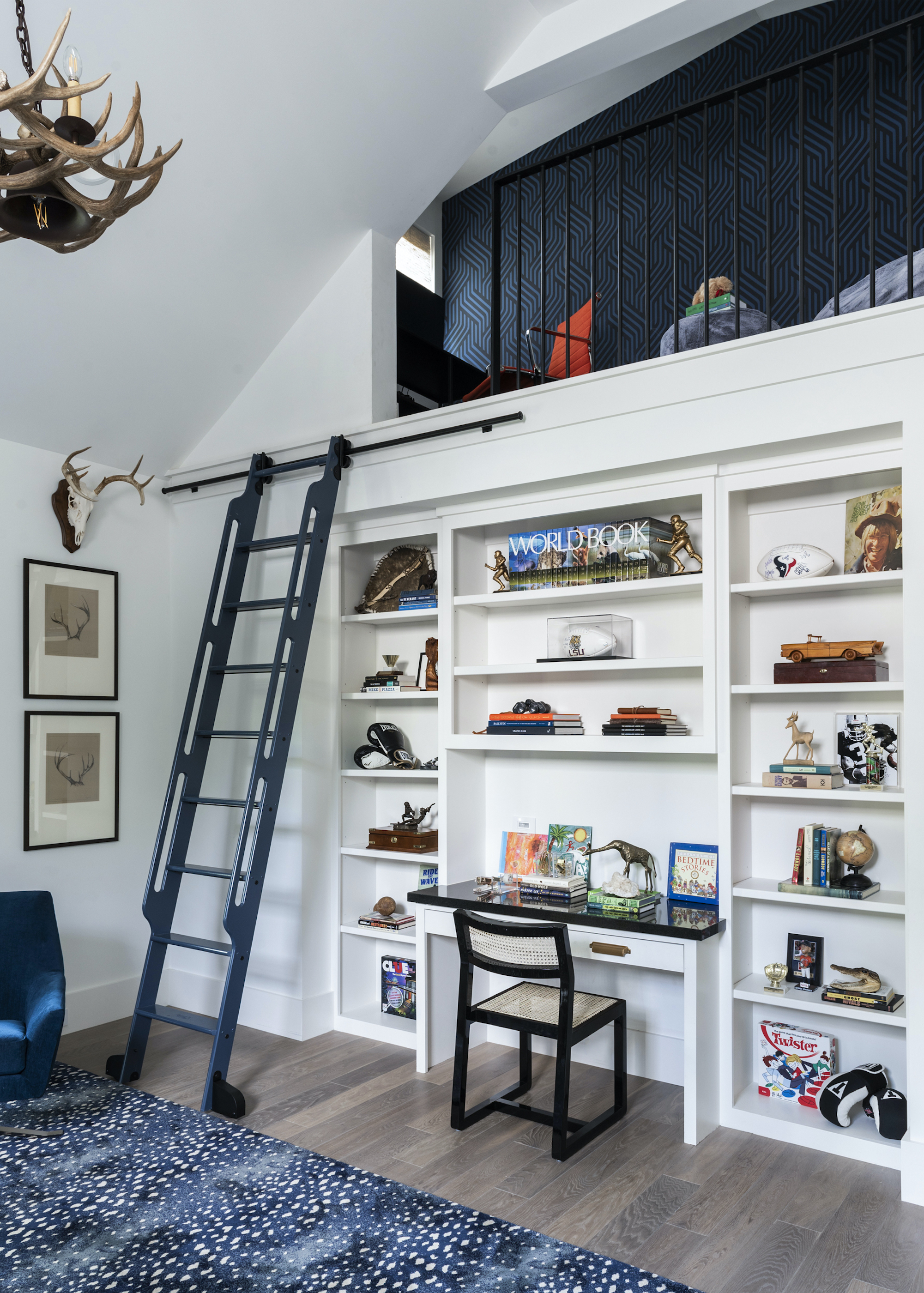
Vaulted ceilings are one of the biggest perks of a loft conversion. Don’t waste it by leaving an awkward expanse of blank wall hovering above eye level. In this playful kids’ room by Creative Tonic Design, the upper loft level transforms dead height into a separate hangout zone, while tall shelving and a rolling ladder make the entire wall fully usable.
“One of the greatest gifts a high, vaulted ceiling gives you is vertical real estate! And in a kid's room, especially, it is pure gold,” enthuses Courtnay Tartt Elias, principal and creative director at Creative Tonic Design. “The rolling library ladder is one of my favorite pieces that ties it all together. It's practical, but also really dramatic and theatrical, which, for a kid, is awesome. It's the kind of thing they'll remember long after they've flown the nest.”
When looking at loft stair ideas, safety and comfort are essential. Ladders should feel comfortable under bare feet, and the angle needs to be manageable enough for everyday use rather than Olympic-level climbing confidence. Handrails and sliding rail systems can dramatically improve both safety and usability.
5. Lean Into Hardworking Bench Storage
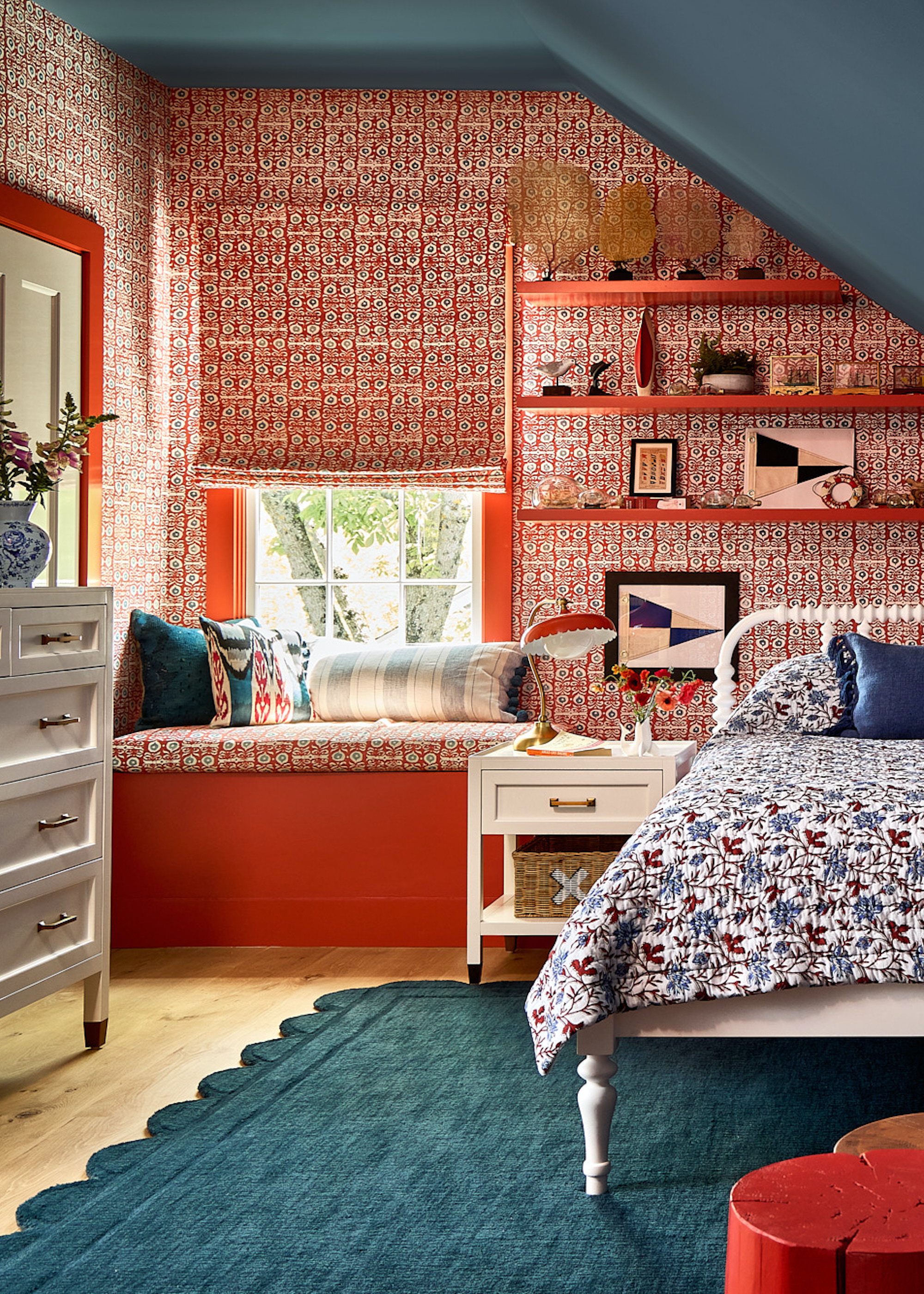
In a loft, storage that multitasks is worth its weight in gold. “A built-in window seat is one of the hardest-working additions in an attic space, turning awkward eaves or dead space beneath a window into somewhere to sit, read and stash bulky items that rarely have a proper home elsewhere,” says Kaitlin McQuaide, founder of McQuaide Co. “This kind of deep lift-up storage is ideal for hiding toys, bulky bedding or luggage.”
The hardware matters more than you might realize. Soft-close gas struts or piston hinges will keep lids safely open while preventing finger-trapping slams – particularly important in children’s rooms. Drawers can also work beautifully in loft seating, providing easier access without having to lift the weight of cushions, though they generally cost more because of the additional joinery and runners required.
6. Use Storage as a Room Divider
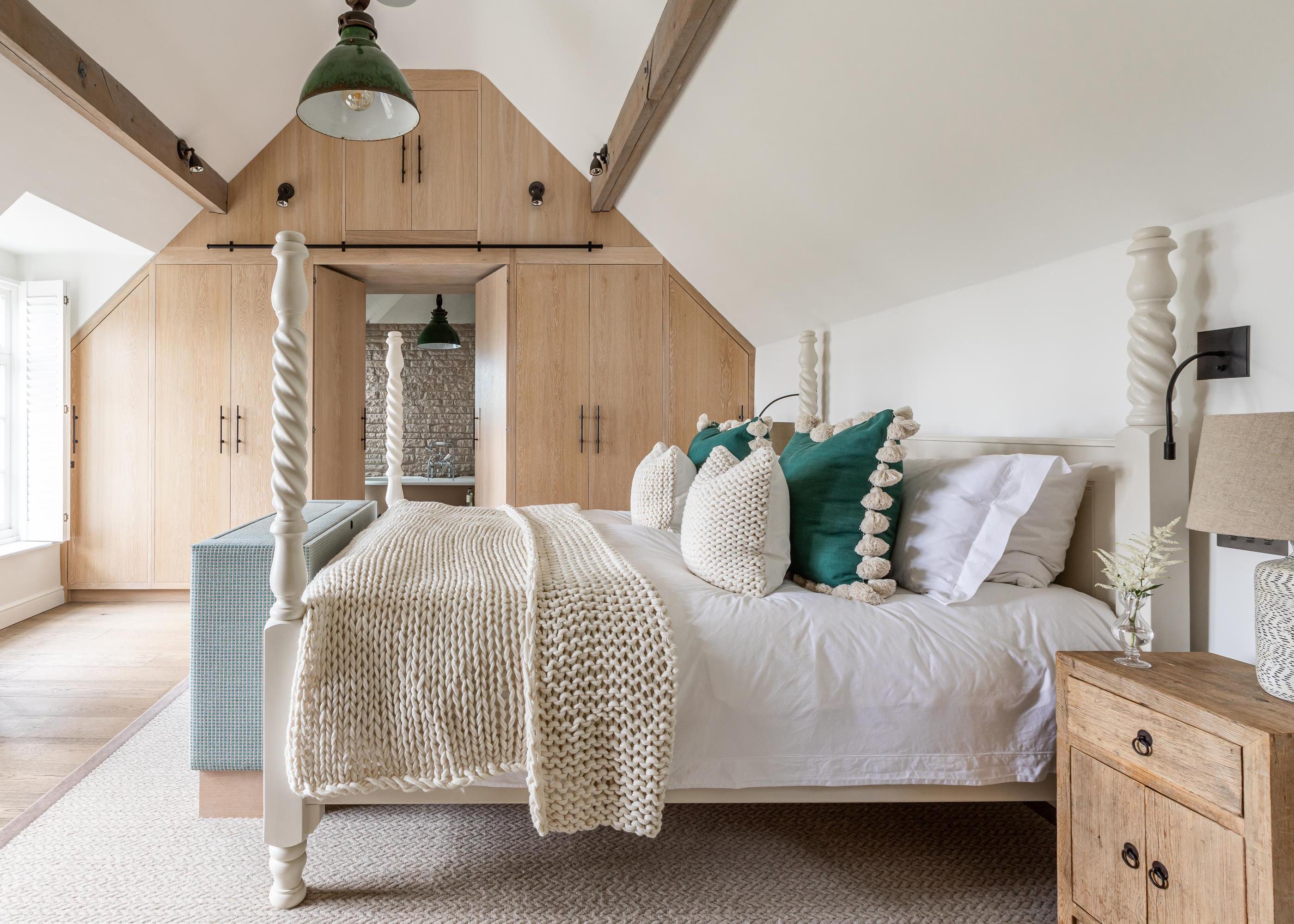
Thinking about storage as part of the architecture rather than an add-on often unlocks much smarter floor plans. In this scheme, the dividing wall works far harder than a standard partition ever could, carving out privacy for the bathroom while simultaneously introducing much-needed full-height storage into the room.
“Using storage as a room divider is a smart way to zone an attic space without sacrificing precious square footage to a stud wall, while also allowing you to maximise full-height storage right into the apex of the roof,” says interior designer Lara Clarke.
Dual-access designs make the footprint work even harder, allowing cabinetry to serve both spaces at once. Instead of losing inches to redundant circulation zones or hollow stud wall cavities, the partition becomes deeply practical — functioning as wardrobe storage from the bedroom side and streamlined bathroom storage behind.
7. Get Creative With Custom Storage
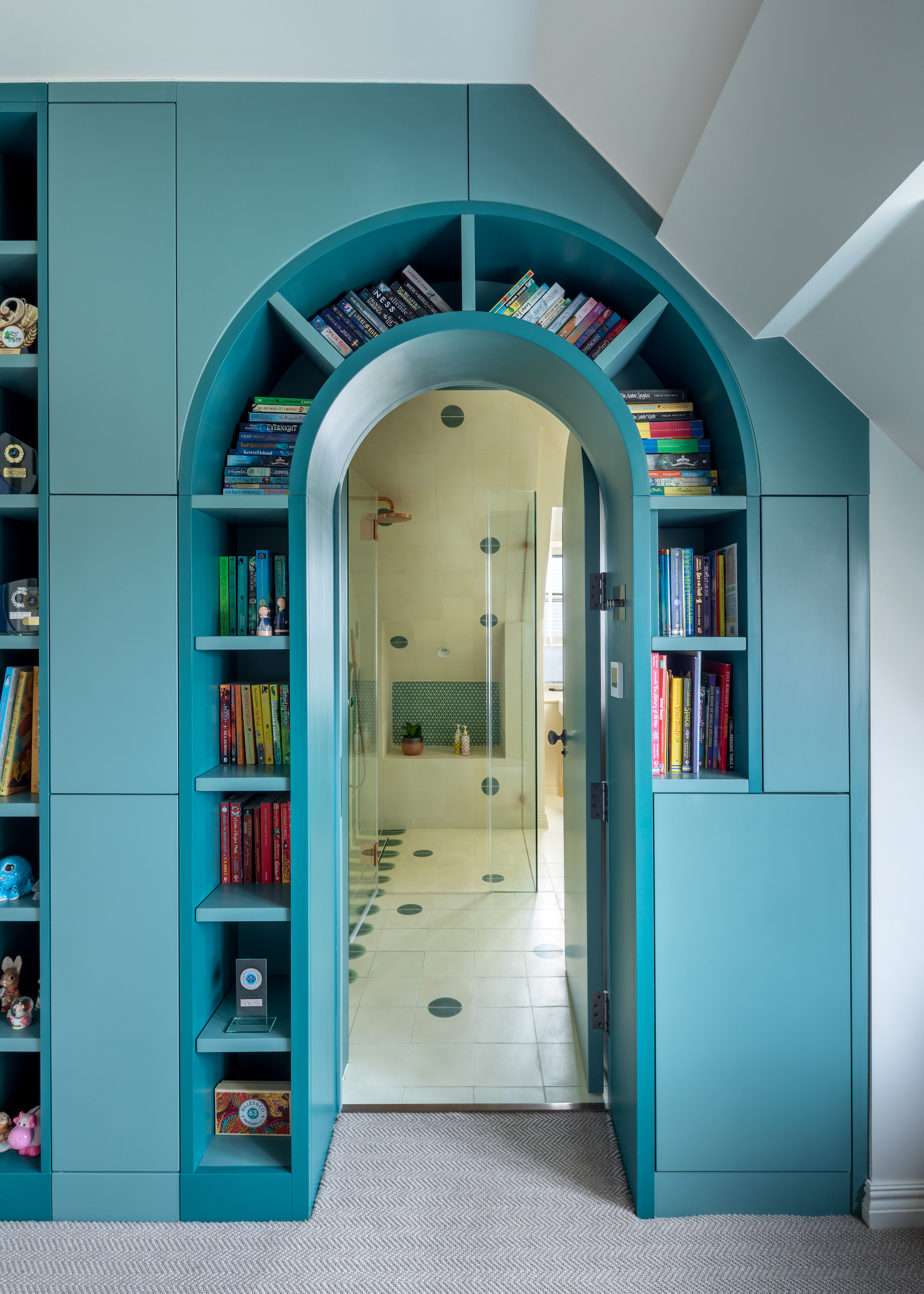
Lofts are already unconventional spaces, so this is really not the moment for boring flat-pack furniture energy. Bespoke joinery allows you to turn difficult architectural moments into standout design features, as seen in this wildly joyful curved bookcase by Mia Karlsson Interior Design.
Rather than treating the doorway as something to work around, Mia created a sculptural focal point that also happens to house an impressive number of books. It transforms what could have been a dead transitional space into something much more creative and memorable.
“This bespoke curved bookcase was not the easiest to execute, but we think it was so worth it,” says Mia. “There’s something so playful and joyful about it. The contents will change as the client’s daughter grows up, and we absolutely love the idea of this piece evolving.”
That adaptability is what makes custom storage in lofts so rewarding. Good joinery doesn’t just solve practical problems; it gives awkward architecture personality. And frankly, if you’re commissioning bespoke attic cabinetry anyway, you may as well have some fun with it.
FAQs
What is the best type of storage for a loft conversion?
Built-in storage is usually the best option for a loft conversion because it can be tailored exactly to awkward roof angles, low eaves, and changing ceiling heights. Bespoke wardrobes, fitted shelving, window seats with hidden compartments, and custom drawers make far better use of space than standard freestanding furniture, particularly in smaller attic rooms. Using made-to-measure joinery also helps lofts feel calmer and less cluttered because the storage integrates into the architecture rather than competing with it visually.
How do you add storage to a small loft?
The secret to adding storage in a small loft conversion is maximizing vertical and awkward spaces while keeping the layout visually light. Full-height fitted wardrobes, open shelving, under-eaves drawers, and storage room dividers can dramatically increase capacity without eating into floor space. Handleless cabinetry, color-matched joinery, and a mix of open and closed storage also help prevent attic rooms from feeling heavy or overcrowded.
Now you’ve mastered the practical side of loft living, it’s time for the fun part: styling it beautifully. From clever ways to add extra storage to a loft conversion to the most inspiring attic bedroom ideas, these spaces prove awkward architecture can actually become your biggest design advantage.