We like to think of ourselves as rational, modern people who trust science. Yet, most of us will still knock on wood to avoid jinxing a good situation. Superstitions are deeply ingrained in our culture, surviving centuries of progress. Why do we cling to these irrational rituals? Psychologically, they give us a sense of control in a chaotic world. Even if we know it doesn’t make logical sense, the ritual creates a soothing placebo effect. Here are seven strange superstitions and the psychology behind why we believe them.
Knocking on Wood
This is likely the most common superstition in the Western world. Historically, ancient pagans believed spirits lived inside trees. By knocking on the bark, they were effectively asking the spirits for protection or gratitude. Today, we do it to physically “push away” bad luck. It converts our anxiety into a physical action, which feels empowering.
The Fear of the Number 13
Hotels often skip the 13th floor, and people dread Friday the 13th. This fear, known as triskaidekaphobia, has roots in Norse mythology and the Last Supper. Judas, the betrayer of Jesus, was the 13th guest at the table. Because humans are pattern-seeking creatures, we notice when bad things happen on this date and ignore the uneventful ones. This confirmation bias keeps the fear alive.
Breaking a Mirror
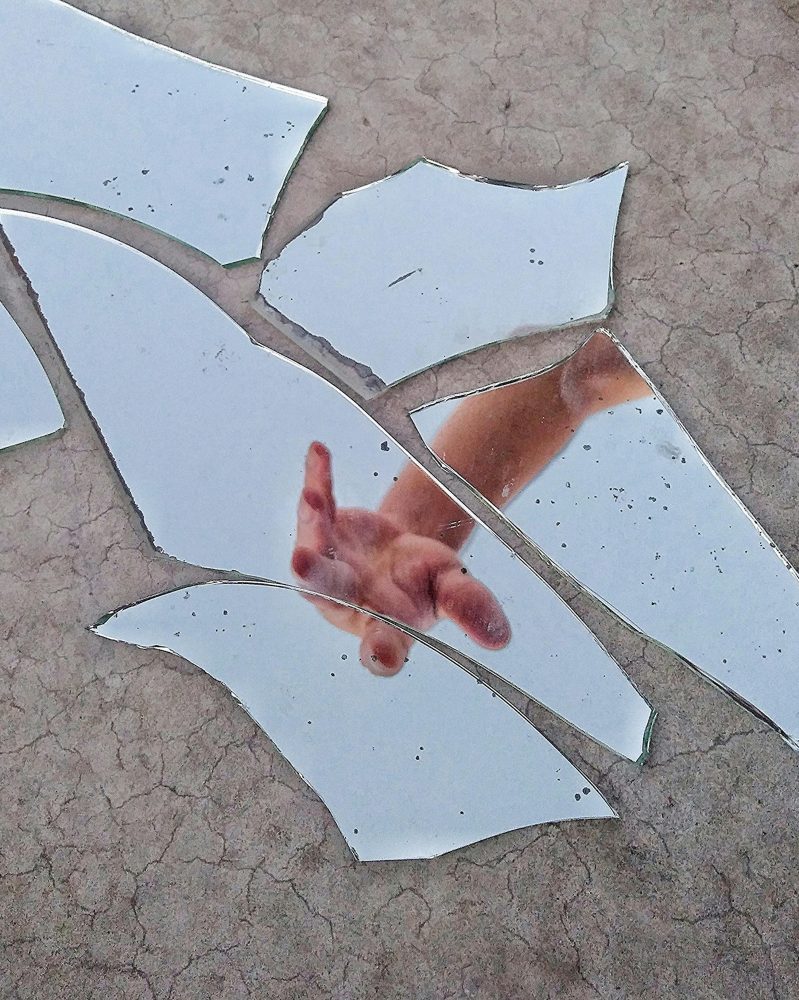
Legend says that breaking a mirror brings seven years of bad luck. In ancient Rome, people believed mirrors held fragments of the soul. Therefore, shattering the reflection damaged the soul itself. The “seven years” timeline aligns with the Roman belief that the body regenerates every seven years. Psychologically, this makes us extra careful around fragile objects.
Throwing Salt Over Your Shoulder
If you spill salt, you must throw a pinch over your left shoulder immediately. This dates back to times when salt was an incredibly expensive commodity. Spilling it was seen as an invitation to the devil. Throwing it over the left shoulder (where the devil supposedly stood) would blind him. It turns a clumsy mistake into a protective counter-move.
Walking Under a Ladder
This superstition is actually quite practical. Walking under a ladder is genuinely dangerous because tools might fall on you. However, the mystical origin comes from ancient Egypt. A ladder leaning against a wall forms a triangle, which was a sacred shape. Breaking that triangle was considered blasphemous. Thus, we avoid it for both safety and spiritual reasons.
Black Cats Crossing Your Path
In the Middle Ages, black cats were thought to be witches’ familiars. If one crossed your path, it was seen as a sign that the devil was watching you. Conversely, in cultures like Japan and Britain, black cats are actually considered lucky. This proves that our “bad luck” is entirely learned, not inherent to the animal.
Crossing Your Fingers
We cross our fingers for good luck or to negate a lie. This gesture dates back to early Christianity. During times of persecution, believers would use secret hand signals to identify each other. The crossed fingers represented a cross. Essentially, you are invoking divine protection to help you get the outcome you want.
Comfort in the Chaos
Rituals soothe the anxious mind. Whether you believe in ghosts or not, these small actions provide a moment of mindfulness. They allow us to feel like we are influencing our destiny. So, go ahead and carry that rabbit’s foot if it makes you feel better.
Do you have a weird superstition you refuse to break? Confess it in the comments below!
What to Read Next…
- The Decline of Religion: 12 Simple Reasons People Are Less Religious
- 12 Religious Leaders Who Completely Changed the World
- 8 Ways Your Religious Beliefs May Be Ruining Your Marriage
- Why Your Local Church Might Be Under Investigation
- 9 Ways Churches Are Losing Trust With Older Congregations
The post 7 Strange Superstitions and the Psychology Behind Why We Believe Them appeared first on Budget and the Bees.