
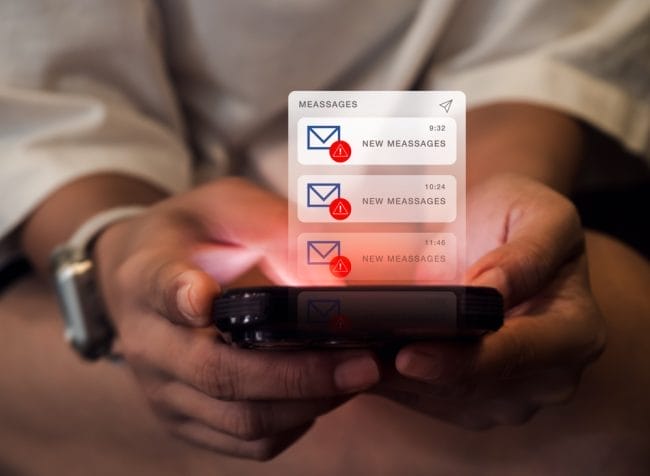
Checking your phone to see a message about an unpaid toll fee is a heart-pounding moment for any driver. You start thinking about your last road trip and wondering if you missed a sign or if your transponder failed at the worst time. It is not your fault that you are worried about a potential fine, but the scammers are counting on that anxiety to steal your money. This is a hidden system of digital theft that is currently sweeping across the country, targeting thousands of innocent homeowners. Honestly, the text is a lie designed to get your credit card information in a matter of seconds. Let us expose the seven ways these unpaid toll scams work so you can delete them before they hurt your wallet.
1. The Urgency Trap of the Immediate Fine
The scam usually starts with a text claiming you owe a small amount, like $12.50, and that a massive late fee will be added if you don’t pay immediately. This sense of urgency is designed to make you act before you have time to think or check your records. Scammers know that most people will pay a small amount just to make the problem go away quickly. Surprisingly, clicking the link doesn’t just cost you twelve dollars; it gives the criminal access to your entire bank account. On the other hand, legitimate toll agencies never use urgent text messages for initial payment requests. You can see more scam alerts on unpaid tolls here.
2. The Fake Agency Website Illusion
If you click the link, you are taken to a website that looks identical to your state’s official tolling agency or the Department of Motor Vehicles. These sites use stolen logos and official-sounding language to validate the fake debt in your mind. This is a hidden system of psychological manipulation where your trust in authority is used against you. Honestly, these websites are disposable and are often taken down within hours of being created to avoid detection by law enforcement. Always check the URL carefully; if it doesn’t end in .gov or the agency’s official domain, it is a trap. You should never enter your personal info on a site linked directly from a text message.
3. The Request for Sensitive Identification
Once you are on the fake site, they will ask for your driver’s license number and your full address along with your payment info. This is the hidden goal of the scam: total identity theft. With your license number and credit card, a criminal can open new accounts or commit fraud in your name in minutes. Surprisingly, some victims have reported that the scammers even ask for the last four digits of their Social Security number to verify the account. On the other hand, a real toll agency already has your information on file and would never ask for these details in this way. Your driver’s license is a private document that should never be shared with an unverified source.
4. The Domestic Number Deception
Unlike the obvious scams of the past that came from international codes, these new texts often come from standard U.S. area codes. This makes the message seem much more legitimate and local to your specific region. Scammers use a hidden system called spoofing to disguise their true location and bypass your phone’s spam filters. Honestly, the person on the other end could be anywhere in the world while appearing to be in your own city. Do not let a familiar area code lower your guard when it comes to your financial security. Always verify the source independently by calling the official agency number from their website. You can read more about avoiding text scams at the FTC here.
5. The Misnamed Agency Trick
Look closely at the name of the agency listed in the text; scammers often use names that are slightly off from the real thing. For example, they might call it the State Highway Safety Board instead of the actual Department of Transportation. This is a hidden trick to avoid legal trouble while still sounding official enough to fool the average driver. Surprisingly, many people don’t know the exact name of their local tolling authority, making this tactic very effective. On the other hand, a quick search on your phone will reveal the correct name of the agency in seconds. If the text doesn’t match the official title, it is a clear sign of a scam. Trust the facts over the message in your inbox.
6. The Parking Ticket Variation
Some of these scams have pivoted to claiming you have an unpaid parking ticket or a moving violation rather than a toll. This expands the net of potential victims to anyone who drives, regardless of whether they use toll roads. The goal is the same: to get you to click a link and provide your financial information under pressure. This hidden system of shifting tactics ensures that the scammers can keep finding new targets as people become aware of the toll version. Validating your own driving record through the official city portal is the only way to be sure. Do not let a random text message dictate your financial peace of mind. You have the power to check the facts yourself.
7. The Redirect to Third-Party Payment Apps
If the site asks you to pay via a peer-to-peer app like Zelle, Cash App, or Venmo, it is a one-hundred-percent guarantee that it is a scam. Official government agencies do not use these platforms for collecting fines or fees. These apps are a hidden system for scammers because the transactions are almost impossible to reverse once the money is sent. Surprisingly, once you send the money, the scammers will often ask for a second payment due to a processing error. On the other hand, legitimate agencies use secure portals that are linked to their official financial systems. Protect your cash by only using verified, official payment methods. Your wallet will thank you for the extra caution.
How to Protect Your Wallet and Your Identity
The best way to deal with an unsolicited text is to delete it immediately without clicking any links. If you are truly worried about an unpaid toll, go directly to the official agency’s website by typing the address into your browser. You can search your license plate number on their portal to see if any genuine fees are owed. This is an empowering move that keeps you in control of the situation and your money. By ignoring the scammers, you are disrupting their hidden system of theft and protecting your family’s future. Stay vigilant, stay informed, and never let a text message pressure you into making a financial mistake. You have the facts to stay safe.
Have you received a text about an unpaid toll recently? Leave a comment below and warn others about what the message said!
What to Read Next…
- 10 Scams Hiding on Facebook Marketplace You Should Avoid This February
- 5 Winter Door-to-Door Scams Police Are Warning About
- Driveway Scams: Police Warn of “Leftover Asphalt” Contractors Casing Homes
The post 7 Scams Targeting Homeowners with Unpaid Toll Text Messages appeared first on Budget and the Bees.




.png?w=600)




