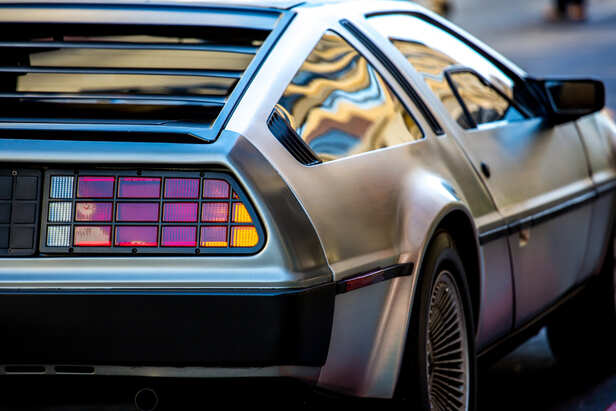
What if the secret to owning a car that lasts 15 years isn't a bigger engine or a luxury badge but a philosophy? Every year, millions of buyers choose Japanese cars for one simple reason: they just keep going. While many vehicles lose reliability as they age, brands like Toyota, Honda, Mazda, and Subaru continue to earn the trust of drivers around the world. But this isn't luck. Behind every reliable Japanese car is a decades-old mindset that values quality over shortcuts and long-term trust over quick profits. Here's why Japanese automakers continue to set the global benchmark and the models worth considering if reliability is your top priority.
Reliability Starts Long Before the Car Is Built
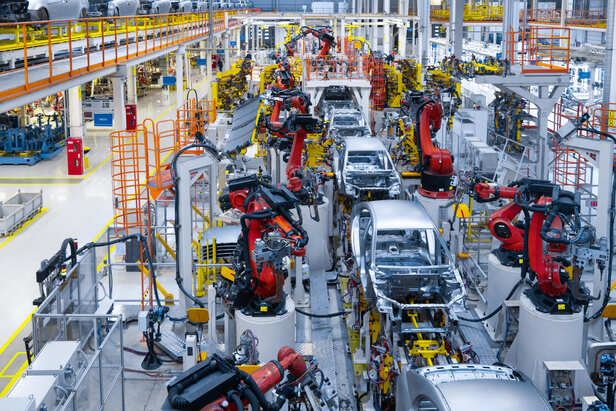
Every reliable vehicle begins with disciplined engineering and careful planning.
Japanese manufacturers believe reliability begins at the design stage, not after production starts. Engineers carefully evaluate every component to ensure it performs consistently for years rather than simply meeting short-term expectations. Instead of introducing flashy technology that hasn't been fully tested, many brands prioritize proven engineering. This careful approach reduces unexpected failures and builds vehicles designed to remain dependable long after the warranty expires.
Quality Is a Culture, Not Just a Checklist
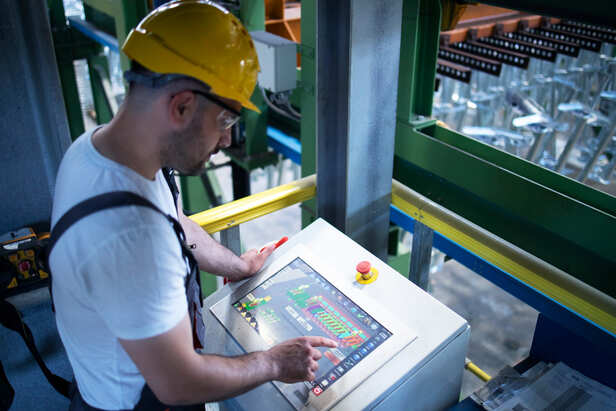
Attention to detail is part of Japan's manufacturing culture.
Japanese companies are known for treating quality as a daily habit rather than a final inspection. Every stage of production focuses on precision, consistency, and continuous improvement. Employees are encouraged to identify even the smallest issues before vehicles leave the factory. This commitment to craftsmanship helps reduce manufacturing defects and ensures customers receive products built to exceptionally high standards, creating trust that lasts for generations.
Reputation Matters More Than Quick Profits
Many Japanese automakers focus on building relationships that last decades rather than maximizing short-term sales. A single reliability issue can damage customer confidence, so protecting the brand's reputation becomes a central business goal. This philosophy encourages manufacturers to invest more in durability, customer satisfaction, and long-term ownership experience. As a result, many buyers confidently return to the same brand when purchasing their next vehicle.
Every Car Is Built to Be Easy to Maintain
Reliability isn't only about avoiding breakdowns it also means making repairs and maintenance straightforward. Japanese engineers often design vehicles with accessible components, allowing mechanics to perform routine servicing efficiently. Easier maintenance helps reduce repair costs while encouraging owners to follow recommended service schedules. This practical engineering contributes significantly to the long lifespan for which Japanese vehicles have become famous worldwide.
Tough Testing Creates Stronger Cars
Before reaching customers, Japanese vehicles undergo extensive testing in challenging environments. Engineers evaluate performance in extreme temperatures, rough roads, heavy rain, snow, and demanding driving conditions. These tests help identify weaknesses before production begins. Instead of fixing problems after vehicles reach customers, manufacturers aim to solve them during development, resulting in stronger, more dependable automobiles that inspire long-term confidence.
Five Reliable Japanese Cars Worth Considering
Several Japanese models continue to stand out for their reliability and everyday practicality. The 2025 Toyota Camry offers excellent fuel efficiency and comfort. The 2025 Toyota Prius Plug-In Hybrid combines efficiency with advanced technology. The 2025 Honda Accord remains one of the most dependable family sedans. Drivers seeking excitement often choose the 2025 Mazda MX-5 Miata, while the 2025 Mazda3 delivers premium quality in a compact package. Each reflects Japan's commitment to long-lasting engineering.
The Biggest Lesson Every Car Buyer Can Learn
A new car may impress with bold styling or advanced features, but true value appears years later when maintenance costs remain low and reliability stays high. Japanese automakers remind buyers that durability, customer support, and thoughtful engineering often matter more than temporary trends. Choosing a vehicle built with long-term ownership in mind can save money, reduce stress, and provide confidence every time you turn the key.
Unlock insightful tips and inspiration on personal growth, productivity, and well-being. Stay motivated and updated with the latest at My Life XP.
Frequently Asked Questions (FAQs)
1. Why are Japanese cars considered more reliable than many other brands?Japanese automakers focus on quality control, long-term engineering, rigorous testing, and continuous improvement, resulting in vehicles known for durability and dependability.
2. Which Japanese car brands have the strongest reputation for reliability?
Brands such as Toyota, Honda, Mazda, Subaru, and Lexus are widely recognised for producing reliable vehicles with strong long-term performance.
3. Do Japanese cars cost less to maintain?
In many cases, yes. Their practical engineering, readily available parts, and dependable mechanical systems often lead to lower maintenance and repair costs.
4. Which Japanese cars are recommended for long-term ownership?
Popular options include the 2025 Toyota Camry, 2025 Toyota Prius Plug-In Hybrid, 2025 Honda Accord, 2025 Mazda MX-5 Miata, and 2025 Mazda3.
5. What is the Toyota Production System?
It is Toyota's manufacturing philosophy that focuses on reducing waste, improving efficiency, maintaining high quality, and continuously refining production processes.