Walk down any grocery aisle and you’ll see shelves packed with colorful cans promising focus, power, and next-level productivity. It’s tempting to toss a few into your cart, especially when you’re tired, rushed, or grabbing snacks for work and school. The truth is, many popular energy drinks are wildly overpriced for what you’re getting: mostly water, sweeteners, and caffeine you could find in much cheaper forms. Add in clever branding, influencer campaigns, and “limited edition” flavors, and it’s easy to forget you’re paying a premium for very basic ingredients. Calling out a few of the biggest offenders can help you protect both your budget and your health.
1. How Energy Drinks Like Red Bull Hook You With Branding
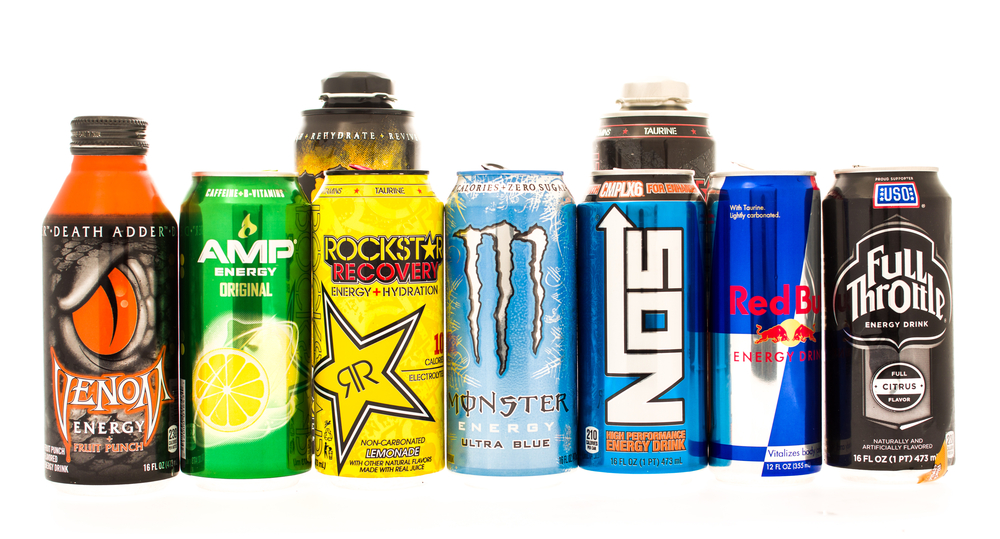
Red Bull is practically the poster child for turning a simple drink into a lifestyle symbol. The brand sponsors extreme sports, music events, and gaming competitions so they can feel like a ticket into an exciting world. On the shelf, the small can and familiar logo make it easy to overlook how expensive it is ounce for ounce. Most flavors lean heavily on sugar or artificial sweeteners plus caffeine, with a few added vitamins to dress it up. When you compare the cost to a basic cup of coffee or homemade cold brew, it’s clear you’re paying extra for the wings on the label, not the ingredients inside.
2. Monster Energy and the Price of Looking Hardcore
Monster Energy leans hard into edgy fonts, neon colors, and giant cans that suggest you’re buying serious power. Many flavors come loaded with sugar and a big caffeine hit, which can create that jolt-and-crash cycle that keeps you reaching for another. The huge cans look like a better value at first glance, but the price per serving often climbs once you do the math. You’re also more likely to drink the whole thing just because it’s there, which means more sugar, more caffeine, and more money gone. If you love the flavor, watching for sales or switching to smaller sizes can keep this habit from quietly draining your grocery budget.
3. 5-Hour Energy Shots That Empty Your Wallet
Those tiny 5-Hour Energy bottles by the register are a classic impulse buy, especially when you’re exhausted and in a hurry. The small size makes them feel like a quick, simple fix instead of a pricey extra. When you compare the cost of a single shot to what you’d pay for a whole bag of coffee or a box of tea, the markup is huge. Some people also forget they’ve already had one and grab another later, turning a “cheap” boost into an expensive daily habit. If you genuinely need something fast, keeping your own instant coffee sticks, tea bags, or even a reusable water bottle with electrolyte packets can give you options that cost much less.
4. Why Some Drinks Are Basically Dessert in a Can
Brands like Bang Energy and similar “performance” drinks often market themselves with bold claims about focus, fat burning, or gym performance. Many versions are sugar-free, but others pack in sweetness and flavor that can feel more like soda than a sensible boost. Between the bright labels and trendy names, it’s easy to forget to ask whether the drink fits your actual needs or health goals. Some shoppers assume that because a can mentions amino acids or “super creatine,” it must be worth the higher price. In reality, you could get steady energy from cheaper options plus real food, instead of leaning on dessert-like drinks to get through the day.
5. Celsius and the “Healthy” Halo Problem
Celsius markets itself as a fitness-friendly option, with sleek cans and flavors that sound more like spa water than soda. The branding highlights things like green tea extract, ginger, and guarana, which can make the drink feel smarter or healthier than it really is. Even if the can is lower in sugar, you’re still paying a premium compared to brewing your own tea and adding a splash of citrus at home. Some shoppers end up drinking multiple Celsius cans a day because the marketing feels wellness-focused, and the costs add up quickly. Reading labels and setting a weekly limit can help you enjoy the taste without letting a “healthy” halo quietly blow your budget.
6. Rockstar Energy and Convenience Store Markups
Rockstar Energy often shows up in convenience stores, gas stations, and vending machines where prices tend to run higher than in regular grocery stores. The bold logo and giant cans grab your attention when you’re tired, stressed, or on a long drive. Buying one here and there might not seem like much, but regular stops can snowball into a surprising monthly total. You’re also more likely to buy other snacks while you’re there, turning one drink into a mini spending spree. Planning ahead with cheaper caffeine options from home can keep Rockstar from headlining your receipt.
7. Prime Energy, Teens, and Trendy Cans
Prime Energy and similar influencer-backed drinks are masters at getting kids and teens excited about what is basically a fancy canned beverage. The bright packaging and social media buzz can make it feel like a must-have item instead of just another splurge. Some versions are high in caffeine or sugar for the price, and parents may not realize how much they’re buying, or how often their kids ask for them. Talking with your kids about marketing, health, and money can turn these cans into teaching tools instead of routine purchases. Comparing the cost of a few Prime Energy cans to a family treat or fun activity can also make the trade-offs easier to see.
Keep These Drinks in Their Place, Not in Your Budget’s Driver’s Seat
At the end of the day, energy drinks are optional extras, not essentials your grocery budget has to bend around. Once you strip away the logos, influencers, and wild flavor names, you’re often left with ingredients you could get far more cheaply from coffee, tea, or simple snacks. Cutting back even a little frees up money for better groceries, savings goals, or treats that actually feel worth it. You don’t have to ban them completely; you just need them to earn their spot in the cart instead of sneaking in by habit. The more clearly you see how the marketing and pricing of these products work, the easier it is to choose when they’re truly worth buying.
Which drink or brand have you decided just isn’t worth the price anymore, and what budget-friendly swap has been the best replacement for you?
What to Read Next…
Why Retailers Might Be Overcharging You for ‘Seasonal’ Products
9 Store Sections Where You’re Overpaying Without Knowing It
Are Grocery Stores Overcharging Customers with Underweight Meat Packages?
6 Seasonal Promotions That Trick Customers Into Overspending
10 Tea Blends That Provide Comfort Without High Costs
The post 7 Energy Drinks That Overcharge for Sugar Water appeared first on Grocery Coupon Guide.