Buying a vehicle is an exciting experience, but it can also be a costly mistake if you overlook important mechanical issues. Many buyers focus on a car's color, design, technology features, or mileage while ignoring the parts that keep the vehicle running safely and efficiently.
Whether you are considering a new vehicle or a used one, inspecting certain components before signing the paperwork can save you from unexpected repair bills and future headaches. A thorough inspection helps you understand the vehicle's actual condition and can even strengthen your position during price negotiations.
Here are seven car parts you should always check before buying a vehicle.
1. Engine
The engine is the heart of any vehicle and one of the most expensive components to repair or replace. A healthy engine is essential for reliable performance and fuel efficiency.
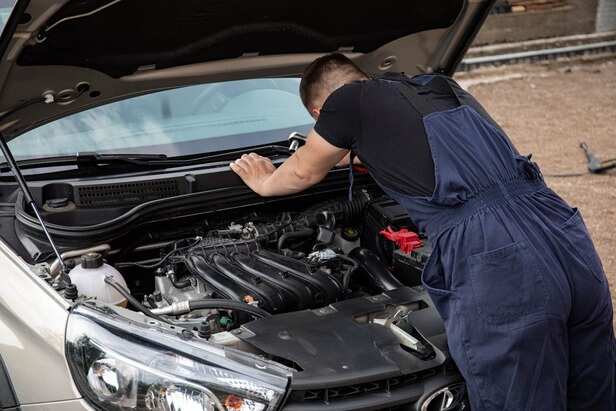
When inspecting a vehicle, look for signs of oil leaks, unusual noises, excessive smoke from the exhaust, or warning lights on the dashboard. Open the hood and check whether the engine appears well-maintained. Excessive dirt, oil residue, or damaged components may indicate neglect.
During a test drive, pay attention to how the engine starts and responds to acceleration. It should run smoothly without knocking sounds, hesitation, or excessive vibration.
2. Braking System
The braking system directly affects your safety, making it one of the most important areas to inspect before purchasing a vehicle.
Listen for squealing, grinding, or scraping sounds when applying the brakes. These noises may indicate worn brake pads or damaged rotors. During a test drive, the vehicle should stop smoothly without pulling to one side or causing vibrations in the steering wheel.
Also check the brake fluid level and look for any warning lights related to the braking system. Ignoring brake problems can lead to costly repairs and increased safety risks.
3. Tires
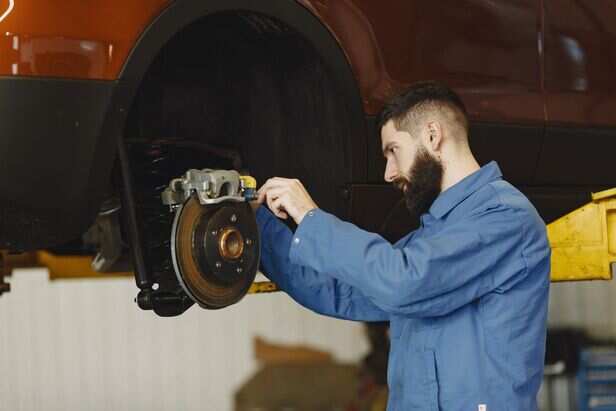
Safety Starts Here
Tires provide the only direct contact between the vehicle and the road. Their condition can reveal a lot about how well the vehicle has been maintained.
Inspect all four tires for even tread wear. Uneven wear patterns may suggest alignment problems, suspension issues, or poor maintenance. Check for cracks, bulges, cuts, or signs of excessive wear.
Replacing a full set of tires can be expensive, so worn tires should be factored into the purchase price. Make sure the tires are also of the same type and size, as mismatched tires can affect handling and safety.
4. Battery
A weak battery can leave you stranded and may signal underlying electrical issues.
Check the battery terminals for corrosion, which often appears as a white or bluish buildup around the connections. Ask about the battery's age and service history if possible. Most car batteries have a limited lifespan and may need replacement after several years.
When starting the vehicle, the engine should crank quickly and confidently. Slow starts or dim lights may indicate battery problems or issues within the charging system.
5. Suspension System
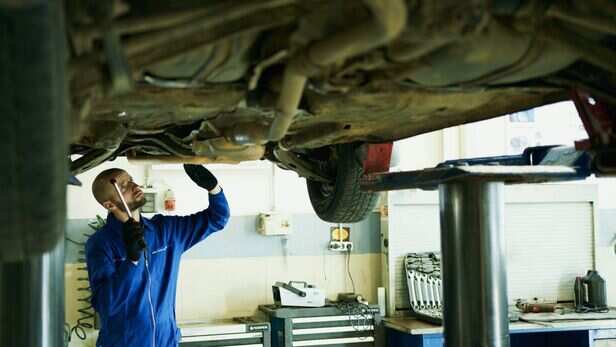
Look Beneath the Surface
The suspension system plays a major role in ride comfort, handling, and vehicle stability.
During a test drive, pay attention to how the vehicle responds to bumps, potholes, and uneven roads. Excessive bouncing, clunking noises, or a rough ride may indicate worn suspension components.
You can also perform a simple visual inspection by looking for leaking shock absorbers or damaged suspension parts. A vehicle with suspension issues may require expensive repairs and can affect overall driving safety.
6. Transmission
The transmission transfers power from the engine to the wheels and is among the most expensive systems to repair.
For automatic vehicles, gear changes should be smooth and consistent. Delayed shifting, jerking, slipping gears, or unusual noises may indicate transmission trouble. For manual vehicles, the clutch should engage smoothly without excessive resistance or slipping.
Pay close attention during the test drive. Transmission problems often become noticeable when accelerating, slowing down, or changing gears.
A transmission repair can cost thousands, making this one of the most important checks before buying any vehicle.
7. Lights and Electrical Components
Modern vehicles rely heavily on electrical systems. Problems with these systems can be difficult and expensive to diagnose.
Test all headlights, brake lights, turn signals, interior lights, power windows, windshield wipers, infotainment systems, and climate controls. Make sure everything functions properly.
Check the dashboard for warning lights that remain illuminated after the vehicle starts. These lights may indicate problems with sensors, airbags, engine systems, or other critical components.
Even seemingly minor electrical faults can become frustrating and costly over time.
Additional Tips Before Making a Purchase
Checking these seven parts is an excellent starting point, but there are a few additional steps that can help you make a better decision:
Review Maintenance Records
A vehicle with complete service records often indicates responsible ownership. Regular maintenance can significantly extend the life of major components.
Take a Test Drive
Never buy a vehicle without driving it first. A test drive can reveal issues that are impossible to detect during a visual inspection alone.
Inspect for Rust
Look underneath the vehicle and around wheel arches, door edges, and the undercarriage. Rust can weaken structural components and lead to expensive repairs.
Get a Professional Inspection
Even if everything appears fine, having a trusted mechanic inspect the vehicle can provide extra peace of mind. A professional evaluation may uncover hidden problems that are easy to miss.
A Smarter Approach to Car Buying

Buy With Confidence
A vehicle may look impressive on the outside, but its true condition depends on what lies beneath the surface. Taking the time to inspect the engine, brakes, tires, battery, suspension, transmission, and electrical systems can help you avoid costly surprises after purchase.
A careful inspection not only protects your investment but also ensures that your vehicle remains safe, reliable, and enjoyable to drive. By focusing on these critical components before making a decision, you can buy with greater confidence and reduce the chances of facing unexpected repair bills in the future.
Unlock insightful tips and inspiration on personal growth, productivity, and well-being. Stay motivated and updated with the latest at My Life XP.