
Water bills across the United States keep climbing, and gardens often feel the impact first when heat waves stretch longer and rain becomes unpredictable. Many gardeners now face the challenge of keeping landscapes alive without watching the hose run endlessly. The good news shows up in simple, practical changes that cut waste while improving plant health at the same time. Smart gardening no longer means working harder; it means working with intention and strategy. A thriving yard depends on efficiency, not constant watering.
Modern garden care now leans heavily on smarter water use that respects both plants and budgets. These methods help soil hold moisture longer, guide water exactly where roots need it, and reduce evaporation during peak heat. Home gardeners across different climates notice stronger growth and fewer maintenance struggles after adopting even a few of these techniques. Small shifts create noticeable improvements in both plant performance and monthly utility costs. The following six choices show how any garden can become far more water-efficient without losing beauty or productivity.
1. Drip Irrigation Systems That Put Water Exactly Where It Belongs
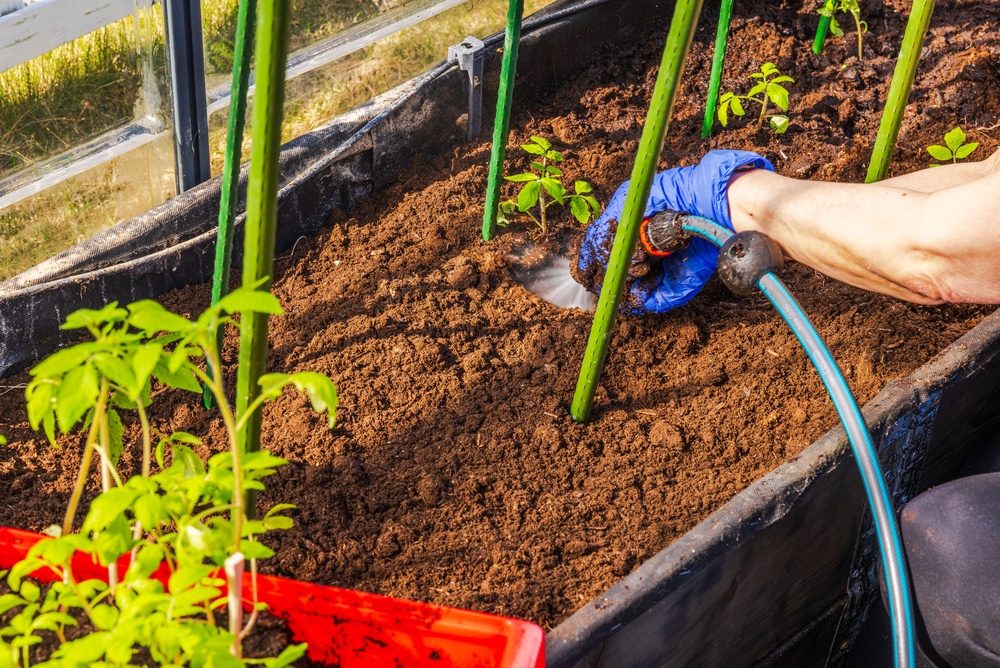
Drip irrigation systems deliver water directly to plant root zones through slow, controlled emitters that eliminate unnecessary runoff and surface waste across garden beds. Gardeners across the United States use this method to target specific plants with precision instead of soaking entire areas. Timers and adjustable emitters allow full control over watering schedules, which helps match plant needs more accurately during changing weather. This approach keeps moisture consistent in the soil while dramatically reducing evaporation during hot afternoons.
Many vegetable gardeners quickly notice stronger yields and healthier plants after switching to drip systems, especially with crops like tomatoes, peppers, and cucumbers. Wet foliage problems decrease because water stays at ground level instead of spraying across leaves and stems. Weed growth also drops significantly since the surrounding soil stays drier and less inviting for unwanted plants. This combination of efficiency and control makes drip irrigation one of the most effective upgrades for any home garden.
2. Mulch That Locks Moisture Into the Soil
Mulch acts like a protective blanket that shields soil from sun, wind, and rapid moisture loss during intense summer conditions common across many regions. Organic materials like wood chips, straw, and shredded bark slow evaporation while stabilizing soil temperatures for healthier root development. Gardeners often notice fewer dry cracks forming in beds and more consistent moisture levels throughout the week. This simple layer transforms how soil behaves under pressure from heat and drought.
Mulch also reduces watering frequency by nearly half in many home gardens, especially in exposed vegetable and flower beds. As it breaks down over time, it feeds the soil with organic matter that improves long-term structure and fertility. That slow decomposition process supports microbial life that helps plants access water more efficiently. A well-mulched garden often looks better and performs better with far less effort.
3. Native Plants That Thrive With Less Water
Drought-tolerant native plants grow naturally in local climates because they evolved alongside regional rainfall patterns, soil types, and seasonal temperature shifts. These plants handle dry conditions without constant irrigation, which makes them ideal for water-conscious landscapes across the United States. Gardeners who build plantings around native species often cut watering needs dramatically while maintaining vibrant outdoor spaces. Reduced fertilizer use also comes as a bonus since native plants adapt to local soil chemistry.
Native grasses, shrubs, and flowering perennials also support pollinators like bees, butterflies, and beneficial insects that strengthen the entire garden ecosystem. These plants survive heat waves and drought periods that typically weaken non-native ornamentals. Landscapes built with native choices often remain stable through unpredictable weather patterns. That resilience turns them into long-term water-saving investments rather than seasonal experiments.
4. Rain Barrels That Turn Storms Into Resources
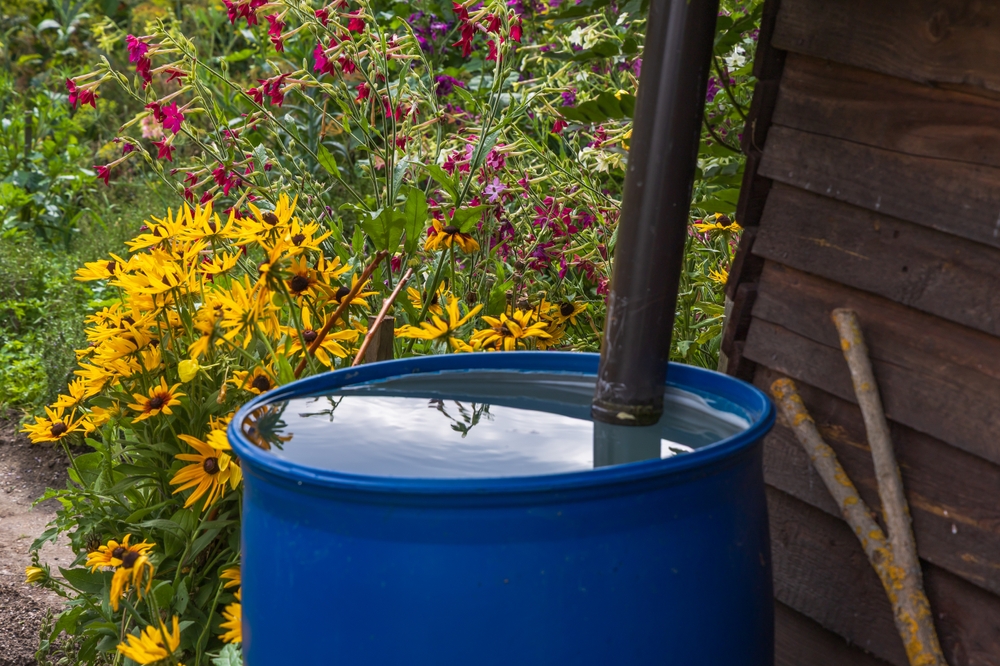
Rain barrels capture roof runoff during storms and convert it into a free irrigation supply that supports gardens throughout dry periods. Homeowners direct downspouts into storage containers that fill quickly during heavy rainfall events. This simple system reduces dependence on municipal water while making use of a resource that often goes to waste. Gardens benefit from consistent access to water even when rainfall becomes irregular.
Stored rainwater works especially well for raised beds, container gardens, and ornamental plants that respond well to natural hydration sources. Many regions across the United States encourage rain harvesting through rebates or educational programs that support conservation efforts. These incentives make installation more accessible for homeowners looking to reduce long-term water costs. A single storm can carry a garden through days of dry weather with the right setup.
5. Compost That Helps Soil Hold Water Longer
Healthy soil holds water far more effectively than compacted or depleted ground, which often forces gardeners into constant watering cycles. Compost adds rich organic matter that improves moisture retention while feeding plants essential nutrients. Gardeners who consistently build soil health notice fewer dry spells affecting plant performance. Strong soil becomes the foundation of a truly water-efficient garden.
Compost also encourages beneficial microbes, fungi networks, and earthworms that all work together to distribute moisture evenly through the soil profile. Over time, soil transforms into a sponge-like system that absorbs and releases water more efficiently. This structure helps gardens recover quickly during heat waves and dry periods. Better soil always leads to better water management.
6. Smart Watering Timing and Moisture Tools
Timing watering sessions in the early morning reduces evaporation losses and allows plants to absorb moisture before the heat of the day arrives. Cooler temperatures help soil retain water longer, which improves root access and reduces waste. Gardeners who avoid midday watering prevent much of the water loss caused by sun and wind exposure. Simple timing changes create immediate efficiency gains.
Soil moisture sensors take this strategy even further by removing guesswork from irrigation decisions. These tools measure hydration levels at root depth and signal exactly when watering becomes necessary. Overwatering drops significantly when gardeners rely on real data instead of routine habits. Smarter timing and tools create healthier plants with less water overall.
Water-Wise Gardening That Actually Works Together
Water-wise gardening succeeds when multiple strategies work together instead of standing alone in isolation. Drip irrigation, mulch, compost, native plants, rain harvesting, and smart timing all strengthen soil and plant health at the same time. Gardeners who combine these methods consistently see stronger landscapes and lower water usage throughout the entire growing season. Each improvement supports the next, creating a system that builds resilience naturally.
What water-saving change has made the biggest difference in your garden so far? We definitely want to hear about it below in the comments.
You May Also Like…
Why Water Control Matters More Than Water Volume
The Morning Watering Rule: Why Timing Impacts Growth More Than Quantity
Why “Self-Watering” Pots are Often a Waste of Cash (And How to DIY Them)
Why Plants Wilt Even After Watering and What to Do
How to Revive Plants After Accidental Overwatering
The post 6 Water-Efficient Choices That Reduce Usage appeared first on Frugal Gardening.