
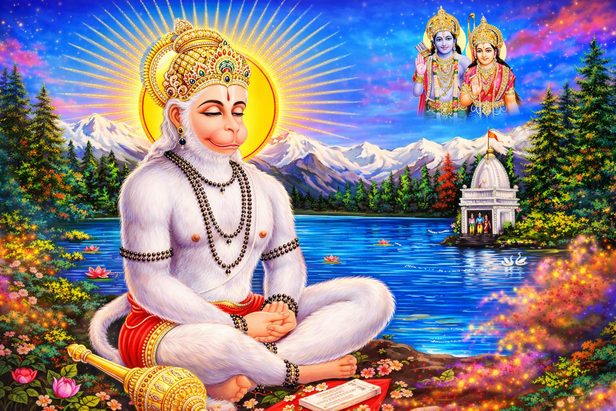
“नासय रोग हरै सब पीरा।
जपत निरंतर हनुमत बीरा॥”
Fear and self doubt rarely appear loudly. They settle in quietly as hesitation, overthinking, and a loss of confidence in one’s own ability. Sundarkand, a chapter from the Ramcharitmanas, speaks directly to this inner struggle.
It focuses on Hanuman at a moment when he must remember his strength before taking action. The verses in Sundarkand are not meant to impress or console. They are meant to steady the mind, remove fear, and restore self belief. This is why many devotees turn to these lines during difficult phases of life.
1. बिनु भय होइ न प्रीति
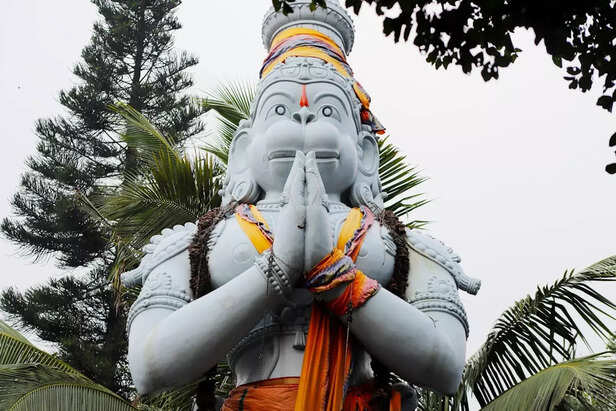
Without fearlessness, true devotion cannot arise
This line appears early in Sundarkand and sets the tone for the entire section. It states a simple truth. Fear and devotion cannot coexist fully.
Fear shrinks the mind. It keeps a person focused on survival, not purpose. Sundarkand repeatedly shows that faith becomes real only when fear loosens its grip. This line reminds the reader that courage is not the result of devotion. Courage is the door through which devotion enters.
In psychological terms, fear keeps the mind reactive. This verse pushes the reader toward a proactive state of inner confidence.
2. राम काजु कीन्हे बिनु मोहि कहाँ विश्राम
Without completing Lord Rama’s work, how can I restThis is one of the most important lines in Sundarkand. It marks the moment when Hanuman stops doubting himself and commits fully to his task.
Self doubt often arises from lack of direction. This line removes doubt by replacing it with duty. When purpose becomes clear, fear loses relevance.
The verse teaches that confidence is born when the mind focuses on responsibility rather than outcome. Action aligned with purpose naturally dissolves hesitation.
3. साहस करि मन दृढ़ करि
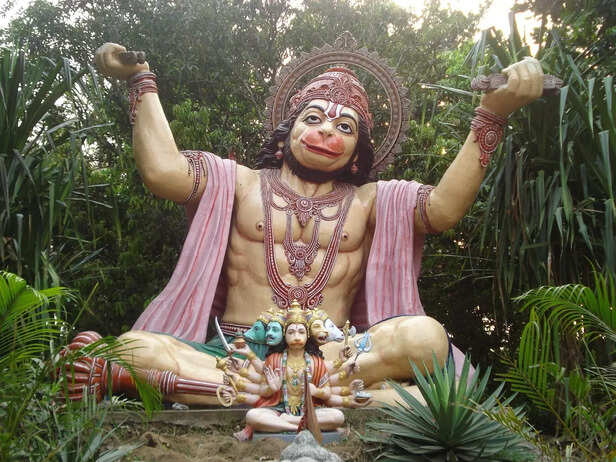
With courage, make the mind firm
This line is short but extremely powerful. It directly addresses the inner state of the mind.
Fear creates instability. The mind keeps shifting between possibilities and worst case scenarios. This verse commands firmness. It does not suggest waiting for courage to arrive. It instructs the mind to choose courage.
In Sundarkand, this firmness allows Hanuman to cross the ocean, face unknown forces, and stand before powerful enemies without fear.
4. निरभय होइ बैठ बिचारहु
Become fearless, then think clearlyThis line reverses a common human habit. People often try to think their way out of fear. Sundarkand teaches the opposite.
Fear clouds judgment. Clear thinking begins only after fear is addressed. This verse highlights that wisdom follows fearlessness, not the other way around.
It is a reminder that anxiety and overthinking are not signs of intelligence. Calm courage is.
5. जय जय जय हनुमान गोसाईं
Victory, victory, victory to HanumanThis line is not praise alone. It is affirmation.
In Sundarkand, repetition of victory is used to strengthen inner resolve. Fear thrives on uncertainty. Affirmation restores certainty.
Chanting or reflecting on this line conditions the mind to associate effort with success rather than failure. Over time, this shift reduces self doubt and builds confidence.
6. बल बुद्धि विद्या देहु मोहिं
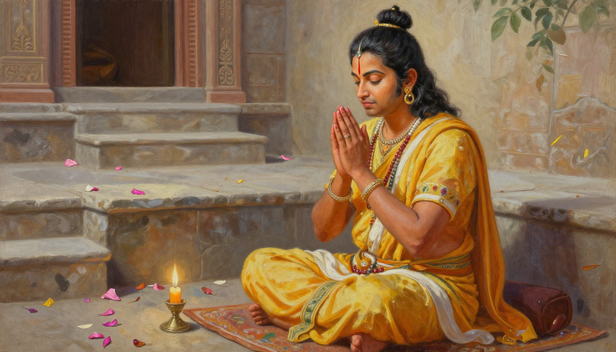
Grant me strength, wisdom, and knowledge
This line appears later in the text and reveals a mature understanding of confidence.
Hanuman does not ask only for strength. He asks for wisdom and clarity. Fear often arises when strength is present but direction is missing.
This verse teaches balanced confidence. True courage includes intelligence and restraint. It encourages the reader to seek complete inner strength rather than blind bravery.


.png?w=600)