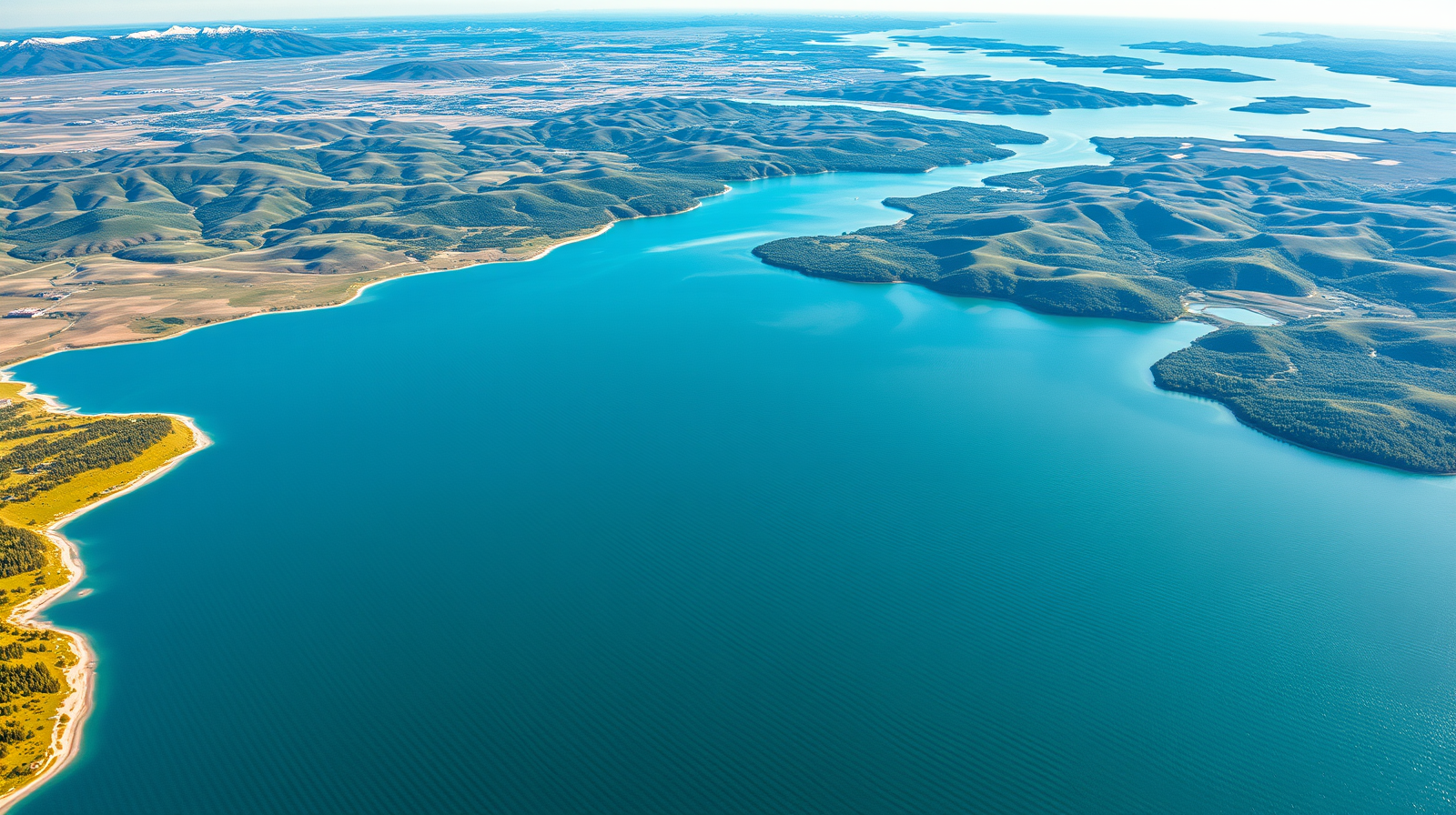
When people picture a European lake, they usually imagine a small, scenic pool tucked into the Alps. The continent's real giants sit far from those postcard images, spread across the cold northeast in Russia, Finland and Sweden. Some formed naturally as ice sheets melted thousands of years ago at the end of the last Ice Age, carving deep basins into the land as they retreated. Others are entirely human-made, built as reservoirs so large that people living beside them simply call them seas. Together, these six lakes and reservoirs tell two very different stories, one shaped by ancient glaciers, the other by twentieth-century dam building on an enormous scale. It's a striking contrast when you consider the timescales involved: glaciers spent millennia patiently shaping some of these basins, while engineers reshaped entire river systems and displaced whole towns within a matter of years to build the rest.
Get breaking news anytime, anywhere. Download the TOI app now!
The 6 largest lakes in Europe:
Lake Ladoga, the largest lake in Europe
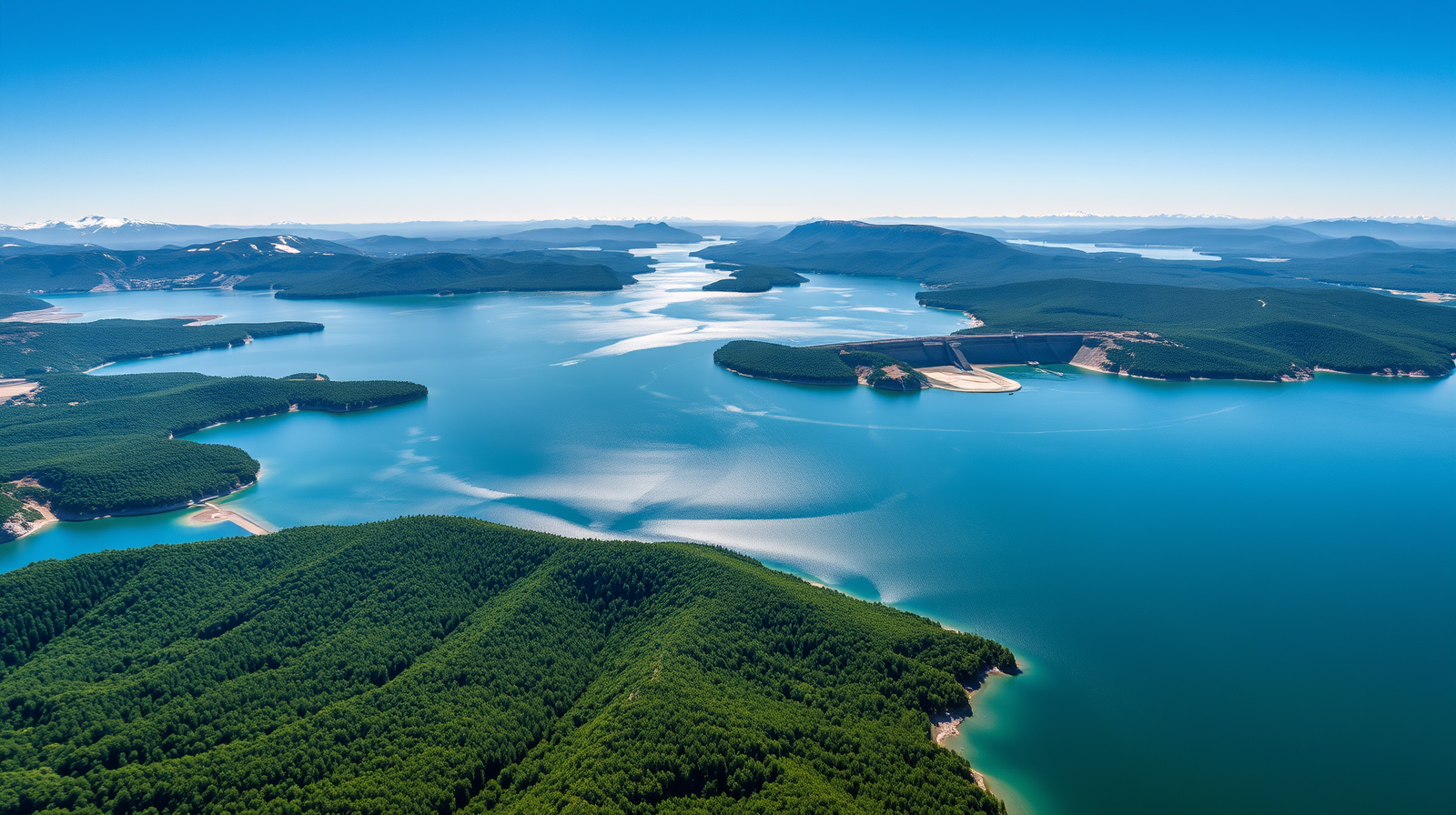
Sitting just east of St Petersburg, Lake Ladoga covers roughly 17,700 square kilometres, making it comfortably the largest lake on the continent, nearly twice the size of its nearest rival. It stretches about 219 kilometres in length and reaches a maximum depth of around 230 metres. Ladoga is home to the Ladoga seal, a freshwater seal population that has lived there since the end of the last Ice Age, alongside fish species including Arctic char and smelt.
Lake Onega and its wooden island churches
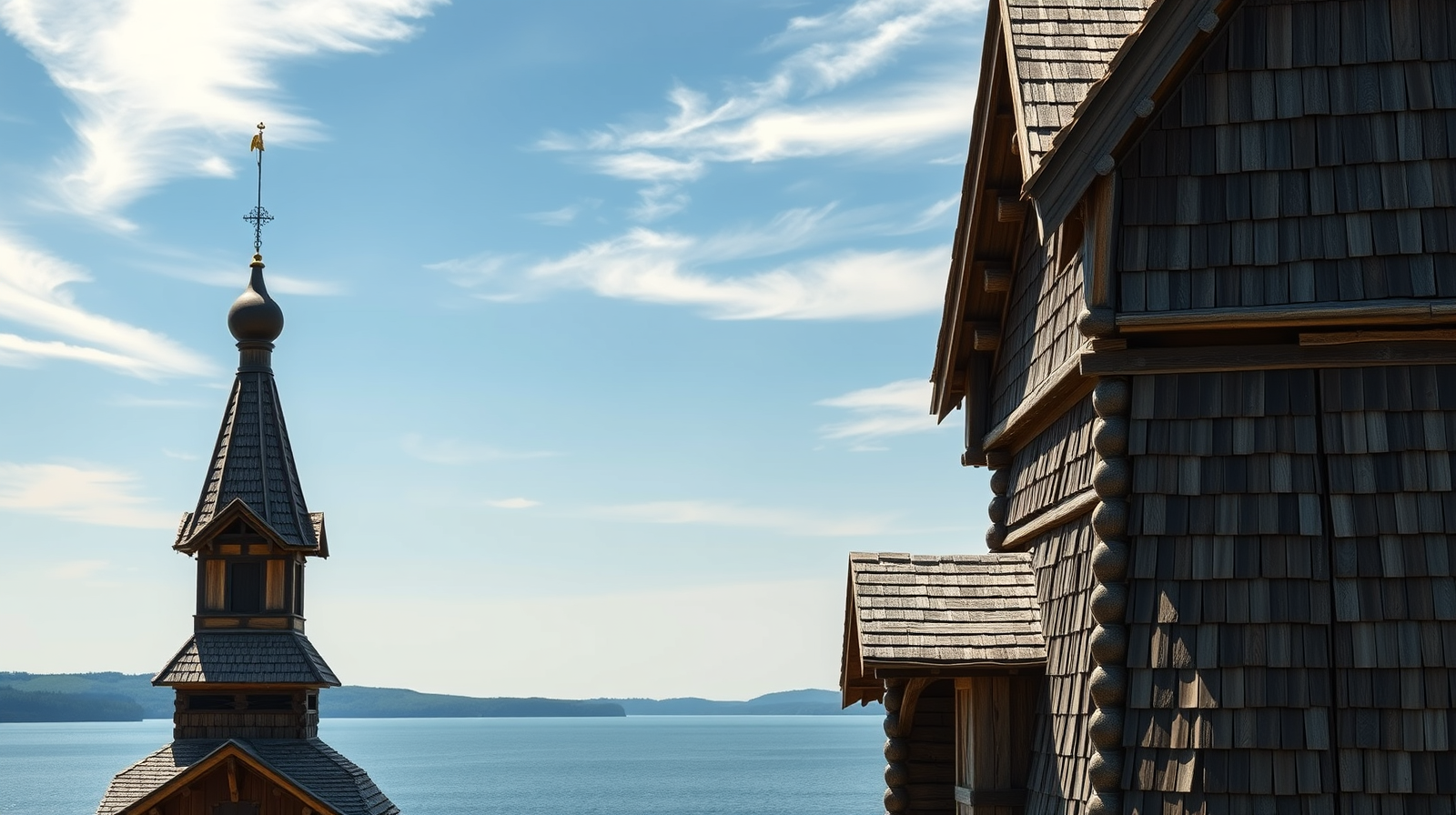
Not far from Ladoga sits Lake Onega, Europe's second largest lake at close to 9,700 to 9,900 square kilometres depending on how it is measured. The lake is scattered with around 1,650 islands, the most famous being Kizhi, recognised by UNESCO's World Heritage Centre for its cluster of wooden churches built in 1714 entirely without nails, a construction technique that has kept them standing through three centuries of harsh Russian winters.
Kuybyshev Reservoir, built on the Volga
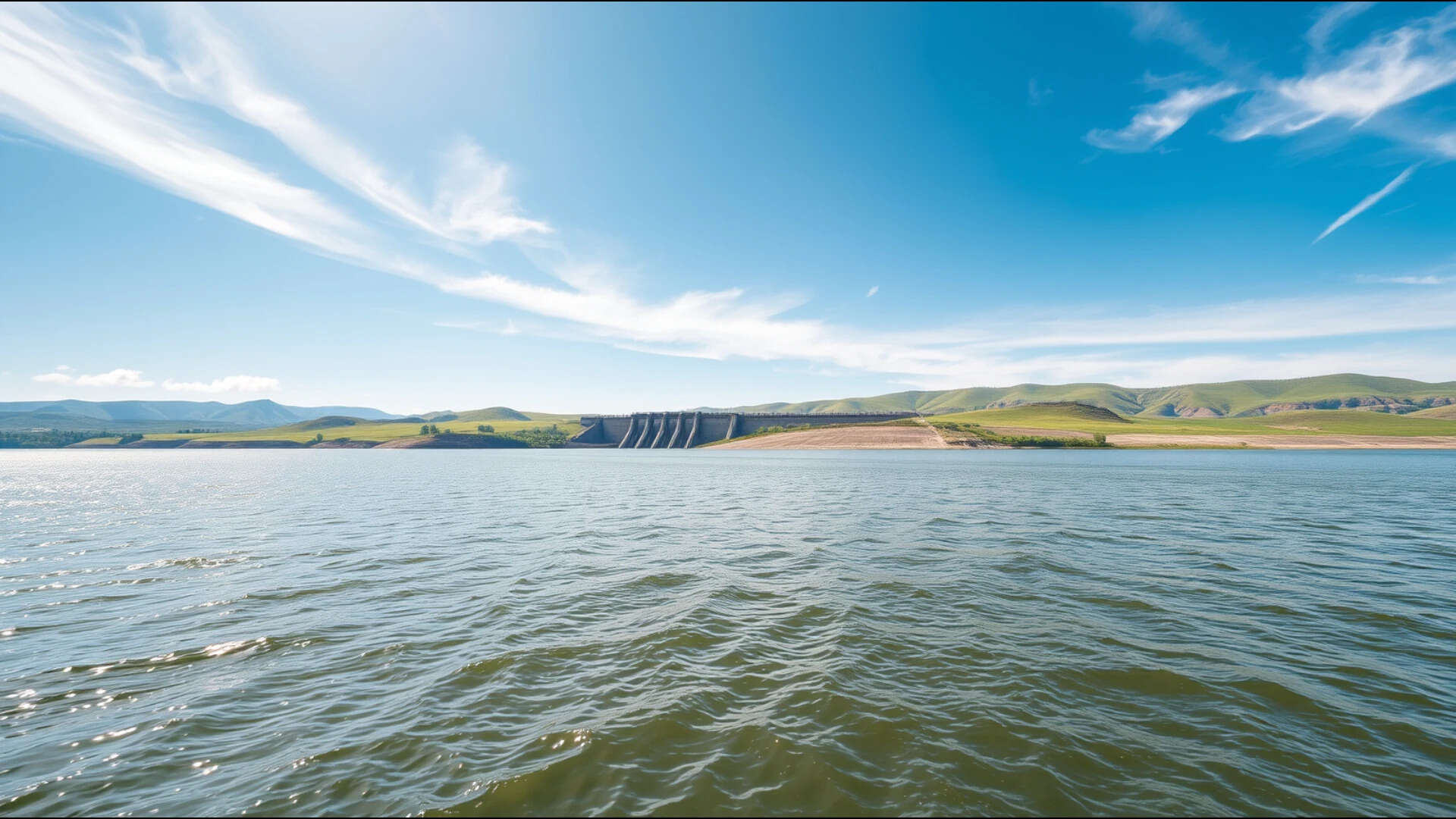
The largest reservoir in Europe, sometimes called the Samara Reservoir, is the Kuybyshev Reservoir on Russia's Volga River, covering around 6,450 square kilometres. It was created in the 1950s when Soviet engineers dammed the Volga, and the resulting body of water stretches across five separate Russian regions, continuing to serve its original purpose more than seven decades after it was built.
Lake Vänern, Sweden's inland giant
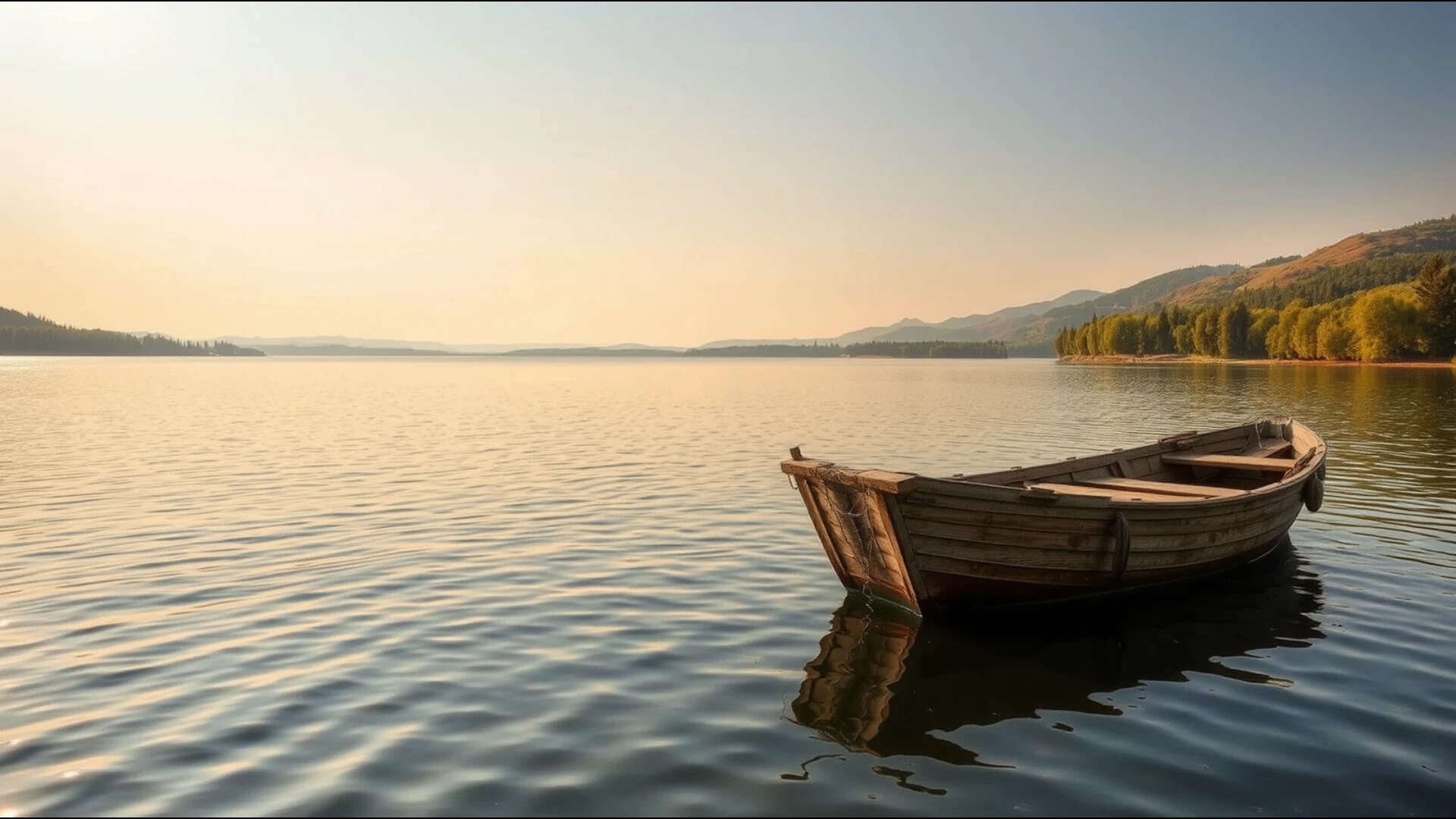
Lake Vänern is both Sweden's largest lake and the largest lake located entirely within the European Union, covering approximately 5,655 square kilometres. For centuries it served as a key route for moving timber and cargo between local towns, and it remains popular for salmon and trout fishing today, though Sweden has since introduced strict catch limits, overseen by its Agency for Marine and Water Management , after historical overfishing put pressure on the lake's fish populations.
Rybinsk Reservoir and the town it erased
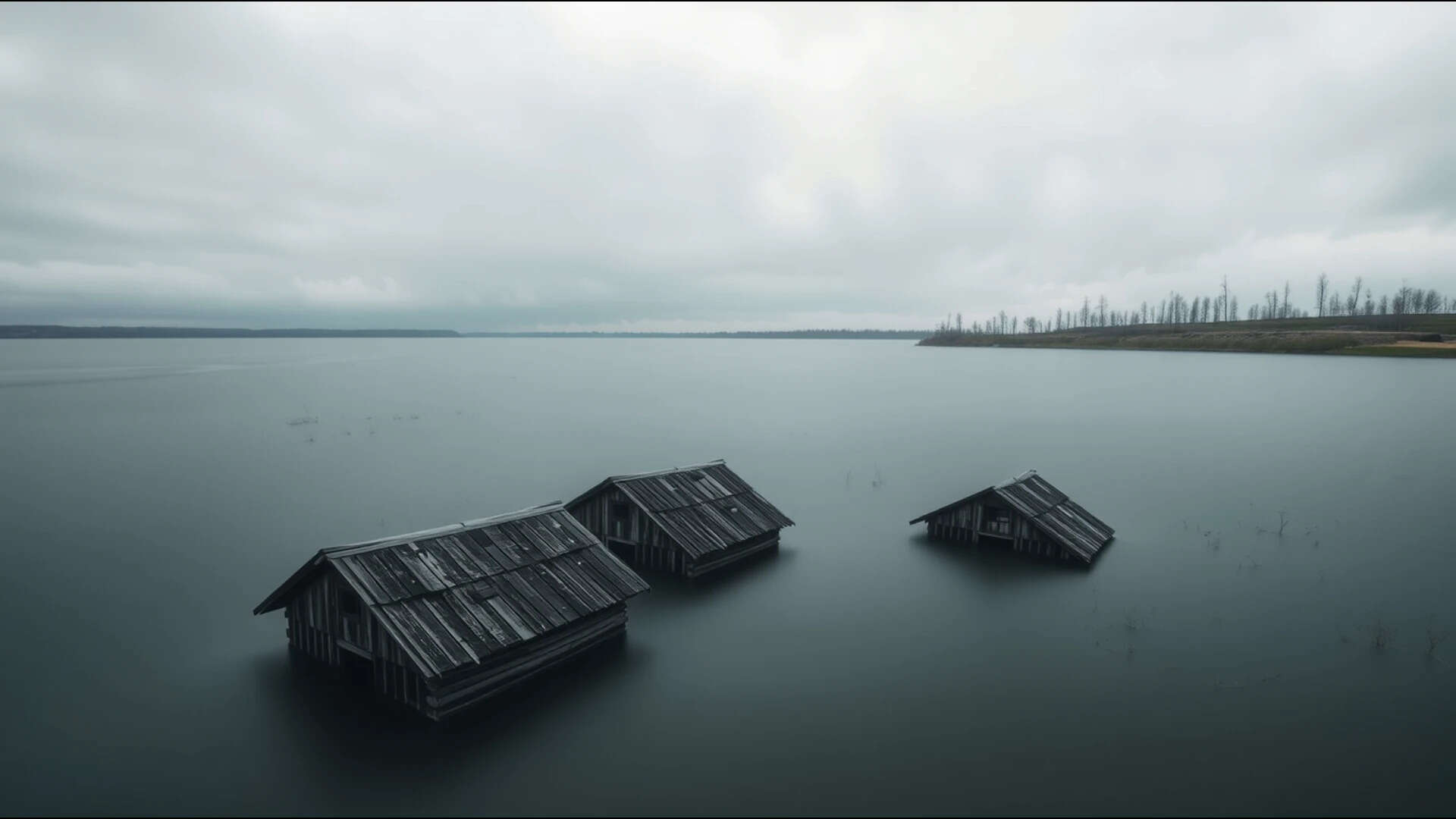
Known locally as the Rybinsk Sea, this reservoir covers around 4,580 square kilometres and took six years to fill, from 1941 to 1947. When completed, it was the largest artificial lake in the world at the time, and its creation required relocating the entire population of a town called Mologa, since the land it stood on was deliberately flooded to form the reservoir.
Lake Saimaa, Finland's watery maze
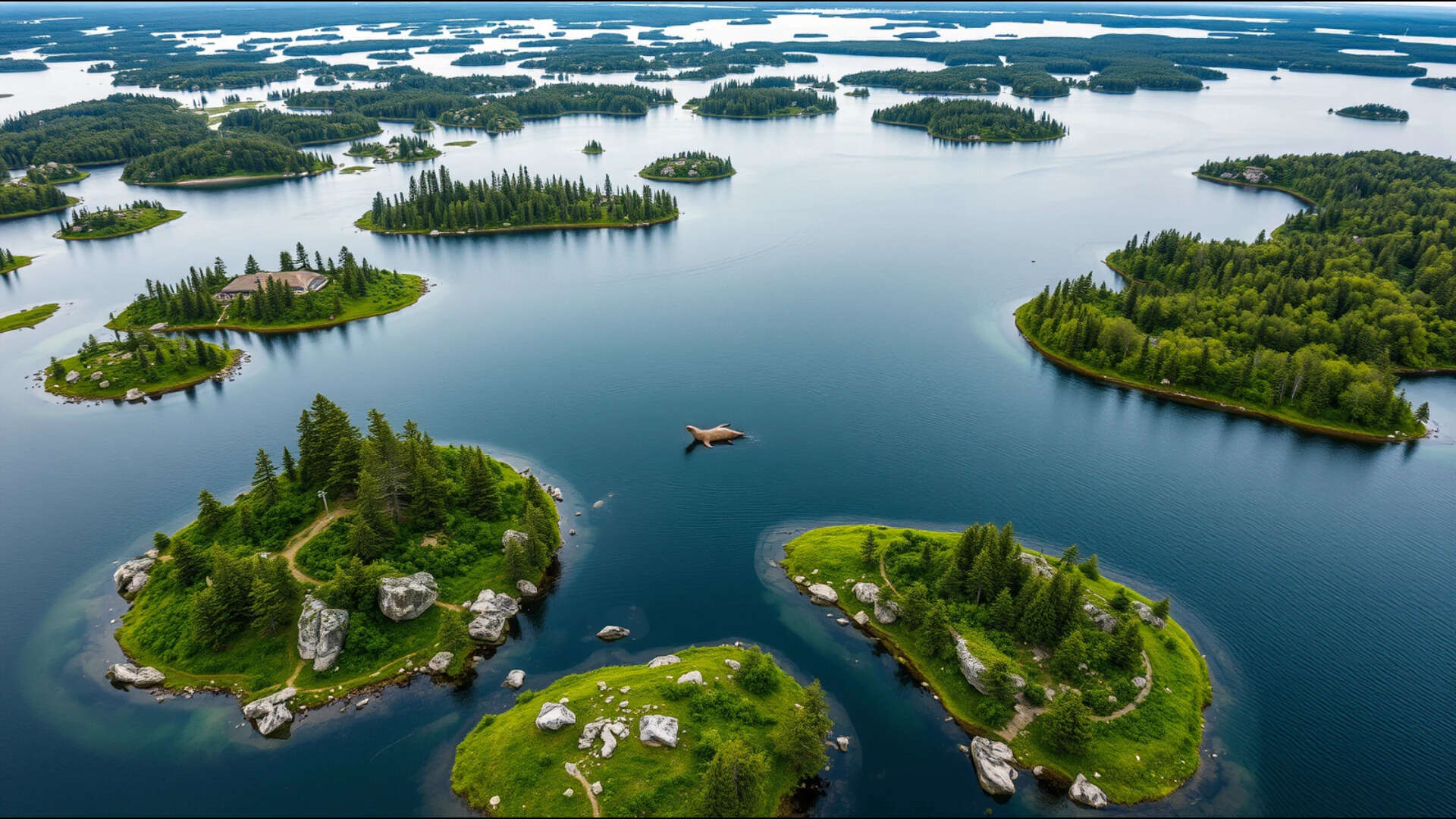
Finland's largest lake, Saimaa, covers roughly 4,377 square kilometres, though its structure is closer to a sprawling maze than a single open body of water, threading together thousands of islands and canals across eastern Finland. It is home to the Saimaa ringed seal, one of the rarest seal species on the planet, alongside a landlocked salmon population found nowhere else in the world.
Two very different origins, one shared scale
Nearly all of Europe's largest natural lakes cluster in this cold northeastern corner of the continent precisely because retreating ice sheets carved out their basins during the last Ice Age. The remaining giants on this list owe their existence to modern engineering instead, dams and reservoirs built across the twentieth century to generate power, support agriculture and manage water supply. Taken together, they show that the ranking of Europe's largest bodies of water is shaped as much by ancient glaciers as by twentieth-century human ambition.