The definition of a healthy food has undergone significant changes in the last fifty years. Many items that were once regarded as nutritional staples have been quietly modified by manufacturers. These modifications increase shelf stability, reduce manufacturing costs, and enhance consumer palatability. Unfortunately, this process often involves adding significant amounts of sugar, sodium, or cheap fillers. These six common foods illustrate how commercial pressures can transform a beneficial product into a highly processed one.
1. Cereal
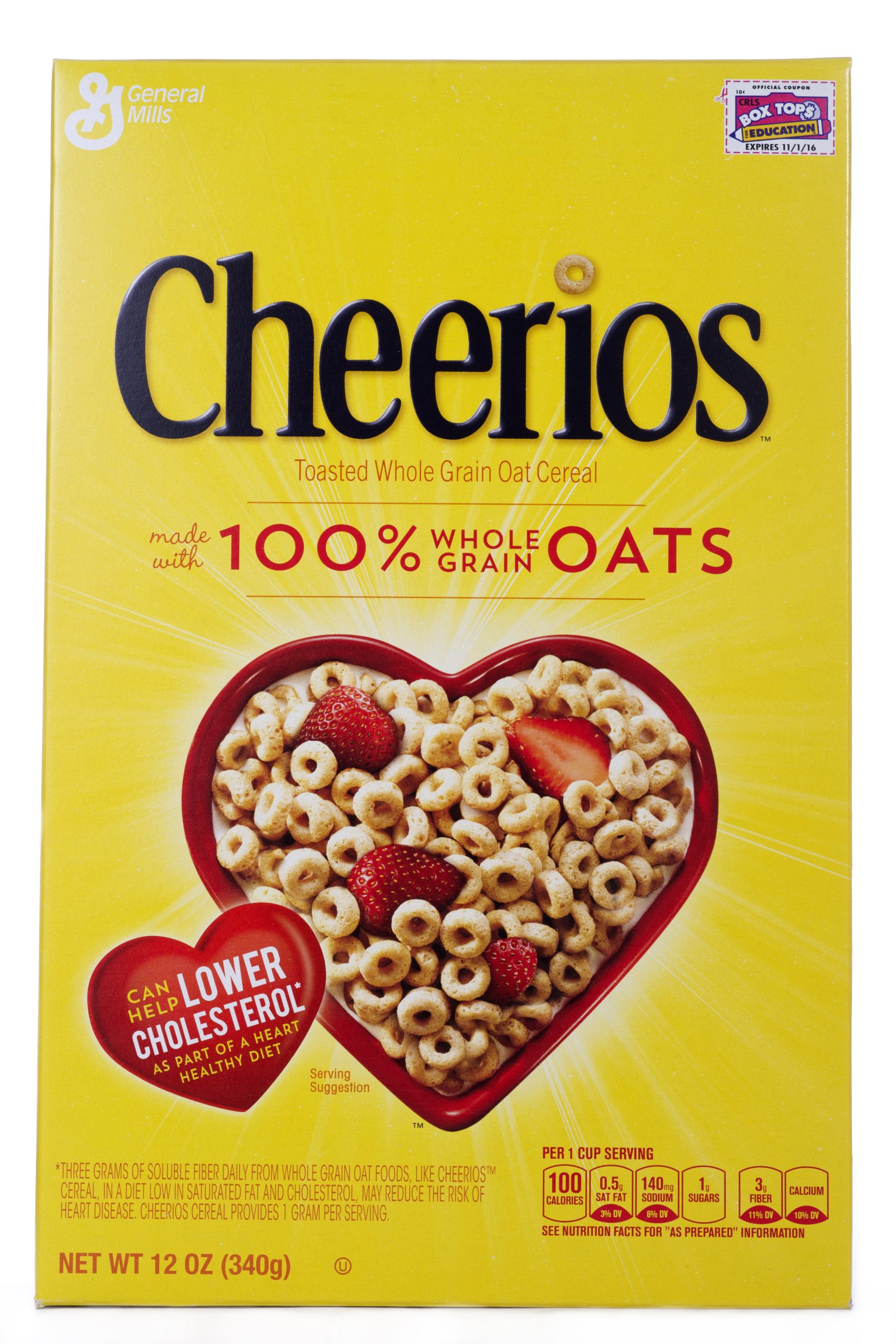
Breakfast cereals were initially marketed as basic, whole-grain porridge alternatives. They were intended to be a simple, nutritional start to the day. Over time, manufacturers dramatically increased the sugar content for mass appeal. Modern breakfast cereals often contain more sugar by weight than many cookies. This shift transformed a grain product into a highly processed, sugary dessert item.
2. Yogurt
Traditional yogurt was a simple, high-protein food containing just milk and live cultures. It was often full-fat and contained no sugar. The dairy industry responded to the low-fat craze by removing the fat. To compensate for the lost flavor and texture, companies added large amounts of sugar and artificial sweeteners. This turned a beneficial protein source into a high-sugar, low-fat dessert.
3. Bread
Historically, bread required only four basic ingredients. These ingredients were flour, water, yeast, and salt. Modern commercial bread often contains dozens of additives and cheap ingredients. Manufacturers add high-fructose corn syrup and various dough conditioners. These additions speed up the industrial baking process. They also extend the shelf life far beyond what is naturally possible.
4. Canned Soup
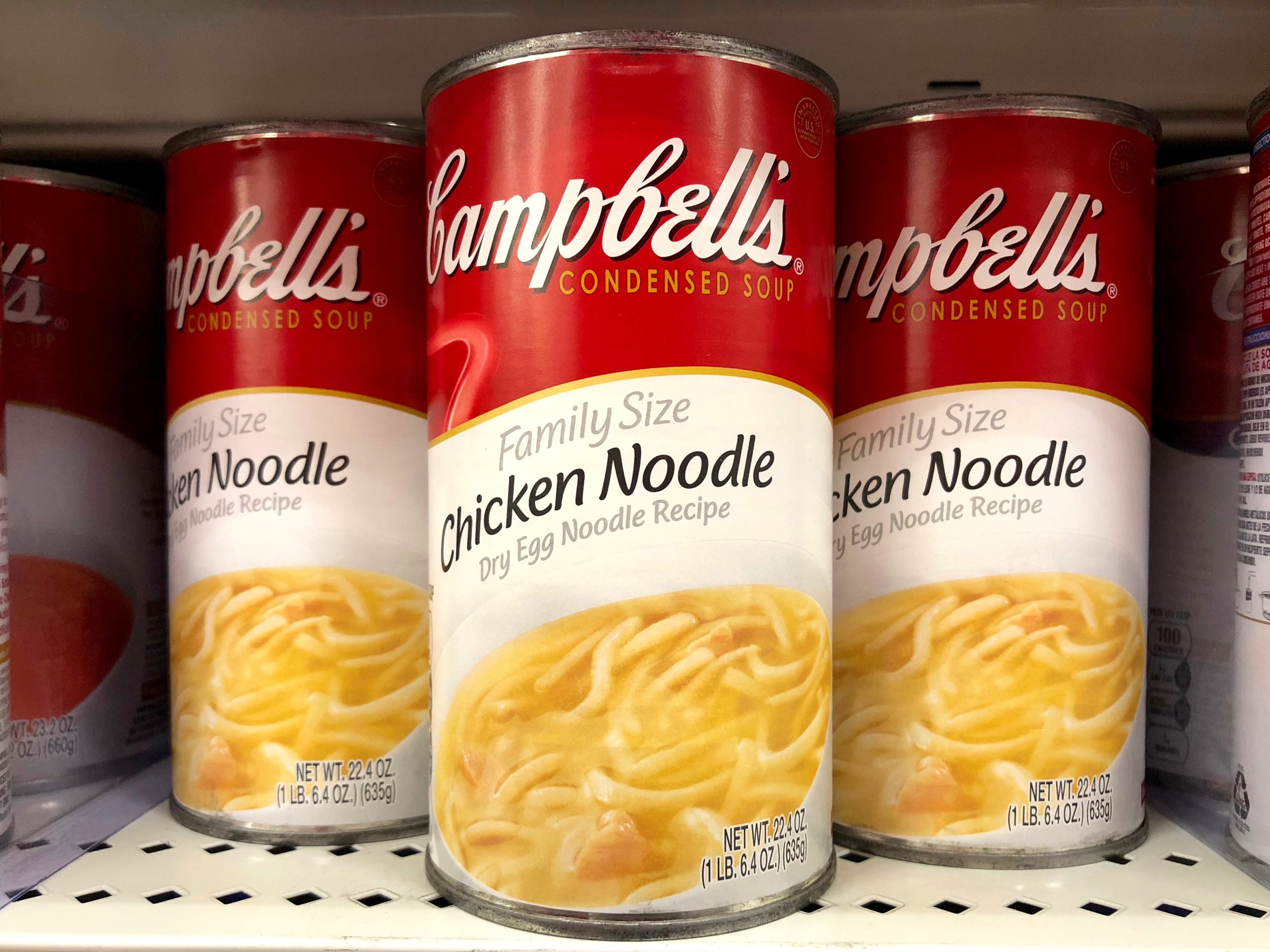
Homemade soup is a highly nutritious food based on natural broth, vegetables, and minimal seasoning. The commercial canning process introduced a massive influx of sodium. This sodium is for long-term preservation and enhanced flavor. Many canned soups now exceed the recommended daily allowance for sodium in a single serving. This makes them a high-sodium item, compared to the healthy original.
5. Peanut Butter
Traditional peanut butter contained only two ingredients. The two ingredients are roast peanuts and salt. The product separated naturally, requiring consumers to stir it. To appeal to convenience, manufacturers began adding sugar and hydrogenated vegetable oils. These additions created a stable, no-stir consistency. This transformation increased the product’s saturated fat and sugar content.
6. Granola and Energy Bars
Granola was once a simple blend of baked oats, nuts, and dried fruit. This made it a genuinely healthy snack. Modern commercial granola and energy bars have been heavily reformulated. They often contain multiple forms of processed sugars and cheap syrups. They are frequently coated in chocolate or icing. This change turns a healthy whole-grain snack into a sugary candy bar.
The Cost of Palatability
These examples show that the goal of commercial food production is lengthy palatability and long shelf life. This is not a pure nutritional benefit. The consumer must scrutinize labels closely to find the clean, original versions of these foods. Look for short ingredient lists and minimal added sugars. This vigilance is necessary to ensure the food remains a truly healthy choice.
What to Read Next
- 9 Label Tricks That Convince You Something Is “Healthy” When It’s Not
- How Healthy Label Claims Exploit Health-Conscious Shoppers
- Think Avocados Are Healthy? These 6 Drugs Can Turn Them Into a Risk
- 7 Foods You Think Are Healthy But Aren’t
- Unhealthy Grocery List: Buy These 9 Must-Haves Instead
The post 6 Foods That Used to Be Healthy Until Companies Changed the Recipe appeared first on Grocery Coupon Guide.