Microsoft just had an amazing week, and a big part of that was thanks to Build. Sure, some excellent laptops were announced, but we've been blessed with good hardware for years. The biggest difference this year is that there are genuine reasons to be excited about Windows 11.
Our Senior Editor Zac Bowden highlighted the buzz around Windows 11:
"I spoke with various OEMs this week, and I could feel that all of them were super proud to be part of this renewed push in Windows. That's not something you can always say about Windows OEMs, but everyone I spoke to was very happy with Microsoft's work around Windows K2, and the improvements in silicon coming from Qualcomm, NVIDIA, and Intel."
The Windows K2 initiative appears to have some key converts, and that's great news for Windows PCs going forward. But a fully revamped Windows 11 will require software developers to embrace the OS and Microsoft's latest tools, and that's where Build played a key role.
At Build 2026, Microsoft taught developers how to build native Windows apps using AI and how to port x86 apps to Windows on Arm.
Microsoft also announced its own AI models, revealed its vision for "the next computer," announced a new Surface for developers, and unveiled new tools for creating AI agents.
Biggest Build News
Native Windows apps
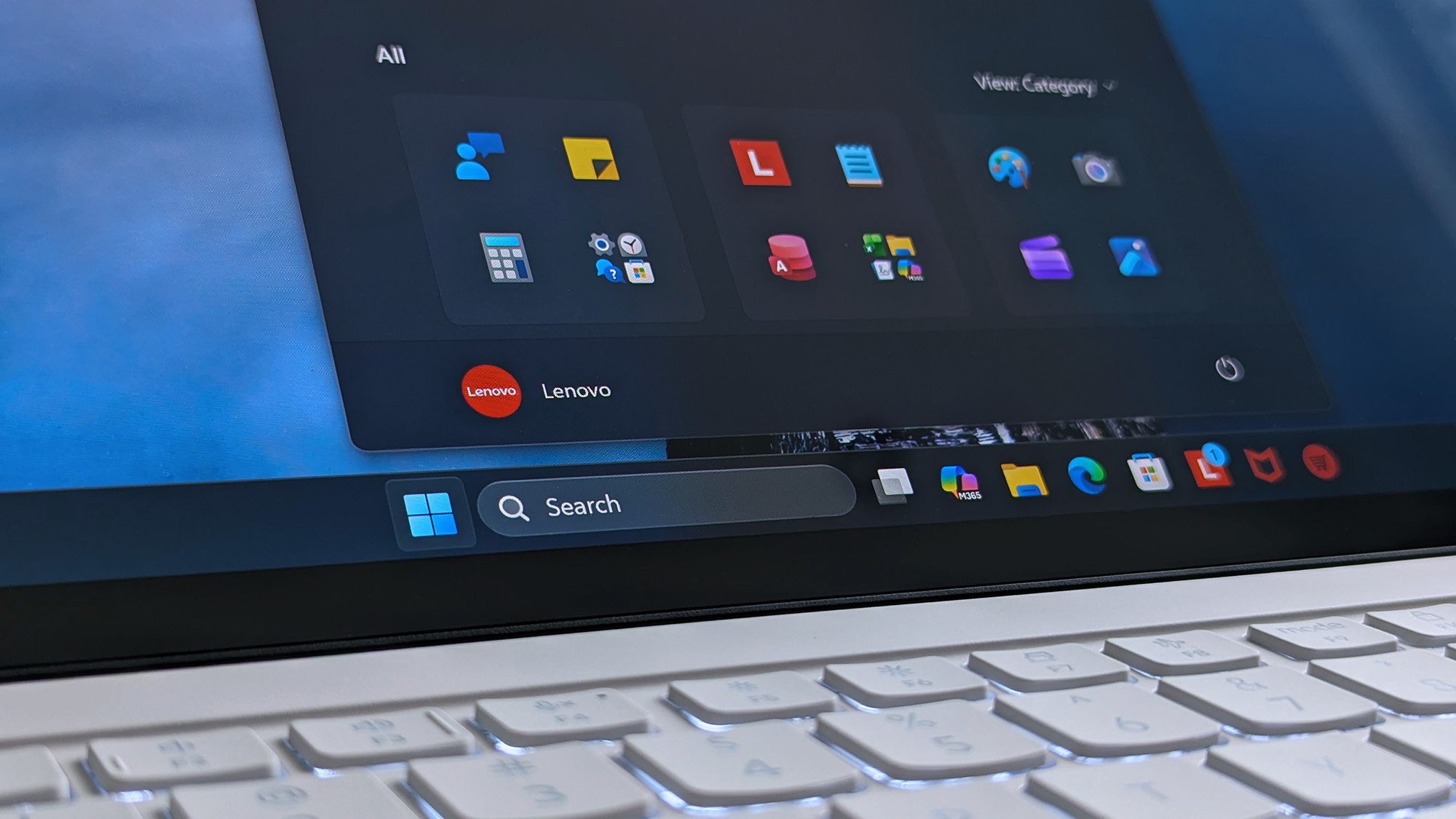
There are two meanings of the word "native" when referring to Windows apps: applications that use a native framework like WinUI 3 and apps that are optimized for Windows on Arm. Microsoft focused on both types of native apps during Build.
Microsoft is making more parts of Windows 11 native, which will improve performance. Native apps (the WinUI 3 kind) will see similar benefits.
Apps optimized for Windows on Arm will benefit both Snapdragon X-powered PCs and systems featuring the new NVIDIA RTX Spark platform.
Agentic future
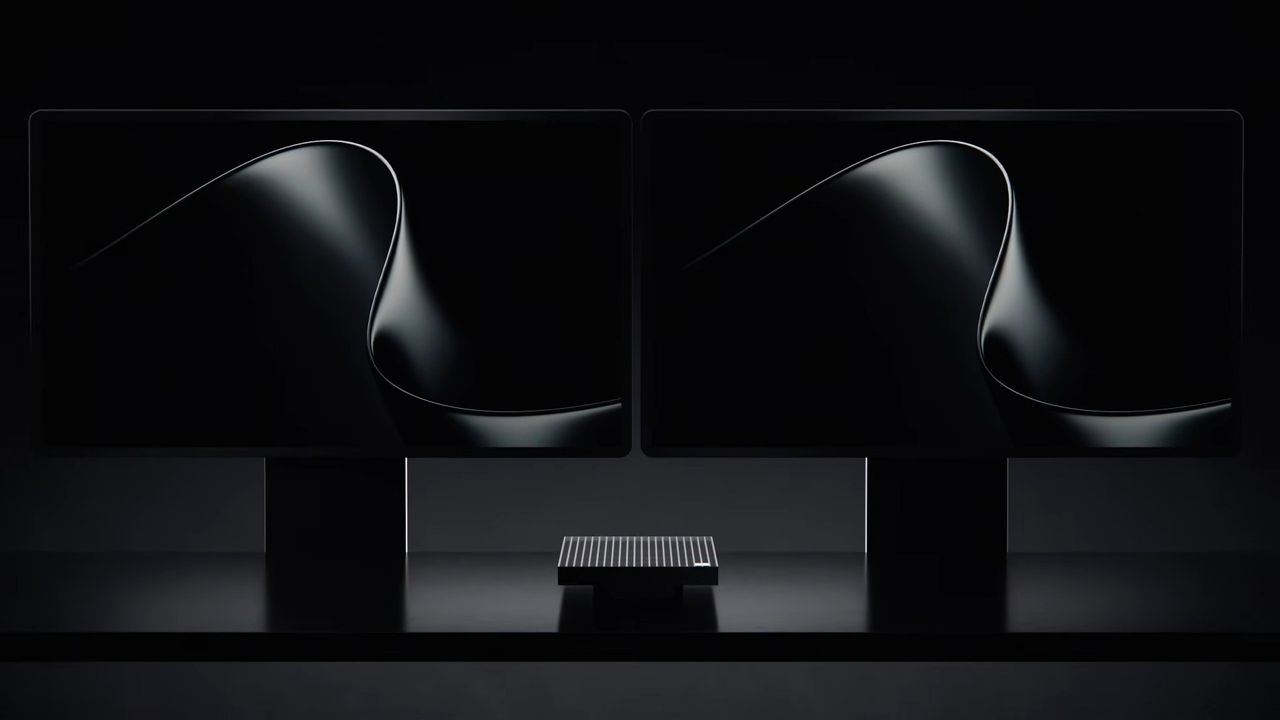
Microsoft announced and highlighted several tools developers can use to make AI agents. The Surface RTX Spark Dev Box was the biggest surprise of the week. That mini-PC features one petaflop of AI compute power and 128GB of unified memory. It can run up to 120B parameter models locally.
It comes with Microsoft developer tools preinstalled, features WSL2 with native GPU passthrough, and has full CUDA support.
Microsoft built the Surface RTX Spark Dev Box as a device for all developers making software and AI experiences. The tech giant emphasized that it wants Windows to be the platform for developers, not just Windows developers.
The Surface Laptop Ultra was announced at Computex. Based on its specs and design, it should also be a great tool for developers, but it is also aimed at creators and professionals who rely on AI models.
"The next computer"
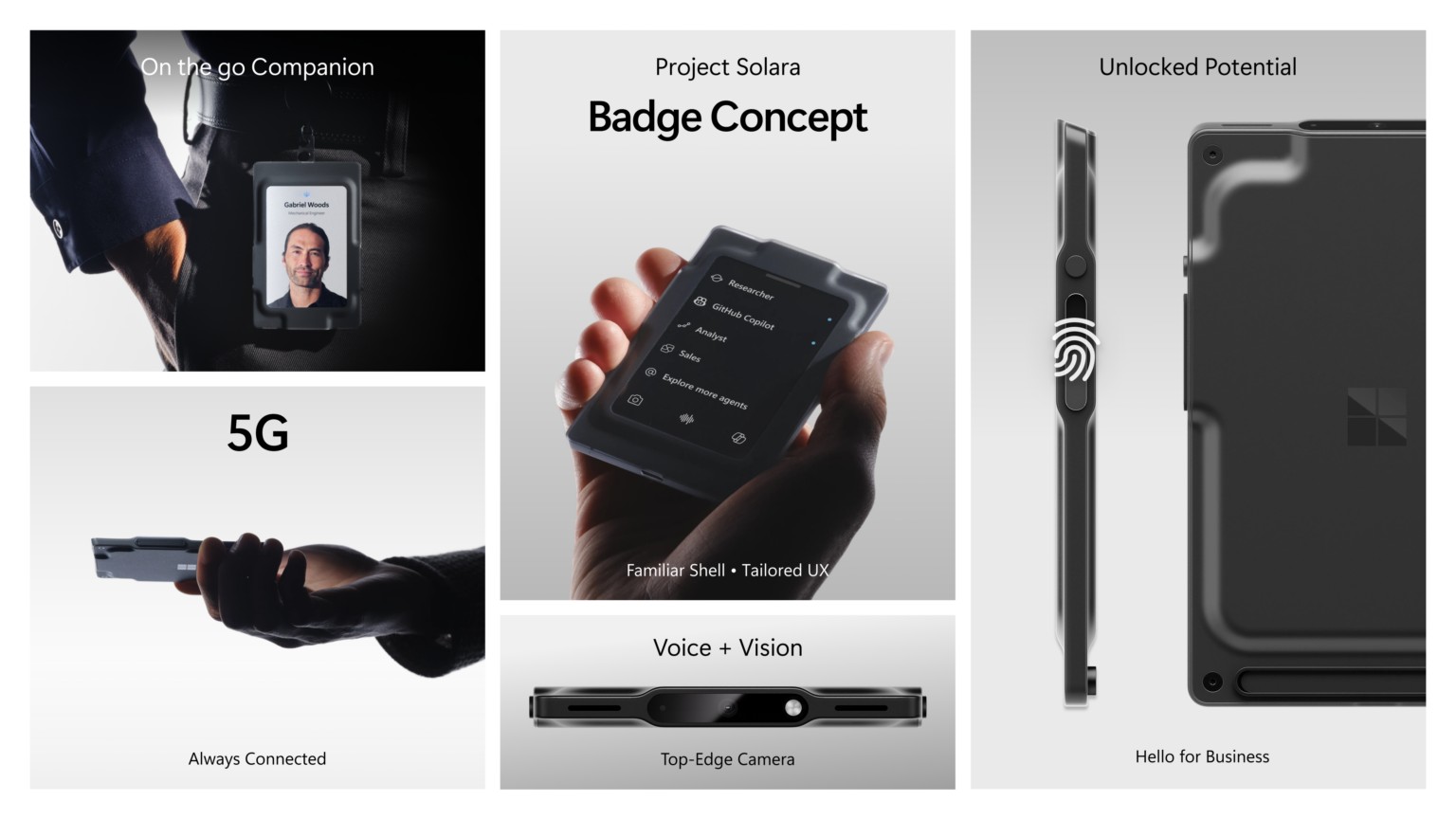
While many of the announcements and sessions from Build focused on apps and agents that will run on traditional PCs, Microsoft also unveiled its vision for "the next computer."
Project Solara is a lightweight and secure operating system built on top of AOSP, not Windows. The OS hosts an Agent Shell that can dynamically load multiple cloud-based agents.
Rather than having a system that runs apps, the Microsoft Device Ecosystem Platform will have a device that calls on AI to perform tasks.
"These new devices are not meant to run traditional apps. They are designed for agents," said Microsoft. "That shift gives us more flexibility in the user interface, because the experience can adapt to the device, the screen size, the content, and even the mode of interaction—whether visual, voice, touch, or multimodal."
There are only prototype devices at this point, but Microsoft discussed a "Badge Concept Device" and "Desk Concept Device" at Build.
Smart wearables and AI hardware have been hit and miss up to this point. The Humane AI Pin and the Rabbit R1 failed for various reasons. AI hardware has to make a case for itself and feel like more than a smartphone add-on.
Microsoft's new platform will have to overcome that gap to succeed.
An exciting time for Windows 11 and Microsoft
Between Build and Computex, there's a lot to look forward to. Windows 11 is headed in the right direction and Microsoft has the tools developers need to make apps for the refreshed operating system.
Microsoft is also preparing for the next wave of computing. I'm skeptical that a future full of wearables and AI hardware is inevitable, but Microsoft is positioning itself to power that future if it does happen.

Join us on Reddit at r/WindowsCentral to share your insights and discuss our latest news, reviews, and more.