Vitamins are important for fighting infections, boosting immunity, and several body functions. Foods rich in these important nutrients can help us maintain overall well-being. Both Vitamin B and Vitamin C are water-soluble and play a crucial role in various body and brain functions. B vitamins, also called B complex are a group of 8 water-soluble vitamins. The body does not store them, so they need to be replaced daily.
B vitamins are found in animal proteins, dairy products, leafy green vegetables, and beans. They have to be consumed daily as the body doesn't store them. They act as coenzymes, helping with various processes that keep our cells, brain, and nervous system functioning properly. A deficiency in any B vitamin can disrupt how our cells use energy from amino acids, glucose, and fatty acids.
Vitamin C, also a water-soluble vitamin, needs to be taken every day as it isn't well stored by the body.
The important vitamin can help prevent infections heal wounds, and neutralize effects of free radicals. It helps make several hormones and chemical messengers that the brain and nerves use.
It's important to consume foods rich in these vitamins to stay on top of your health. NHS suggests people aged between 19-64 to consume at least 40 milligrams of vitamin C daily by NHS, while 400 micrograms of vitamin B complex is required per day for young adults.
1. Avocado
Avocado is a storehouse of vitamins, minerals, fibre, potassium, and other nutrients that can help you lose weight, lower cholesterol, enhance memory, and maintain heart health. Half of an avocado provides 15% of your daily needs for B6, while the same amount contains about 7 milligrams of vitamin C, which is around 5% of your recommended daily intake.
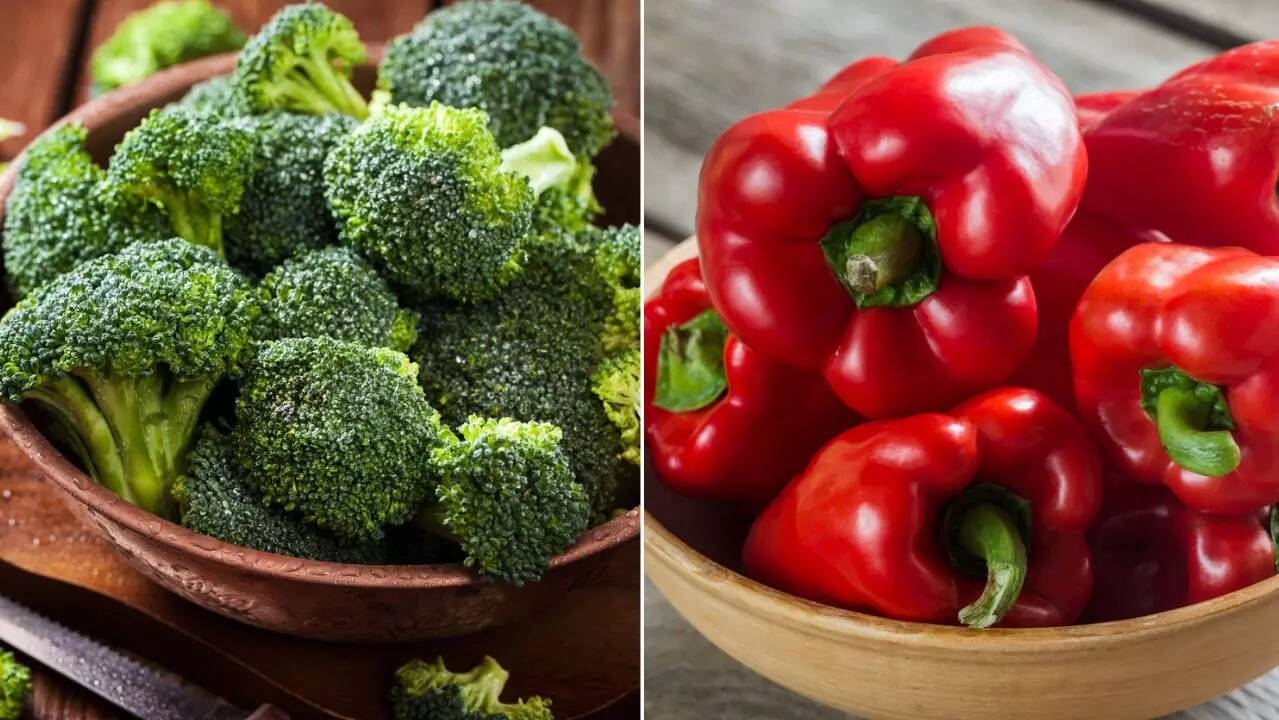
2. BroccoliIt is one of the healthiest green vegetables with its wonderful anti-inflammatory, and antioxidant properties that support heart health, reduce cholesterol, and good for blood pressure. One cup of raw broccoli contains about 14% of the daily recommended intake (RDI) of folate or vitamin B9 and 135% of vitamin C required daily.
3. OrangesThe juicy and delicious oranges are a storehouse of antioxidants, vitamins and minerals. The citrus fruits have more than 100% of our recommended daily amount of vitamin C. One orange normally has 9% of your daily requirement of folate or vitamin B9.
4. Red bell pepperLow in calories and with zero unhealthy fats, red bell pepper is one of the healthiest vegetables around. A cup of chopped red bell pepper has 317% of vitamin C, 93% of vitamin A, 22% of vitamin B6, and 17% of folate as per Cleverland Clinic.
5. Spinach
Spinach is a powerhouse of many minerals and vitamins your body needs. Spinach is rich in many nutrients, like vitamin A, vitamin C, vitamin K, iron, folate, and potassium. It is a rich source of folic acid as one cup of cooked spinach contains around 262 micrograms of Vitamin B9.