
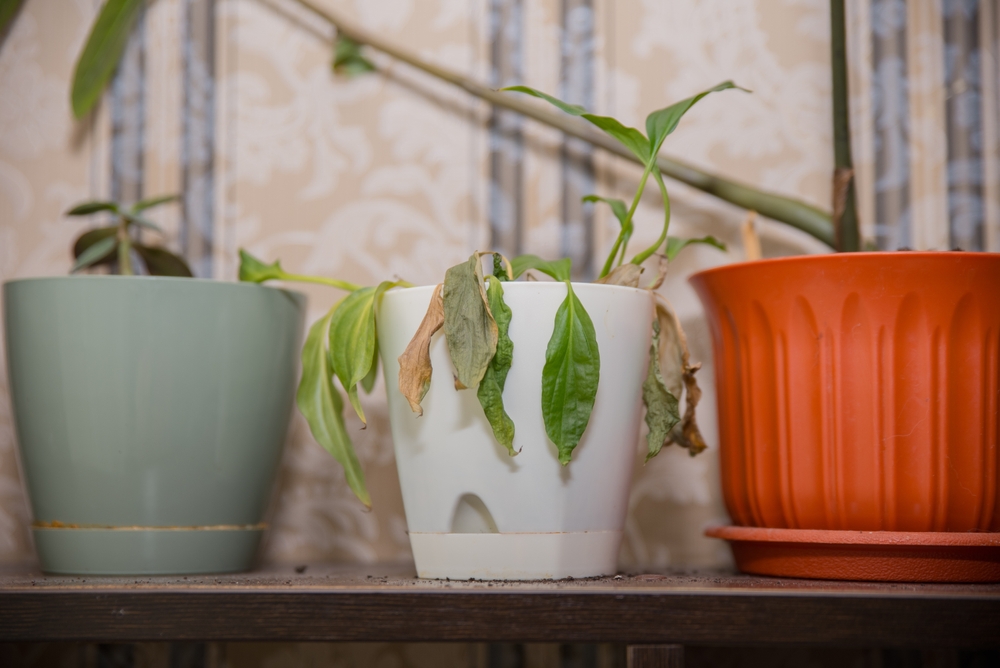
Gardening brings joy, fresh food, and a surprising amount of drama when diseases sneak into the picture. One week the tomatoes look perfect, and the next week, strange spots, wilting leaves, or powdery coatings start spreading like wildfire. Many gardeners lose plants not because they lack effort, but because they miss simple prevention habits that stop problems before they begin. Smart prevention always beats emergency rescue in the garden. These five practical disease prevention tips help protect plants, boost harvests, and keep garden beds thriving all season long.
Healthy gardens don’t happen by accident—they come from consistent habits that block disease at the source. Soil, water, spacing, and cleanliness all play a bigger role than most people realize. Once these systems fall out of balance, fungi and bacteria move in fast. A few smart adjustments create a strong defense that keeps plants growing strong and productive.
1. Rotate Crops to Break Disease Cycles
Crop rotation stops soil-borne diseases from settling into permanent residence in garden beds. Many plant diseases survive in soil for years and wait for the same plant family to return. Switching plant families each season disrupts that cycle and starves pathogens of their preferred hosts. Tomatoes, peppers, and eggplants should never follow each other in the same spot year after year.
Gardeners who rotate crops often notice fewer wilting plants and stronger yields within just two seasons. A simple rotation plan that cycles leafy greens, root vegetables, and fruiting crops creates natural disease control. This strategy also improves soil fertility because different plants pull and return different nutrients. Strong rotation habits build long-term garden resilience without chemicals or complicated treatments.
2. Water at the Base, Not the Leaves
Moist leaves create the perfect environment for fungal diseases like blight and powdery mildew. Watering at the soil level keeps foliage dry and prevents spores from spreading across wet surfaces. Drip irrigation systems or soaker hoses deliver moisture directly where plants need it most. Morning watering also gives soil time to dry before cooler evening temperatures arrive.
Gardeners often underestimate how much overhead watering contributes to disease outbreaks. Wet leaves invite problems that spread quickly in warm, humid conditions. Keeping foliage dry reduces stress on plants and helps beneficial microbes dominate the soil surface. Smart watering habits create a strong first line of defense against many common garden diseases.
3. Space Plants for Better Airflow
Crowded plants trap moisture and reduce airflow, which creates ideal conditions for disease development. Proper spacing allows wind and sunlight to dry leaves quickly after rain or watering. Good airflow also helps regulate temperature around plants, reducing stress that weakens natural defenses. Many gardeners squeeze in extra plants, but that choice often backfires when disease spreads.
Tomatoes, cucumbers, and squash especially benefit from generous spacing and vertical support. Trellises lift vines off the ground and keep leaves exposed to fresh air circulation. Pruning lower leaves also improves airflow and reduces soil splash onto foliage. Strong spacing habits turn dense garden beds into healthier, more resilient growing spaces.
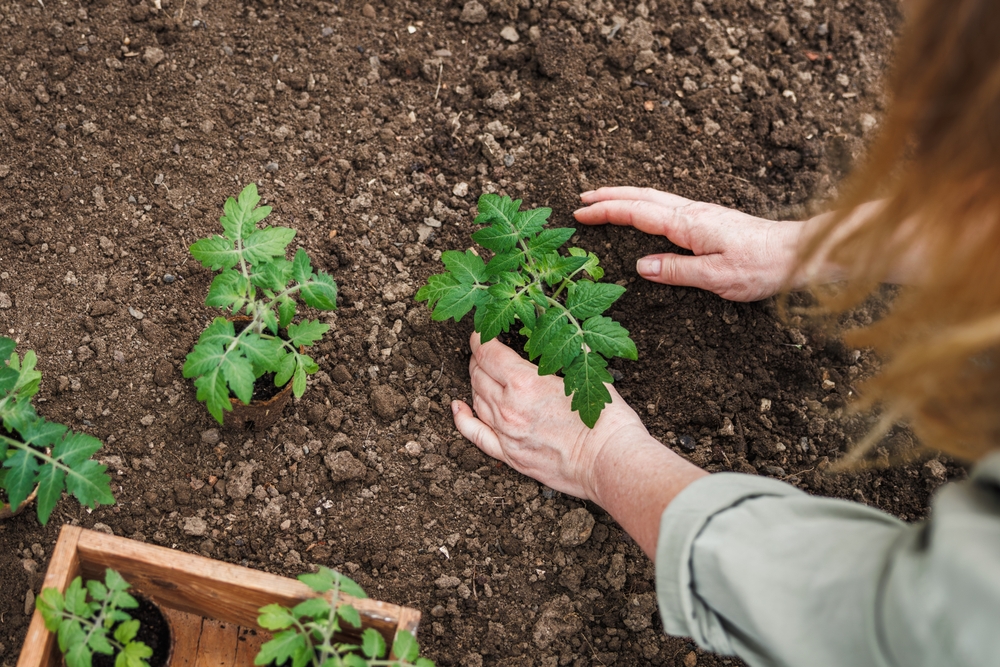
4. Clean Tools and Remove Diseased Material Fast
Dirty tools spread disease faster than most gardeners realize. Pruning shears, shovels, and gloves can carry pathogens from one plant to another within seconds. Cleaning tools with rubbing alcohol or a diluted bleach solution helps stop that transfer. Immediate sanitation keeps small problems from turning into garden-wide outbreaks.
Removing infected leaves or plants right away also protects healthy neighbors. Leaving diseased material in the garden gives pathogens time to spread through wind, insects, or water. Compost piles should never include heavily infected plants unless they reach high heat levels. Clean habits create a disciplined garden environment where diseases struggle to gain ground.
5. Choose Resistant Varieties and Strengthen Soil Health
Plant breeders develop disease-resistant varieties to help gardeners fight common problems like blight, wilt, and mildew. Choosing these varieties reduces risk before planting even begins. Healthy soil also plays a major role because strong plants naturally resist infection better than stressed ones. Compost, organic matter, and balanced nutrients create a thriving underground ecosystem.
Gardeners who focus on soil health often see fewer disease outbreaks overall. Beneficial microbes compete with harmful organisms and help protect plant roots. Mulch also helps by reducing soil splash and stabilizing moisture levels. Strong plants grown in healthy soil form the backbone of a disease-resistant garden.
The Real Truth Behind a Disease-Resistant Garden
Garden disease prevention depends on consistent habits, not last-minute fixes. Crop rotation, smart watering, proper spacing, clean tools, and resistant varieties all work together like layers of protection. Each habit reduces stress on plants and limits opportunities for disease to spread. Small daily actions build stronger results than occasional big interventions.
Gardeners who stick with these strategies notice healthier plants, fewer losses, and more reliable harvests across the season. Prevention always costs less time and effort than treating widespread infection after it takes hold. A thoughtful approach turns any garden into a more stable and productive space.
What disease prevention habit has made the biggest difference in your garden? We definitely want your tips and advice below in our comments section.
You May Also Like…
March Seedling Diseases to Watch For
Why Gardeners Are Accidentally Spreading Disease With This Common Tool
The Cinnamon Hack: The $1 Kitchen Spice That Kills Garden Fungus
Which Plant Pairings Naturally Reduce Pests and Improve Yields
This One Winter Gardening Habit Could Be Spreading Invasive Pests Across the South
The post 5 Disease Prevention Tips That Actually Work appeared first on Frugal Gardening.