
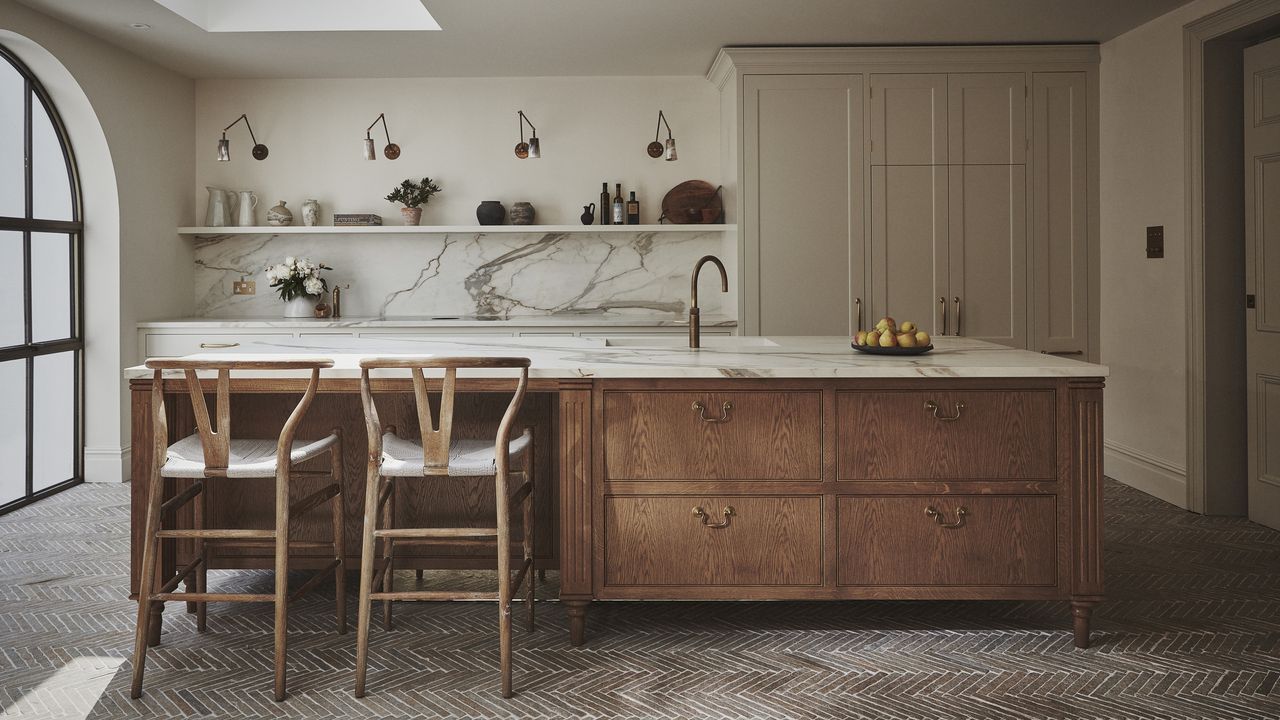
Kitchens have a habit of becoming the most chaotic room in the home. Cluttered countertops, harsh lighting, and islands piled high with post and paperwork all contribute to a space that feels more frantic than functional. It's little wonder that many of us crave a kitchen that feels calm, inviting, and more in keeping with the rest of the home.
The problem with many modern kitchen ideas is that function too often (and mistakenly) takes precedence over style. Of course, they require good task lighting, durable surfaces, and hardworking appliances, but that doesn't mean the space can't feel soft, considered, and design-led. In short, there's no excuse for kitchens that feel hectic and disorderly in 2026. Interior designer Christopher Boutlier is all too aware that kitchens can quickly become one of the most hectic rooms in a home. "It's where everyone gathers, meals are prepared, and daily life unfolds," he says.
"When I design kitchens, I often think about how to slow the room down a bit so it feels more restorative. A few thoughtful choices in layout, materials, and atmosphere can transform a kitchen from a busy workspace into a place that feels calm and enjoyable to spend time in." So, if you're keen to find out how to curate a calmer kitchen that feels more like a retreat at home, here are five clever design tricks you'll want to know about.
1. Build a Tonal, Natural Palette
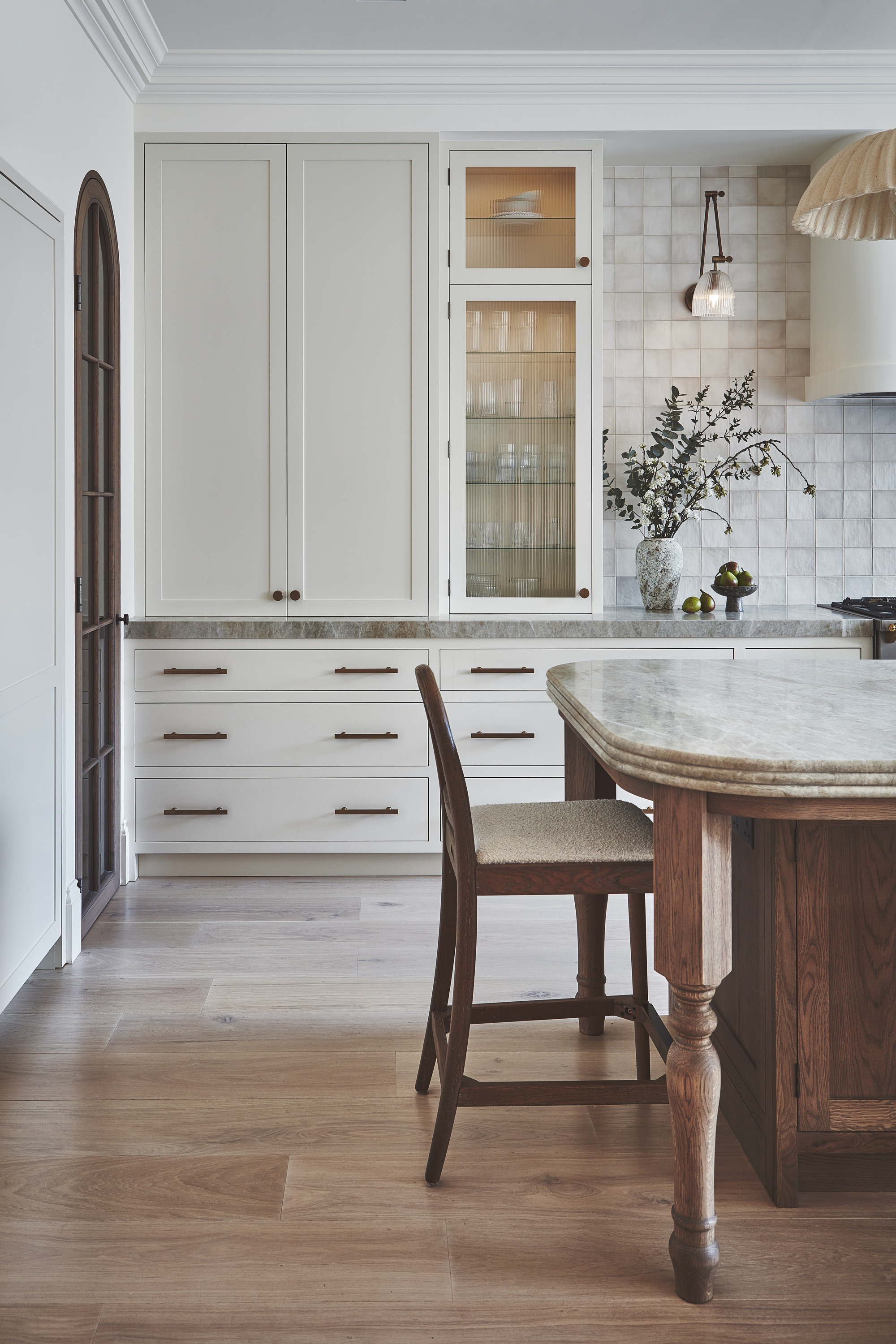
If you want to make a space feel visually calmer, opting for a neutral kitchen color is always a safe bet. While bold color and pattern can inject personality, they can just as easily overwhelm a kitchen if overused. When too many elements compete for attention, the space begins to feel visually cluttered — amplifying the busyness of a hardworking kitchen rather than softening it.
"A calm kitchen asks nothing of you visually," says Amy Hicks, lead designer at Blakes London. "Allow natural materials to lead, drawing color from them while keeping the overall effect soft, tonal, and consistent to create a quietly cocooning rather than stimulating feel."
Although a palette should be dynamic, the key is to avoid too many contrasting shades. When interior designers look to create a sense of calm and cohesion in a kitchen, they typically choose monochromatic tones. "When cabinetry, walls, and even stone selections live within a similar color family, the eye moves more easily through the space," explains Virginia-based designer Cathleen Gruver. "This approach creates visual quiet, which is especially helpful in kitchens that are often the most active room in the home."
Benjamin Moore's Swiss Coffee is one of our favorite neutral paint colors for a kitchen.
2. Integrate Your Appliances
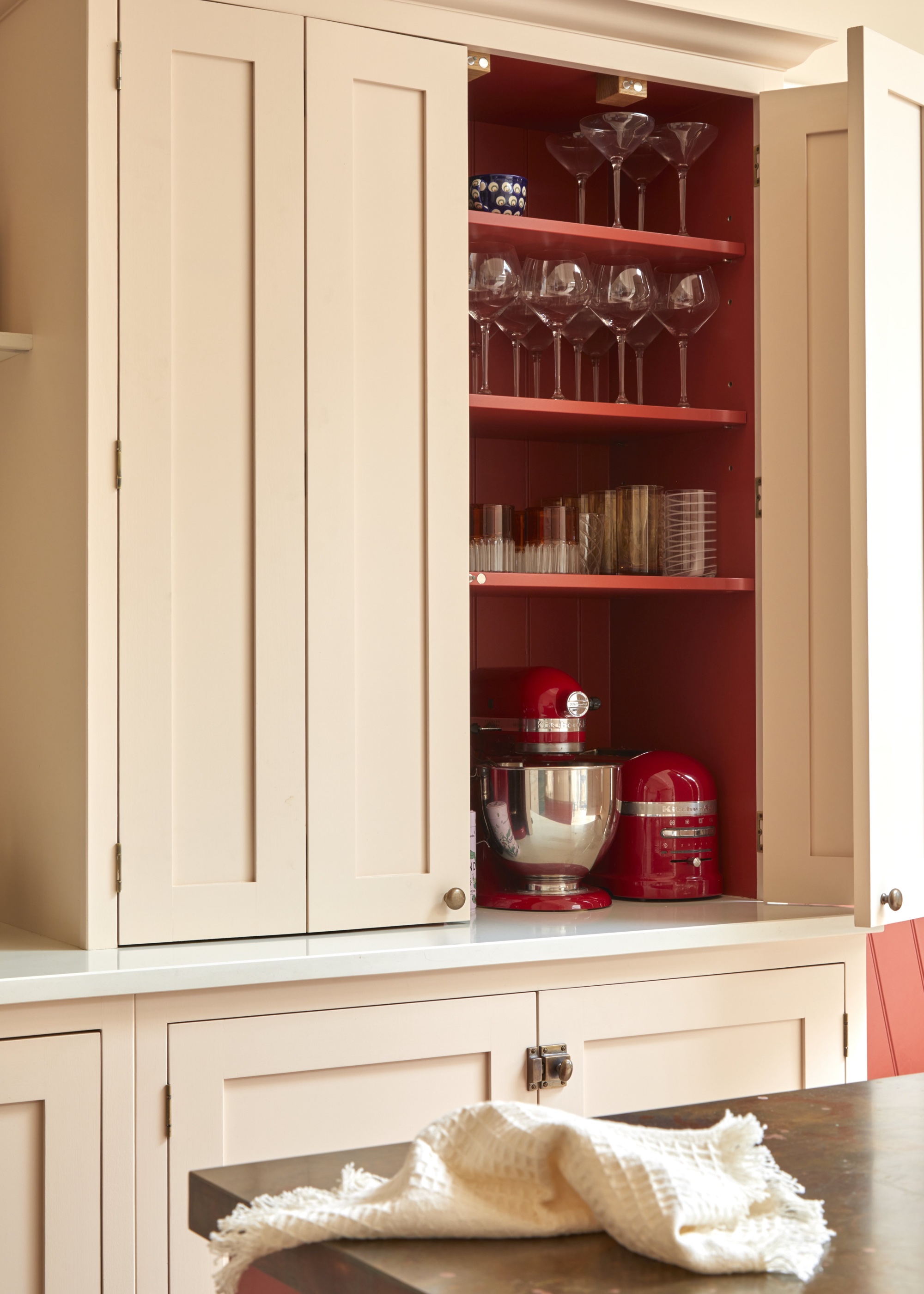
Nothing makes a kitchen feel more chaotic than a countertop cluttered with unsightly appliances. Toasters, kettles, coffee machines, stand mixers, air fryers — so many appliances have a permanent place in our kitchens these days, and while essential, hiding them out of sight can work wonders at making a kitchen feel calmer.
"Hiding appliances behind cabinetry is one of the most immediate ways to make a kitchen feel calmer and more considered," says Magnus Nilsson, lead designer at Blakes London. "The moment the functional infrastructure disappears, the space begins to feel like a room rather than a workspace." If you don't have a pantry or cabinet large enough, consider installing a smaller appliance garage.
This design trick doesn't only apply to countertop appliances, either. Bulky white goods like the fridge, washing machine, and dishwasher can all be seamlessly integrated with built-in cabinetry. "This helps the room read more like a beautiful piece of furniture," says Christopher Boutlier of Christopher Boutlier Interiors. "When the appliances recede a bit, the overall atmosphere becomes more serene and refined."
3. Incorporate Lampshades
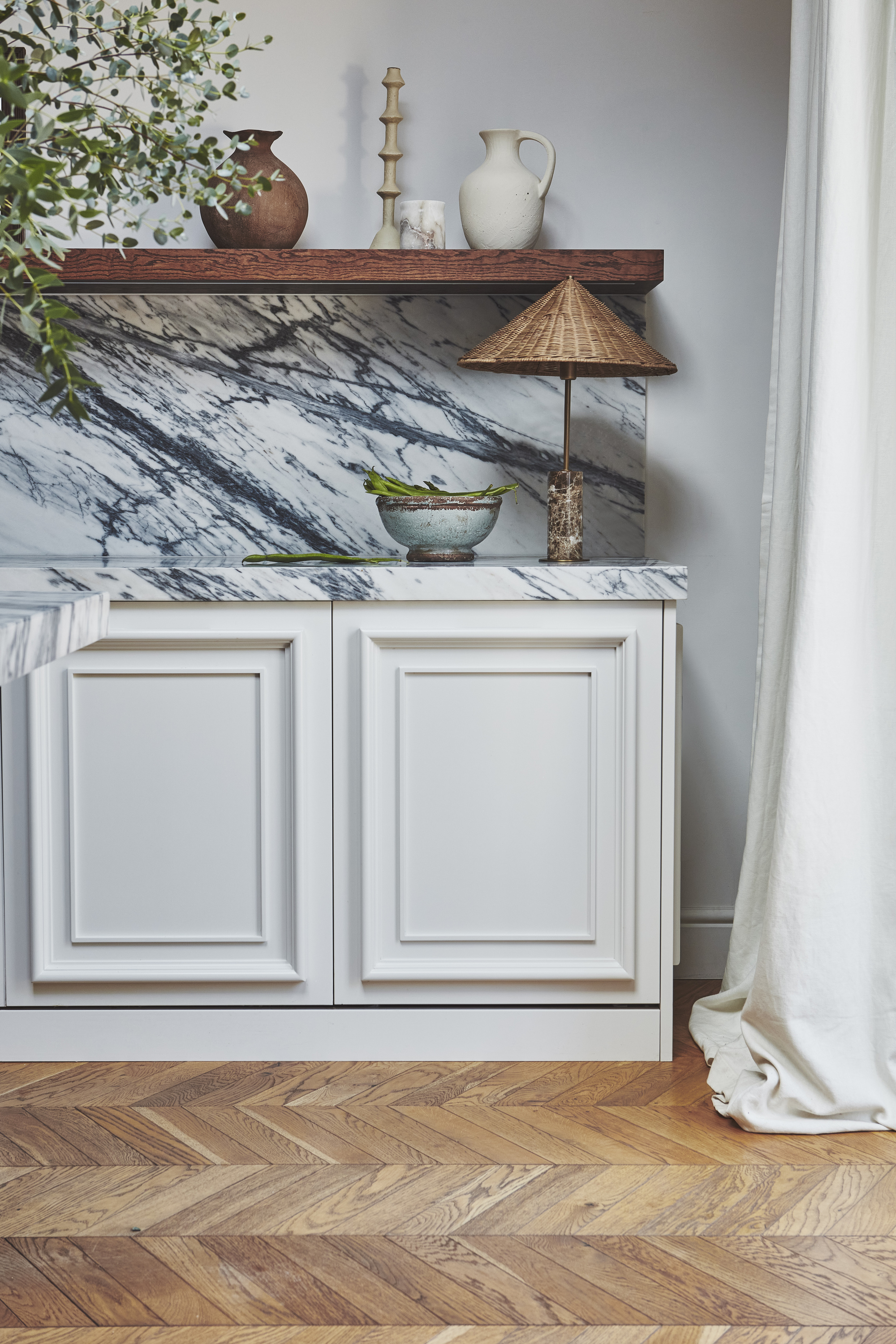
A common reason kitchens lack the serenity of other rooms is their absence of soft textiles and layered lighting. To create a space that feels warmer, more inviting, and ultimately less chaotic, introduce gentle, ambient light wherever possible. Lampshades, in particular, offer a softer alternative to harsh overhead lighting, casting a warm glow that brings depth and a more considered, lived-in feel to the kitchen.
Although kitchen lighting ideas have to be functional, there's no reason you can't incorporate some decorative lighting, either. "Countertop lampshades instantly make a kitchen space feel more homely and welcoming," says Magnus. "They draw the eye away from the more functional aspects of the kitchen, like the appliances, and give a sense that this is a space to sit, rest, and relax as well as cook and eat."
Portable, rechargeable table lamps are a go-to option, but don't stop there. "Under-cabinet lighting, decorative pendants, and dimmable fixtures also allow the space to transition from busy meal prep to relaxed evenings," Cathleen adds.
Wireless table lamps are a great choice for a kitchen. Add one to your countertop to soften the lighting and turn this busy room into a calmer corner of your home.
4. Embrace Curved Surfaces
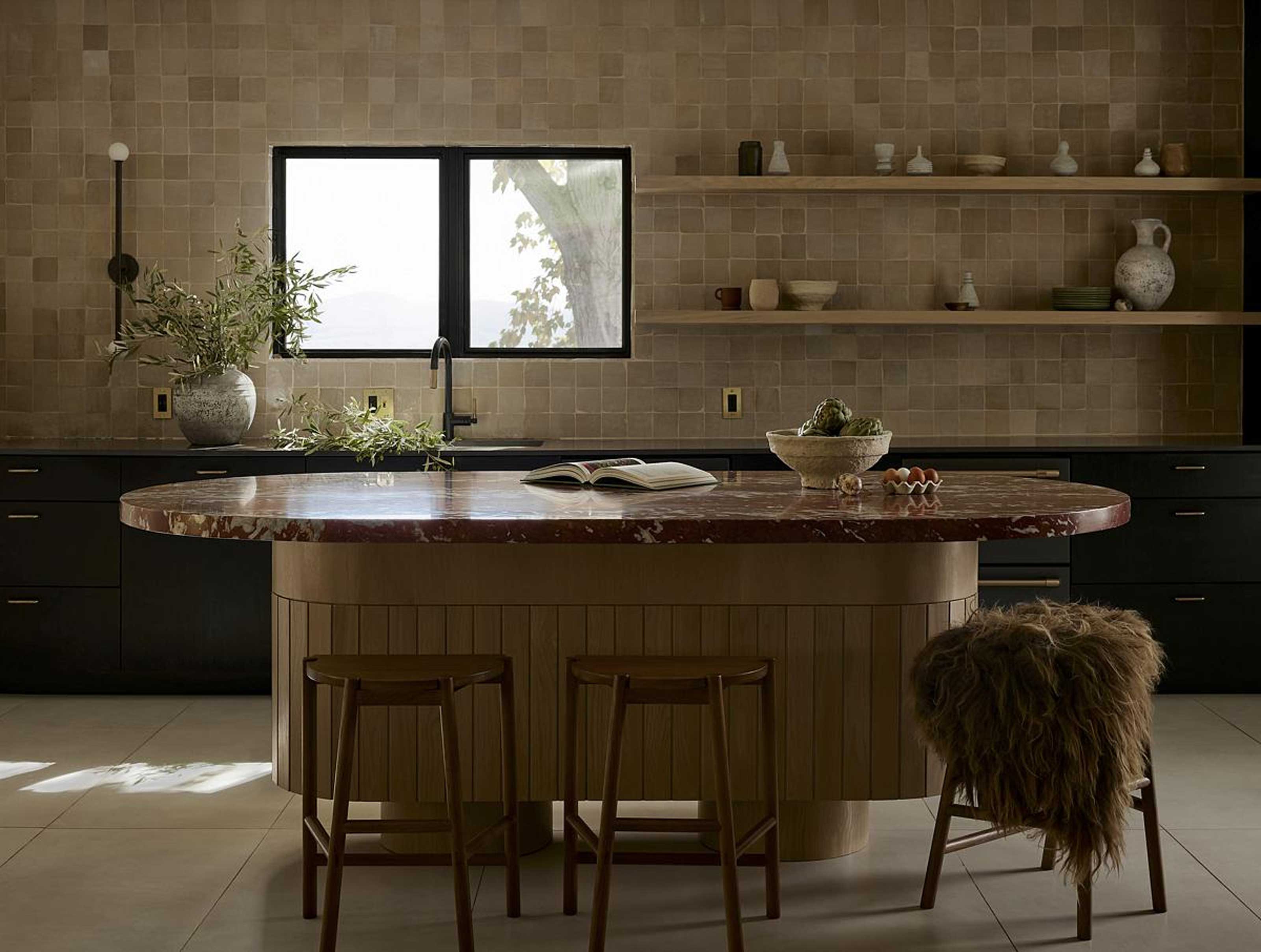
Curating a calm kitchen is all about reducing harshness. By nature, many of the room’s functional elements can feel quite angular, with sharp corners and hard lines dominating the space. To soften the overall look, introduce curved edges and gently rounded surfaces, which create a more fluid, continuous feel.
Christopher says that one of the easiest ways to create a sense of calm is to simplify the visual architecture of the room, with curved elements being a popular option. "Repeating elements like cabinet panels, open shelving, or evenly spaced sconces also helps guide the eye through the room in a gentle way," he says. "That sense of order can make a kitchen feel composed and balanced rather than chaotic."
The curved edges kitchen trend is perhaps most easily realized in an island. "We love one with a curved edge, ideally in leathered stone, which offers visual softness as well as a surface you are instinctively drawn to touch," says Amy. "For something with a more traditional sensibility, a double or triple bullnose edge can achieve a similar effect."
Aged metal finishes feel far less harsh in a kitchen compared to stainless steel. I love these cup handles from Cox & Cox, which also tap into the trend for curved kitchen elements.
5. Opt for Furniture-Style Elements
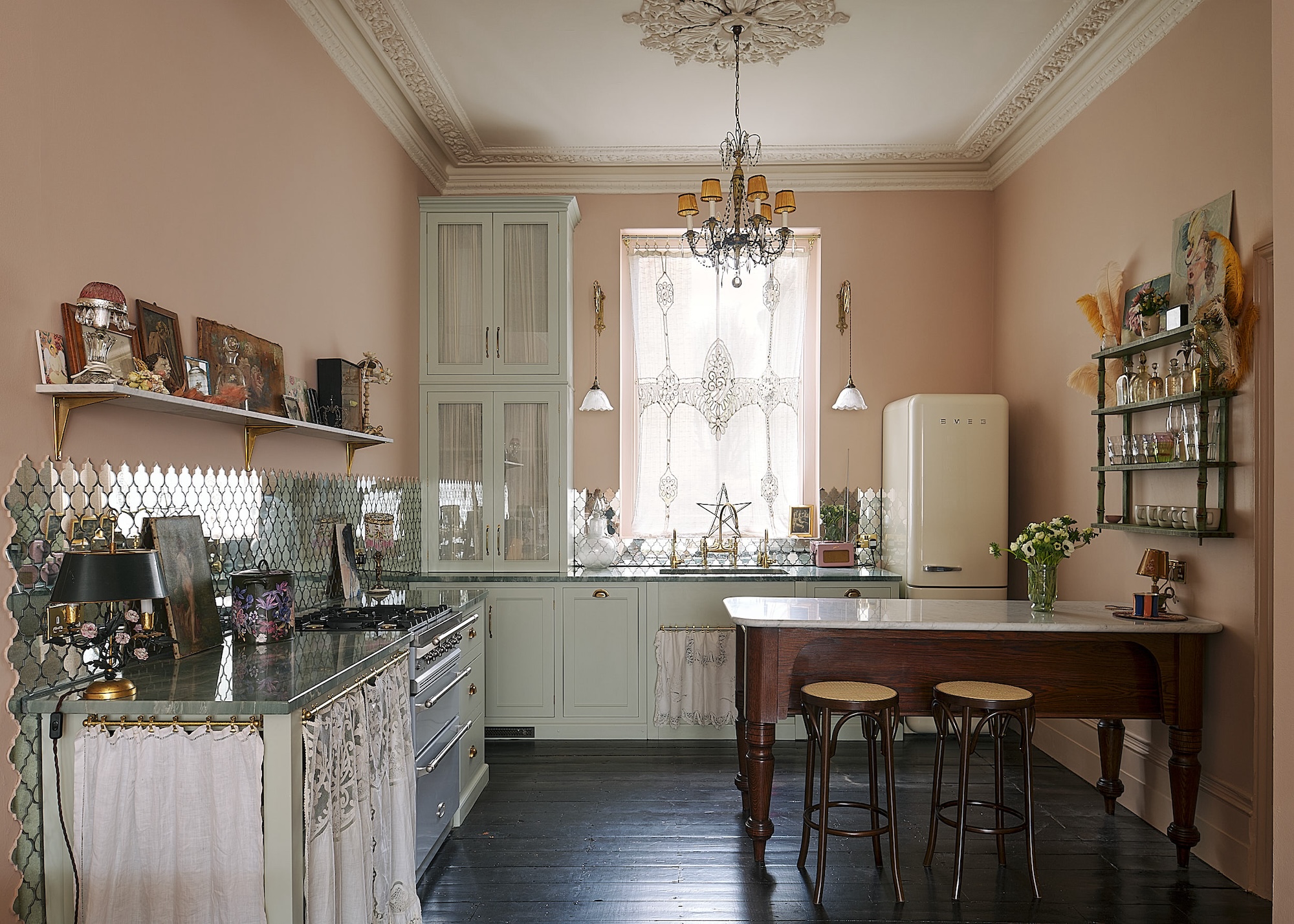
For a kitchen that truly feels calm, make it feel like a natural extension of the rest of your home. Furniture-style elements, such as a prep table or a freestanding cabinet, will help create the sort of homey, relaxing feel you crave.
As Cathleen notes, this design trick is all about softening the traditional kitchen aesthetic. "This might include a freestanding hutch, or open shelving styled with meaningful pieces," she says. "These touches make the kitchen feel more like part of the home rather than just a workspace."
Amy and the team at Blakes love to use a prep table as an alternative to standard kitchen island ideas. "An island raised on legs rather than sitting on a plinth immediately lightens the visual weight of the space, allowing light to travel freely beneath it," she explains. "There is also something inherently nostalgic and inviting about it, reminiscent of gathering around a farmhouse table, which lends a kitchen genuine warmth and ease."
Features that look like furniture, like this freestanding island, inject more character and personality into a kitchen, creating a space that feels homey, welcoming, and less utilitarian.
By dialling back visual noise, layering in softer elements, and embracing a more considered palette, you can transform even the busiest kitchen into a space that feels calm, balanced, and restorative. The result is a room that not only works hard, but feels quietly composed.
There are plenty of things you can do to make your kitchen feel more comfortable. As any interior designer will tell you, it’s simply a case of striking the right balance between practicality and peace, and these clever design tricks offer the perfect solution.
For more design ideas for your kitchen and beyond, why not sign up for the Livingetc newsletter?