If you were to ask a Doctor Who fan in 2011 if the venerable sci-fi franchise was the biggest fandom on the planet, the answer might have been yes. Before the MCU truly took hold in 2012, and well before Star Wars and Star Trek made their franchise expansions in 2015 and 2017, respectively, it seemed, for a brief time until after “The Day of the Doctor” in 2013, that Who was the sci-fi universe to beat. So what happened? A new insight from a longtime Who contributor might sum up exactly why the Disney+ era of the long-running TV travel series didn’t quite work out.
Minor spoilers ahead for Doctor Who Season 2 (2025).
Times have clearly changed since the 2010-2013 heyday of Who’s global dominance of geek culture. Despite the quality of the Peter Capaldi era, the mixed feelings about the Jodie Whittaker era, and the very mixed feelings about the all-too-short Ncuti Gatwa era, the future of Doctor Who isn’t the sure-fire geek hit it felt like it would always be, well over a decade ago. In 2023, when Who relaunched on Disney+ globally, it felt like the series was finally getting a mainstream boost: Bigger budgets, a new star who already had a crossover appeal to a non-sci-fi audience, and visibility on one of the most popular streaming services in the world.
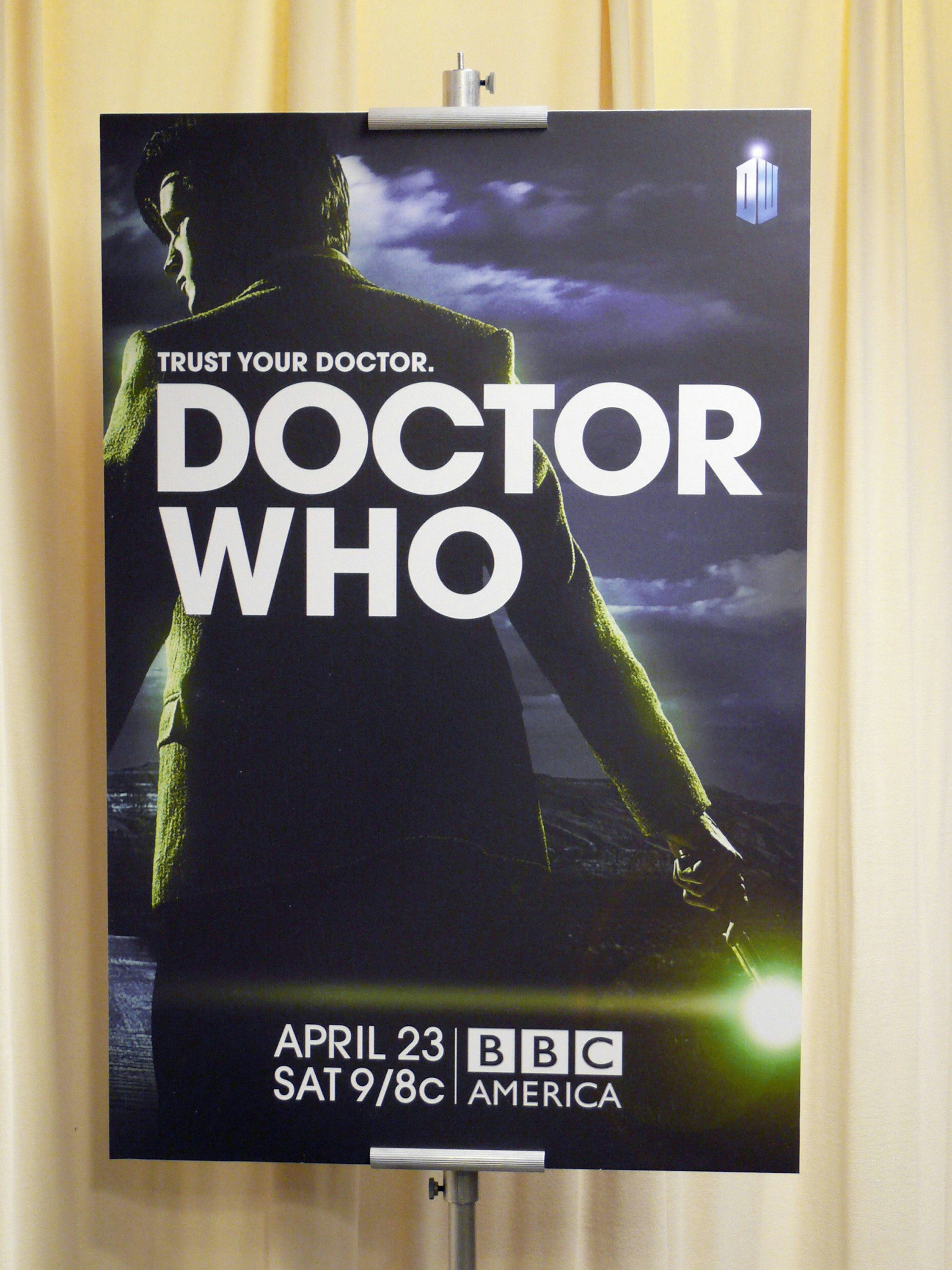
And yet, for all the momentum and good vibes from the Doctor Who relaunch (including a few near-perfect episodes), the Who renaissance was over before it even began. After the ending of “Season 2” in 2025, Disney ended its deal with the BBC, meaning that the future of Who is headed back to its scrappy roots. But why did it go down like this? According to longtime Who writer (and actor!) Mark Gatiss, the biggest problem was perhaps thinking of the show in a sprawling franchise context that it doesn’t belong in.
“It’s never going to be Star Wars,” Mark Gatiss recently said at a Radio Times event. “It [the recent seasons] looked great; the Disney money obviously did something. But in the end, it’s essentially a spooky show, it’s a weird show...when it tries to be like something else, it’s not Doctor Who.”
To be fair, the recent Gatwa era had plenty of deeply weird, very true-blue Doctor Who episodes. But, as the show has gone on, there has been a tendency for the universe-destroying stakes to be continually raised. In the final moments of Doctor Who’s rebooted Season 2 in 2025, “The Reality War,” the literal state of the “real” universe was at stake, and the Doctor even had to fight a massive skeleton alien, which was supposed to be the latest embodiment of a goofy, old-school Time Lord called Omega.
This could be a bit of what Gatiss is referring to: Instead of bringing back a wacky character like Omega as a fun actor with a strange costume, the show brought back Omega as a giant CGI monster that the Doctor had to fight, which felt, yes, more Star Wars or Marvel than Who.
But the other thing that Gatiss is talking about also connects to the studio and audience expectations of the brand. In this same brief interview, Gatiss mentions the moment in 1985, when BBC executive Michael Grade put Who on an 18-month-long hiatus, citing the idea that the show’s ratings were failing because audiences expected science fiction to be more like Star Wars.
So, what Gatiss is really driving at is the notion that historically, out-of-touch executives, whether its Grade in 1985, or folks at Disney in 2025, have a warped notion of what kind of massive audience Who should command. And, in fairness to everyone, part of that is because for a hot second, in the 2010s, it really felt like Who was the most important sci-fi franchise of the moment.
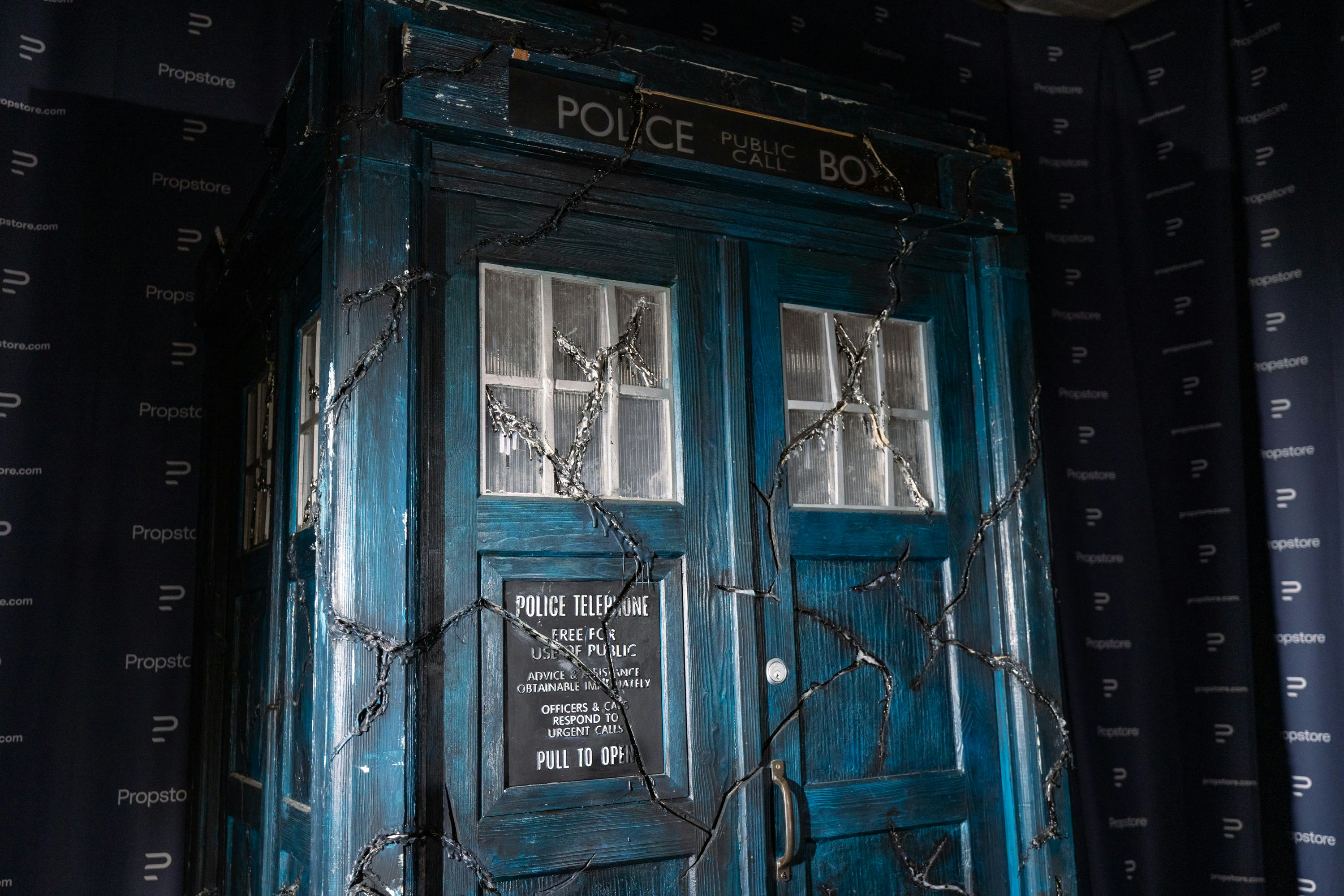
And yet, by its very design and format — a quirky traveler bouncing around the universe in a phone box — Who has always kept its epic tendencies on a smaller scale than an overt blockbuster like Star Wars. So the expectations for the viewership of something like that should, naturally, be adjusted.
Doctor Who isn’t a sprawling, big, sci-fi epic. It’s bigger on the inside. And that’s the difference.