
June marks the beginning of meteorological summer, but after last week’s heatwave, this week is set to bring much cooler and wetter conditions.
The Met Office has predicted spells of rain, possible thunderstorms, and some strengthening winds through much of the week.
We want to know why these dramatic weather changes can leave many people feeling unsettled, both mentally and physically.
Dr Lucy Hooper, London-based GP and co-founder of Coyne Medical, says one of the main challenges is that frequent temperature swings make it difficult for the body to properly acclimatise.
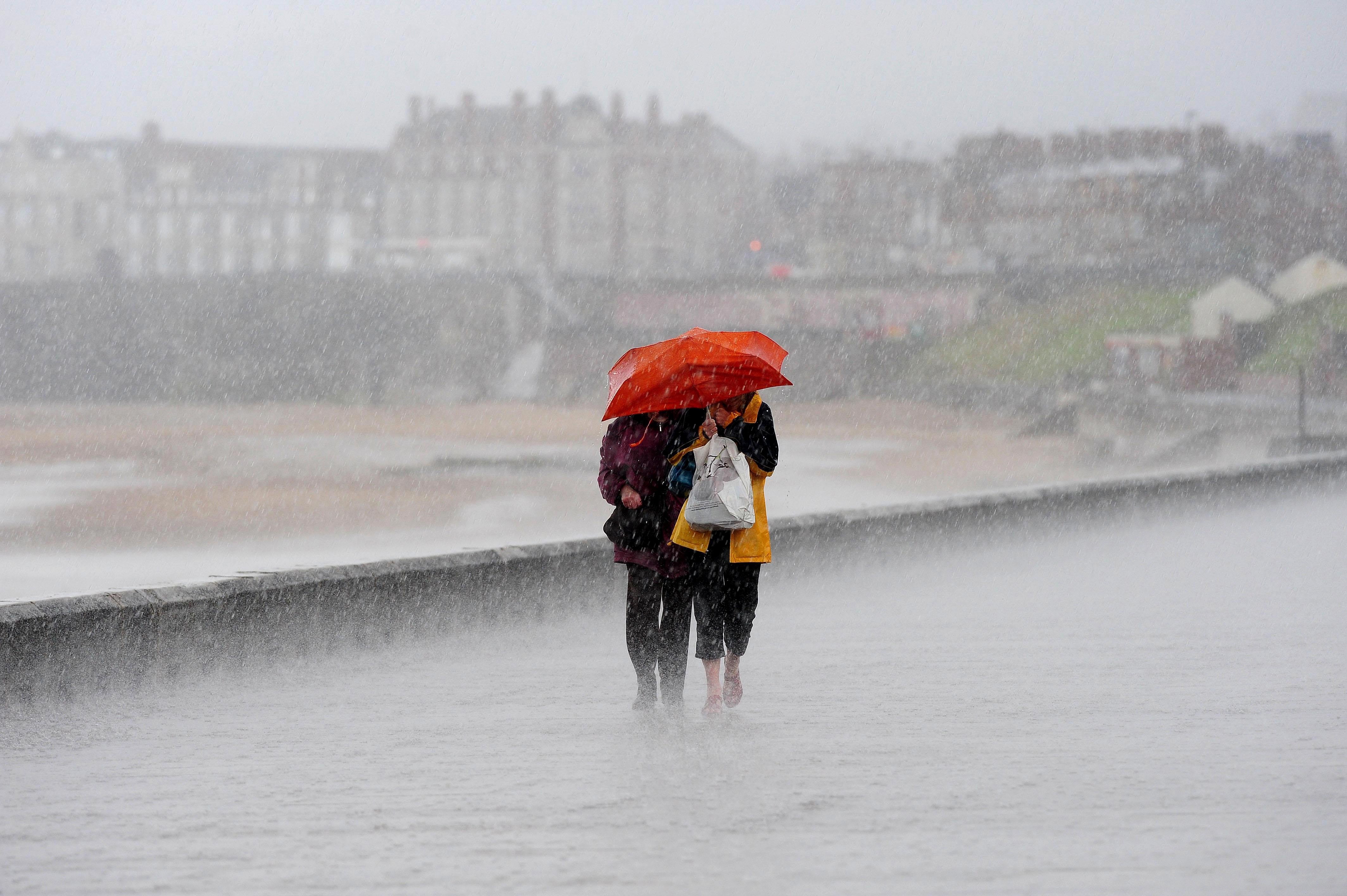
“I think the problem that we have in Britain is that because we get these hot spells followed by cold weather, it means we don’t get the chance to fully acclimatise to the weather,” says Hooper.
“In hotter countries people adjust their behaviour and their fluid intake, and also their bodies learns to adjust, but because we are frequently experiencing these very sudden changes of weather in the UK, we don’t really get that tolerance built in.
“It takes around seven to 14 days to really acclimatise to hotter climates, whereas we are seeing weather changes on a day-to-day basis at the moment.”
Hooper warns that increasingly unpredictable summers, characterised by alternating periods of heat and cool weather, may be more disruptive than sustained warm spells.
“It looks like we’re going to have lots of these summers where it’s hot, cold, hot and cold again, which is potentially more destabilising than just having four to six weeks of really hot weather because your body is continually trying to then find a new regulation, a new balance, and then suddenly everything changes again in the environment,” says Hooper.
Here are four ways fluctuating summer temperatures can affect both physical and mental wellbeing, along with some advice on how to minimise the impact on this….
1. Sleep
“Warm weather has a massive impact on our body, and one of the biggest impacts is on our sleep,” says Hooper. “Even moderate increases in temperature can make us lose out of some of the restorative sleep stages, which can have a really big impact on our overall health and wellbeing.”
2. Mood
Many people associate SAD (Seasonal Affective Disorder) with the colder, winter months, but it can impact people in the summer too.
“Lots of data shows that some people experience Seasonal Affective Disorder in the summer and rising temperatures can also have an impact on things like aggression,” says Hooper. “A lot of people become more stressed in the heat and there seems to be a link with rising temperatures and increasing crime rates and domestic violence rates.”
People often tend to change their routines.
“When there’s extremes of weather, we are more likely to cancel plans and not go outside or exercise which can have a big impact on our wellbeing,” says Hooper.
3. Immune system
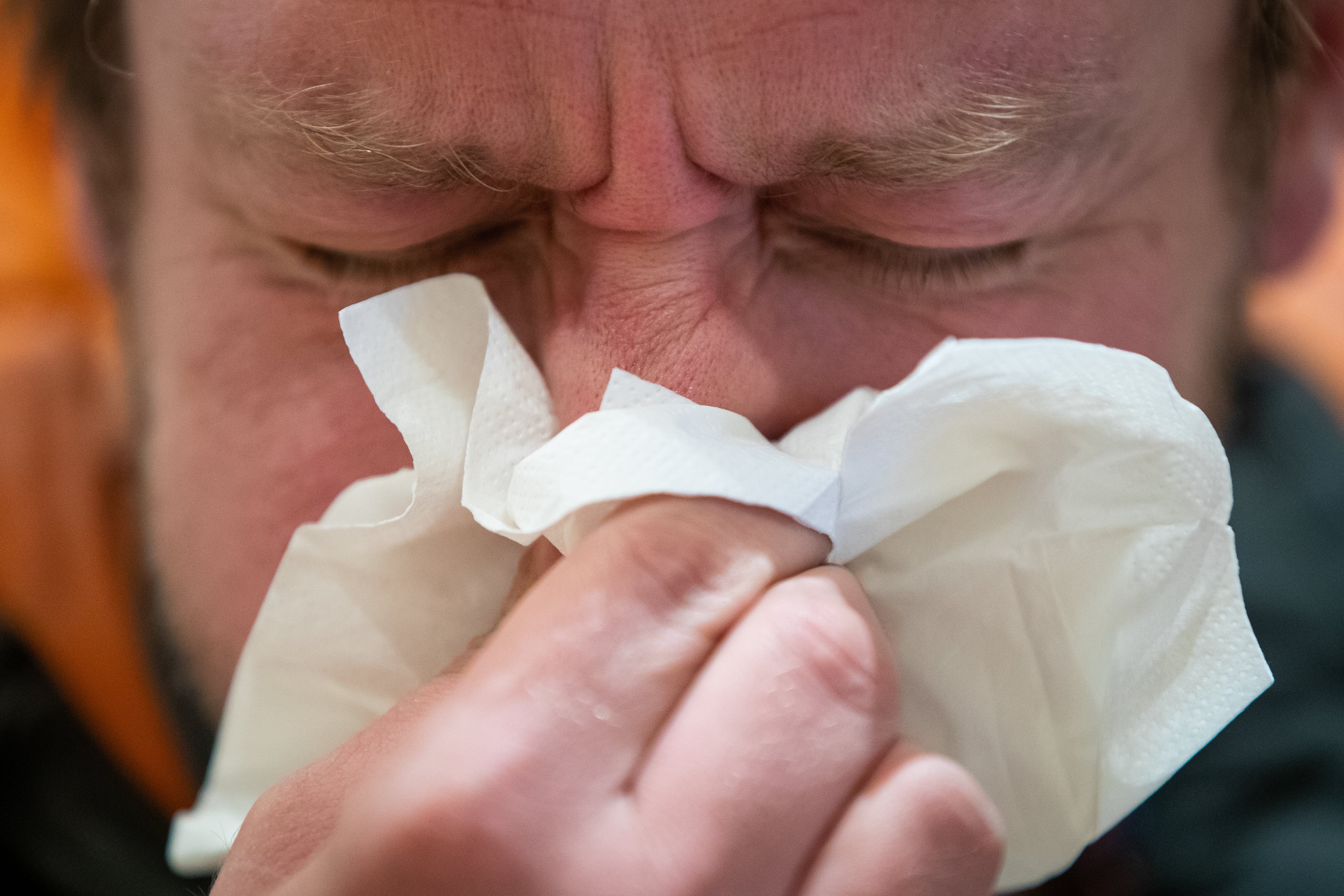
“Heat can definitely impact the immune system.” says Hooper. “You get more inflammatory signals and stress responses happening in the body, and then after a while if that maintains then the body often stops responding to those stress signals as a way of conserving energy.
“That’s why we think that if you’re in a lot of heat exposure, then your immune system might not respond as well as it usually does.
“When the weather gets cooler, there’s less stress on the body and therefore that should give an opportunity for your immune system to recover, but we know that responses to heat stress are not something that happens instantly as the temperature drops. It takes time for our body to recover from that stress and the impact is still felt for a little while later.”
4. Brain fog
“Hormone changes, such as cortisol and serotonin, in hot weather can affect our brain function in terms of things like memory, decision-making and energy levels,” says Hooper. “We know that even once the temperature is lower that people still seem to have some response to that. For example, brain function doesn’t seem to go back to people’s normal baseline straight away.
“This is especially the case in middle-aged and older adults where there seems to often be some prolonged dysfunction of their brain and neurological function.”
4. Cardiovascular system
“In hot weather, your heart rate goes up, your blood is pumping more and there’s more blood flow around the body, which can put more strain on the heart,” says Hooper. “Although that should all be relieved when temperatures fall, it doesn’t change immediately and there may still be some strain still felt after hot spells.”
However, there are a few things that you can do to counteract these effects.
“Good sleep is a big thing to prioritise,” advises Hooper. “Do what you can practically to help that happen, such as keeping your bedroom cool.”
She also recommends thinking about how the fluctuations in temperature might be impacting your wellbeing.
“If you are feeling more stressed or irritable or angry than usual, maybe there are some self care things you can do to take care of yourself so it doesn’t start negatively impacting you and your relationships.” says Hooper.
Staying hydrated is also crucial.
“Keeping hydrated is a really important and relatively simple thing that we can do,” recommends Hooper.
“In addition, make sure that you are still getting out and seeing people. Keeping to your regular routines as much as possible can also help you stay feeling well.”