“यदा यदा हि धर्मस्य ग्लानिर्भवति भारत।”
History is loud. Faith is quiet.
Kings arrived with armies. Empires expanded, fought, and collapsed. Cities changed names, borders moved, and power slipped from one ruler’s hands to another. Through all of this chaos, something fragile yet stubborn stayed alive a lamp lit before dawn, a chant whispered in silence, a temple door opened every morning as if nothing had changed.
These Vishnu temples did not survive because they were untouched. They survived because someone always returned. A priest. A devotee. A traveler. Someone who believed that even if everything else breaks, faith should not.
Stone cracked. Kingdoms vanished. But rituals continued. Bells rang. Offerings were made. Vishnu was remembered not as a distant god, but as a protector who stayed when the world refused to.
1. Badrinath Temple
Faith Preserved at the Edge of Civilization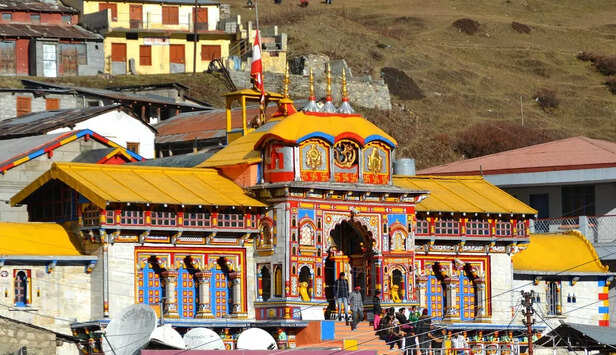
Badrinath stands in one of the most inaccessible regions of the Indian Himalayas, a geography that itself became its greatest protector. References to Badri Narayan appear in early Puranic texts, placing the sanctity of this site well before medieval history. The temple’s spiritual continuity was formally revived in the 8th century under Adi Shankaracharya, anchoring it firmly into pan-Indian worship.
During periods of invasion and political unrest across northern India, Badrinath remained largely untouched not because it was insignificant, but because it lay beyond the reach of imperial ambition. Yet survival here was not easy. Avalanches, earthquakes, and extreme weather repeatedly damaged the shrine.
What preserved faith was ritual continuity. Even when the physical structure was rebuilt multiple times, worship never ceased. Seasonal migration of priests ensured Vishnu’s presence remained symbolically active even during winter closures.
Badrinath proves that faith sometimes survives not through power, but through perseverance and isolation.
2. Tirupati Balaji Temple
A Temple That Outlived Its Kings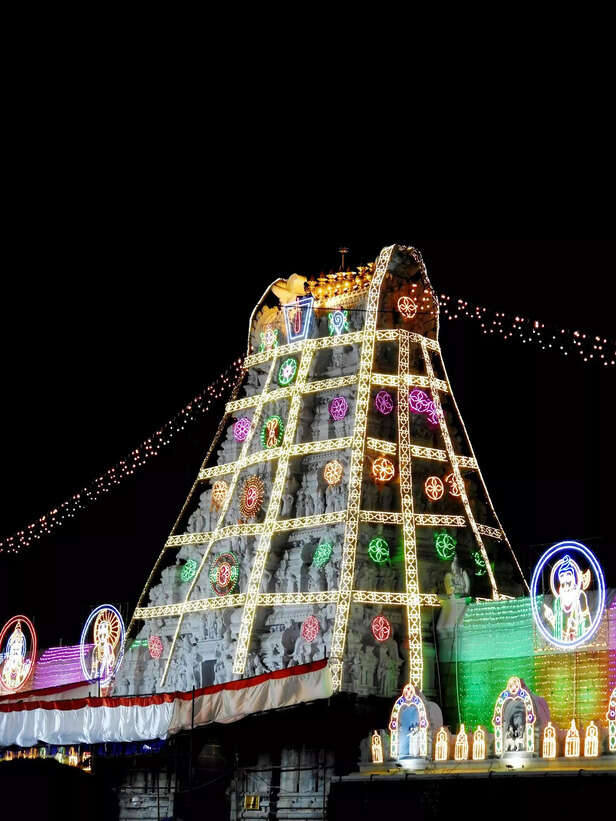
The Tirupati Balaji Temple has lived through the rule of Pallavas, Cholas, Yadavas, Vijayanagara emperors, and later colonial powers. Stone inscriptions dating back to the 9th century confirm its continuous ritual life despite frequent regime changes.
During invasions in southern India, especially in the late medieval period, temple wealth was often targeted. Tirupati survived because it evolved into a self-sustaining religious economy. Offerings from devotees replaced royal patronage, shifting power away from kings to collective belief.
The temple administration preserved ancient Vaikhanasa Agama rituals with precision, ensuring continuity regardless of who ruled the land. Even when political authority weakened, the spiritual authority of Lord Venkateswara only grew stronger.
Tirupati did not depend on empires. Empires eventually depended on Tirupati.
3. Ranganathaswamy Temple
Faith That Moved When Stone Could NotThe Ranganathaswamy Temple at Srirangam is among the largest functioning temple complexes in the world and one of the oldest Vishnu temples still in active worship. Its origins date back more than 1,500 years, with contributions from multiple dynasties.
During invasions, especially in the 14th century, the temple faced direct threats. Instead of surrendering, custodians transported the main deity across regions to protect it, maintaining worship wherever the idol rested. This mobility ensured that faith did not collapse even when the physical temple was compromised.
The temple later emerged as the epicenter of Sri Vaishnavism under Ramanujacharya, transforming devotion into a resilient philosophical movement. By institutionalizing belief, Srirangam ensured that even destruction could not erase doctrine.
Srirangam teaches that faith survives not by resisting change, but by carrying its essence forward.
4. Jagannath Temple
A God Who Survived by Embracing Impermanence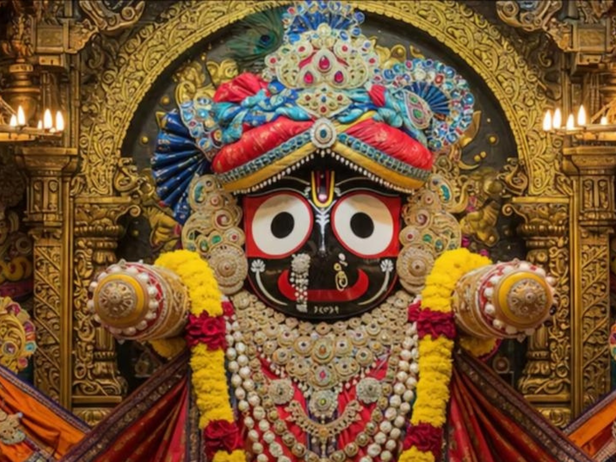
Built in the 12th century, the Jagannath Temple in Puri endured repeated invasions and periods of restricted worship. Yet it survived through a radically different philosophy of preservation.
Unlike stone idols, Lord Jagannath is worshipped in a wooden form that is ritually replaced during the Nabakalebara ceremony. This practice rejects permanence while reinforcing continuity. Even when invaders damaged structures, belief was never tied solely to material form.
The temple also resisted social fragmentation. Through the Rath Yatra, the deity steps outside the sanctum, meeting devotees directly. This inclusivity prevented faith from becoming elitist or isolated.
Jagannath survived empires by refusing rigidity. Change was not a threat. It was part of devotion.