
॥ श्रीरामदूताय नमः ॥
॥ अतुलितबलधामं हेमशैलाभदेहम् ॥
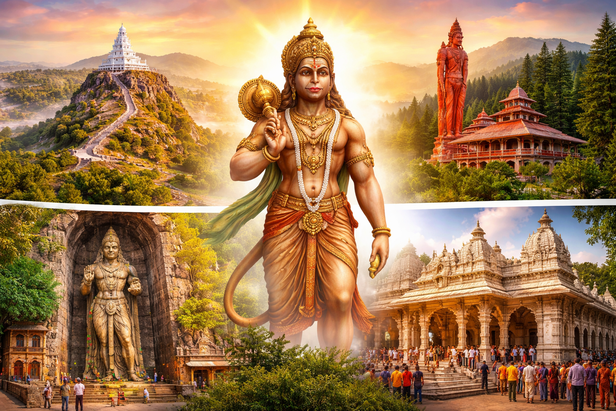
Some temples are not just places of worship. They feel like living witnesses to time itself. Across India, a few ancient Hanuman temples have stood through empires, invasions, forgotten dynasties, and changing faith practices. For more than a thousand years, devotees have continued to walk barefoot into these spaces with the same belief, the same folded hands, and the same quiet hope that Hanuman listens.
These temples are not remembered for architecture alone. They are remembered because something about them refuses to fade. Faith here does not feel inherited. It feels experienced.
1. Anjaneya Hill Temple
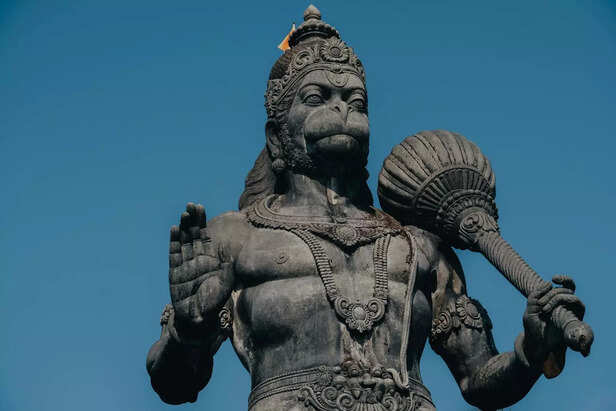
Rising from the rocky landscape of Hampi, Anjaneya Hill is believed to be the birthplace of Hanuman. Local tradition and ancient texts identify this hill as Anjanadri, named after Anjana, Hanuman’s mother. The region itself carries references from the Ramayana period and later inscriptions from the Vijayanagara Empire.
The climb to the temple is steep and deliberate. Each step feels symbolic. The absence of ornamentation shifts attention inward. This is a place where strength is understood not as physical power but as restraint, loyalty, and discipline.
What draws devotees here is the belief that unresolved life struggles slowly untangle themselves after sincere prayer. People speak of mental clarity returning, of courage appearing where fear once dominated, and of long delayed decisions finally becoming clear.
The temple’s age is not only measured by stone but by continuity. For centuries, pilgrims have climbed the same path seeking the same blessing. The belief is simple. When intention is pure, Hanuman responds.
2. Jakhu Temple
Perched on the highest point of Shimla, Jakhu Temple stands on land believed to be sanctified during Hanuman’s search for the Sanjeevani herb. According to local belief, Hanuman rested here while carrying the mountain, leaving behind an enduring spiritual imprint.
Historical references and oral traditions place worship at Jakhu Hill well over a thousand years old, long before Shimla became a colonial hill station. The temple has survived weather extremes, invasions, and urban expansion while retaining its spiritual gravity.
Devotees believe this temple holds a special energy for removing fear and restoring confidence. Many come here during moments of emotional collapse, professional stagnation, or deep anxiety. The quiet of the hill, combined with the presence of Hanuman, creates an atmosphere of calm resilience.
The temple teaches a silent lesson. True power does not roar. It steadies. It waits. It protects.
3. Namakkal Anjaneya Temple
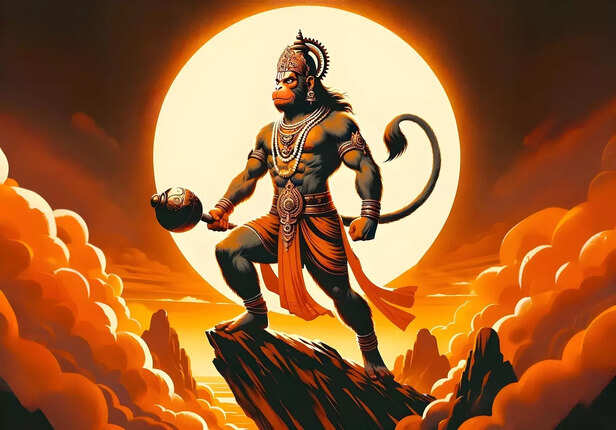
Carved directly from a single rock formation, the Namakkal Anjaneya Temple presents Hanuman standing in an open sky sanctum, towering yet composed. This monolithic form is believed to date back more than a thousand years, supported by regional temple records and longstanding Shaiva Vaishnava traditions.
Unlike many temples, Hanuman here faces Narasimha, symbolizing protection combined with restraint. The iconography reflects a balance between strength and surrender.
Devotees often associate this temple with protection from accidents, legal troubles, and sudden crises. The belief is that Hanuman here acts as a guardian, intervening quietly before harm manifests.
The temple’s enduring presence reminds worshippers that divine protection is not always dramatic. Often, it works invisibly, preventing storms rather than stopping them mid fall.
4. Mehandipur Balaji Temple
Among the most intense Hanuman temples in India, Mehandipur Balaji is believed to be over a thousand years old in worship tradition. The temple is deeply associated with healing rituals related to mental distress, unexplained suffering, and negative spiritual experiences.
Unlike typical temples, silence is enforced. Rituals are precise. Instructions are strict. The discipline itself is considered part of the healing process. Devotees believe Hanuman here does not entertain casual faith. He responds only to sincerity and inner honesty.
Stories of recovery from long standing psychological trauma, unexplained fear, and chronic unrest are commonly shared among pilgrims. While modern interpretations may vary, the unwavering belief of devotees has kept the temple spiritually active for centuries.
This temple reminds us that faith sometimes confronts before it comforts. And healing is not always gentle.
Why These Temples Still Matter
What binds these ancient temples together is not architecture, geography, or ritual style. It is consistency of belief. For over a thousand years, people have approached Hanuman here not as a miracle dispenser, but as a guide in adversity.
Hanuman represents disciplined strength, loyal service, and fearless humility. These temples continue to attract devotees because the challenges they address are timeless. Fear, confusion, ego, weakness, and doubt have not changed across centuries.
Perhaps the real miracle is not what happens after prayer. It is why people keep returning, generation after generation, trusting that a devoted heart still finds an answer.
If Hanuman is said to live wherever Ram’s name is spoken, then these temples stand as proof that devotion itself is a form of eternal presence.
And the question remains for every visitor.
Do miracles happen here because the place is powerful, or because faith, when sincere, always finds its way back to strength?