“या देवी सर्वभूतेषु शक्तिरूपेण संस्थिता।
नमस्तस्यै नमस्तस्यै नमस्तस्यै नमो नमः॥”
In the temples of India and Nepal, Devi is not always worshipped as a distant idol carved in stone. In some sacred spaces, she is treated as present, breathing, responding. The rituals are not symbolic alone. They are conducted with the conviction that the Goddess is alive.
This belief is not poetic exaggeration. It is embedded in centuries of practice, architecture, and living traditions. From caves where no idol exists to palaces where a child is revered as divine, these temples preserve an extraordinary idea: the Goddess is here.
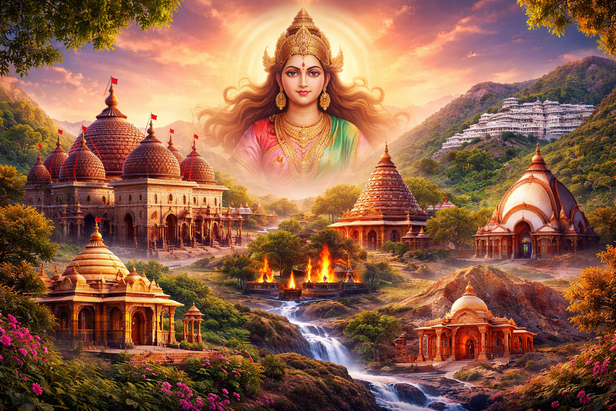
Here are four ancient temples where Devi is worshipped as a living presence.
1. Kamakhya Temple
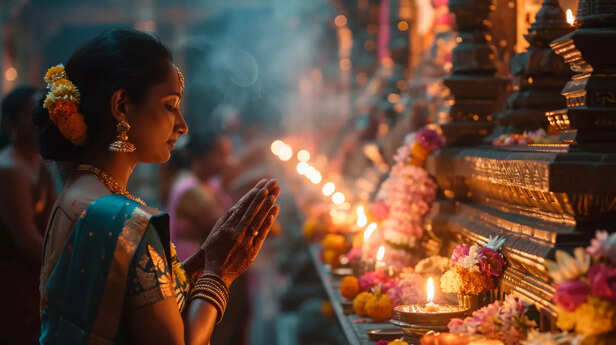
Perched on Nilachal Hill in Assam, Kamakhya Temple is one of the oldest Shakti Peethas, with references dating back to at least the 8th century. What makes it unique is that there is no traditional idol of the Goddess inside the sanctum. Instead, devotees worship a natural rock formation shaped like a yoni, symbolizing feminine creative power.
The most striking ritual occurs during Ambubachi Mela, held every year around June. For three days, the temple doors remain closed because it is believed that the Goddess undergoes her annual menstruation. When the temple reopens, devotees receive a small piece of red cloth as prasad, believed to carry her blessings.
This ritual is significant because it sanctifies biological processes that are often stigmatized. Here, fertility is divine. Nature itself is treated as the living body of Devi. The temple draws hundreds of thousands of devotees during Ambubachi, reinforcing the belief that the Goddess is not a concept but an active force tied to cosmic cycles.
2. Vaishno Devi Temple
Every year, more than 8 million pilgrims undertake the 13 kilometer uphill trek to the Vaishno Devi shrine in Jammu and Kashmir. The journey itself is considered part of the worship.
Inside the cave shrine, there is no sculpted idol. The Goddess is represented by three natural rock formations called pindis. These are believed to embody Mahakali, Mahalakshmi, and Mahasaraswati. The absence of a human shaped image strengthens the idea that Devi is not confined to form.
Devotees believe that Mata Vaishno Devi still calls her followers to the shrine. Many pilgrims say they feel invited rather than self motivated. Rituals are performed daily with strict discipline, including ceremonial bathing and decoration of the pindis.
The temple administration functions almost like a royal household serving a living queen. The Goddess is not remembered as a myth. She is treated as a present sovereign who listens and protects.
3. Kumari Ghar
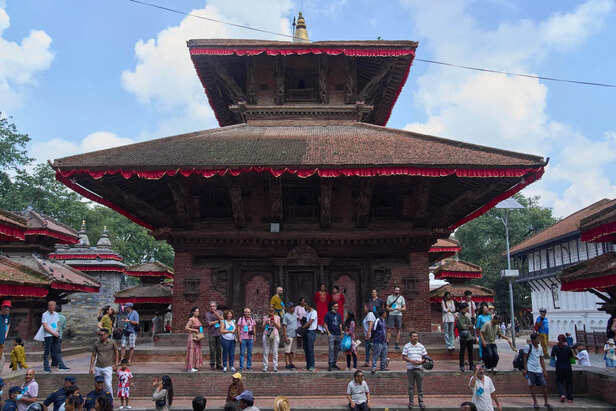
In Kathmandu, the idea of a living Goddess becomes literal. The Kumari tradition identifies a young prepubescent girl from the Newar community as the earthly embodiment of Goddess Taleju, a form of Durga.
The selection process is rigorous and based on ancient texts. The child must meet specific physical traits and astrological conditions. Once chosen, she resides in Kumari Ghar, a historic palace in Kathmandu Durbar Square.
She appears during major festivals such as Indra Jatra, when thousands gather to witness her procession. Even Nepal’s political leaders traditionally seek her blessings. The belief is clear: the Kumari is not acting as Devi. She is Devi until she reaches puberty, at which point another child is selected.
This living embodiment of the Goddess is a rare example in world religions where divinity is formally recognized in a human child. It transforms faith from symbolism into direct presence.
4. Meenakshi Amman Temple
The Meenakshi Amman Temple in Madurai is more than an architectural masterpiece. It represents a theological shift where the Goddess is not secondary but central.
Historical records and temple traditions describe Meenakshi as a warrior queen who ruled Madurai before marrying Shiva. Unlike many temples where the male deity dominates, here the Goddess is the presiding ruler.
Daily rituals follow a royal routine. She is ceremonially awakened, adorned, offered meals, and worshipped multiple times a day. During the annual Meenakshi Thirukalyanam festival, her divine wedding is reenacted with grandeur, drawing lakhs of devotees.
The structure of worship resembles courtly service. Priests attend to her as subjects would attend to a living monarch. This ritual continuity reinforces the belief that the Goddess reigns actively over the city even today.