
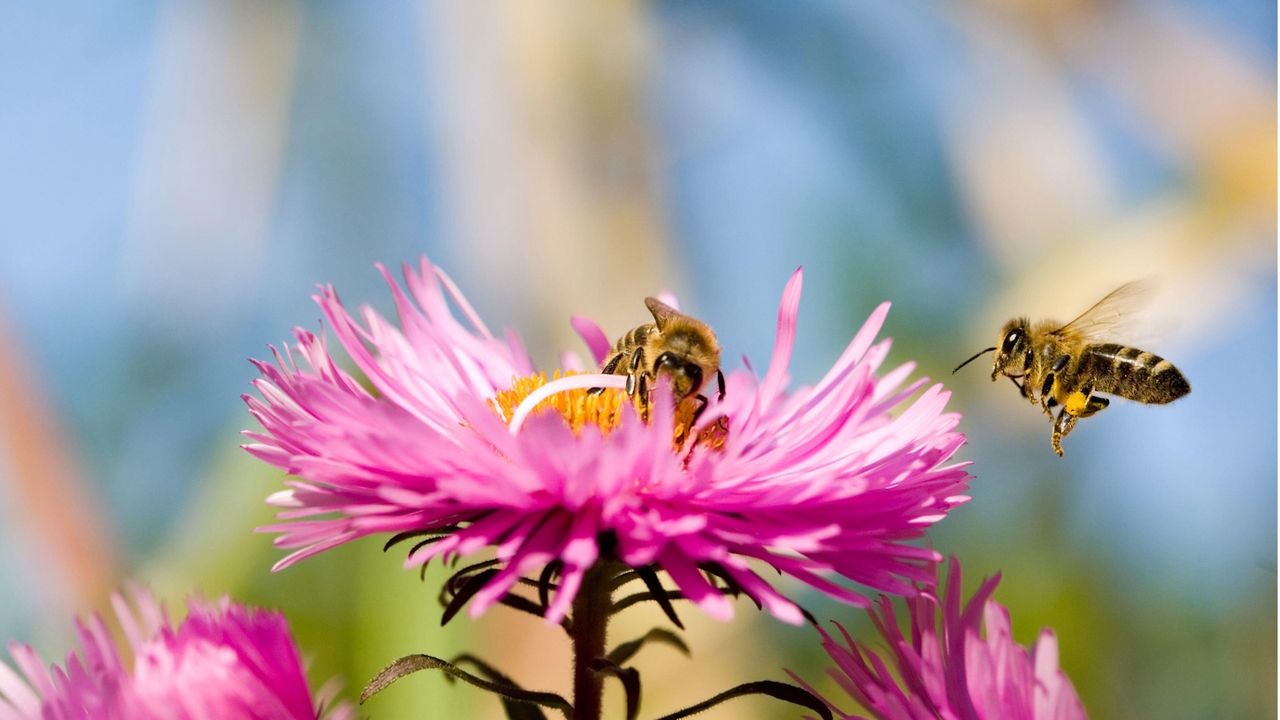
20 May marks World Bee Day, an opportunity to celebrate the pollinators working hard in our yards to maintain a healthy ecosystem. While we undoubtedly know how important they are for pollinating plants, there are also several hidden jobs bees are doing in your garden that you may not know about.
This goes for all types of bees, with the likes of mining bees helping to aerate soil and specialist pollinators ensuring the production of berries for other wildlife to feed on, for example. The truth is, there are so many things these adorable insects are doing in our gardens that go unnoticed. But, without them, our gardens would be sparser and quieter.
Intrigued to find out more? Here, pollinator experts tell all on three hidden jobs bees are doing in your garden.
1. Aerating Soil
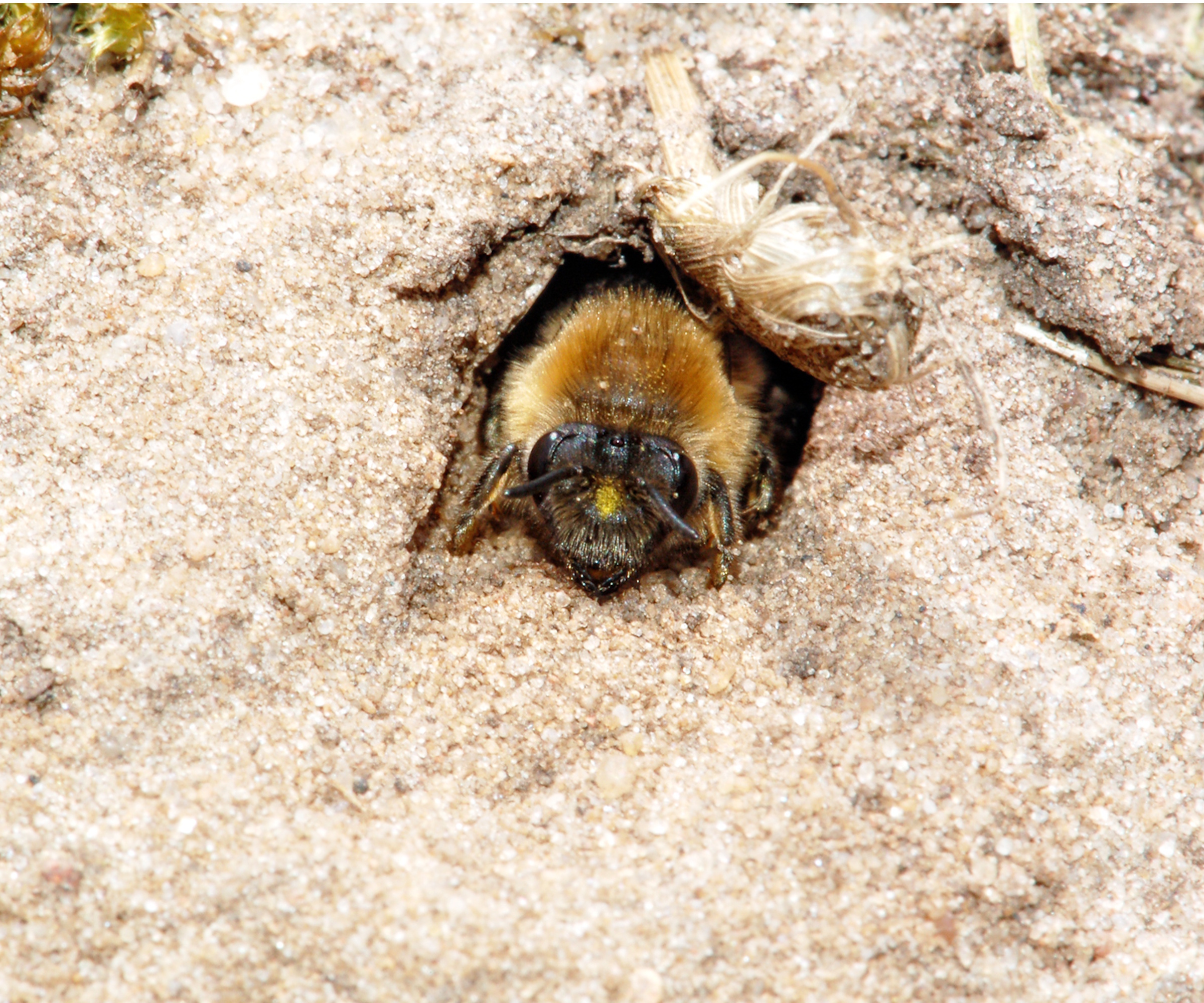
There are several bees that live in nests underground, rather than in hives. You'll be surprised at how much this habit helps soil health by improving drainage.
'Unlike honey bees, these native pollinators don’t live in hives or make honey. In fact, nearly 70% of bees nest underground, including gentle bumblebees that build their homes right beneath your feet,' says Jen Rose, founder of Bee Cups.
Mining bees are also a huge group that live underground, as their name suggests. If you look closely at the bare spots in your yard in spring, you might spot the perfect holes they drill.
'Far from harming your garden, these tiny tunnel builders actually improve it. As they dig, they naturally aerate the soil, helping oxygen reach plant roots and allowing rainwater to soak in more effectively,' Jen continues. 'The result? Healthier plants, better soil structure, and less surface water runoff after heavy storms.'
You can help these ground-nesting bees by providing undisturbed, sparse areas of the ground. In return, they'll help efficiently pollinate your garden – mining bees are thought to pollinate 15 times more flowers than honeybees in one day.
2. Attracting Wildlife
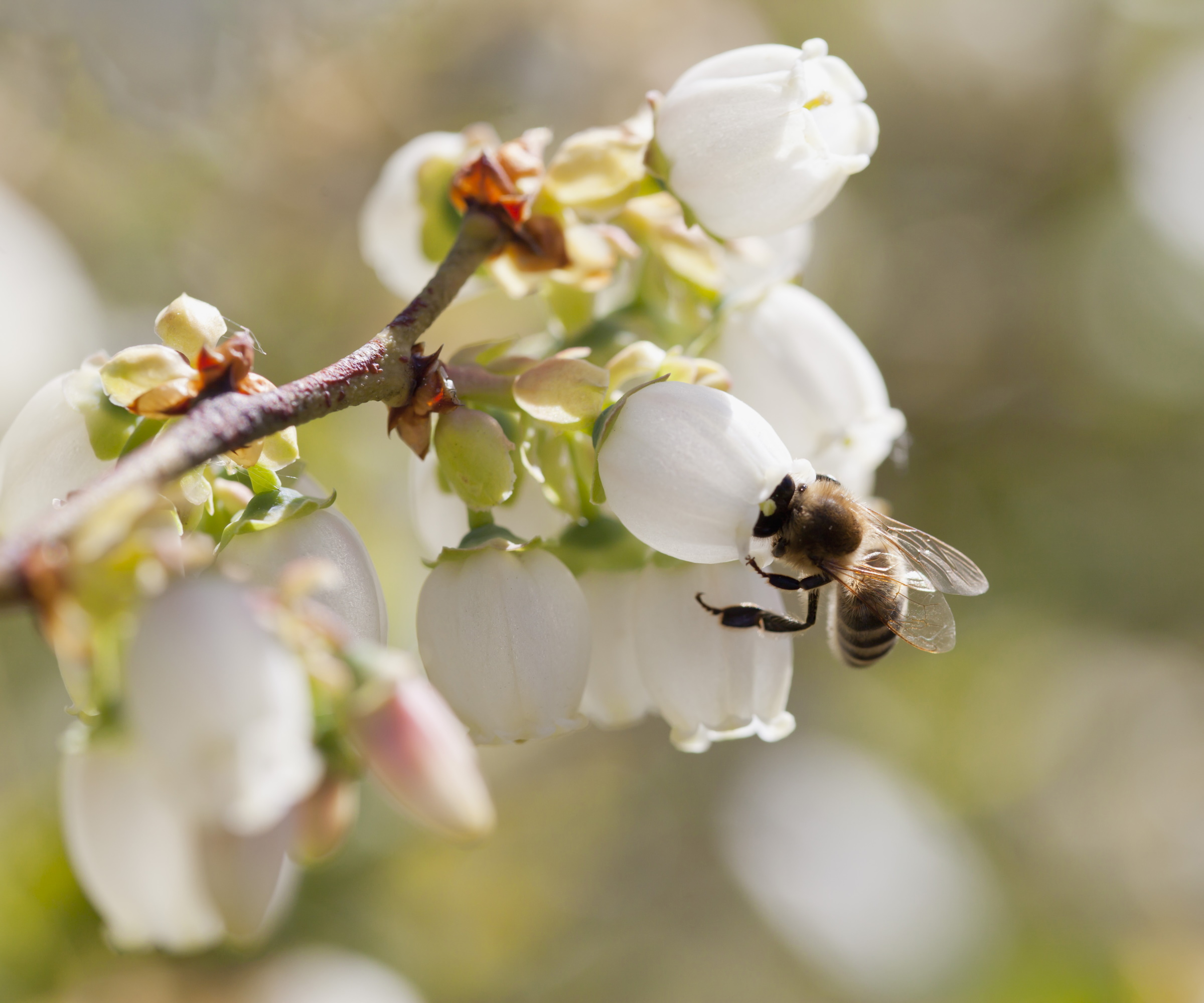
You may not realize it, but bees actually play a huge role in maintaining a wildlife garden and a balanced ecosystem. They help provide shelter and food sources for birds and small mammals.
'Without the bees, your plants wouldn't produce berries and seeds,' says Lindsey Chastain, homesteader and founder at The Waddle and Cluck.
'Birds and squirrels are drawn in by those tasty treats, so are many beneficial insects. Without the bees, that wildlife wouldn't be supported,' she explains.
This is especially true for the wildflowers and native plants that feed birds in winter with lots of seeds and berries.
'The seed production also help those plants to spread,' Lindsey notes.
Growing lots of nectar-rich plants for pollinators, including scattering this mix of pollinator wildflower seeds from Burpee, is the best way to offer bees support in this role.
3. Recycling Plant Material
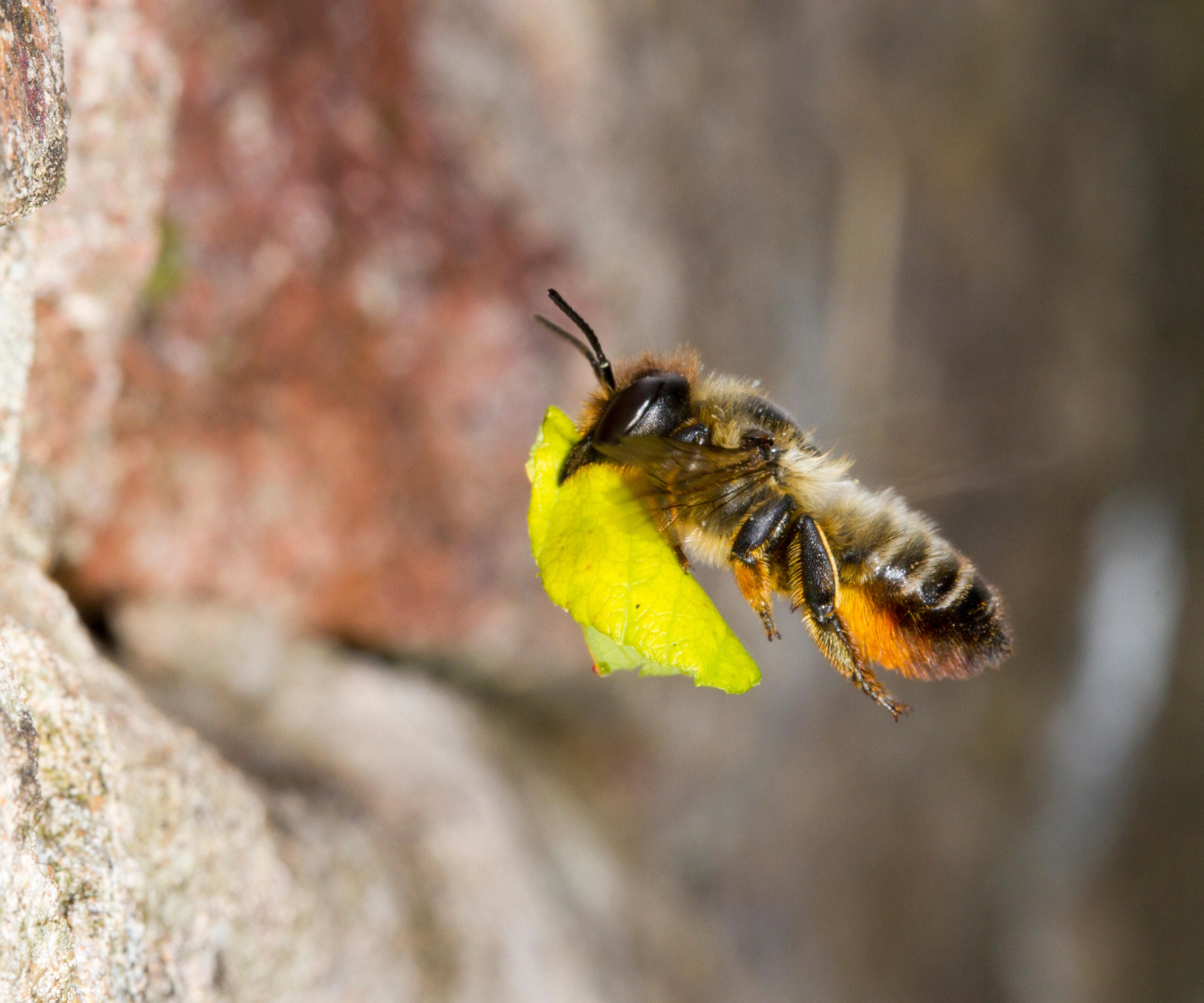
Bees are incredibly resourceful when building their nests. Many species use plant materials found in the garden, which is part of a natural cycle in which plant matter is repurposed.
For example, leafcutter bees are solitary bees that cut neat circular or oval pieces from leaves to line their nests.
Other bees, including some mason bees and stingless bees, collect sticky plant resins to seal their nests and help protect them from moisture.
In return, these bees are highly effective pollinators, helping flowers produce seeds, fruits, and vegetables.
You can help them by leaving piles of fallen leaves, not cutting back perennials and leaving dead hollow stems. Essentially, delaying a spring clean-up goes a long way in providing resources for bees to work with.
What to Shop
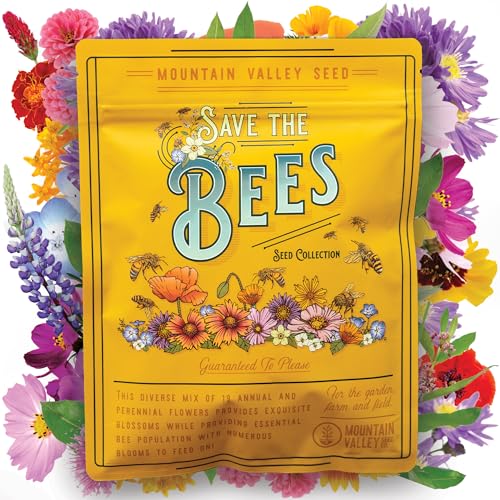
This wildflower mix has 19 non-GMO nectar-rich varieties for bees. Sprinkle them somewhere sunny and in well-draining soil.
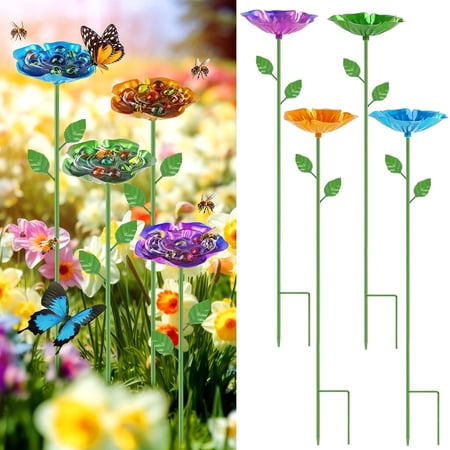
These pollinator watering stations can be inserted in flower borders and filled with water for bees and butterflies.
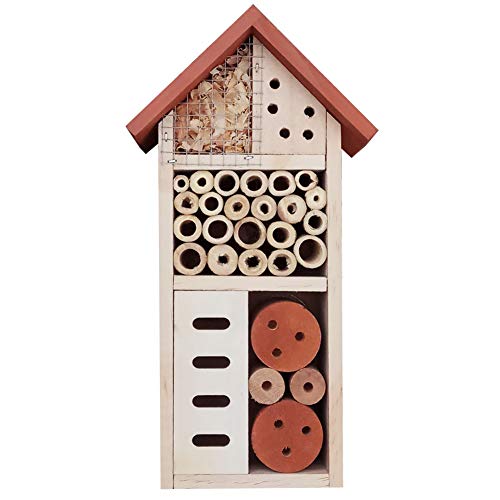
This bug hotel has multiple cavities for bees and other beneficial insects to find refuge in.
If you're keen to encourage more bee activity in your yard, then consider growing the flower colors that attract bees, including purple plants. Likewise, you can attract bees to your garden by not using pesticides and providing a safe water source.
If you love inspiring garden ideas, outdoor advice, and the latest news, why not sign up for our newsletter and get the latest features delivered straight to your inbox?