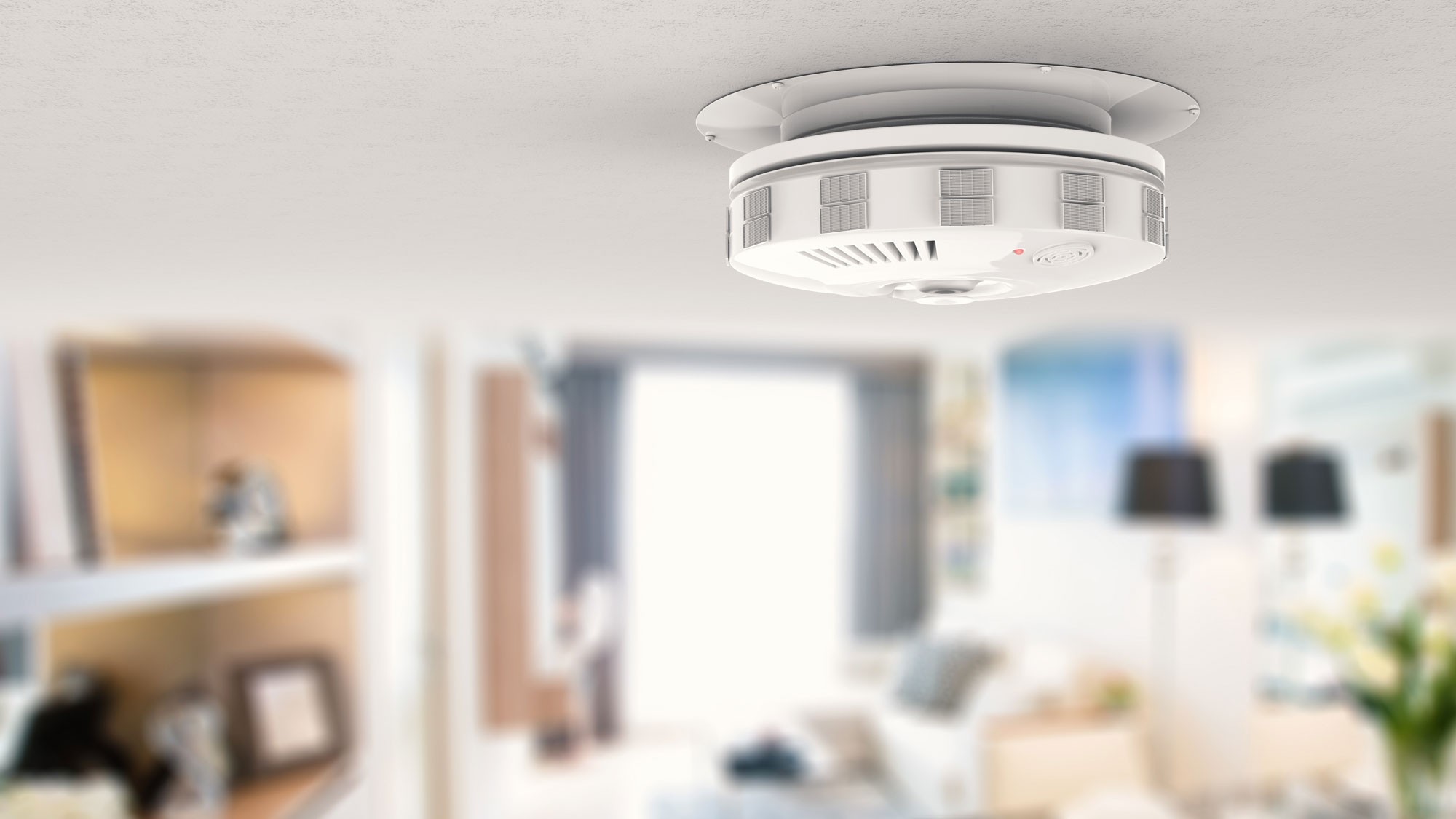
I've been kitting out my apartment with the best smart home devices. While I've added a variety of smart contact and motion sensors, I didn't have it in me to shell out $149 for the excellent Nest Protect (the best smart smoke detector we've tested). I've just recently installed a basic Kidde detector and it works perfectly fine.
That said, this got me thinking of ways I could still monitor my home for smoke and carbon monoxide dangers when I'm out. Traditional flood and smoke alarms have loud sirens which can save you in an emergency. Unfortunately, they only alert you to a problem if you're home to hear them. Smart Wi-Fi sensors connect to the internet and can send you phone notifications on emergencies from floods to carbon monoxide leaks. Keep scrolling for three easy and affordable ways to connect your existing smoke detector to your smart home.
Use your existing smart speaker (free)
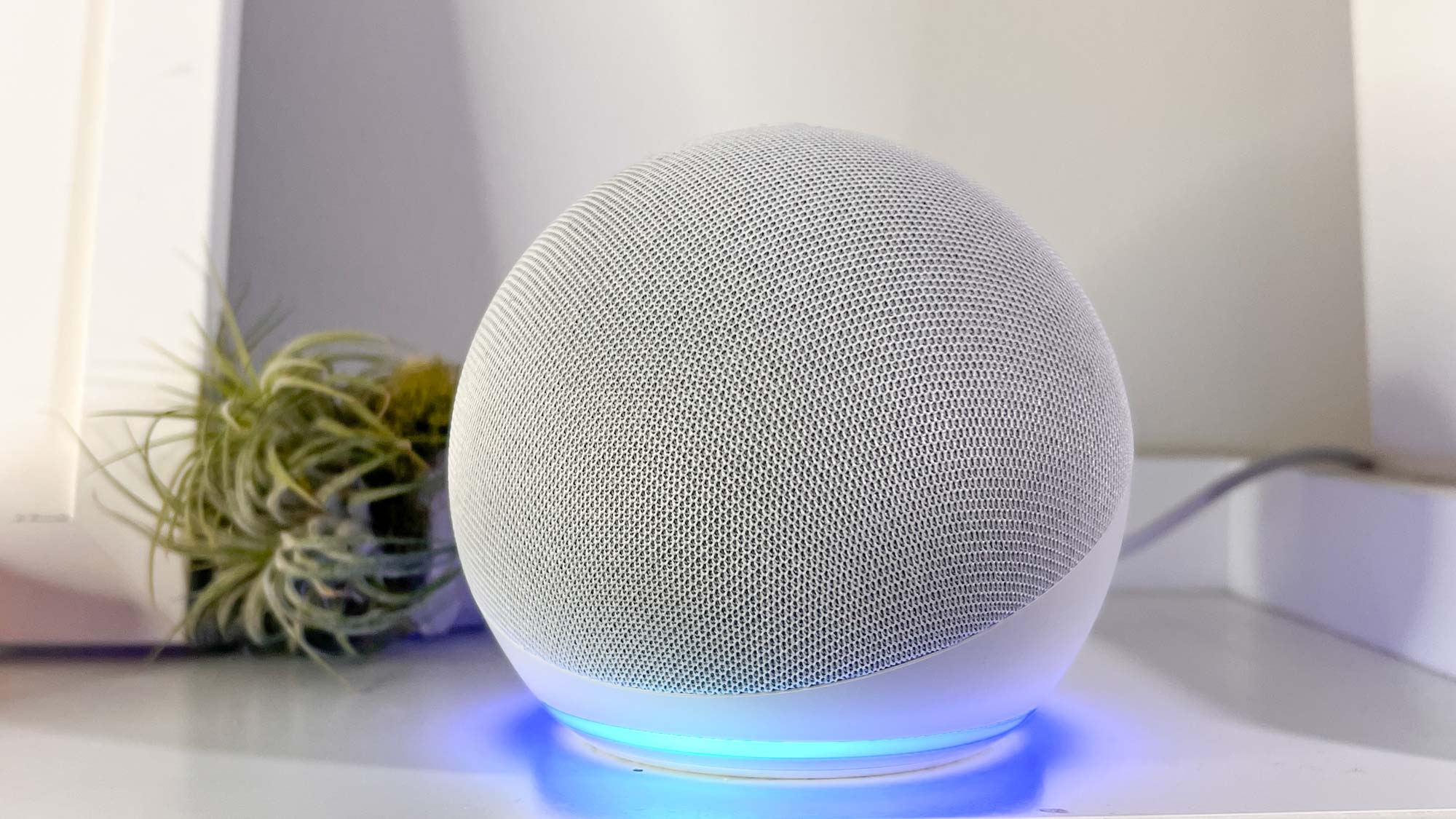
The best smart speakers can recognize the frequency of an alarm and send a notification to your phone if it goes off. You can create a routine that uses the "listen for beep" automation trigger with an Amazon Alexa speaker to receive an alert even while away. This can even kick off automated smart home actions like flashing lights and making an announcement free of charge. If you pay $59 for a year of Alexa Emergency Assist your Echos will passively listen for alarms or breaking glass at all times. This service provides a better experience as it not only notifies you but also pops up with a button to send emergency services to your home immediately.
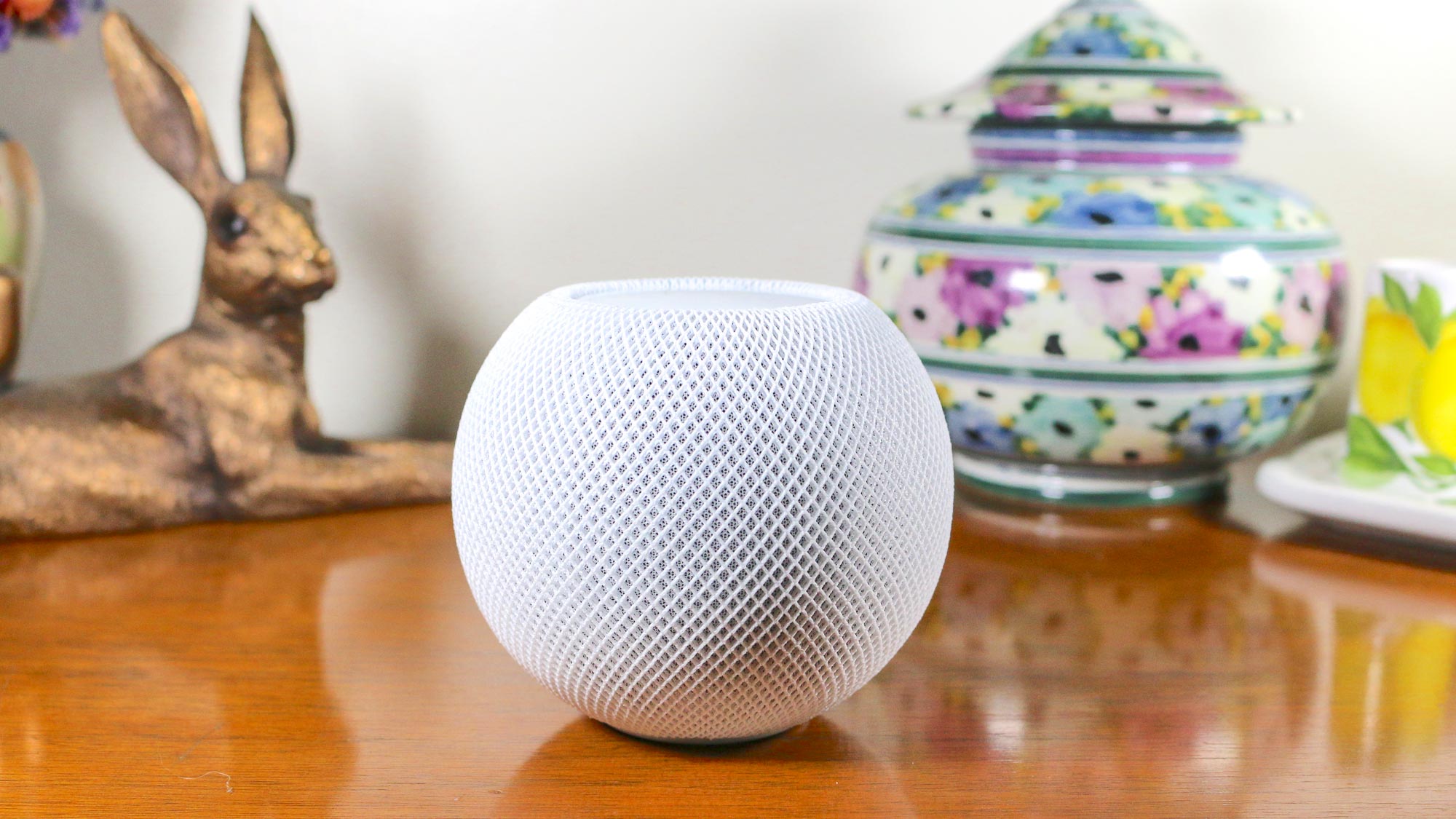
Apple HomePod's free Sound Recognition feature detects the frequency of a smoke or carbon monoxide alarm in your home. It then alerts you by sending a notification to your Apple Watch, iPhone, or iPad. You can then tap the notification to check in and make sure everything is all right. To access this feature you just need to click the menu icon in the top left corner of the Home app's main screen. Scroll down to the list of device categories, select Safety & Security > Sound Recognition, and toggle Smoke & CO Alarm on.
Google's smart speakers and displays also recognize alarms and breaking glass provided you pay for a subscription. There's no free monitoring tier like with the options above. Nest Aware will cost you a minimum of $8 per month. It's a solid deal for those in Google's smart security camera ecosystem because it also provides expanded video storage and features like facial recognition.
Wi-Fi Alarm Smoke & Co. Listening sensor (under $30)
There are other options if you don't have or want to deal with a smart speaker. You can get a smart listening sensor like this one from Xsense ($29, Amazon). This gadget accurately listens out for specific alarm tone frequencies to prevent false alerts and works with every system. Just place it within a foot of your existing detector and it'll passively listen out for sirens.
Once triggered the Xense app will send a push notification to up to 12 different users. That way everyone in your household will be alerted to any dangers and can check up on your home. Other manufacturers like Ring make listening sensors but are harder to recommend for most people. That's because they often require you to have their equipment or an active subscription.
Security camera (under $50)
The $35 Wyze Cam v4 ($35, Amazon) earned a spot as one of the best security cameras we've used for its advanced features. Beyond its AI subject tracking and facial recognition, it can detect alarm sounds and notify you immediately. This alarm sound detection feature is usually reserved for premium security cameras by Arlo, Eufy, and Google's Nest Cam. This all-in-one budget security system is the reason I use Wyze Cams in my own home.
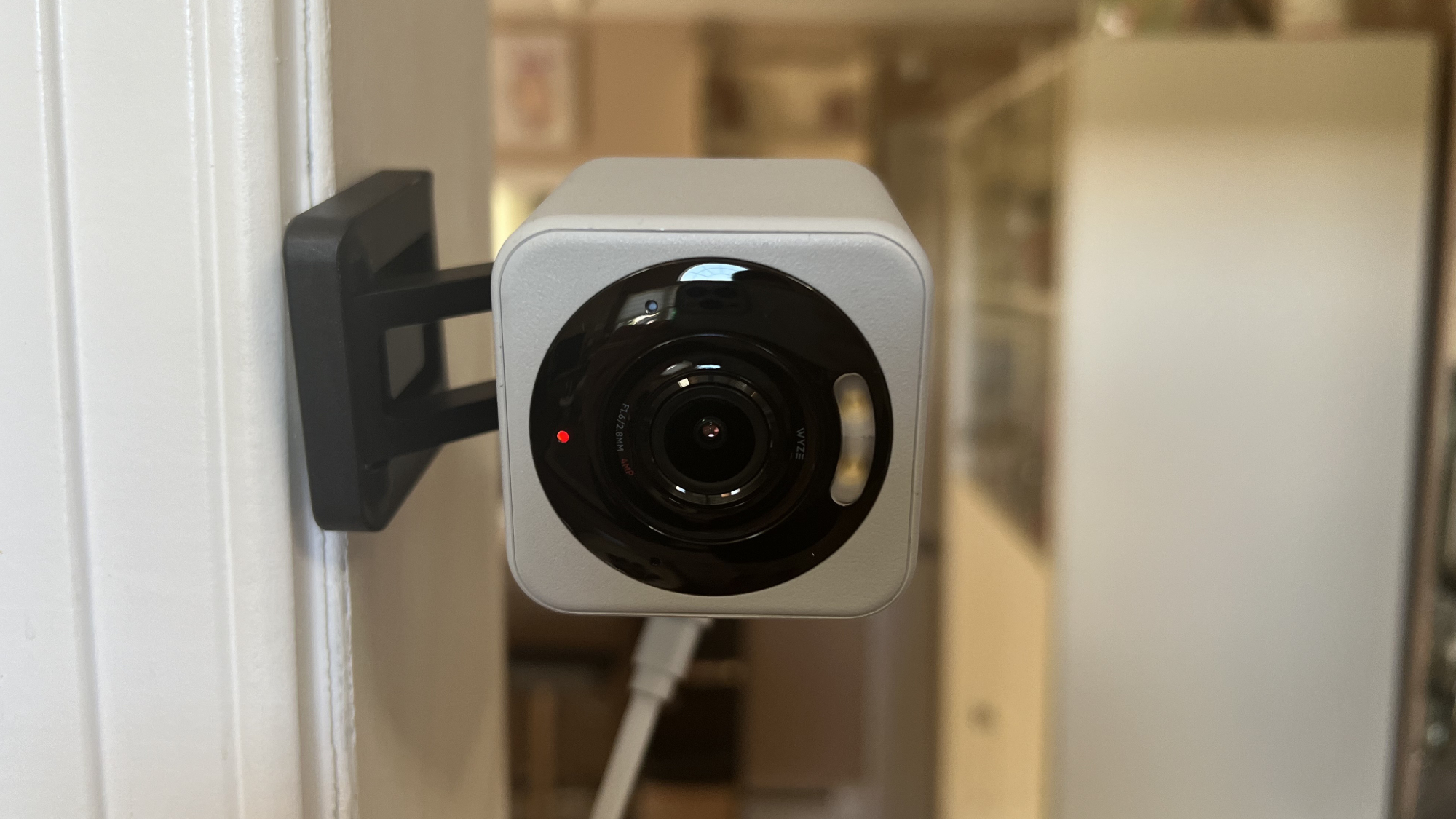
I pay just $3.99 a month to turn my camera into an alarm complete with 24/7 live monitoring that can dispatch emergency services for me even if I don't check my phone. That way I can see into my home, have a live agent call for emergency services if someone breaks in, and even get a notification if my smoke and CO detector is going off while I'm out.