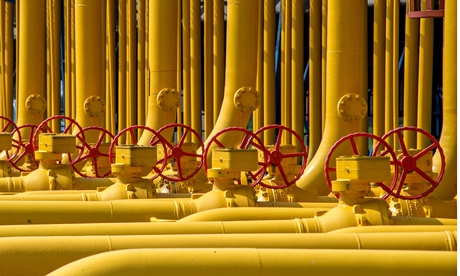
As we approach the end of 2014, we can look back on an important year for our energy networks – the wires and pipes of our energy system, which deliver gas and electricity around the country and into people’s homes and businesses. Over the last 12 months the profile of our networks has risen in line with the wider energy sector, as public and political scrutiny has fallen on energy costs.
At a time when people are paying more for their energy, it is right that all parts of the bill are properly scrutinised and accounted for. The attention on energy prices has been welcomed by our network companies, which have a strong record of lowering costs and improved performance since privatisation in 1990.
The cost of building, maintaining and operating vital gas pipes and electricity wires makes up around 23% of the average duel fuel energy bill, with costs projected to remain flat into the next decade.
Crucially, the cost to customers over the coming years will remain low against a backdrop of increasing investment in our networks.
That investment will be vital to the UK’s transition to a low carbon economy. Energy regulator Ofgem predicts that our networks will require £32bn of investment over the coming decades – a 75% increase in current asset value. Not only will that money be required to upgrade ageing infrastructure, much of which was built in the 1950s and 60s, but it will also allow for the growth of our network to connect new sources of low carbon energy generation.
This investment will not simply be a case of replacing like for like. The UK’s transition to a low carbon economy will require our networks to adapt to accommodate fluctuations in supply from wind and solar sources, as well as increased demand from the electrification of heat and transport, and the introduction of ‘green gas.’ Meeting these challenges at the same time as keeping costs to consumers as low as possible will require a new approach to how we build and operate our network and a move towards a smarter grid, which is already underway.
The smarter network will use advances in communications technology, automation and data monitoring to move away from a passive network which takes energy in one direction, towards a more efficient, intelligent grid.
In recent years the regulation of UK networks has radically transformed to allow for the kind of innovation which will be necessary for the delivery of a smart grid. Under the new RII0 (revenue = investment + innovation + outputs) framework, gas and electricity network companies will have clear incentives to explore new technologies and working practices, as well as financial awards to fund specific smart projects.
The Energy Networks Association’s Smarter Networks Portal is an online repository for all of the fascinating innovation projects underway in our sector, and offers a great insight into how the energy system of the future will operate. It is testament to the fact that our networks have become the most innovative part of the energy industry in recent years, and will play a crucial role in overcoming the challenges of delivering secure, affordable and sustainable energy in the years to come.
David Smith is chief executive of Energy Networks Association
Content on this page is paid for and provided by Energy Networks Association, one of the sponsors of the Big Energy Debate.