

Your brain ever feel like it’s running twelve tabs, three pop-up ads, and a background download all at once? Overthinking has a way of hijacking your peace, spinning tiny worries into full-blown mental tornadoes before you’ve even finished your morning coffee. The good news is that you don’t have to become a meditation guru or retreat to a mountaintop to calm your mind quickly.
Small, practical mindfulness habits—used consistently—can slam the brakes on spiraling thoughts faster than you think. Let’s dive into the ones that actually work and feel good doing.
1. Focus On What You Can Physically Feel
Bringing your attention to your senses snaps your mind out of its mental loops and anchors you to reality. When you intentionally notice the weight of your feet on the ground or the feeling of your shirt against your skin, your brain stops obsessing over imaginary scenarios. This habit is powerful because it interrupts rumination with something concrete. Even five seconds of sensory awareness can jolt you into presence. It’s the mental equivalent of switching off a noisy fan you didn’t realize was running.
2. Name The Thought, Not The Emotion
When your mind spirals, labeling the thought itself—“That’s a worry about money” or “That’s a fear of failure”—creates just enough distance to stop the emotional flood. It removes the drama and makes the situation feel manageable rather than monstrous. Naming thoughts gives you clarity, and clarity shuts down chaos. This simple trick turns your brain from a runaway narrator into a neutral observer. And once you see a thought objectively, it loses most of its power.
3. Breathe In Patterns, Not Randomly
Breathing is great, but patterned breathing is transformational. When you breathe in four counts, hold for two, and exhale for six, your nervous system receives a “stand down” signal. Overthinking thrives on adrenaline and tension, and patterned breathing starves it of both. Within thirty seconds, your mind begins to soften, quiet, and settle. It’s like an internal reset button disguised as oxygen.
4. Do A 30-Second Object Scan
Grab any object near you—a pencil, a cup, a keychain—and study it intensely for half a minute. Notice the texture, tiny imperfections, shadows, weight, and shape. Your focus shifts from abstract worries to something real and harmless. This breaks the pattern of mental spiraling by replacing it with curiosity. When your attention stabilizes, your mind naturally stops churning.
5. Ask Yourself “What’s Happening Right This Second?”
Overthinking is almost always about the imaginary future or the exaggerated past. Asking this question instantly snaps your focus to the current moment. Usually, what’s happening right now is simple—you’re sitting, breathing, reading, existing. Realizing the present moment isn’t nearly as stressful as your thoughts calms the body and interrupts panic. It’s one of the quickest grounding methods you can use anywhere.
6. Speak To Yourself Like A Friend, Not A Critic
Self-talk matters more than people realize, especially in moments of spiraling. When you shift your internal voice from harsh to supportive, your nervous system relaxes. Encouraging self-talk diffuses mental storms instead of feeding them. The habit of asking, “What would I tell a friend?” immediately reduces pressure and fear. Over time, this rewires your default response to stress into something kinder and calmer.
7. Let A Thought Finish Instead Of Fighting It
Ironically, resisting a worry often makes it louder. Letting the thought play out—without feeding it—helps your brain process it and move on. This habit keeps the thought from bouncing around unaddressed in your mind. You’re acknowledging it without letting it take over. The more you allow thoughts to pass through, the less they grip you over time.
8. Use Micro-Meditations Throughout The Day
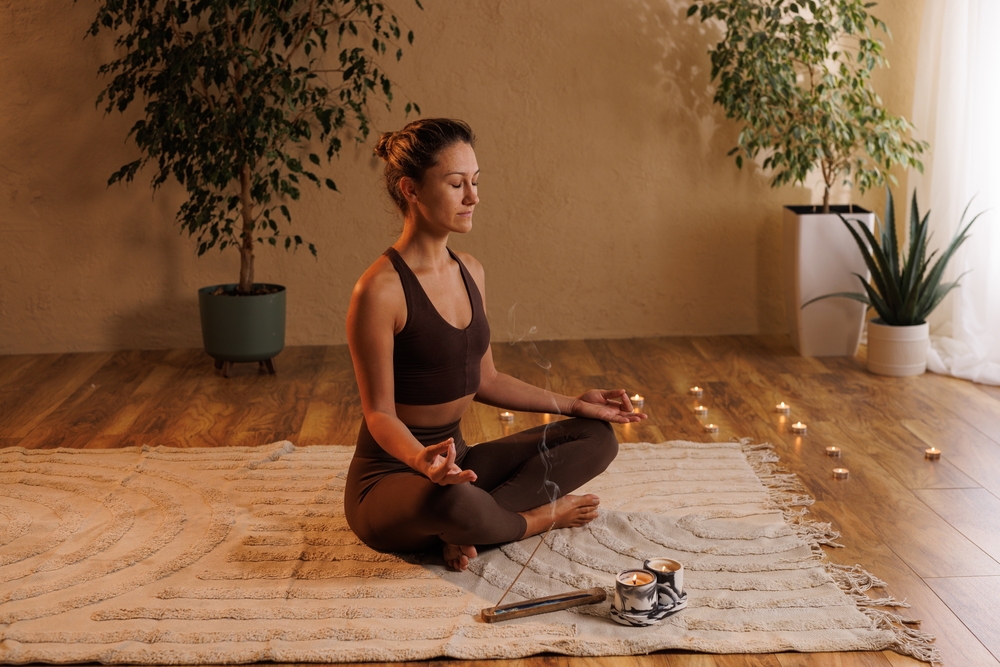
You don’t need twenty minutes or a meditation cushion to quiet your mind; you can calm yourself in ten seconds. Micro-meditations are quick, intentional pauses that give your brain a moment to reset. Whether you pause to feel one breath or pay attention to a single sound, the effect is surprisingly powerful. These tiny moments build mindfulness muscle quietly in the background. The more you practice them, the faster your mind calms when stress hits.
9. Redirect With A “Single-Task” Break
Overthinking multiplies when you juggle too many things at once. Switching to a single, simple task—like washing a dish or putting away one item—breaks the cycle. This creates an instant win and a sense of control. Your brain loves small accomplishments because they signal stability and safety. Once you reset with one task, the mental fog begins to clear.
10. Practice Intentional Pauses Before Reacting
Overthinkers tend to jump straight into analyzing, planning, and predicting. A deliberate pause forces space between thought and reaction. That tiny gap is where logic, calmness, and clarity live. Practicing pauses trains your brain to think smarter, not harder. Over time, these pauses become instinctive and protect you from spiraling.
11. Give Your Brain A Specific “Worry Window”
Scheduling your worries sounds strange, but it works shockingly well. Limiting worry to a set period teaches your brain to stop producing intrusive thoughts all day long. When a worry pops up, you mentally file it for later, which prevents spiraling in the moment. Often, by the time your “worry window” arrives, the thought feels irrelevant or smaller. This habit gives you control over your thinking instead of letting your thinking control you.
12. Notice One Beautiful Thing Every Day
Beauty is grounding—it interrupts chaos with awe. When you intentionally look for something beautiful, you train your brain to shift from fear to appreciation. This daily practice strengthens your ability to redirect your attention naturally. It also softens your overall mental tone, making overthinking less likely. A single moment of wonder can quiet the loudest inner noise.
Quieting Your Mind Is A Habit, Not A Mystery
Overthinking feels overwhelming, but it’s incredibly responsive to small, consistent mindfulness habits. The more you practice awareness, presence, and intentional pauses, the faster your brain learns to calm itself. These habits are simple, but together they create a powerful toolkit for mental peace. Your mind doesn’t have to be your enemy—it can become your quietest ally.
What mindfulness habits have helped you the most? Share your thoughts, stories, or experiences with others below.
You May Also Like…
8 Risks Hidden in Basic Money-Mindset Advice on TikTok
13 Health Habits Retirees Need to Drop Immediately
7 Reasons You Should Validate Your Partner’s Emotions for a Stronger Relationship
8 Social Norms Psychologists Say Backfire Emotionally
10 Signs You’re Too Nice for Your Own Good
The post 12 Mindfulness Habits That Quiet Overthinking Fast appeared first on Everybody Loves Your Money.