
Winter may have arrived, but your garden doesn’t have to hibernate completely. December is the perfect time to roll up your sleeves and tackle small but crucial chores that will make your spring planting smoother, healthier, and far less stressful. Even in the cold, there are tasks you can do to protect your plants, improve your soil, and set yourself up for a season of flourishing blooms and lush greenery.
By giving your garden a little attention now, you can actually enjoy the excitement of spring instead of scrambling to catch up. Let’s explore twelve essential chores that make December the unsung hero of garden maintenance.
1. Inspect And Protect Winter Plants
Even hardy winter plants benefit from a quick check every few weeks. Look for frost damage, signs of disease, or any stressed leaves that need removal. Adding mulch around the base of perennials and shrubs helps retain warmth and moisture during cold snaps. Consider using burlap or frost cloths for delicate plants that might struggle in harsh weather. Taking these steps now prevents larger problems when temperatures plummet further.
2. Clean And Store Garden Tools
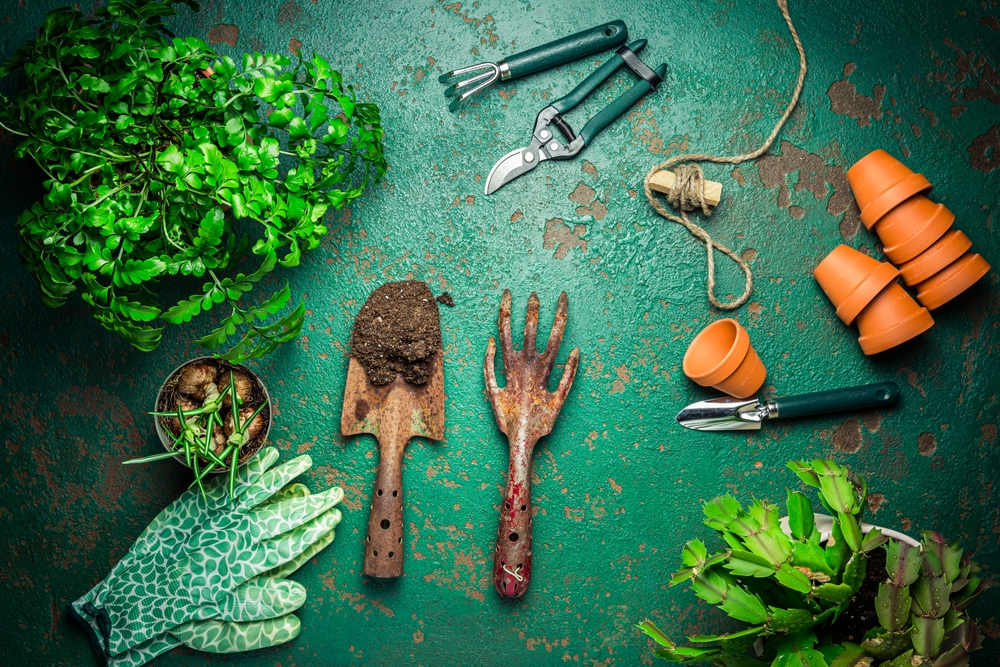
Dirty or rusty tools are a nightmare in spring when you’re eager to get started. December is the perfect month to wash, sharpen, and oil your spades, shears, and trowels. Inspect handles for cracks or splinters and repair them before the gardening rush begins. Proper storage in a dry place extends the life of your equipment and keeps them ready for action. You’ll thank yourself when your tools are in top condition come planting season.
3. Prune Trees And Shrubs
Winter is an ideal time for pruning many trees and shrubs because the plants are dormant. Remove any dead, damaged, or diseased branches to prevent pests and disease from spreading. Pruning also encourages healthy growth in the spring and improves airflow through your plants. Be sure to use clean, sharp tools to make precise cuts that won’t harm the plant. Regular winter pruning keeps your garden looking tidy and sets a strong foundation for the next season.
4. Plan Next Year’s Garden Layout
December is perfect for dreaming and planning while the garden sleeps. Sketch out where new plants, vegetables, or flowers will go and consider companion planting to maximize growth. Check what worked well this year and what didn’t, then adjust your plan accordingly. Planning now saves last-minute stress when spring arrives and gives you a clear roadmap. You can also start ordering seeds and bulbs to avoid the early-spring rush.
5. Mulch Beds And Borders
Adding a fresh layer of mulch has multiple benefits during December. It insulates soil against temperature swings, reduces water loss, and suppresses weeds before they start. Organic mulch, such as bark chips or straw, also breaks down slowly to enrich the soil. Apply it evenly, but avoid covering plant crowns to prevent rot. A well-mulched garden in winter leads to healthier plants and less maintenance later.
6. Check Garden Lighting And Irrigation
Even in winter, it’s important to inspect your garden systems. Make sure irrigation hoses and drip lines haven’t cracked in freezing temperatures. Check outdoor lighting for burnt-out bulbs and secure fixtures for holiday wind or snow. Addressing these small repairs in December prevents headaches in spring. Functional systems save both time and energy when the growing season ramps up.
7. Tidy Up Fallen Leaves
While fallen leaves can provide winter protection, too many can smother grass and plants. Rake or collect excess leaves, then compost them to create nutrient-rich soil for the future. Avoid leaving thick mats that trap moisture and encourage fungal growth. You can also shred some leaves for mulch around shrubs and perennials. A tidy, leaf-managed garden now equals less disease and a cleaner look come spring.
8. Protect Soil And Add Compost
December is the time to nourish your soil for spring planting. Spread a thin layer of compost or well-rotted manure to improve fertility and structure. Cover bare soil with a protective layer of mulch or cloches to prevent erosion and nutrient loss. Adding compost now allows it to integrate naturally over winter, ready to feed plants in early spring. Healthy soil makes all the difference when your garden starts growing vigorously.
9. Inspect And Repair Garden Structures
Fences, trellises, arches, and raised beds take a beating over the year. December is ideal for inspecting them for damage and repairing before spring growth puts extra strain on structures. Reinforce loose posts, tighten screws, and replace any broken parts. A well-maintained garden framework supports plants and improves aesthetics. Taking care of structures in winter means no scrambling when everything starts climbing and sprawling in spring.

10. Start Early Indoor Seedlings
If you love growing your own vegetables or flowers, December can be your starting point. Certain seeds, like tomatoes, peppers, or early herbs, benefit from an early indoor start. Use trays or small pots with good-quality soil and place them in a sunny window or under grow lights. This head start reduces stress in spring when you’ll be ready to transplant robust seedlings. Watching seeds sprout indoors adds excitement during the quiet winter months.
11. Plan Pest And Disease Strategies
Winter is a great time to think ahead about garden pests and diseases. Clean up plant debris that could harbor eggs or fungi. Rotate planting areas in vegetable beds to minimize disease recurrence. Research natural repellents or companion planting methods to prevent problems before they start. Planning pest control now makes your spring garden healthier and reduces reactive measures later.
12. Reflect And Record Garden Observations
Finally, use December to observe and reflect. Take notes on which plants thrived, what areas drained well, and what struggled with shade or wind. Record these insights in a garden journal or app. Reflection helps you make smarter decisions next year and prevents repeating mistakes. Small observations now save big headaches later, turning trial-and-error into informed gardening.
Winter Work Equals Spring Joy
December isn’t a slow month for gardeners—it’s the secret weapon for stress-free spring planting. By tackling chores like pruning, mulching, soil care, and planning now, you’ll arrive in spring with a garden ready to thrive. Small, consistent efforts in winter prevent last-minute scrambles, making gardening more fun and productive when life warms up.
Have you tried any December garden chores that made your spring easier? Share your thoughts, stories, or tips in the comments section below.
You May Also Like…
7 Easy Raised Bed Fixes for Fall Maintenance
Why Mulching in December Can Save Your Spring Garden
14 Winter Soil Preparation Tips That Boost Spring Growth
Start These Seeds Indoors Now to Beat Spring Rush
The Crop Rotation Plan That Triples Spring Harvests
The post 12 Garden Maintenance Chores for December That Avoid Spring Stress appeared first on Frugal Gardening.