Scroll. Like. Share. Repeat. Social media has become as natural as breathing for most of us, but behind the constant dopamine hits and endless scrolls lies a quieter, darker side. What seems like harmless entertainment or harmless connection can, in subtle ways, chip away at mental health.
From viral challenges to curated lifestyles, trends are shaping the way we think, feel, and even perceive ourselves. Some are obvious, but many operate under the radar—quietly influencing moods, self-esteem, and overall emotional well-being.
1. The Rise Of Perfectly Curated Feeds
Scrolling through endless posts of flawless mornings, expensive vacations, and flawless skin can feel motivating at first. But behind the gloss lies a hidden trap: comparing your behind-the-scenes to everyone else’s highlight reel. This trend makes ordinary life feel dull, leaving users constantly questioning their worth. It’s not just envy—it subtly fosters anxiety and feelings of inadequacy. Over time, the brain begins to internalize a distorted sense of reality.
2. The Popularity Of Short-Form Videos
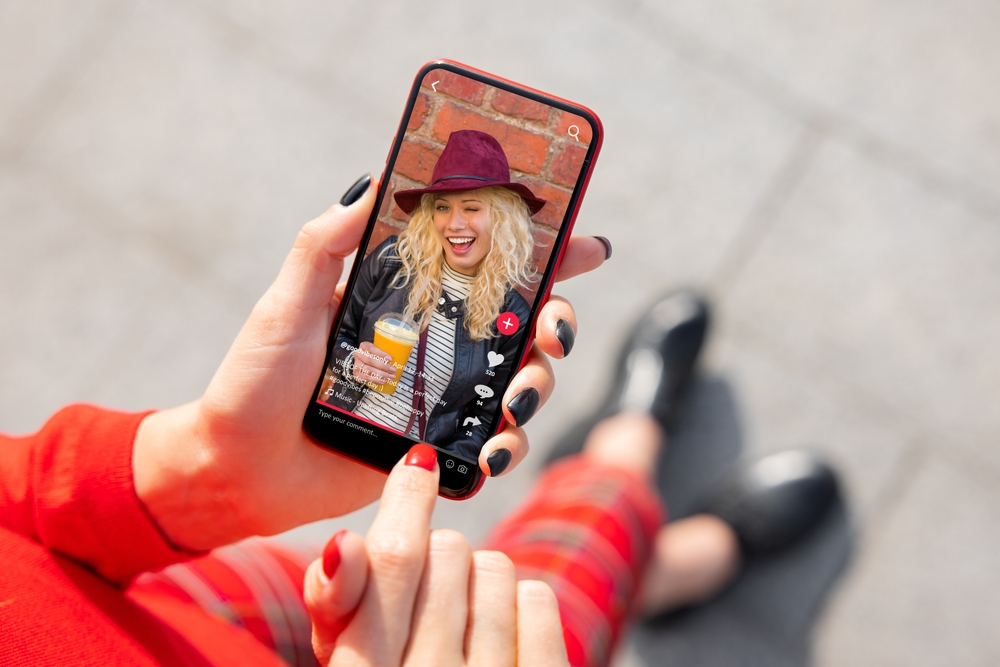
TikTok, Reels, and similar platforms have skyrocketed in popularity, delivering bite-sized entertainment at breakneck speed. While entertaining, these rapid videos create an expectation of instant gratification. Our attention spans shrink, patience erodes, and boredom becomes almost unbearable. Users may struggle to focus on longer tasks or real-life interactions. The constant consumption of high-energy snippets can increase restlessness and stress without us even noticing.
3. The Addiction To Notifications
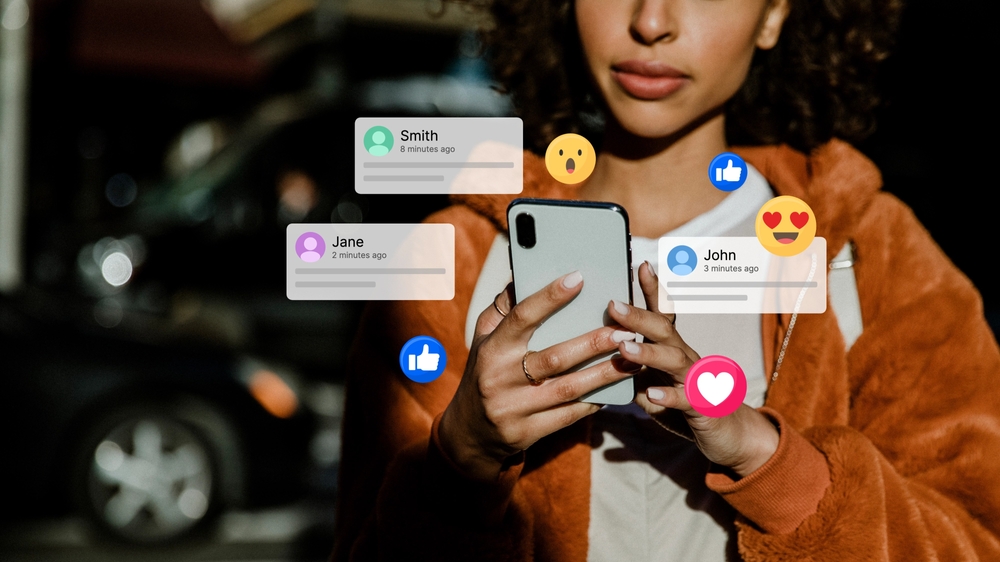
Likes, comments, and shares are carefully designed to trigger our brain’s reward system. Many users feel compelled to check notifications compulsively, even during work, meals, or conversations. This trend feeds anxiety because our self-worth becomes tied to digital validation. Missing notifications can feel like missing out on social acceptance. Over time, the constant pinging becomes mentally exhausting and erodes focus and calm.
4. The Influence Of Influencer Lifestyles
Following influencers is fun and aspirational, but the constant exposure to curated lifestyles can warp expectations. Ordinary life feels bland when measured against someone else’s highlight reel. Users may feel pressured to buy products, try trends, or alter appearances to “fit in.” It’s a subtle form of social comparison that fuels dissatisfaction. Even brief interactions with these polished personas can plant seeds of self-doubt.
5. The Trend Of Viral Challenges
From dance crazes to diet experiments, viral challenges dominate feeds and conversations. While some are harmless fun, many encourage risky or unhealthy behaviors for the sake of social approval. The pressure to participate and be noticed can be intense, particularly for teens and young adults. Failure to engage can trigger feelings of exclusion or inadequacy. Even when nothing physically happens, the psychological strain can linger unnoticed.
6. The Prevalence Of Cancel Culture
Cancel culture has amplified the scrutiny of public behavior to unprecedented levels. Users can witness or be subjected to swift judgment for minor mistakes, fostering fear and hyper-awareness. The trend makes social media feel like a high-stakes environment where every post is potentially damaging. Anxiety, shame, and defensive behaviors quietly build up. People begin second-guessing themselves in ways that extend beyond online platforms.
7. The Pressure To Document Life Constantly
Posting meals, vacations, workouts, and celebrations has become the norm for many users. This trend turns ordinary moments into content obligations. The mental pressure to make life look exciting or noteworthy can reduce genuine enjoyment. Experiences are filtered and staged rather than lived fully. Constant documentation can erode spontaneity and increase stress about social perception.
8. The Obsession With Follower Counts
Follower counts, friend numbers, and engagement metrics silently dictate self-esteem for countless users. This trend encourages users to quantify their social worth. Comparisons between accounts become common, creating envy and insecurity. The more one chases numbers, the more attention shifts away from authentic connections. Mental health suffers quietly as validation becomes a numerical game.
9. The Normalization Of Online Arguments
Debates, heated threads, and comment wars are everywhere, and engaging can feel unavoidable. This trend encourages reactive behavior, raising stress levels and emotional volatility. Users can experience guilt, anger, or shame hours after a minor disagreement online. The constant exposure to negativity can subtly increase anxiety and mood swings. Over time, online conflict can affect offline relationships and emotional resilience.
10. The Amplification Of News Anxiety
Social media feeds are flooded with headlines, crises, and urgent alerts. This trend keeps users in a constant state of vigilance and stress. Even if users do not engage deeply, the repeated exposure triggers worry and helplessness. Doomscrolling creates a sense of urgency that can feel inescapable. Mental fatigue builds quietly, and over time, it erodes emotional stability and overall wellbeing.
Recognizing The Quiet Impact
Social media is thrilling, addictive, and endlessly entertaining, but trends that seem harmless can quietly damage mental health. From curated feeds to viral challenges, the small ways platforms shape thought and emotion are powerful. Awareness is the first step toward using social media intentionally instead of letting it use you.
Have you noticed any of these trends affecting your mood or behavior? Share your thoughts, experiences, or strategies for coping in the comments section below.
You May Also Like…
10 Bad Dating Ideas That Refuse to Die on Social Media
10 Scams Currently Circulating on Social Media Lending Groups
5 Tech Trends Experts Say Damage Mental Health
10 Social Media Money Challenges That Became Legal Nightmares
10 Outdated Money Tips Still Circulating on Social Media
The post 10 Social Media Trends Quietly Damaging Mental Health appeared first on Everybody Loves Your Money.