About 10,000 people will be tested for new coronavirus antibodies as early as June, with the aim of gaining insight into the extent of the spread of infection and verifying the effectiveness of prevention measures, the health ministry announced Friday.
For that purpose, 200 million yen was appropriated in the supplementary budget for this fiscal year. The tests will mainly be carried out in Tokyo, Osaka and other regions that have been hardest hit.
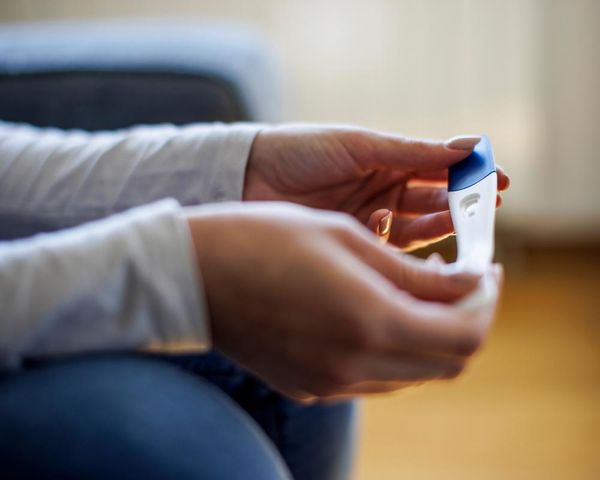
Currently, a polymerase chain reaction (PCR) test or other method is performed on people suspected of being infected. Such tests tell if the virus is present in the body at that point.
Antibodies, on the other hand, are gradually produced in the body after a person is infected with the virus. Therefore, it is useful in determining if a person has a past history of infection.
The Health, Labor and Welfare Ministry plans to analyze data not only from areas where the virus has spread widely, but also regional cities where there have been few infections. Equipment that measure the quantity of antibodies is being quickly developed, and the ministry will continue to work on improving the accuracy of the testing method.
In April, the ministry announced the results of antibody tests conducted on donated blood in cooperation with the Japanese Red Cross Society. Samples from 500 people in Tokyo were tested using several different test kits and reagents, of which three tested positive. Out of 500 in six prefectures in the Tohoku region, two tested positive.
Meanwhile, blood collected between January and March 2019 -- well before reports of the new coronavirus -- were also tested. Two out of 500 samples turned up positive, showing the occurrence of false positive results.
A high-speed kit, which uses small traces of blood and produces a result in about 15 minutes, is believed to produce false positives at a constant rate.
Deviations in results is another problem. One percent of outpatients at Osaka City University Hospital and 3.3% of outpatients at Kobe City Medical Center General Hospital tested positive.
"To be of value in trying to grasp the situation of infections, it is necessary to look at the results in a cool-headed manner and continue the verification process for future large-scale surveys," said Nobuhiko Okabe, director general of the Kawasaki City Institute for Public Health.
Read more from The Japan News at https://japannews.yomiuri.co.jp/