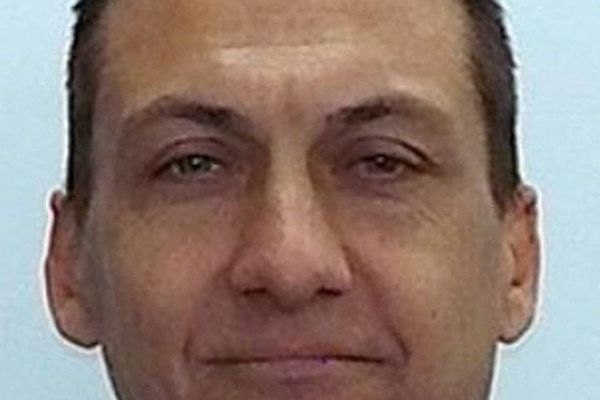
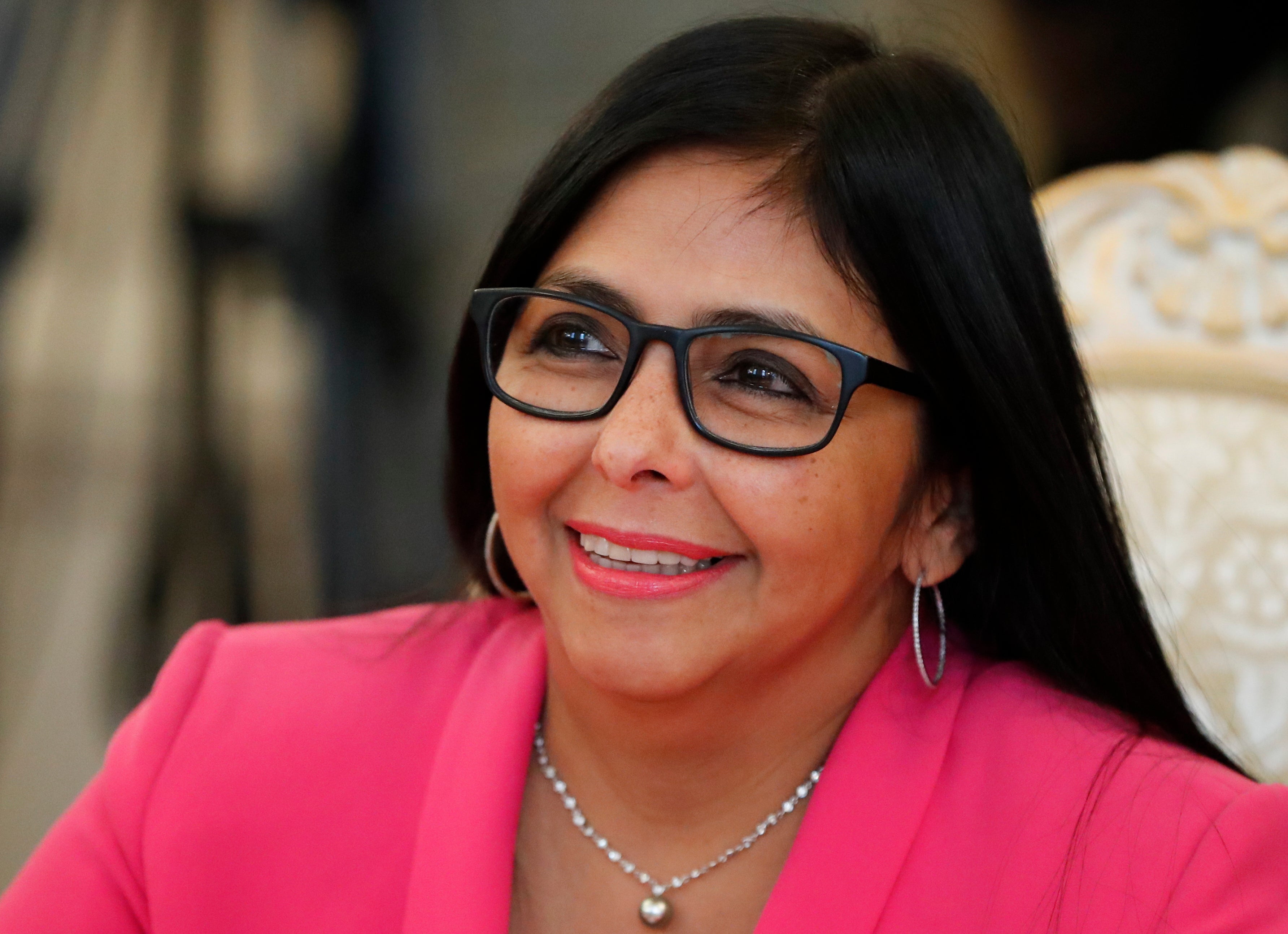
Delcy Rodriguez will be sworn in as president of Venezuela on Monday following Nicolas Maduro’s sudden capture by the United States.
The vice-president, who is also finance minister and minister for oil, will step into a precarious position after Donald Trump claimed that the US would “run” the country – without elaborating on what this would mean.
She faced threats from the US president before even taking office, who warned that she would “pay a very big price, probably bigger than Maduro” if she “doesn’t do what’s right”.
Rodriguez, 56, initially branded the operation to oust Maduro a violation of international law and called on foreign governments to condemn the action, saying: “History and justice will make the extremists who promoted this armed aggression pay. There is only one president in Venezuela and his name is Nicolás Maduro.”
But within hours, she had dropped her fiery rhetoric, telling her first cabinet meeting on Sunday that she was “inviting” the United States to “work together on an agenda for cooperation”.
Who is Rodriguez and how will she work with the US?
Rodriguez is the daughter of Jorge Antonio Rodriguez, the late Marxist leader who co-founded the militant Socialist League in Venezuela in the 1970s.
Her father died in 1976, at the age of 34, while in custody over the kidnapping of American businessman William Niehous. She was seven at the time of his death, and visited him in prison as a child.
Rodriguez trained as a lawyer but later entered politics on the Venezuelan left under Maduro’s predecessor, Hugo Chavez. Quickly, she rose through the ranks to become a key figure in his regime.
After Chavez died in 2013, Rodriguez remained loyal to the government of Maduro, serving as communications minister in 2013-14 and foreign minister, 2014-17. During this period, she was sanctioned by the United States while defending the regime against foreign accusations of human rights abuses.
Maduro called Rodriguez a “tiger” for her diehard defence of his socialist government and rewarded her with the role of vice-president in 2018 for his second term.
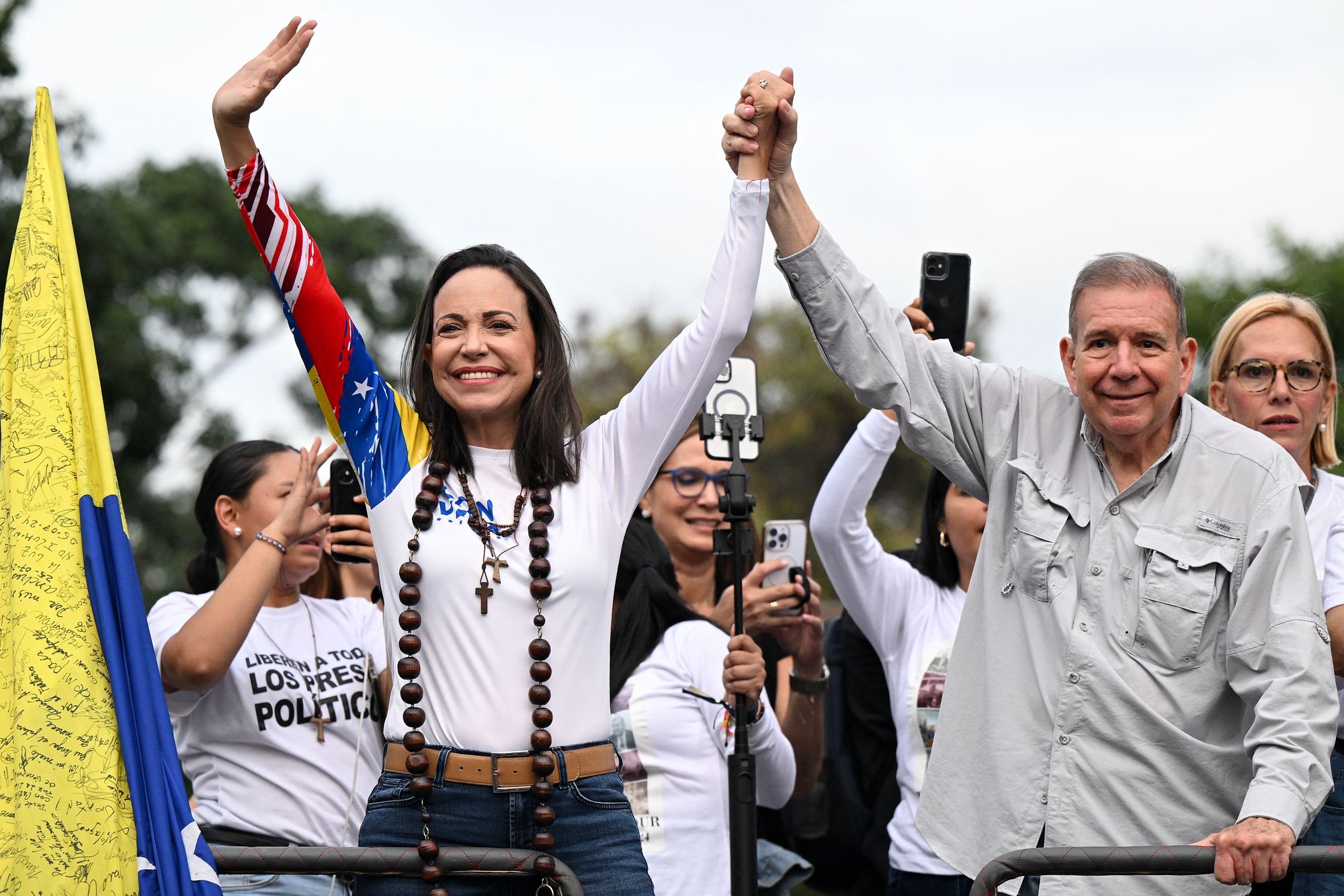
After the controversial 2024 elections, she stayed in post for his third term, beginning in 2025.
Her other roles, managing oil and the country’s finances, have made her a key figure in the management of Venezuela’s economy and gained her major influence with the country’s withered private sector.
As oil minister, she was also tasked with managing escalating US sanctions on the country’s most important industry.
Could the US ‘run’ Venezuela?
In a reversal of her longstanding support for Maduro, Rodriguez on Sunday offered to work with the US on an agenda focused on “shared development”.
Trump now appears to have given Rodriguez his blessing to run Venezuela, so long as she is willing to facilitate his vision for the country.
While suggesting the US would “run” Venezuela until “we can do a safe, proper and judicious transition”, Trump also revealed his secretary of state, Marco Rubio, had been talking with Rodriguez, who he assessed was “willing to do what we think is necessary to make Venezuela great again”.
One senior US official told The New York Times on condition of anonymity: “I’m not claiming that she’s the permanent solution to the country’s problems, but she’s certainly someone we think we can work at a much more professional level than we were able to do with [Maduro].”
The outlet reported that Rodriguez was singled out as the best candidate to replace Maduro weeks ago, after impressing officials with her handling of the oil industry.
Sources involved in discussions said the Trump administration was persuaded she would protect future American energy investments in the country.
Rodriguez became interim president after being sworn in by the nation’s Supreme Court on Monday. Under Venezuela’s constitution, the vice president takes over when the president is absent.
Will the US put ‘boots on the ground’?
US officials have said the US is “not at war with Venezuela” and that it is not planning any further military action, though Trump said “we’re not afraid of boots on the ground”.
There is also the question of natural resources. Venezuela is rich in oil and rare earth minerals, which serve as extremely valuable commodities. The South American country has $1.36 trillion worth of mineral wealth, according to Maduro.
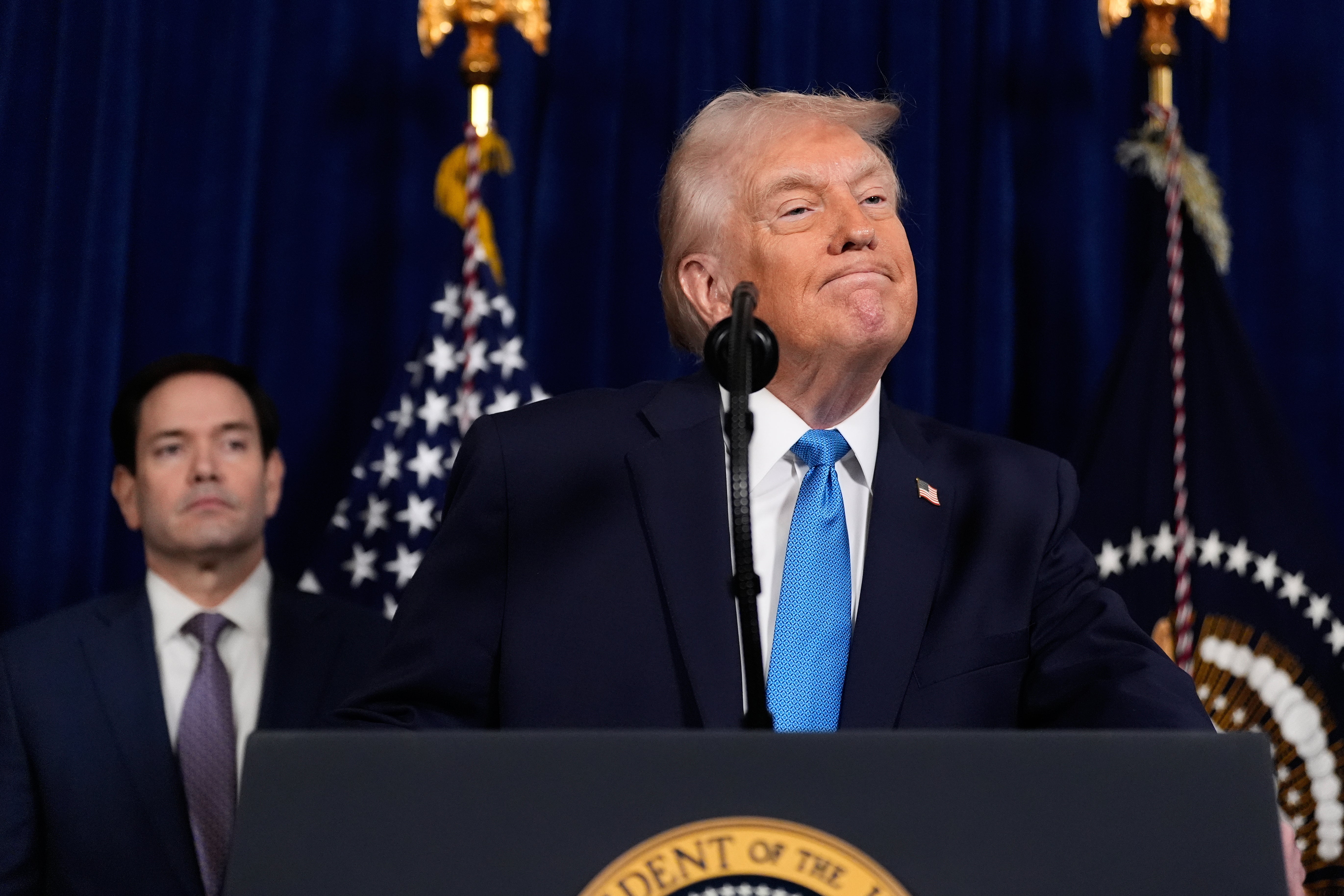
On Saturday, Trump said: “We’re going to have our very large United States oil companies, the biggest anywhere in the world, go in, spend billions of dollars, fix the badly broken infrastructure, the oil infrastructure, and start making money for the country.”
On Sunday, Rubio denied that the US wanted Venezuela’s oil.
“We have plenty of oil in the United States,” he said. “What we’re not going to allow is for the oil industry in Venezuela to be controlled by adversaries of the United States.”

What’s next for Maduro?
Maduro has arrived in New York and was shown arriving at a detention facility where he will await his first court appearance on US criminal charges.
In a video shared on Saturday night by the White House, Maduro wished an onlooker “Happy New Year” as he walked down a hallway in handcuffs and a black hoodie. He will appear in court in New York at 5pm local time.
He and his wife have been charged with conspiracy to commit narco-terrorism and import cocaine, possession of machine guns and destructive devices, and conspiracy to possess machine guns and destructive devices against the US.
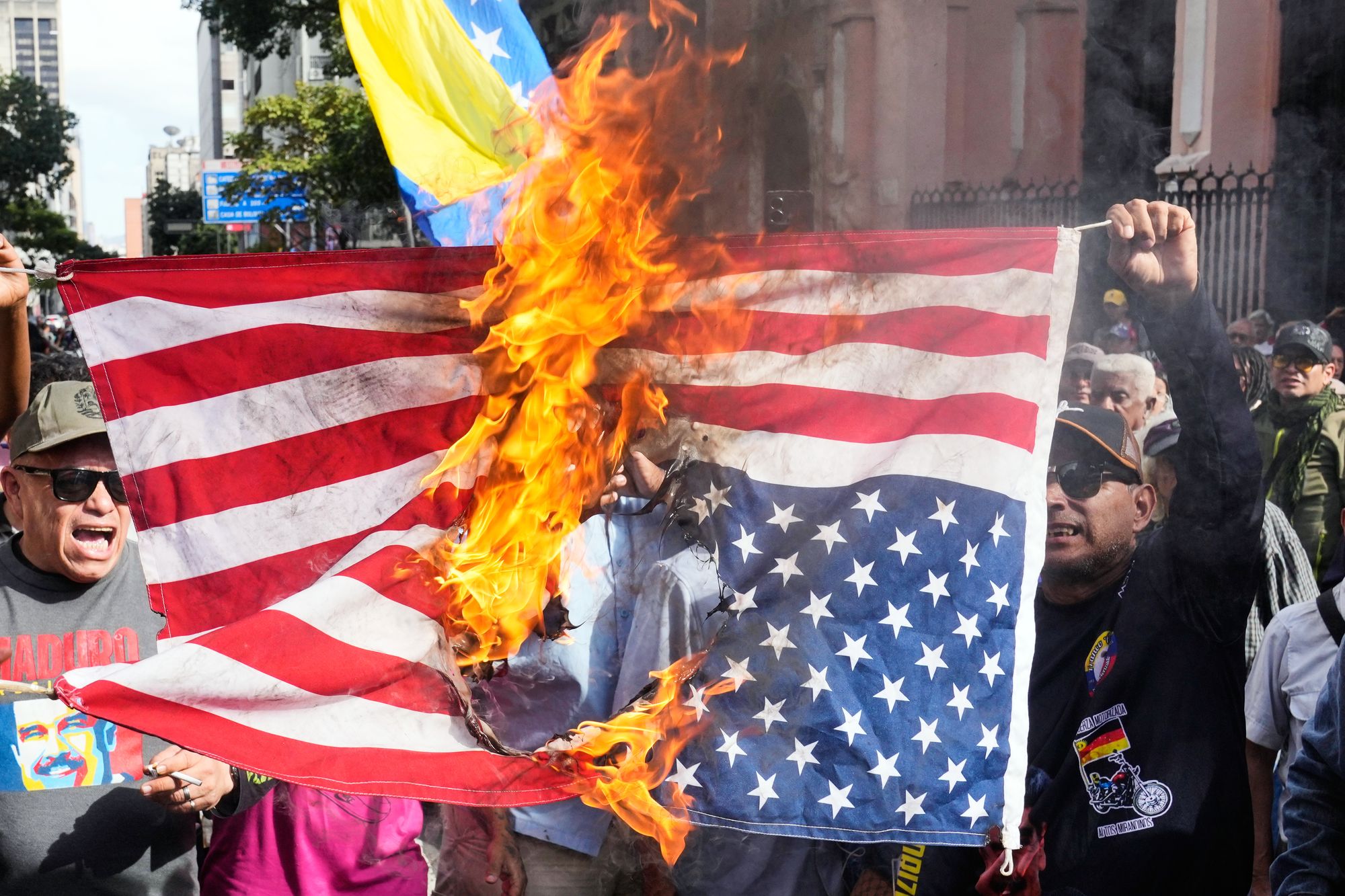
“They will soon face the full wrath of American justice on American soil in American courts,” US attorney general Pam Bondi wrote on X (Twitter).
Over the past few months, Trump has accused Maduro of being a top-level member of a drug cartel, “Cartel de los Soles”, which he claims is trafficking drugs into the US.
Maduro has denied the allegations, and Trump has not shared evidence of Maduro’s involvement, but has used these allegations to justify his lethal military operations against Venezuelan ships.
Venezuelans in Europe dream of home after Maduro’s fall, but face an uncertain future
Starmer says he stands with Denmark after Trump’s threats over Greenland
Murdered lawmaker’s family begs Trump to remove conspiracy theory post
LA residents still battling ‘toxic soup’ of hazards a year after deadly wildfires
Mark Kelly has retirement pay cut by Pentagon over ‘illegal orders video,’
Celebrity birthdays for the week of Jan. 11-17 includes LL Cool J and Julia Louis-Dreyfus