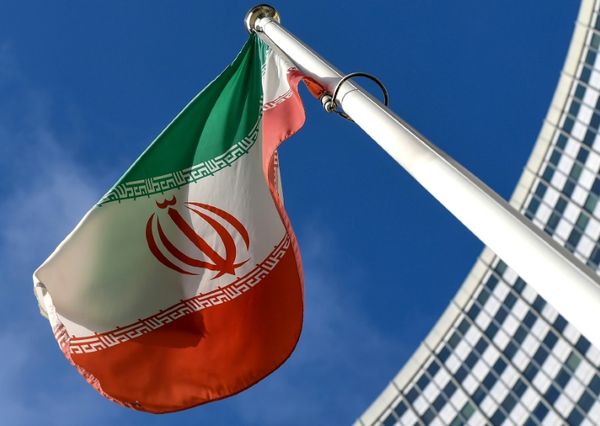
The U.S. and Iran are moving towards extending the ceasefire, but have not reached a deal yet and disagreements persist over Tehran's intention to continue enriching uranium.
The Associated Press reported on Wednesday that mediators are moving closer to the agreement even though Tehran has said that the U.S.'s blockade of the Strait of Hormuz could jeopardize any progress.
Regional mediators told the outlet that they have an "in principle agreement" to extend the ceasefire and allow for diplomacy to continue.
However, a U.S. official told the outlet that there is no formal agreement yet but "engagement" with Tehran continues.
The possibility that Iran enriches uranium remains a sticking point. Iranian Foreign Ministry spokesman Esmail Baghaei said the country is open to discussing the type and magnitude of enrichment but, "based on its needs," it "must be able to continue enrichment."
The remarks stand in contrast with President Donald Trump's assessment of whether there is room for Iran to enrich uranium. And even though there are also conflicting reports about the U.S.'s stance on the matter, all of them point at no enrichment, at least in the near future.
The Trump administration reportedly proposed a 20-year moratorium, according to Axios. Tehran signaled openness to the idea but for a shorter, "single digit" period. Despite the stalemate, Trump said Iranian leaders called him on Monday and they "would like to work a deal."
Trump addressed the report while speaking to the New York Post, rejecting the notion that he made such an offer. "I've been saying they can't have nuclear weapons," so "I don't like the 20 years." "I don't want them to feel like they have a win," Trump added.
In this context, Bloomberg also noted that Iran is considering a short-term pause to shipments through the Strait of Hormuz to avoid testing Trump's blockade and potentially undermine the fragile ceasefire.