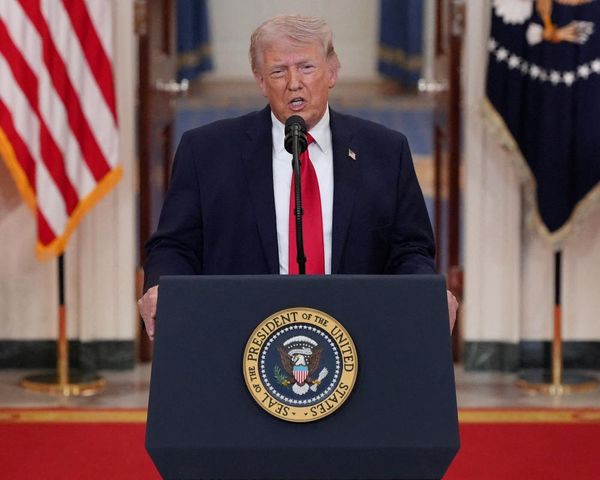
Fresh remarks from Donald Trump during an Easter event have stirred immediate backlash after he urged Erika Kirk to sue critics, including Candace Owens and Druski. The moment, captured on video and later dissected on Owens' podcast, has raised questions about how public figures respond to scrutiny and whether legal threats are being used to counter criticism.
What Trump Said at the Easter Event
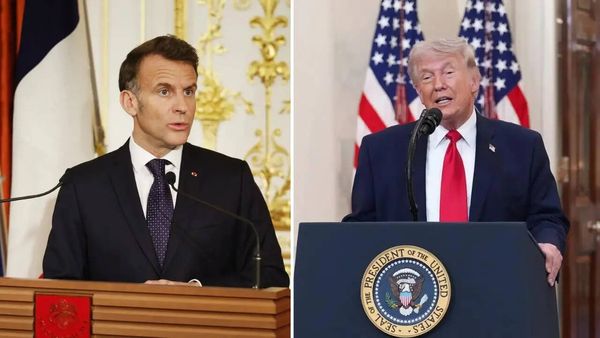
During the Easter celebration, Trump was seen interacting with attendees, including Erika Kirk. 'I think you should sue them,' Trump said, before doubling down with a more forceful remark: 'I told her, you ought to sue somebody... Sue their ass off.'
The comments, delivered in a casual and seemingly humorous tone, were framed as encouragement. Trump suggested that critics were 'jealous' of Kirk, positioning legal action as a justified response to public ridicule. The setting, a religious holiday gathering meant to mark Holy Week, added a layer of irony that critics were quick to highlight.
Candace Owens Responds
Owens did not hold back in her reaction. Speaking on her show, she mocked the suggestion and questioned the priorities behind such advice. 'What a way to honour Holy Week. Sue them, sue them. Everybody's just jealous of you,' she said sarcastically.
She went further, arguing that legal threats could backfire. 'Most of us welcome a lawsuit because then they would be required to give us the information that we're asking for,' Owens stated, suggesting that court proceedings could force transparency rather than silence critics.
Her commentary also shifted towards broader concerns, including unanswered questions around high-profile controversies. Rather than encouraging lawsuits, Owens argued that public figures should provide clarity directly. 'If truth is on your side, the easiest thing to do is just answer the questions,' she said.
Why The Lawsuit Suggestion Sparked Debate
The incident has triggered wider discussion about the role of lawsuits in public discourse. Critics argue that encouraging legal action over criticism risks creating a chilling effect, particularly when influential figures are involved.
Owens framed the issue as one of truth versus power. She claimed that relying on legal threats could signal weakness rather than strength. 'There is no true power without truth,' she said, adding that attempts to avoid scrutiny often deepen public suspicion.
The mention of figures like Druski also pulled the controversy into the entertainment sphere, where humour and satire are often protected forms of expression. Legal experts and commentators online have pointed out that suing over jokes or criticism can be difficult to justify, especially under free speech protections.
Public response has been sharply divided. Supporters of Trump have dismissed the remarks as humour, arguing that his tone was not meant to be taken literally. Others, however, see the moment as emblematic of a broader pattern in which criticism is met with threats rather than engagement.
Owens herself reinforced this idea during her broadcast, arguing that truth ultimately cuts through any illusion of control. 'It is very easy to cut through that illusion with truth,' she said, framing the situation as a test of credibility for those involved.