President Donald Trump's recent remarks suggesting the United States could keep or sell oil seized from Venezuelan tankers have drawn renewed scrutiny from analysts who argue the comments reflect a broader pattern of U.S. resource nationalism, often described by critics as "resource imperialism."
Speaking to reporters earlier this week, Trump said Venezuelan crude taken from intercepted vessels could be treated as a U.S. asset:
"Maybe we will sell it, maybe we will keep it. Maybe we'll use it in the Strategic Reserves. We're keeping the ships also"
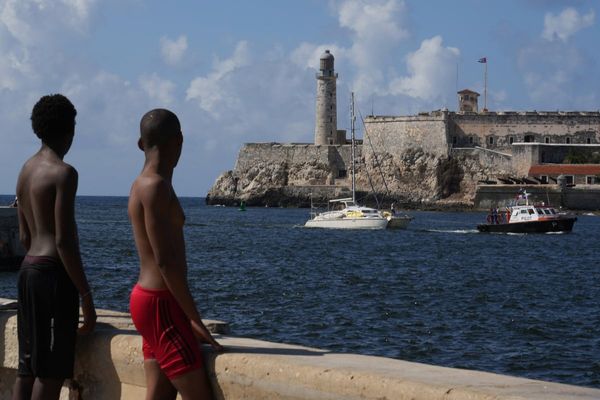
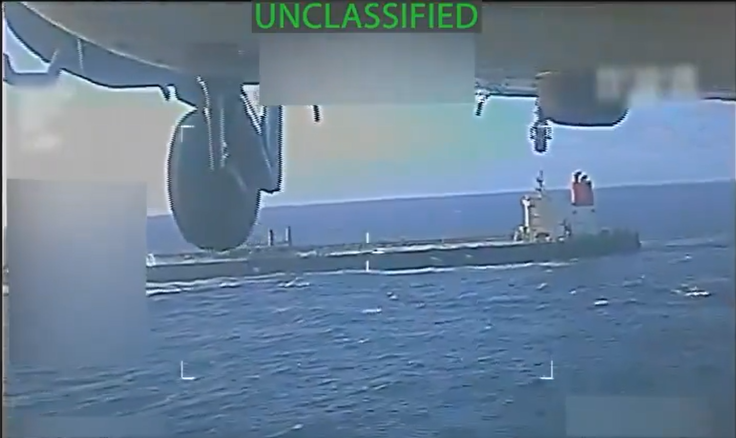
The comments followed the seizure of two oil tankers this month and U.S. efforts to intercept a third vessel allegedly linked to Venezuela's sanctions-evading "dark fleet."
Analysts consulted by The Guardian say the remarks align with Trump's long-standing view that U.S. power justifies control over foreign natural resources. Patrick Bigger, co-director of the Transition Security Project, told the news outlet that the administration's energy approach relies on "the threat of violence or the withholding of aid to secure the inputs" for a fossil fuel–centered strategy.
Trump has previously argued that the U.S. should have taken Iraq's oil after the 2003 invasion, telling ABC News in 2015, "You win the war and you take it."
Similar arguments have surfaced throughout Trump's political career, as The Guardian points out. He has linked U.S. troop deployments in Syria to control of oilfields, threatened secondary sanctions against buyers of Iranian oil, and pushed for preferential access to mineral resources in places ranging from Ukraine to Greenland.
Energy scholar Adam Hanieh said U.S.-China rivalry is driving efforts to exert control over key energy and industrial supply chains, adding that Trump's approach differs from past administrations mainly in style rather than substance:
"I think Trump's difference with other US administrations is mostly stylistic. Previous administrations pursued the same strategic control of energy, minerals and chokepoints, but cloaked it in multilateralism and 'market stability', whereas Trump voices the extractive logic directly"
The rhetoric comes amid an expanding U.S. enforcement campaign against Venezuela's oil exports. According to a report on Thursday by Reuters, the White House has directed U.S. military forces to focus largely on enforcing a maritime "quarantine" of Venezuelan oil for at least the next two months, prioritizing economic pressure over direct military action. A U.S. official said the aim is to intensify sanctions enforcement to push President Nicolás Maduro toward concessions or departure from power.
-
Nicolás Maduro Says Ongoing U.S. Blockade Will Serve as a 'Test' for Venezuela to Break Free From Oil Dependence

-
U.S. Military Reportedly Calls Elite Force To Board Tanker Defying Seizure Attempts

-
Former U.S. Ambassador To Venezuela Warns Trump's Pressure Campaign Could Be 'Our Last Chance To Get It Right'


So far this month, the U.S. Coast Guard has intercepted two tankers carrying Venezuelan crude and is preparing for a possible third seizure. The administration has also ordered a "blockade" of sanctioned tankers entering or leaving Venezuela, a move that U.N. experts have criticized as illegal under international law.
Venezuela's U.N. ambassador, Samuel Moncada, described the actions as "state piracy" earlier this week adding that:
"All the toxic excuses used to poison public opinion are confronted with a harsh reality: senior US officials announcing their real objectives. It is not drugs, it is not security, it is not freedom. It is oil, it is mines and it is land"
© 2025 Latin Times. All rights reserved. Do not reproduce without permission.