Concerns grow over President Donald Trump's approach to Venezuela, as critics warn renewed US pressure could worsen economic suffering for millions. Recent actions targeting Venezuela's oil sector have reignited debate over whether Washington is seeking regime change through hardship rather than diplomacy or military action, fuelling fear in Venezuela and questions in the US about Trump's intentions.
Escalating Pressure on Venezuela's Oil Lifeline
Venezuela's economy remains heavily reliant on oil exports, which fund food imports, healthcare, electricity and basic public services. In recent weeks, the Trump administration has intensified efforts to restrict those revenues, building on years of sanctions targeting Nicolás Maduro's government. US officials frame the measures as a way to curb corruption and weaken an authoritarian regime.
Analysts say the renewed focus on oil represents a major escalation. Tighter controls on shipping, financial transactions and third-party dealings have limited Venezuela's ability to sell crude abroad, leaving the state with fewer dollars to import essential goods. Economists warn that any sustained disruption to oil income would hit ordinary citizens more than political elites.
The moves coincide with increased US naval and security activity in the Caribbean, described as part of broader regional operations. While the White House denies plans for full-scale military intervention, the combination of economic pressure and heightened military presence has intensified speculation about Washington's intentions. Regional governments and legal experts have questioned whether such actions comply with international sanctions and maritime norms.
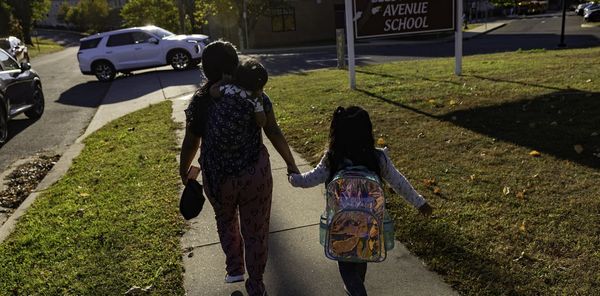
Critics argue the policy risks worsening daily life to provoke internal unrest against Maduro. Venezuela has already faced hyperinflation, shortages and mass migration, with millions fleeing since sanctions expanded. Humanitarian groups warn further restrictions could undo fragile improvements seen in recent years.
Domestic and International Backlash Grows
Within the US, Trump's Venezuela policy is drawing mixed reactions. Opinion polls show limited public appetite for another Latin American intervention, especially one risking humanitarian fallout. Lawmakers from both parties question the effectiveness of sanctions that have failed to produce political change but worsened civilian hardship.
Internationally, the response has been sharper. Venezuela's government accuses Washington of economic warfare and collective punishment, promising to challenge US actions through diplomatic and legal channels. Caracas officials argue that restricting oil exports threatens economic sovereignty, a view echoed by some regional allies.
Human rights groups have voiced alarm, warning that broad economic sanctions disproportionately affect the poorest, reducing access to medicine, food and public services. While the Trump administration cites humanitarian exemptions, aid organisations say these rarely offset the broader economic damage.
Within Washington, divisions are emerging. Some advisers favour maximum pressure, believing Maduro's government is more vulnerable than it appears, particularly as global energy markets shift. Others advocate limited engagement or negotiated relief to stabilise conditions and ease migration pressures on neighbouring countries and the US southern border.
Trump continues to signal a hard line, prioritising strength and deterrence over compromise. Whether this approach will prompt political change in Caracas or worsen Venezuela's crisis remains uncertain, but the latest moves have put the country back at the centre of US foreign policy debate, with millions of lives potentially affected.