The “ecstasy of happiness” that many in Venezuela said they felt at the stunning removal of the country’s despotic leader in an extraordinary US military operation was almost immediately checked by a terrifying future reality.
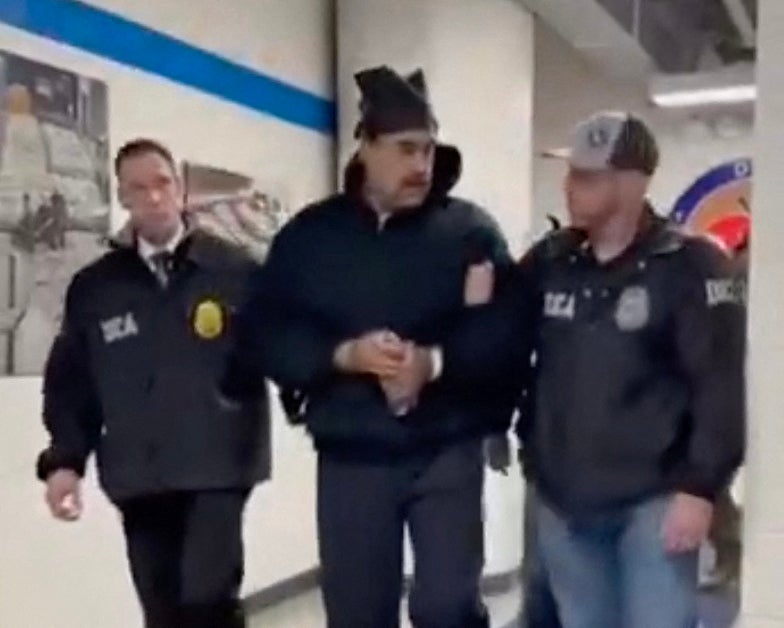
On Saturday, the White House shared photos of the Venezuelan president, Nicolas Maduro, cuffed and blindfolded en route to New York, where the US attorney general said he and his wife, Cilia Flores, will face trial on “narco-terrorism” charges.
Donald Trump declared at a press conference that his administration is “going to run the country until such time that we can do a safe, proper and judicious transition”.
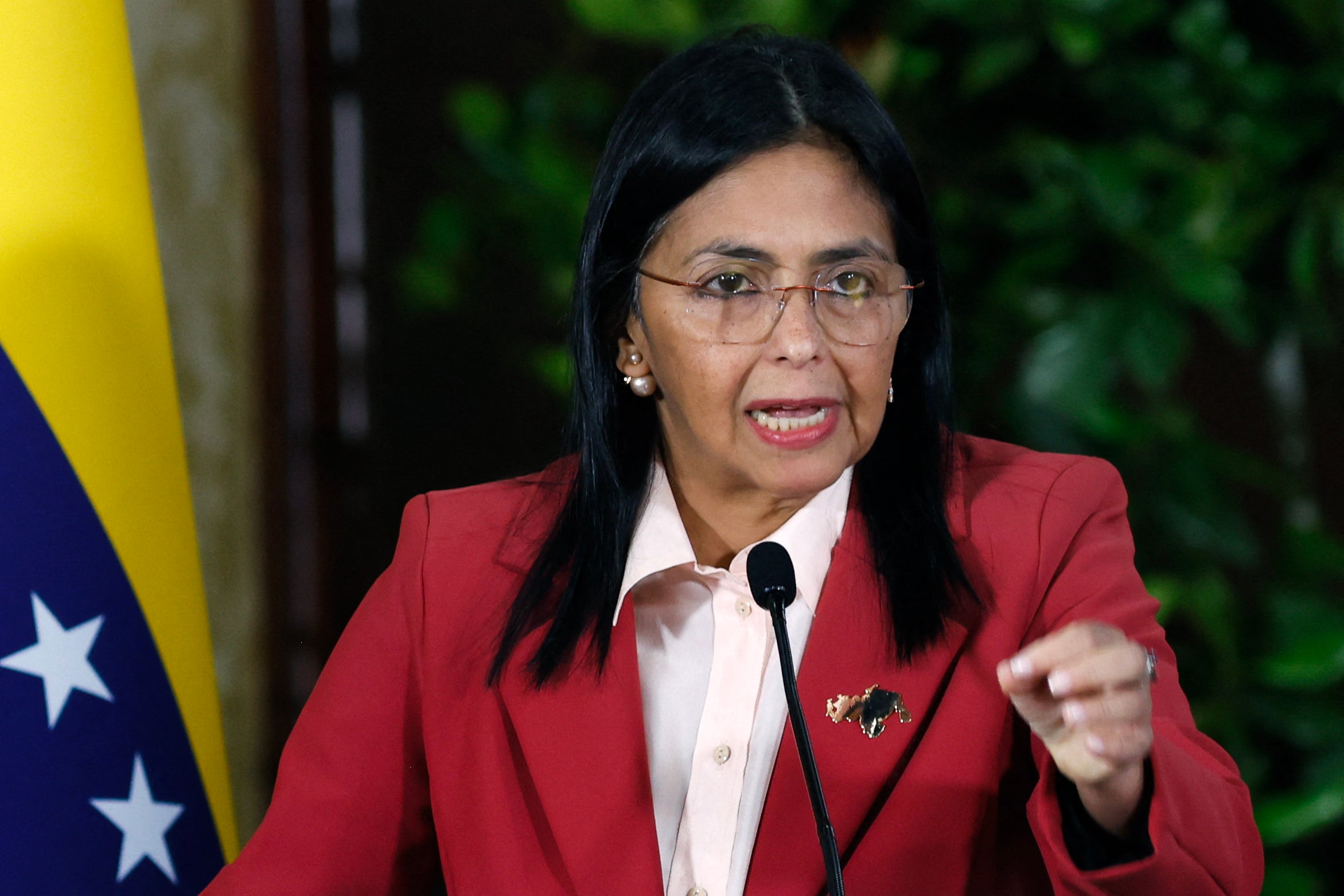
He implied Maduro’s second-in-command, Delcy Rodriguez, now the acting president, will likely lead the transition, as she is “willing to do what we think is necessary to make Venezuela great again”.
Mr Trump dismissed opposition figure and 2025 Nobel Peace Prize laureate María Corina Machado for apparently not commanding enough “respect” or “support” among her people.
The US president entirely failed to even mention opposition candidate Edmundo González Urrutia – the very man the US recognised as the true president-elect in the 2024 election that Maduro claimed to have won.
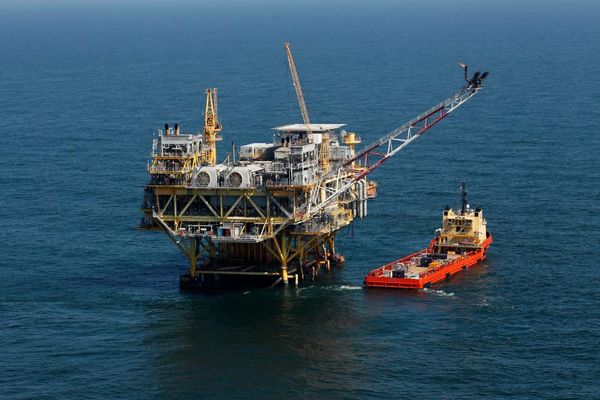
“We’re going to have our very large US oil companies, the biggest anywhere in the world, go in, spend billions to fix the badly broken oil infrastructure, and start making money,” Mr Trump said with relish as the conference got going.
“We’re going to be taking a tremendous amount of wealth out of the ground,” he added.
In a televised statement, Ms Rodriguez denied claims she plans to help the US government run the country and declared the only president is Maduro. It is unclear whether this is a direct challenge to the Trump administration’s plans, or careful domestic posturing.
Whatever the truth is, bombing a sovereign state and capturing its leader – no matter how authoritarian or criminal he is – in the bold pursuit of regime change and apparently oil, smashes international law, justice and, frankly, world order.
Few know the butterfly effect of this messaging on the global community at this moment of unprecedented conflict and crisis, particularly with Maduro’s Russian and Iranian connections and support.
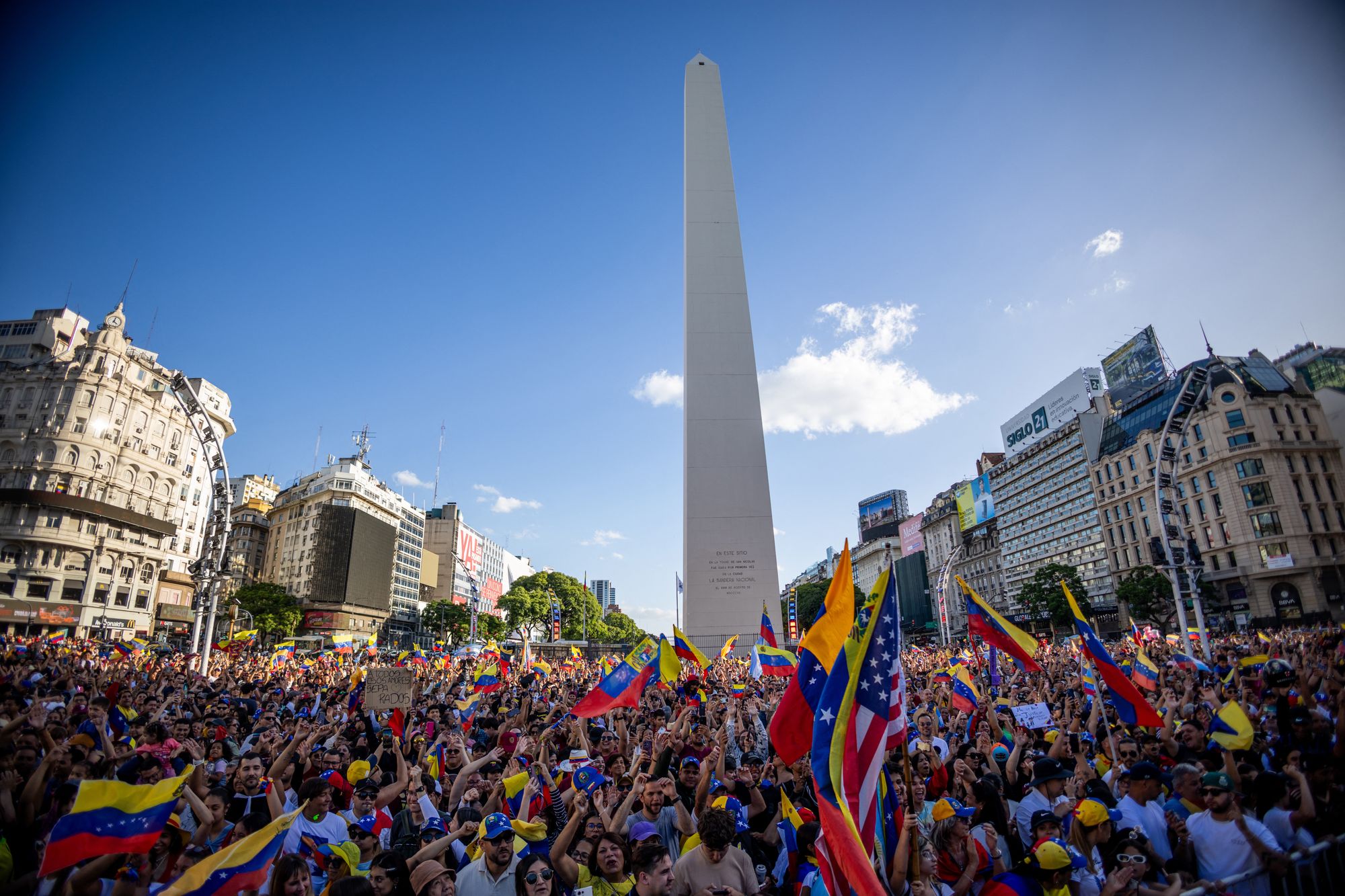
The Venezuelan people, many of whom are sneaking out of their homes and braving paramilitary-controlled streets to stock up on emergency supplies, deserve a just and democratic leadership. Instead, in the words of one man we spoke to in the Venezuelan capital, they are seriously having to consider “whether Trump will be our president”.
There are deep concerns that, rather than any movement towards a brighter future, this is just a shift from “an internally imposed authoritarian system to an externally managed one”, María Corina Roldán Robles, a Venezuelan political analyst, explains.
“Oil cannot be the organising principle of a political transition,” she adds.
“This is not a clean break of the [old] regime but a reconfiguration of power mediated by the US, that sustains all the old figures.”
It is especially frustrating when many Venezuelans see “no power vacuum”, explains Ana María Diez, the head of a major coalition of Venezuelan civil society organisations and an advisor on UN mechanisms. Venezuela, she says, “overwhelming voted and elected” Edmundo González Urrutia as president, and he could and should be sworn in as soon as possible to govern the country, along with María Corina Machado as his vice-president, “according to the will of the people”.
Otherwise, beyond the physical removal of Maduro, there has been no transition in Venezuela.
The same Chavista government and army that was in power yesterday is in power right now, Carlos Lizarralde, a prominent Venezuelan author, tells me. Ms Rodríguez and her brother Jorge, who is the president of the country’s legislature, are effectively in control. They are not hiding, he tells me. Instead, they are “still alive, defiant and contrary to what people are saying, unified”.
Mr Trump is surely playing with fire in this pursuit of his newly coined “Don-roe doctrine”, a pun on the 200-year-old playbook of America’s fifth president, James Monroe. The eponymous Monroe Doctrine focused on thwarting foreign, particularly European, meddling in Latin America and on reinforcing the US claim to calling the shots in the region.
Mr Trump has certainly proved that he can call – and fire – the shots in the region, but not that he can control all of the outcomes.
The future of peace and justice for Venezuela, and frankly for the world, is at stake.