U.S. president Donald Trump has claimed Venezuelan President Nicolás Maduro was responsible for the overdose deaths of “countless Americans,” accusing him of trafficking “colossal amounts of deadly and illicit drugs” into the country.
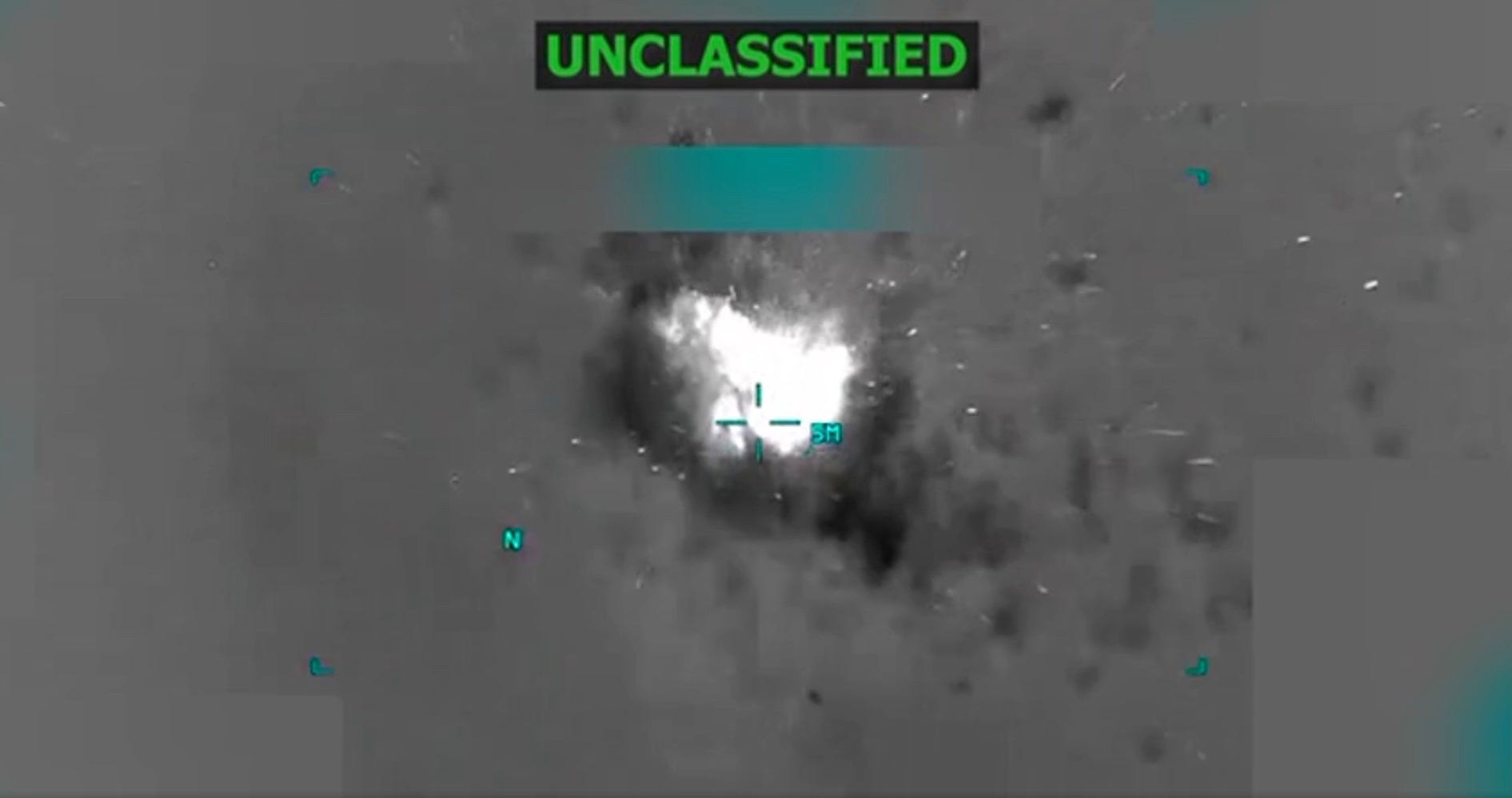
Those allegations were used in part to justify Maduro’s arrest by U.S. authorities on 3 January, following a series of U.S. military attacks on boats off Venezuela’s coast that have killed more than 115 people since September.
Maduro has since been charged with conspiracy offences and has pleaded not guilty, while his government condemned the operation in Caracas as an “imperialist” act. But do Trump’s claims about the drug trade stack up?
Analysis by The Independent has examined how much cocaine and fentanyl is actually illegally imported into the United States from Venezuela.
Does Venezuela produce Fentanyl?
Illicit opioids, particularly Fentanyl, remain the primary drivers behind the “epidemic of drug overdose deaths in the U.S.” according to the U.S. governments 2025 National Drug Threat Assessment. However, Venezuela is not mentioned as a fentanyl producer in this assessment.
Instead, Mexico is the dominant source of illicit fentanyl entering the United States, according to the Commission on Combating Synthetic Opioid Trafficking. The government doesn’t list fentanyl by country of manufacture the same way it does for other drugs, but it does identify Mexico as the primary source and also mentions Canada.
“Venezuela is not a place where Fentanyl is produced. Fentanyl is produced in Mexico for the U.S. market,” Vanda Felbab-Brown, a senior fellow at the Brookings Institution who studies drug policy, told The Independent.
“It's produced in Canada for the Canadian market, and it's produced in China for shipments elsewhere, such as to Europe”, she added.
“ The Trump administration has obviously tried to make the Fentanyl justification very broad, including to pressure Canada and then to impose tariffs on Canada,” Vanda Felbab-Brown said. The White House has been contacted for comment on this claim.
Government estimates show that in 2024, about 22.7 kilograms of Canada-sourced fentanyl were seized at the U.S.–Canada border, compared to 9,354 kilograms seized at the U.S.–Mexico border.
Does Venezuela produce cocaine?
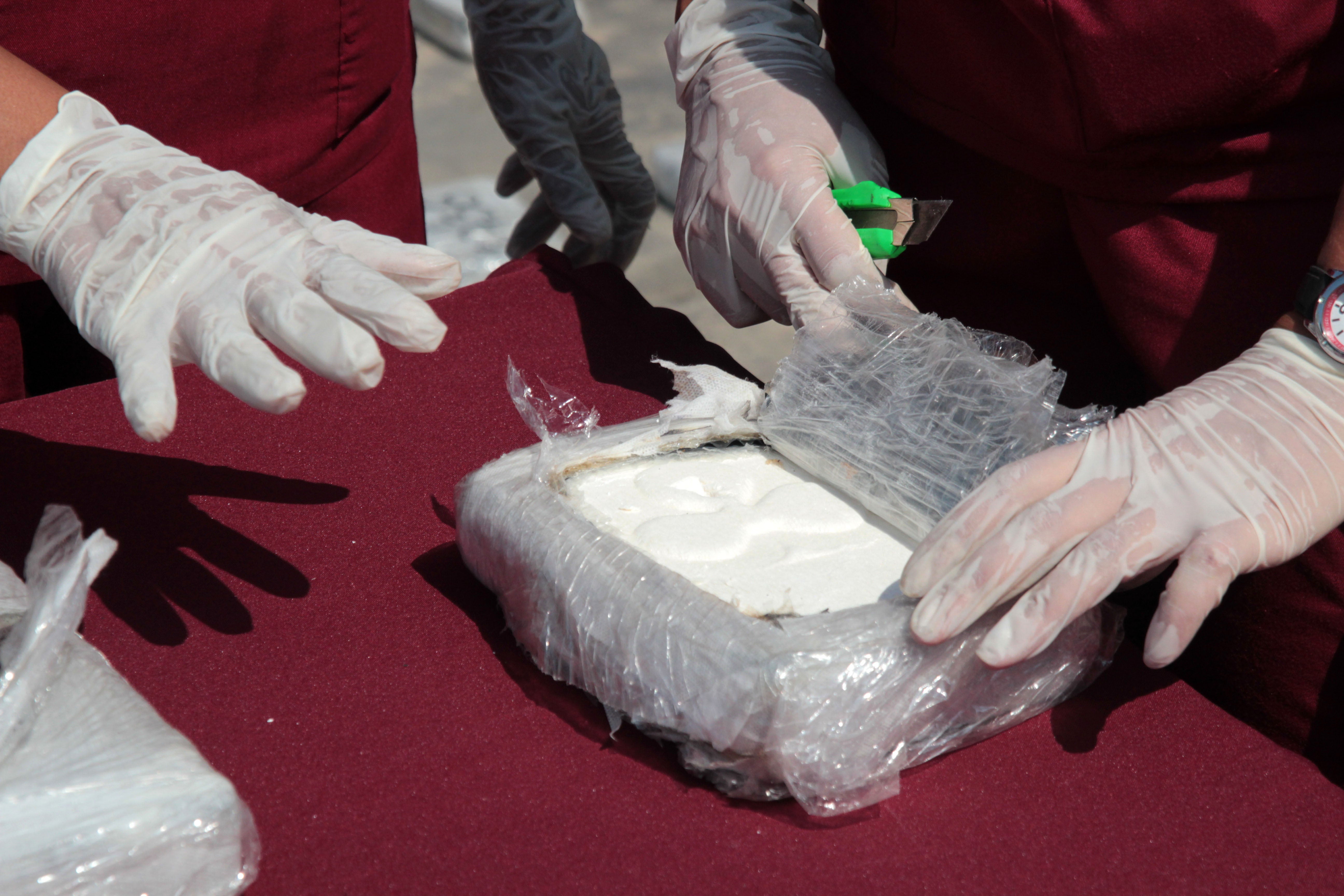
Cocaine is derived from coca leaves grown in Colombia, Peru, and Bolivia and the manufacturing process takes place in remote jungle labs, according to the DEA.
Venezuela is not mentioned in the DEA’s 2025 National Drug Threat Assessment as a country where cocaine originates. U.S. government data shows 84 per cent of the cocaine seized by authorities in 2024 originated in Colombia. Peru and Bolivia are also mentioned as sources.
However, experts note that some cocaine production does take place in Venezuela.
“There is some cultivation of coca in Venezuela that has increased in recent years as new cultivars of coca allow its cultivation in much lower altitudes with greater humidity than has traditionally been the case, but that production is still small”, Vanda Felbab-Brown told The Independent. “The vast majority of production takes place in Colombia, Peru, and Bolivia.”
Is Venezuela used to traffic cocaine?
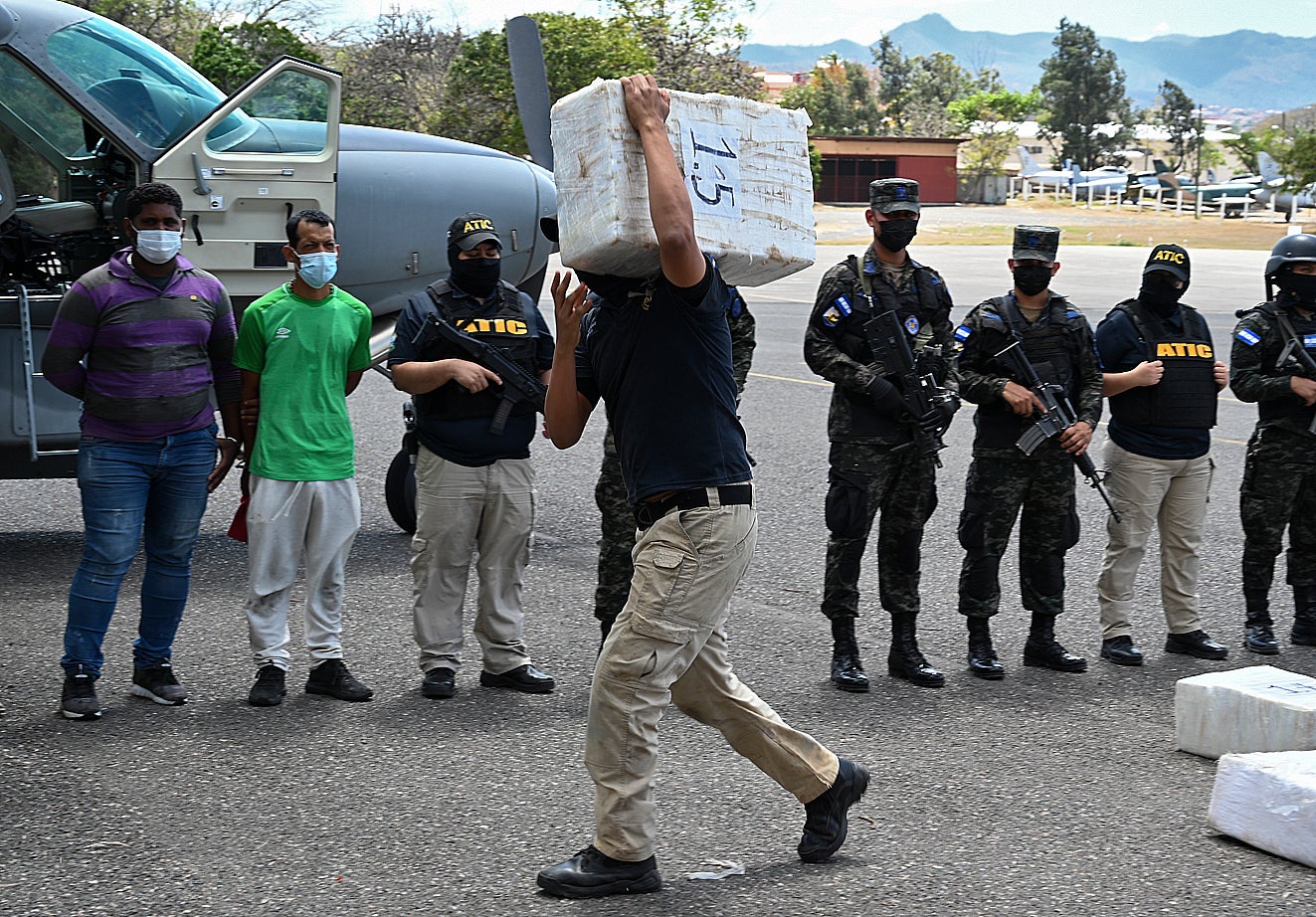
According to U.S. estimates detailed by the United Nations, around 70% of cocaine leaves Colombia via the Pacific route. The DEA also says most cocaine entering the U.S. is trafficked through Mexico.
“Venezuela is a place where a lot of cocaine is exported to Europe and to the United States. It's not the sole place through which those exports,” Vanda Felbab-Brown told The Independent.
Despite repeated claims by Trump that Venezuela is a major source of drugs harming the U.S., data and expert assessments tell a different story: Venezuela is not a principal producer or trafficking country for cocaine or fentanyl destined for the United States.
“Certainly Trump believed that the counter-narcotics narrative would appeal to his base and would create both domestically and internationally a justification for removing Maduro from power”, Vanda Felbab-Brown told The Independent.
The Trump administration maintains that its actions are legally justified.
“The Maduro regime is not the legitimate government of Venezuela, it is a narco-terror cartel, and Maduro, it is the view of this administration, is not a legitimate president. He is a fugitive head of this cartel who has been indicted in the United States,” White House Press Secretary Karoline Leavitt said.