
When buying a new car, reliability remains one of the biggest deciding factors. No one wants to spend their time shuttling between repair shops and dealing with warranty claims, especially once coverage lapses and repair costs start to add up. For many buyers, long-term dependability can matter even more than performance or technology. That’s why Consumer Reports recommends buyers start their search with a proven, reliable brand. And once again, this year’s list of the most reliable car brands should come as little surprise.
Based on extensive consumer feedback and manufacturer data collected by Consumer Reports, Lexus, Subaru, and Toyota claim the top spots in the overall reliability rankings. These brands have built a reputation over time for producing vehicles that age well and require fewer major repairs. Rounding out the top five are Honda and BMW, highlighting a strong showing not only from Japanese automakers but also from one of Germany’s most iconic brands.
The rankings are the result of an in-depth analysis covering approximately 380,000 vehicles. The data spans model years from 2000 through 2025, with a selection of newly released 2026 models already included. This wide range of vehicles allows Consumer Reports to assess both long-term ownership trends and the early reliability of newer vehicles entering the market.
Each vehicle is evaluated across as many as 20 potential problem areas, providing a comprehensive picture of real-world reliability. These areas range from relatively minor concerns, such as interior fit and finish or infotainment glitches, to more serious mechanical issues involving engines, transmissions, and suspension components. For hybrid and electric vehicles, battery performance and electrical systems are also closely examined, reflecting the growing importance of electrified powertrains in today’s automotive landscape.
How the Scores are Calculated

Before looking at the full rankings, it’s worth noting that Consumer Reports assigns each model a predicted reliability score ranging from 1 to 100. This score is calculated by assessing the severity of problems reported by users and their real-world impact on safety, ownership costs, and ease of use. This result isn’t the only reliability factor, but it feeds into the car’s overall evaluation, together with road tests, owner satisfaction levels, and safety ratings.
The number and type of issues analyzed vary depending on the technology used. Gasoline- and diesel-powered vehicles are evaluated across 17 possible problem areas, while electric vehicles have fewer items related to traditional mechanical components but include specific elements such as the electric motor, battery, and charging systems. Hybrids add additional electric components to the issues typical of internal combustion cars, while plug-in hybrids are the most complex of all, as they combine all the risk areas of both traditional and electrified models.
Toyota, Subaru, and Lexus: The Strength of Consistency
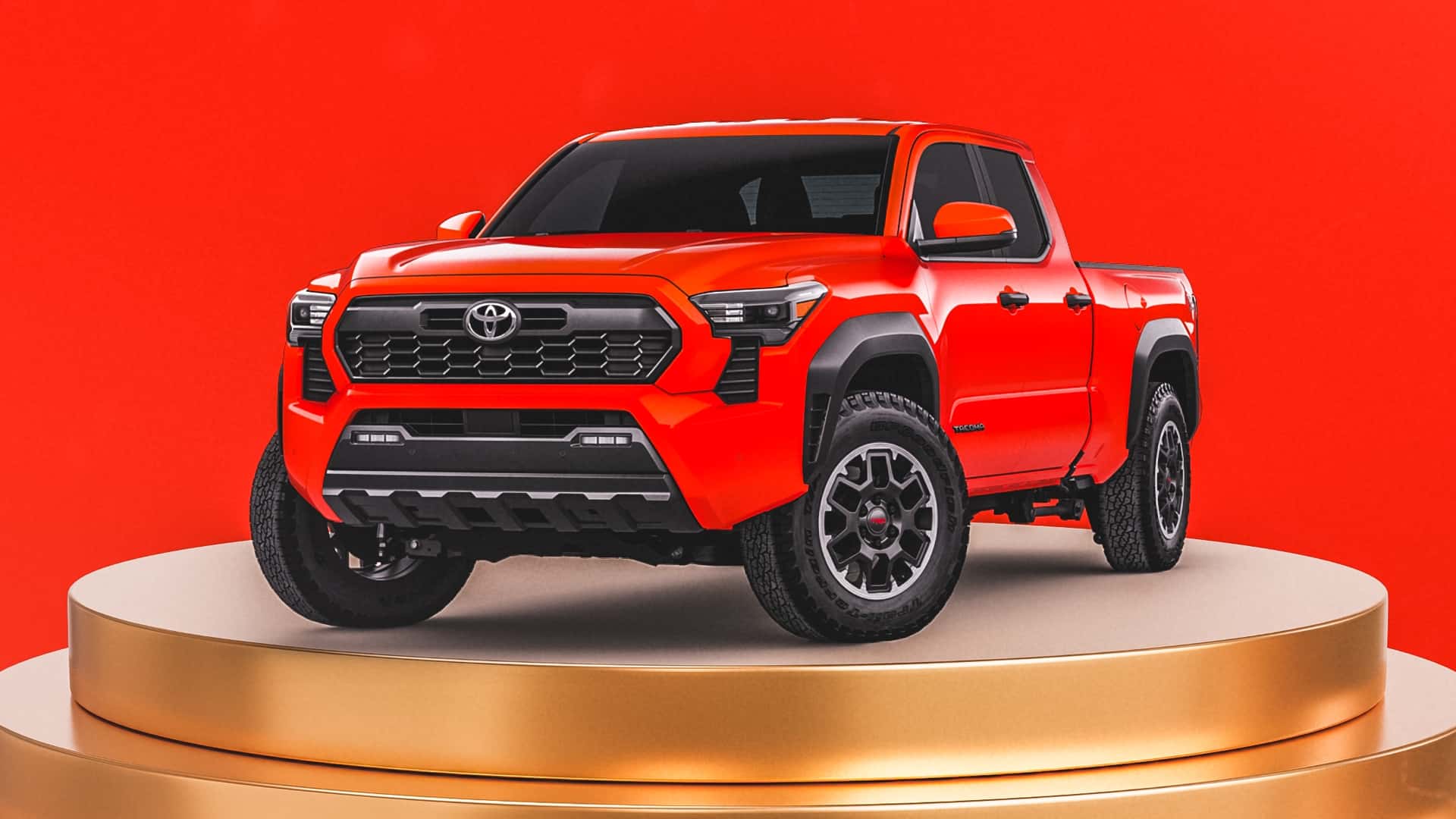
The brands that consistently occupy the top positions in the rankings share a rather cautious technical approach, based on the use of well-known platforms, extensively tested components, and gradual model updates. This strategy tends to limit the emergence of structural problems and, when difficulties do arise after a facelift or a generational change, it allows for relatively quick corrective action. This has been the case, for example, with models such as the Camry, Tacoma, and Tundra, which, after a more challenging initial phase, have shown improvements in reliability data.
In this context, Toyota places six models among the ten most reliable cars of the year and regains first place overall in the brand rankings. Subaru follows closely, thanks mainly to the results of the Impreza and Crosstrek, while Lexus confirms solid overall performance in the premium segment, with no models falling below average.
By contrast, Mazda shows the most pronounced decline, dropping eight positions compared to the previous year. The new-generation CX-70 and CX-90, particularly in their plug-in hybrid versions, highlight issues related to engines, transmissions, and electrical components. This represents a more ambitious technical project than in the past, which, at least for now, has not delivered satisfactory reliability results.
This very aspect reinforces one of the central messages of the survey: completely new or newly redesigned models tend to be more exposed to problems during the early stages of commercialization. The data show that several recently introduced SUVs and pickup trucks score below average, confirming that the first years of a project’s life are often the most delicate.
Hybrids Thrive, EVs Struggle
When it comes to powertrains, the picture that emerges is clear: “traditional” hybrids that do not require plug-in charging continue to be among the most reliable choices. In many cases, they achieve results equal to or even better than combustion-only versions, while also offering lower fuel consumption and smoother driving.
Some models stand out in particular, such as the Ford F-150 Hybrid, Kia Carnival Hybrid, and Toyota Grand Highlander Hybrid, while the Honda CR-V Hybrid, Lexus NX Hybrid, and Subaru Forester Hybrid rank at the top of their respective segments. Out of around thirty hybrids studied, only a very small number fall below average.
Things change when moving to fully electric vehicles and plug-in hybrids. In these cases, reliability is more uneven, and more than half of the weakest-performing models belong to these two categories, often penalized by electronic issues and charging system problems. Not surprisingly, no “full” hybrid appears among the vehicles with the lowest scores.
With that in mind, Tesla’s improvement stands out, as it makes the most notable jump in the rankings, gaining eight positions and reaching ninth place overall. The positive results are mainly linked to the Model 3 and Model Y, which emerge as the most reliable electric vehicles in the survey. The Model S and Model X sit at average levels, while the Cybertruck continues to remain below average. After years marked by build-quality issues, the most recent data nevertheless show a significant decline in reports related to bodywork, paint, and electrical accessories, signaling tangible improvement.
The Complete Rankings
| Brand | Reliability Score |
| 1. Toyota | 66 |
| 2. Subaru | 63 |
| 3. Lexus | 60 |
| 4. Honda | 59 |
| 5. BMW | 58 |
| 6. Nissan | 57 |
| 7. Acura | 54 |
| 8. Buick | 51. |
| 9. Tesla | 50 |
| 10. Kia | 49 |
| 11. Ford | 48 |
| 12. Hyundai | 48 |
| 13. Audi | 44 |
| 14. Mazda | 43 |
| 15. Volvo | 42 |
| 16. Volkswagen | 42 |
| 17. Chevrolet | 42 |
| 18. Cadillac | 41 |
| 19. Mercedes-Benz | 41 |
| 20. Lincoln | 40 |
| 21. Genesis | 33 |
| 22. Chrysler | 31 |
| 23. GMC | 31 |
| 24. Jeep | 28 |
| 25. Ram | 26 |
| 26. Rivian | 24 |
This story originally appeared on Motor1 Italy
Source: Consumer Reports