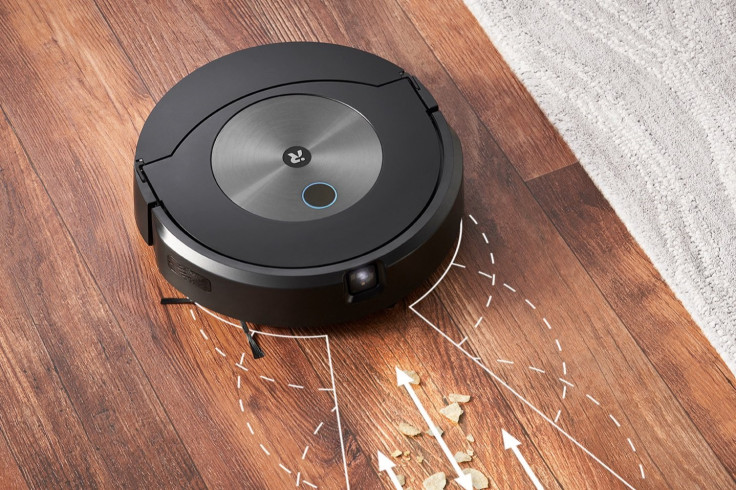
iRobot, the creator of the Roomba robot vacuum cleaner based in Massachusetts, has recently filed for Chapter 11 bankruptcy protection. According to a press release, the company handed over its control of the iconic brand to its Chinese contract manufacturer, Picea Robotics. The decision marks the conclusion of over thirty years of independent operations for a firm that was once a household name in the area of robotics.
Reportedly, iRobot cited a combination of weakening consumer demand, fierce competition from lower-priced Chinese brands, significant debt, and challenging tariffs as major factors contributing to its financial downfall.
How Rising Tariffs Strained iRobot
Trade policy played a surprisingly crucial role in iRobot's decline. In recent years, the US trade regime has seen an increase in tariffs on imported robotics and components, notably a 46% duty on products made in Vietnam, according to a PwC report. The country is the primary manufacturing location for Roombas intended for the US market. Reportedly, this tariff alone contributed approximately $23 million (£17.25 million) in costs in 2025.
Most of the firm's Vietnam‑produced units were subject to this levy as manufacturers connected to Beijing aimed to avoid increasing costs in China. This then positioned Vietnam as a crucial export centre for their goods. The recent rise in tariffs has complicated long-term planning and exerted downward pressure on profit margins within a highly competitive price segment.
Alongside these levies, iRobot has debts to the US Customs and Border Protection amounting to several million dollars in unpaid tariffs. This highlighted persistent disputes regarding classification and duty assessments that have affected its financial records.
Tariffs also had an impact on iRobot's pricing policy. In previous years, tariffs on products brought in from China prompted the company to increase retail prices to counterbalance the extra expenses, weakening its edge against more affordable competitors.
Some temporary exceptions were made that lowered duty rates, but they weren't permanent. This made planning for the supply chain more volatile and uncertain.
What This Means for Customers
Owners of Roomba vacuums and other iRobot products can rest assured that there will be no immediate disruptions. iRobot and Picea have announced that current devices will remain operational, backed by the existing app ecosystem and customer service infrastructure for the duration of the restructuring phase.
Warranties, software updates, and support channels are anticipated to continue operating effectively in the next few days. However, the outlook for the longer term remains uncertain.
As a privately held entity under Picea's ownership, there may be changes in strategic priorities, especially in terms of product development, regional support, and after-sales services.
Meanwhile, current shareholders may face significant losses, as the Chapter 11 process essentially eliminates existing equity prior to the takeover.
@kensfinds You can purchase refill bags and other accessories for this Roomba on amazon as well! @iRobot #irobot #cleaning #floorcleaning #cleaninghacks #roombai7 #robotvacuum #amazon #amazonfinds #amazongadgets #amazoncleaningmusthaves #cleaninggadgets #cleaningfinds #cleaningtips #cleaninghacks #CleanTok #cleanwithme #cleaningmotivation #cleaningszn #cleaningmusthaves #Cleanwithme #capcut
♬ original sound - Kens 🍒🫶
Roomba's Contribution to Smart Homes
Founded in 1990 by engineers from Massachusetts Institute of Technology, iRobot gained widespread recognition following the introduction of the first Roomba robot vacuum in 2002.
The Roomba may not have been the very first robot vacuum ever created, but it certainly paved the way for widespread commercial success. It introduced autonomous cleaning to everyday homes and sparked the development of a whole new range of smart devices.
Throughout the years, iRobot has successfully sold over 50 million robots globally, according to The Times of India. These products have undergone significant development over several generations, featuring advancements like app connectivity, sophisticated mapping and navigation, cloud-based intelligence systems, and integrated mopping functions.
The company reached a high valuation of approximately $3.56 billion (£2.66 billion) in 2021, but its market capitalisation plummeted to about $140 million (£104.6 million) by the end of 2025.