
Secretary of State Marco Rubio walked back U.S. military threats in Venezuela in his testimony to senators about the Trump administration’s next steps in the country after the capture of its longtime leader Nicolas Maduro.
In prepared remarks to the Senate Foreign Relations Committee Wednesday, Rubio said the U.S. is “prepared to use force to ensure maximum cooperation if other methods fail,” adding that the administration will “never shy away from our duty to the American people and our mission in this hemisphere.”
But he later testified that the U.S. is not “postured” for taking any military action in Venezuela “at any time.”
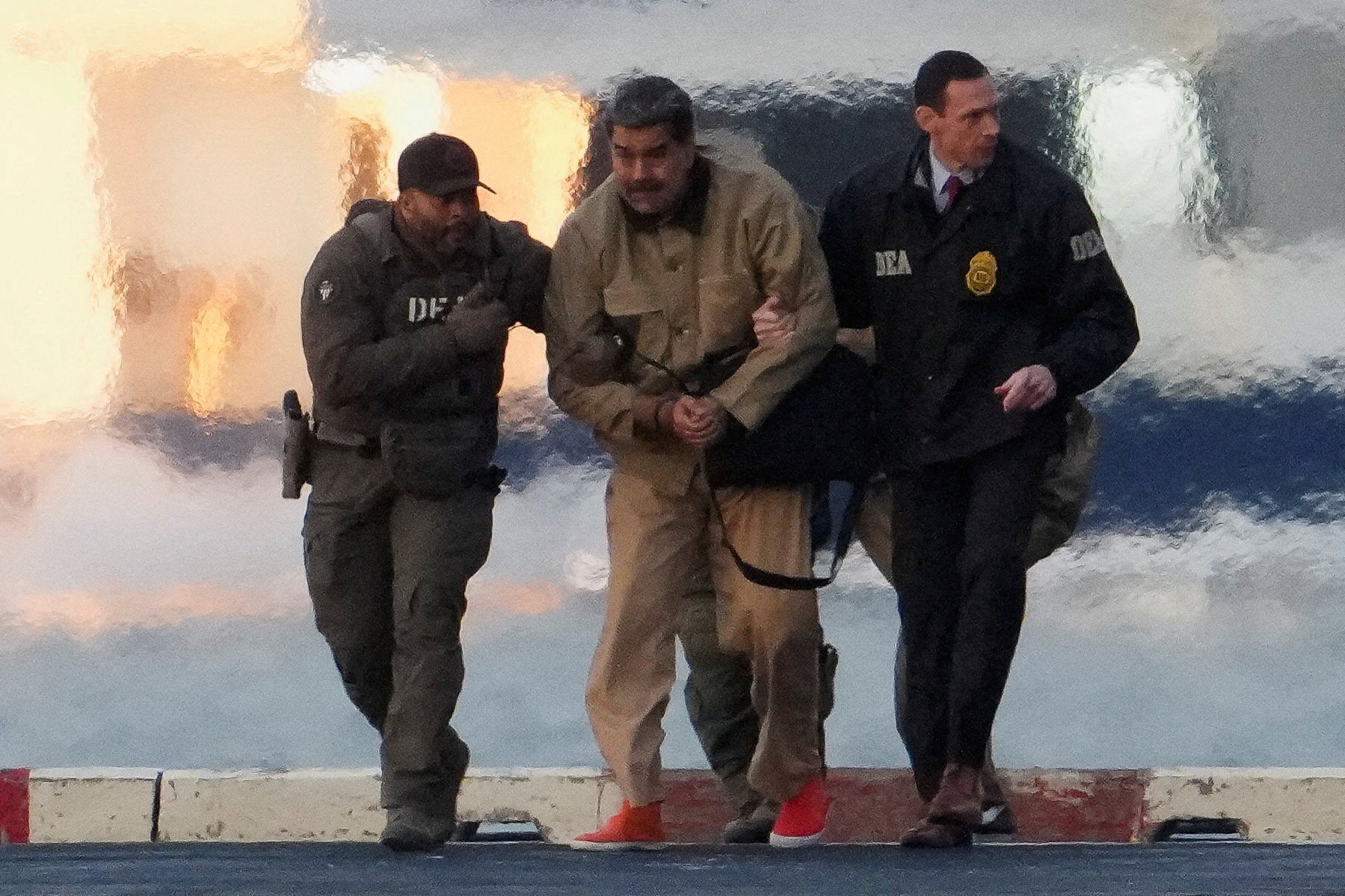
Rubio’s testimony is the first from any Trump official after strikes on alleged drug-running boats that have killed dozens of people in international waters. It was also the first hearing after a lethal U.S. military operation to capture Maduro, the culmination of President Donald Trump’s months-long pressure campaign to topple the autocrat’s government and “run” Venezuela with oil companies in tow.
“I can tell you right now with full certainty, we are not postured to nor do we intend or expect to have to take any military action in Venezuela at any time,” Rubio said Wednesday. “The only military presence you will see in Venezuela is our Marine guards at an embassy.”
Democratic Senator Chris Murphy pressed Rubio on whether the administration would seek congressional authorization to “compel cooperation” over oil sales at the center of the U.S. occupation in Venezuela.
Rubio admitted that the administration is required to notify Congress if “we're going to be involved in something that's going to put us in there, involved, in a sustained way,” but he said he doesn’t “anticipate” that happening.
“Everything is moving in a very different trajectory right now,” he said. “We don’t anticipate it, but it could happen, but we hope not. We don’t want it to happen. On the contrary, if we had to take military action, it would set us back on all these other things … we’re talking about.”
Military intervention “is not good for, you know, recovery and transition,” he said.
“That’s not what we hope to see,” he added. “It’s certainly not our goal here. A lot of that will depend on them, but I think it would require the emergence of an imminent threat of the kind that we do not anticipate at this time.”
After their capture, Maduro and his wife Cilia Flores pleaded not guilty to four charges related to U.S. allegations that the ousted president and top officials in his administration steered a massive cocaine trafficking operation.
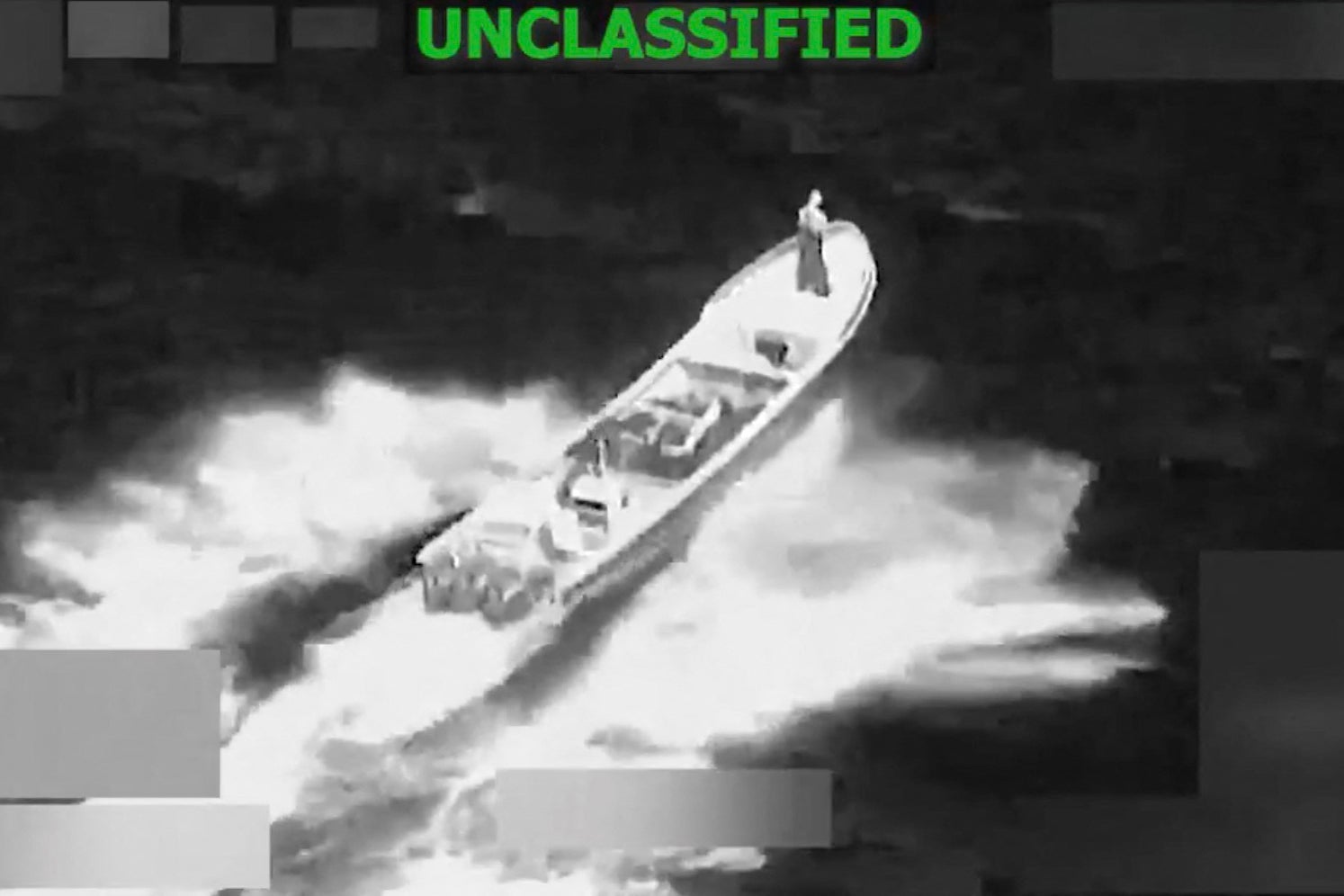
The U.S. has also seized Venezuelan oil tankers and directed at least 30 attacks on alleged drug-running boats off the country’s coast and in the eastern Pacific Ocean, killing more than 120 people since September.
Democratic Senator Tim Kaine blasted what he called “the complete weakness of the legal rationale” behind the boat strikes, which lawmakers only received in classified briefings.
“I can’t tell you why the rationale for attacking Venezuela is hollow because, again, it was shared in a closed setting,” including the “murder of shipwrecked survivors,” Kaine said.
“Even in this first public hearing, five months in, there’s a lot we can’t talk about,” he said. “If it was such a righteous operation, why is the administration and the [Republican] majority in the Senate so jealously protecting the details about it?”
In a press conference after Maduro’s capture earlier this month, Trump said an interim “group” with top administration officials will “run” Venezuela for “a period of time” until the United States determines a “peaceful and just transition” can take place.
Trump did not rule out the possibility of American “boots on the ground,” though he suggested U.S. military assets would protect the country’s vast oil infrastructure in a nation with the largest proven oil reserves in the world.
“We’re going to have our very large United States oil companies, the biggest anywhere in the world, go in, spend billions of dollars, fix the badly broken infrastructure and start making money for the country,” Trump said.
The United States will then sell “large amounts of oil to other countries,” according to Trump.
“We’re in the oil business,” he said. “We’re going to sell it to them.”

Senator Murphy accused the Trump administration of “taking their oil at gunpoint.”
“You are holding and selling that oil,” he said.
Rubio, who also serves as Trump’s national security adviser, acknowledged that the Trump administration gave no-bid licenses to two U.S. oil trading companies to get Venezuelan oil to market, which he called a “short-term fix” while a “long-term plan” involves direct sales to refineries and an expanded presence from companies like Chevron.
He said the Trump administration has also offered up a “short-term mechanism” to support basic Venezuelan government services, but Rubio refused to commit to a timeline for a democratic transition.
“Three or four or five months from now cannot look like what today looks like,” he said.





.jpg?w=600)



