
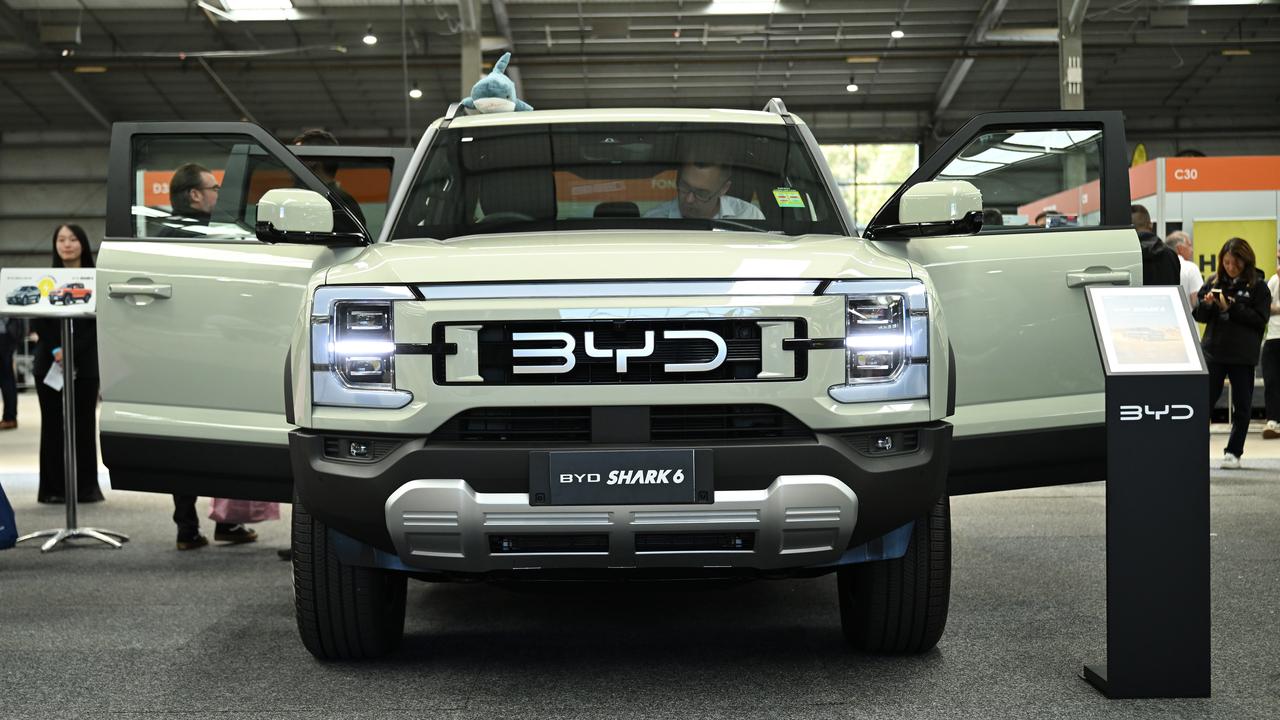
Almost one in every three cars sold in Australia is a low-emission vehicle as the popularity of electric, hybrid and plug-in hybrid cars has raced ahead while petrol vehicles have slipped into reverse.
Data released by the Federal Chamber of Automotive Industries and Electric Vehicle Council revealed the trends on Tuesday, showing new petrol car sales fell by 10 per cent during 2025, losing ground to more energy-efficient models.
Passenger car sales also continued to slide backwards during the year, while SUVs remained consumers' top vehicle choice, and a ute claimed the title for Australia's best-selling vehicle.
The trends come as debate rages over a tax exemption offered for some electric vehicles and after the federal government floated a road-user tax for low-emission cars.
Despite the potential changes and challenging economic conditions, Australian motorists bought 3750 more new cars in 2025 than in 2024, reaching a total of more than 1.24 million vehicles.
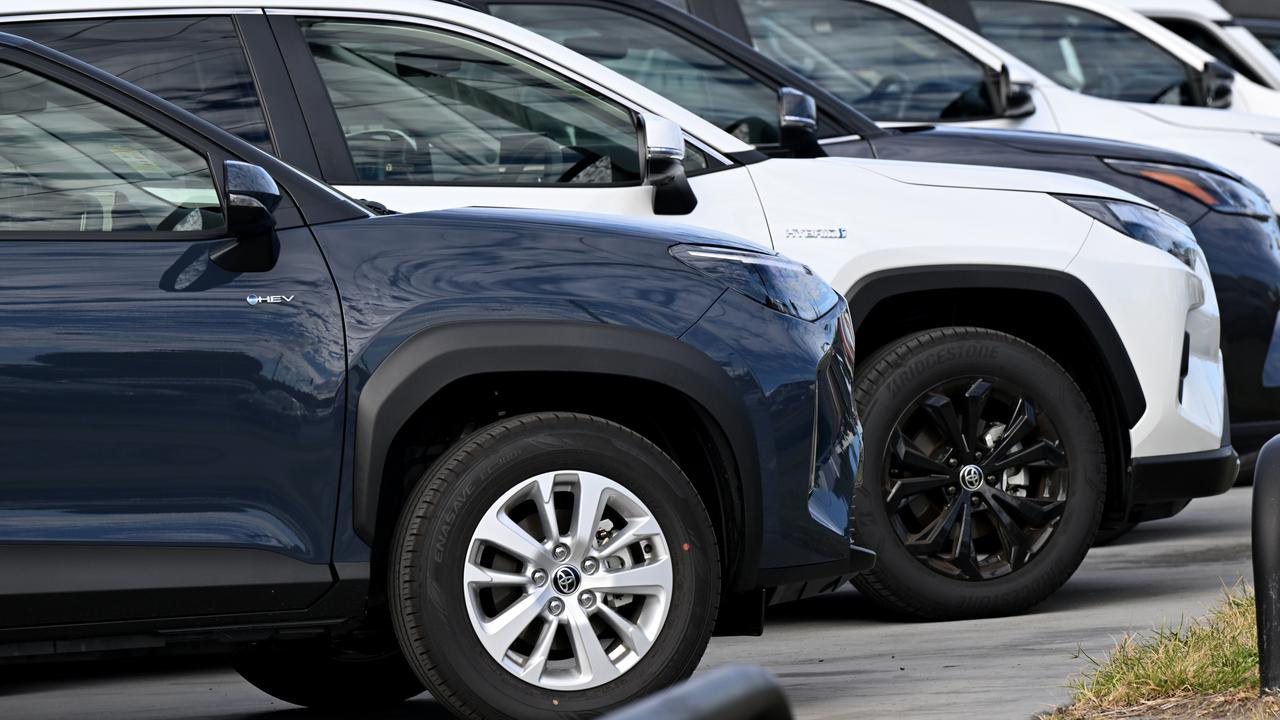
Plug-in hybrid vehicles experienced the strongest growth during the year, more than doubling to top 53,000 sales, while hybrid vehicles rose by 15 per cent to reach 199,000 sales.
The popularity of hybrids showed motorists were eager to invest in efficient vehicles that met specific needs, chamber chief executive Tony Weber said.
"Many consumers are choosing hybrid and plug-in hybrid vehicles as a practical transition towards lower emissions," he said.
"While overall volumes eased slightly, the market continues to evolve as new technologies become more widely available."
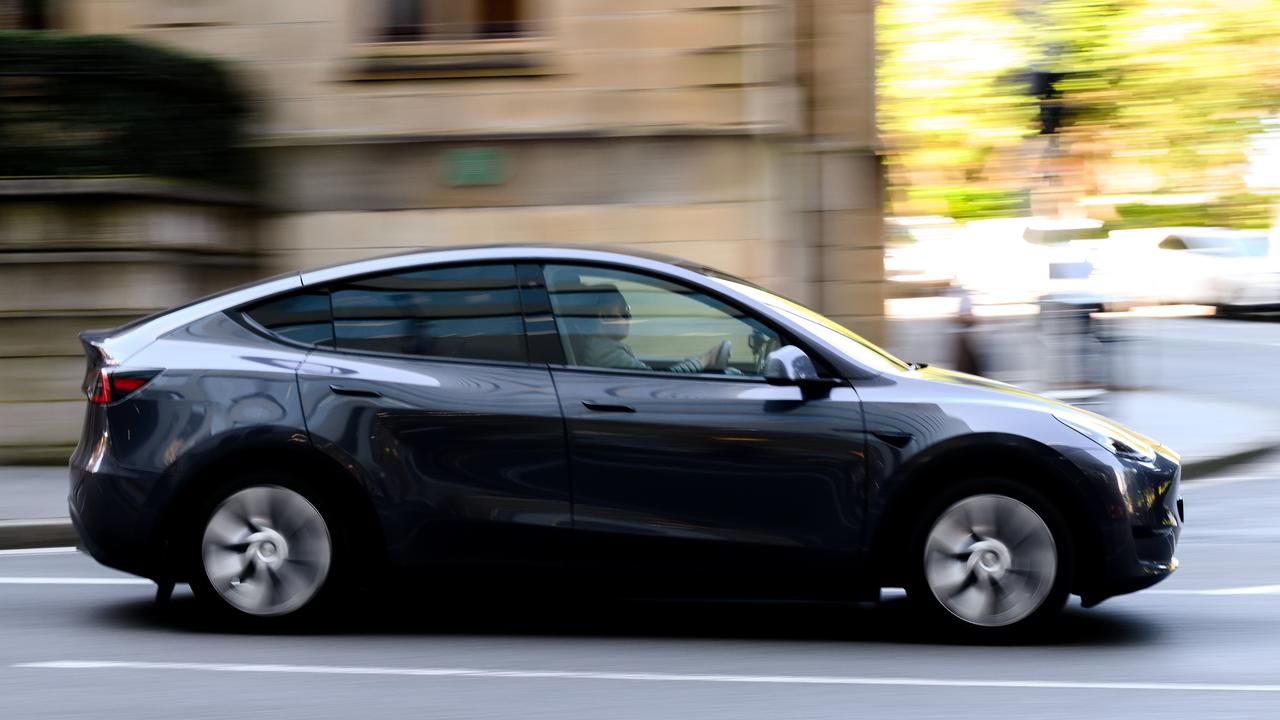
Electric cars also rose in popularity during the past year, exceeding 103,000 sales to represent 8.3 per cent of all new vehicles.
The figure is up from 7.4 per cent during 2024, but Mr Weber said growth was slower than expected and proved that Australia's New Vehicle Efficiency Standard (NVES) had not addressed demand for electric vehicles.
The policy, introduced in January 2025, set emissions targets for car brands that will increase over time.
"The NVES has provided policy certainty and has led to an increased availability of EVs in Australia, however it has had little discernible effect on EV demand," he said.
"There is growing concern about what the impact of the NVES will be on vehicle availability, affordability and consumer choices as the government's targets become more stringent."
In the electric car race, BYD sold significantly more vehicles than its closest rival, Tesla, during 2025 with a total of more than 52,800 cars sold.
But Tesla narrowly retained its title as Australia's biggest electric car provider by selling 28,856 compared to 25,287 for BYD, with its remainder being hybrid vehicles.
Australians' preference for SUVs grew even more in 2025, reaching 60 per cent of all new car sales, while passenger vehicles fell to 12 per cent of cars sold.
The Ford Ranger ute claimed the title of top-selling vehicle for the year, however, while Toyota, Ford and Mazda were named as the most popular brands.
TOP-SELLING NEW VEHICLES IN 2025
1. Ford Ranger (56,555)
2. Toyota RAV4 (51,947)
3. Toyota HiLux (51,297)
4. Isuzu D-Max (26,839)
5. Ford Everest (26,161)
6. Toyota Prado (26,106)
7. Hyundai Kona (22,769)
8. Mazda CX-5 (22,742)
9. Mitsubishi Outlander (22,459)
10. Tesla Model Y (22,239)
Source: Federal Chamber of Automotive Industries and Electric Vehicle Council