Yemeni Houthi rebels have carried out a confirmed missile attack on the Saudi-flagged oil tanker Encelia, igniting a fierce fire on the vessel and raising immediate fears of global fuel shortages and severe gas price hikes.
Operating from the southern Red Sea, the Iran-backed group claimed responsibility for targeting both the Encelia and a second vessel, the Layla, under a newly declared naval blockade against Saudi-linked shipping.
While maritime monitoring agencies and the Saudi Press Agency verified that the Encelia suffered a bow fire with no crew casualties, the unverified status of the second strike highlights a volatile security vacuum.
As international Brent crude benchmarks surge toward $100 a barrel, energy traders and shipping conglomerates are confronting the nightmare scenario of a dual-chokepoint crisis impacting both the Bab El-Mandeb Strait and the Strait of Hormuz.
Tanker Attack Raises Fresh Alarm
Houthi said they targeted the Encelia and Layla after claiming the vessels had violated its maritime embargo against Saudi-linked shipping.
In a statement, the group described the operation as 'specialised', claiming it used drones, ballistic missiles and cruise missiles and caused 'major fires' aboard both vessels.
However, only one strike has been independently confirmed.
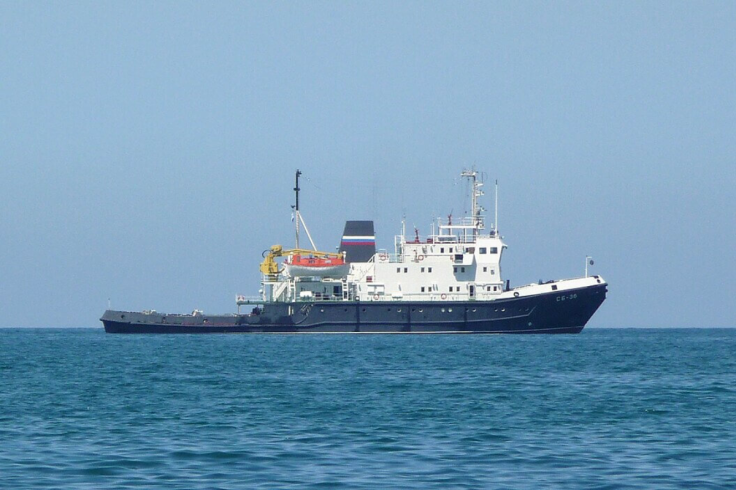
Saudi Arabia's public transport authority said the Encelia was hit while sailing in the Red Sea, causing a fire in the bow. The crew was unharmed.
The United Kingdom Maritime Trade Operations, or UKMTO, also reported that a tanker was struck by a projectile around 70 nautical miles off Al Shuqaiq, on Saudi Arabia's Red Sea coast, north of the Bab El-Mandeb.
There is no reliable independent confirmation that the second vessel, Layla, was attacked.
Why Bab El-Mandeb Matters
The Bab El-Mandeb Strait is a narrow maritime gateway between the Red Sea and the Gulf of Aden, connecting major shipping routes between the Middle East, Asia, Africa and Europe.
Around 15 per cent of global maritime trade moves through the wider Red Sea corridor, making the waterway a critical artery for commercial shipping and energy supplies.
The Houthis threaten to shut down this global oil chokepoint, but they may not need to formally close it to cause disruption.
Kpler data cited in the reference reporting showed that just 29 vessels passed through the strait on July 21, a 34 per cent decline. More vessels have reportedly turned around in the nearby Gulf of Aden.
That is a significant warning sign. If shipping companies decide the route is too dangerous, vessels can be rerouted around Africa, adding time, fuel consumption, insurance costs and freight expenses.
Could Fuel Prices Rise?
The connection between Houthi attacks and gas prices is not immediate, but a prolonged disruption could put upward pressure on energy costs.
The chain reaction is simple. More attacks could discourage ships from using the route, while longer journeys raise transport costs. At the same time, fears of disrupted oil exports can push traders to price in tighter supplies.
That can lift crude prices, which may eventually feed into petrol and diesel costs.
However, one confirmed tanker attack does not mean a global fuel shortage is imminent. The real danger is escalation, particularly if attacks continue and shipping traffic keeps falling.
Saudi Oil Faces New Pressure
The crisis is especially sensitive for Saudi Arabia, one of the world's largest oil exporters.
As regional disruption has increased, the Bab El-Mandeb has become more important for maintaining oil flows through the Red Sea. A sustained threat to the corridor could therefore create another pressure point for Saudi exports.
The key question is how much oil could actually be disrupted and how quickly alternative routes could compensate. Global markets have buffers, but those buffers become less reassuring when multiple regional risks emerge simultaneously.
Iran, Trump and a Wider Conflict
The attacks come amid the wider Iran war and growing regional tensions.
The Houthis are backed by Iran, while sources cited in the reference reporting said the group was preparing to threaten the strait on behalf of Tehran. That remains a reported assessment, not an independently verified fact.
Still, the strategic implications are significant. A proxy force capable of threatening global shipping can create pressure on Saudi Arabia and the United States without requiring Iran to directly attack every vessel. That puts US President Donald Trump in an increasingly difficult position as the conflict threatens to spread into global energy markets.
What Happens Next
The real nightmare for global energy markets would be a crisis spreading across both the Bab El-Mandeb and the Strait of Hormuz, two vital arteries that keep oil and goods moving around the world. If both were seriously disrupted, the consequences could ripple far beyond the Middle East, sending shipping costs soaring, tightening energy supplies and potentially driving fuel prices higher for millions of people.
What begins as a regional military escalation could quickly become a global economic shock, leaving the world watching nervously to see whether the next tanker strike is the one that finally pushes the crisis over the edge.