
The day is here: Google I/O is happening today!
This year, Google has confirmed that I/O will run across two days, May 19 and May 20. The main keynote kicks off on Tuesday, May 19, at 1 p.m. ET, followed by multiple developer sessions, workshops, and announcements throughout the event.
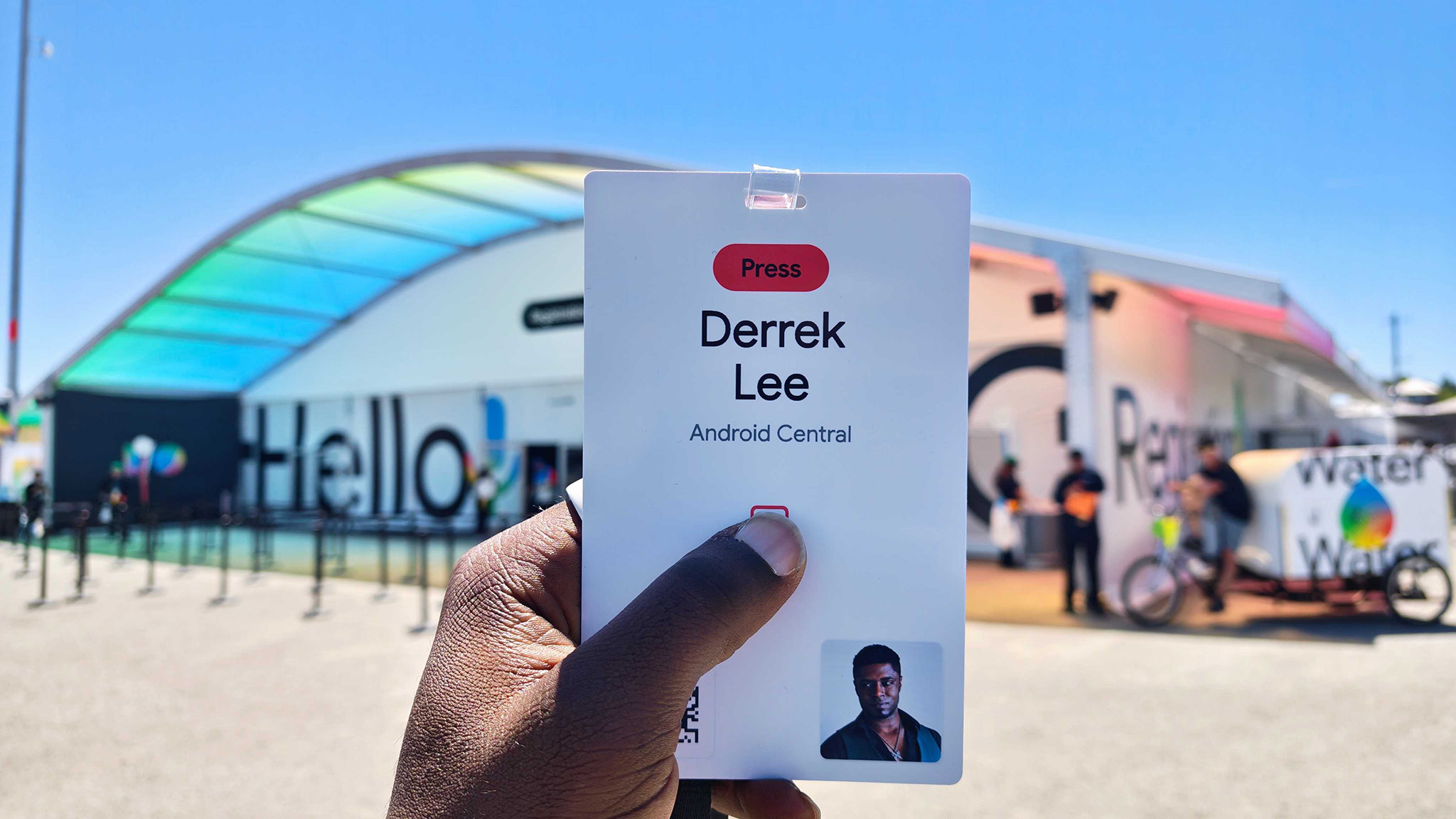
Android Central's Managing Editor Derrek Lee is in California for all the exciting announcements.
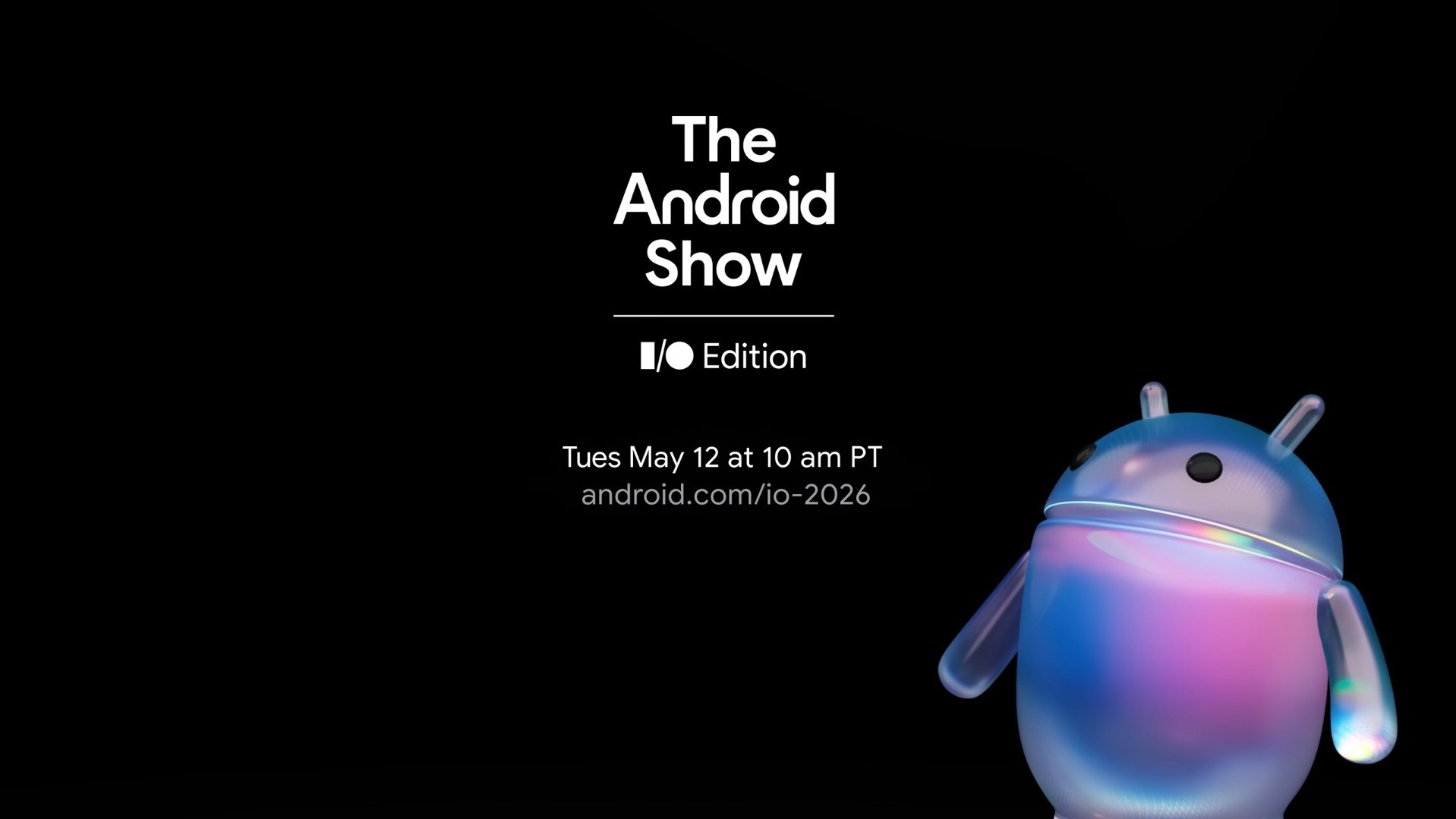
For the second year in a row, Google streamed a special I/O edition of The Android Show ahead of the big event, highlighting some notable updates coming to its platforms. There was a lot to cover and some exciting announcements for Android, Gemini, and even a teaser for the upcoming Googlebooks.
It almost makes us wonder what’s in store for Google I/O and what announcements the company is saving for the big event. Perhaps Google will announce the next big evolution of Gemini, give us more details about Android XR, and give us some much-awaited updates on upcoming Google Home hardware. We’ll just have to wait and see.
For now, follow along with this Live Blog. We plan to cover loads of things leading up to the event!!
When does Google I/O start?
Google I/O 2026 starts today, May 19, with the main keynote scheduled at 1pm ET. But I/O is more than just one event, and Google has dozens of sessions and events planned throughout today and tomorrow, May 20. Some of these will be aimed at devs, but Google has plenty of consumer-facing sessions where we will get to see the latest in Android 17, Android XR, Gemini, and much more!
How to watch Google I/O
If you're not at the event, you can still watch the entire I/O 2026 keynote and other events live through Google's official I/O website and YouTube channel. As a reminder, the main keynote kicks off at 1pm ET, so that's 10am PT, 6pm BST, and 10:30pm IST. The event is being held at Shoreline in San Francisco, California.
We will be covering everything you need to know and like we said, Derrek will keep us updated on everything!
Google I/O 2026: All the biggest expected announcements
Android 17 is obviously going to be a key focus at I/O 2026, and with Google giving us a preview of what's coming at The Android Show last week, we know that Gemini Intelligence will play a bit part in today's announcements. But that's not all! Google is likely to showcase everything new with Android XR, Android Auto, the brand-new Googlebooks, and its services. Here's a high-level overview of what's likely to be announced:
- Android 17: Google previewed several features coming to Android 17 , including Create My Widget, Rambler in Gboard, Pause Point, and others. Most of these features leverage on-device AI, so it's no wonder that Google is putting Gemini front and center, even calling Android 17 an "intelligence system."
- Android XR: There's been a lot of excitement around Android XR after Google announced the initiative last year, and we will get to see new XR glasses made in collaboration with Xreal and Samsung. Gemini is likely going to be a major part of this endeavor as well, so get ready to see Google talk up how it is integration AI into smart glasses.
- Gemini Intelligence: Google is building out Gemini into an agentic framework, and we'll get to see what that means in everyday use, and how all the new features coming to Gemini will make it easier to use your phone. The agentic model includes things like a browsing assistant and travel planner, so it is intriguing to say the least.
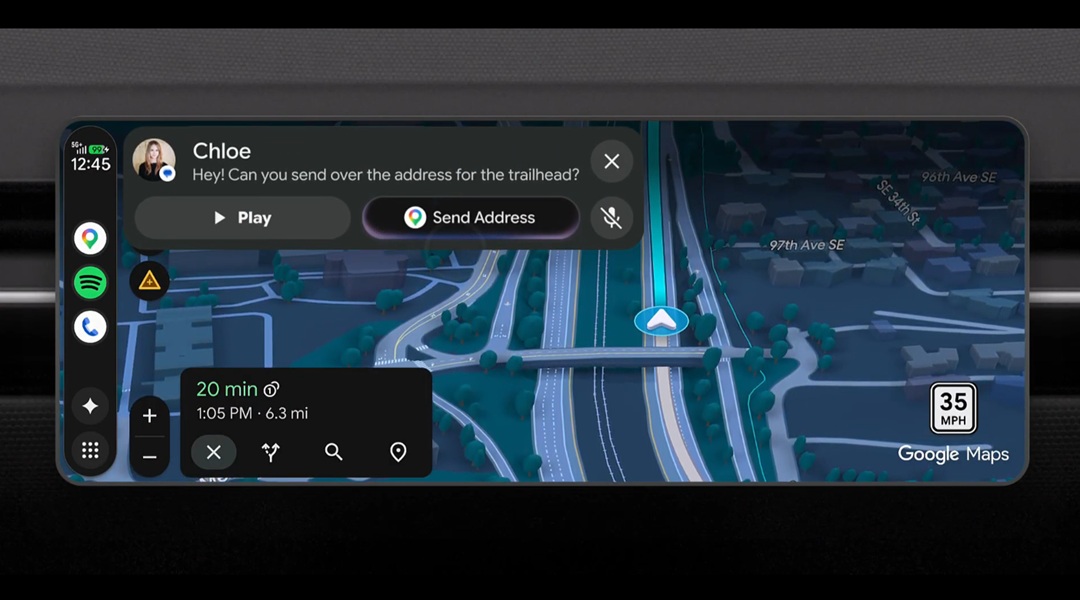
- Android Auto: Google showed off a new look for Android Auto, and the interface is now able to scale better across various brands' cars. Also new is Dolby Atmos integration in select vehicles, content playback in HDR, and Gemini integration.
- Googlebook: While we got an early look at the Googlebook, we don't know about the exact details other than the magic cursor that invokes Gemini based on contextual use. We should also see what manufacturing partners Dell, ASUS, Lenovo, Acer, and HP are doing in this category.
- Google Health : With Fitbit now integrated into Google Health, it will be interesting to see just where Google takes the platform, and what new features it will introduce.
- Google Home: It's about time we get a new Google Home device, and recent leaks point to Google doing just that. While there isn't much information available, it sounds like we'll get a device similar to the Nest Hub that comes with a built-in panel.
Gemini Intelligence is a big step forward for Android, bringing more automation and context across Google’s platforms. We’ve already seen a big of what this can do, thanks to Magic Cue and Now Nudge on the Pixel 10 and Galaxy S26, respectively. Google plans to take app automation to the next level and bring it to even more devices.
One cool capability powered by Gemini Intelligence is an improved Gboard voice-to-text feature called Rambler. It intelligently transcribes your voice while accounting for the “ums,” “ahs,” and “likes,” allowing you to speak more naturally while converting your voice.
Android 17 is becoming more creator-friendly, and one of the coolest features coming to the platform is Screen Reactions. If you’re a creator, this should be very useful to you, as it makes it easy to record an overlay of yourself over a clip in the background without needing to set up a green screen or use third-party apps.
Pixel users will get the feature first this summer when Android 17 rolls out, and it should land on other Android devices in the future.
Android Auto is getting some much-needed love. Users will be happy to know that the experience will better fit a wider range of infotainment display shapes, such as that of the Lucid Air. The update includes wallpapers and Material 3 Expressive UI elements, adding more color to your experience.
Android Auto will also bring an expanded Google Maps view that fills the entire screen, as well as a new Immersive Navigation experience that offers more detail, including 3D images of buildings and roads, and enhanced turn-by-turn instructions.
Security is an important part of Android, and Google is enhancing user protection with a new spoof protection feature. To safeguard users from spoofing, the system will verify bank calls in the background and end the call if it detects someone is impersonating a bank.
The feature will work for participating financial institutions if the user has the associated app installed on their phone. The system will essentially check with the app to verify that a call is actually being made from the bank. To start, only Revolut, Itaú, and Nubank will support the new spoof protection feature, but it will expand to other banks in the future.
During the Gemini Intelligence portion of The Android Show, we got a peek at a radically different UI design for Gemini. Google is being pretty weird about this new design, telling Android Central, "Gemini Intelligence comes with an updated design language that builds upon Material 3 Expressive." Clearly, this design language isn't anything like Material 3 Expressive, despite what the company says, so maybe it's just testing the waters for something new and relatively small to see how public reaction goes.
Google also debuted the Chrome Autobrowse feature, which builds upon Gemini Screen Automation, which was launched alongside the Galaxy S26 earlier this year. With Autobrowse, you give Gemini a task, and it does all the annoying searching and researching for you. Google's example was to find the best place to park for an event, something that often requires using multiple apps or websites, plus a good chunk of time to find.
Sticking to the Autobrowse topic for another minute, I'm wondering how many people will feel comfortable with letting Gemini perform these tasks. Do you find yourself trusting the AI summaries on Google searches, or using AI to complete tasks like this with confidence? I know a lot of people who are skeptical about AI's accuracy for these kinds of things (with good reason), and I'm wondering how many people might be willing to offload a task to Gemini and trust the end result. What do you think? I'd love to hear from the community on this one!
While some people might not trust Gemini with complicated tasks just yet, there's one area I can't wait for Gemini to take over: filling out forms. With this latest Gemini Intelligence upgrade, Gemini can now auto-fill all those annoying web forms with a single tap, including the boxes that the current Chrome auto-fill always seems to be incapable of doing. It's about time!
Gemini Intelligence is the start of Android’s shift to becoming an “intelligent system” instead of an operating system, but that shift might leave quite a few Android flagships behind. We recently learned on the Gemini Intelligence landing page that strict technical requirements will rule out many recent flagships from running the new AI suite. The system requirements for Gemini Intelligence are a “qualified SoC” (in other words, a flagship chip), 12GB of RAM, and certain on-device AI models (AI Core and Gemini Nano v3).
There are many Android phones with 12GB of memory and a flagship chip, but Gemini Nano v3 is more elusive. For now, the only Samsung phones that support it are the Galaxy S26, Galaxy S26 Plus, and the Galaxy S26 Ultra. The only Google phones with Gemini Nano v3 are the Pixel 10, Pixel 10 Pro, Pixel 10 Pro XL, and the Pixel 10 Pro Fold.
As you’ve probably noticed, that list not only leaves out last-generation flagships, but also some current models like the Galaxy Z Fold 7. Of course, Google could expand Gemini Nano v3 support, and we hope it does. But for now, Gemini Intelligence looks much more limited than we initially thought.
The limitations of Gemini Intelligence are somewhat surprising considering the planned scope of the AI suite. Google said in its announcement that Gemini Intelligence “will become available across your Android devices including your watch, car, glasses and laptops later this year.” It also explained that a gradual rollout of features will begin starting with “the latest Samsung Galaxy and Google Pixel phones this summer.”
But considering the demanding system requirements for Gemini Intelligence, we are doubtful the suite will run on-device on platforms like Wear OS, Google built-in, or Android XR. Instead, it seems more likely that Gemini Intelligence could run on-device on Android phones and Googlebooks, with watches, cars, and glasses tapping into the advanced AI suite through a tethered connection. We’ll have to wait and see to be sure, though.
Do you need Gemini Intelligence? If the eligibility requirements for the new AI suite are indeed as we’ve described, a lot of Android phones will be left out — even recent flagships. A lot of Android and Gemini fans may find themselves asking that very question later this summer. Although it’s easy to want the latest and greatest AI software, the answer might be “no.”
Gemini Intelligence is all about automation. It uses many of the same Gemini features and models you can already use on your Android phone, and now supports agentic navigation and background processes of those tasks.
Without Gemini Intelligence, you won’t be able to ask Gemini to book a tour in the Expedia app in the background while you use your Android phone for other tasks. You will, however, still be able to use features like Nano Banana, Gemini, and Circle to Search without Gemini Intelligence. So, it’s important to remember that the Gemini features you love aren’t going away — Gemini Intelligence just expands on them.
Google already claims that Android blocks more scams and fraud attempts than iPhones, and the company expanded on that during The Android Show 2026. Google is bringing a much-improved version of Live Threat Detection to Android. This feature continuously monitors apps on your phone to ensure they aren't abusing permissions, such as forwarding SMS messages, misusing accessibility overlays, or secretly accessing sensitive information in the background.
Not only that, but Google has also updated the “Mark as lost” feature inside Find Hub. Android 17 will now require biometric authentication in addition to your PIN or passcode when a lost device is marked in Find Hub. This means even if someone somehow knows your passcode, they still won't be able to unlock your phone without biometric verification.
Another major set of upgrades coming with Android 17 is focused on creators. Google says it has partnered with Meta to optimize Instagram on Android. The company claims it has improved the entire capture-to-upload pipeline so that photos and videos uploaded from Android devices retain much better quality.
Android is also gaining support for Ultra HDR for both capturing and viewing content. Google is also finally optimizing Instagram for Android tablets and large-screen foldables, something users have wanted for years. And on top of that, Adobe Premiere is officially coming to Android later this year as well.
Hold the phone; did you know Google has a new “Home Speaker” on the way? The company revealed this product last fall when Gemini for Home debuted. It’s a small, rather cute-looking speaker with a colorful, textbook Gemini ring light beneath its body. At the time, Google said it “engineered” the speaker for Gemini, meaning we should expect major integrations and uses once this rolls out. I’m definitely keeping Google to its original timeline of a Spring 2026 reveal… so, I/O, right?
Gemini for Home entered early access for Google Home users shortly after its debut in October. Since then, the company’s been upgrading the AI, giving it better accuracy, and making it so it doesn’t cut you off or take away time from follow-up questions.
Do you see where we're going with this? “Natural conversational” capabilities were the name of the game for Google’s new smart home outlook. We are fully expecting to see the Google Home Speaker show up during I/O, and more than the little teaser we got (which was pretty good) late last year.
Googlebook sounds like an exciting endeavor and evolution of Google’s Chromebook efforts, and since the announcement, we’ve heard a little more about what’s in store for the upcoming laptops. Both Qualcomm and MediaTek revealed that they will be powering these new devices and that it won’t just be an Intel-only affair.
This is a pretty big deal because Qualcomm has already proven that it can power Windows machines that promise long battery life, strong performance, and powerful AI capabilities. We’re excited to see what Qualcomm and MediaTek can bring to the Googlebook table.
Google announced a number of partners that plan to launch new Googlebook hardware, and the lineup is pretty stacked, including Acer, ASUS, Dell, HP, and Lenovo. However, one question remains: Are we getting a new Pixelbook, too?
It’s been a minute since we got a dedicated laptop from Google with the Pixel branding on it, but there’s definitely a thirst for it. The last Pixel laptop launched in 2019, and a follow-up is well overdue. Rumors have suggested that Google is working on new first-party laptop hardware, and it would be the perfect way to showcase what Googlebook can do, especially with that cool glow bar.
The new Gemini Intelligence features sound neat, and one way Google is working to expand and enhance app automation is by getting developers on board. With Android AppFunctions, developers can enable richer interactions with their apps, making it easier to get things done without lifting a finger.
Perhaps an app-less world is really in the near future, and we’ll instead just interact with AI agents.
We can’t be the only ones excited about Adobe Premiere making its way to Android devices. It’s been an iOS-only affair for some time, and for anyone who does amateur or professional video editing, this will provide a new avenue to work from, letting you edit on the go without carrying a huge laptop or waiting until you get home to your desktop computer.
And I love that work flows will include ways to edit and post directly to YouTube Shorts, which sounds like a win for Google.
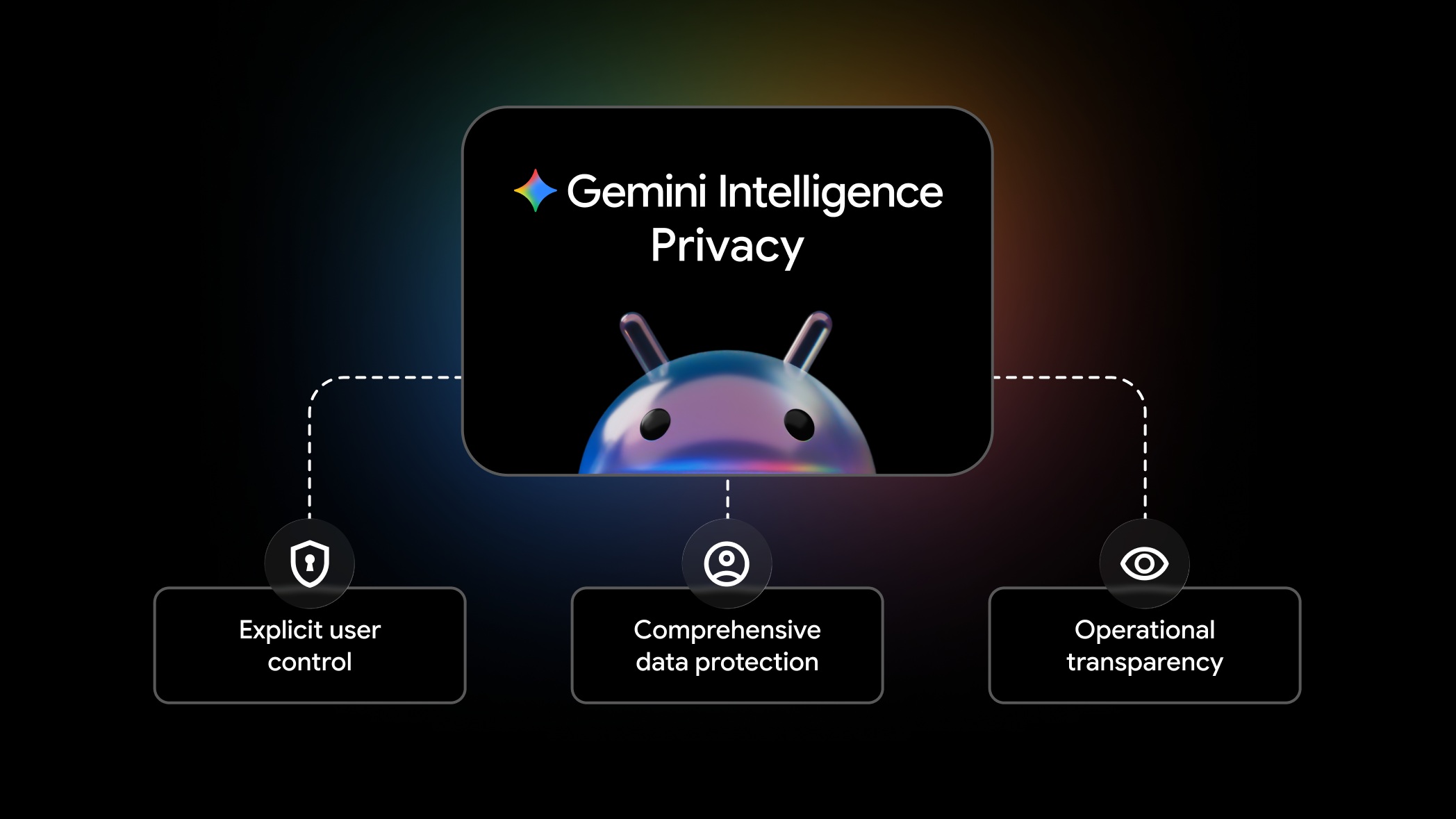
One thing that a lot of people may appreciate about Gemini Intelligence is that Google is designing this with privacy in mind. That means, when using features like screen automation or proactive AI suggestions via features like Magic Cue, you have control over how your data is used. You tell it when to automate an action, you tell Gemini when to connect to apps, you enable features like Gemini in Autofill, and you give it access to your data and peripherals like your camera.
One of the new Gemini Intelligence features lets you describe your dream widget so that Gemini can build it for you. Nothing launched a near-identical feature on its latest phones back in February, and I've been extremely happy with how its creation engine works.
While we haven't seen the feature in detail yet, there's something special about being able to create your own widget. For years, I've been annoyed by one feature (or lack thereof) in specific apps' widgets, so I'm hoping this lets me address those concerns with my own ideas.
Gemini Intelligence seems designed to get you off your phone more and let you enjoy the world around you more (by having AI handle all the time-consuming stuff). Google is also upgrading the operating system's Digital Wellbeing features with a new Pause Point feature, which kicks in after you've hit your specified app time limits.
Pause Point takes all those distracting apps, shrinks them into a little tile, and helps you stop and think a bit about your usage patterns. You can swipe left to put the app away, or swipe right to get back to what you were doing. It's a bit of added friction in your daily routine, designed to make your smartphone use more intentional and less about mindless swiping.
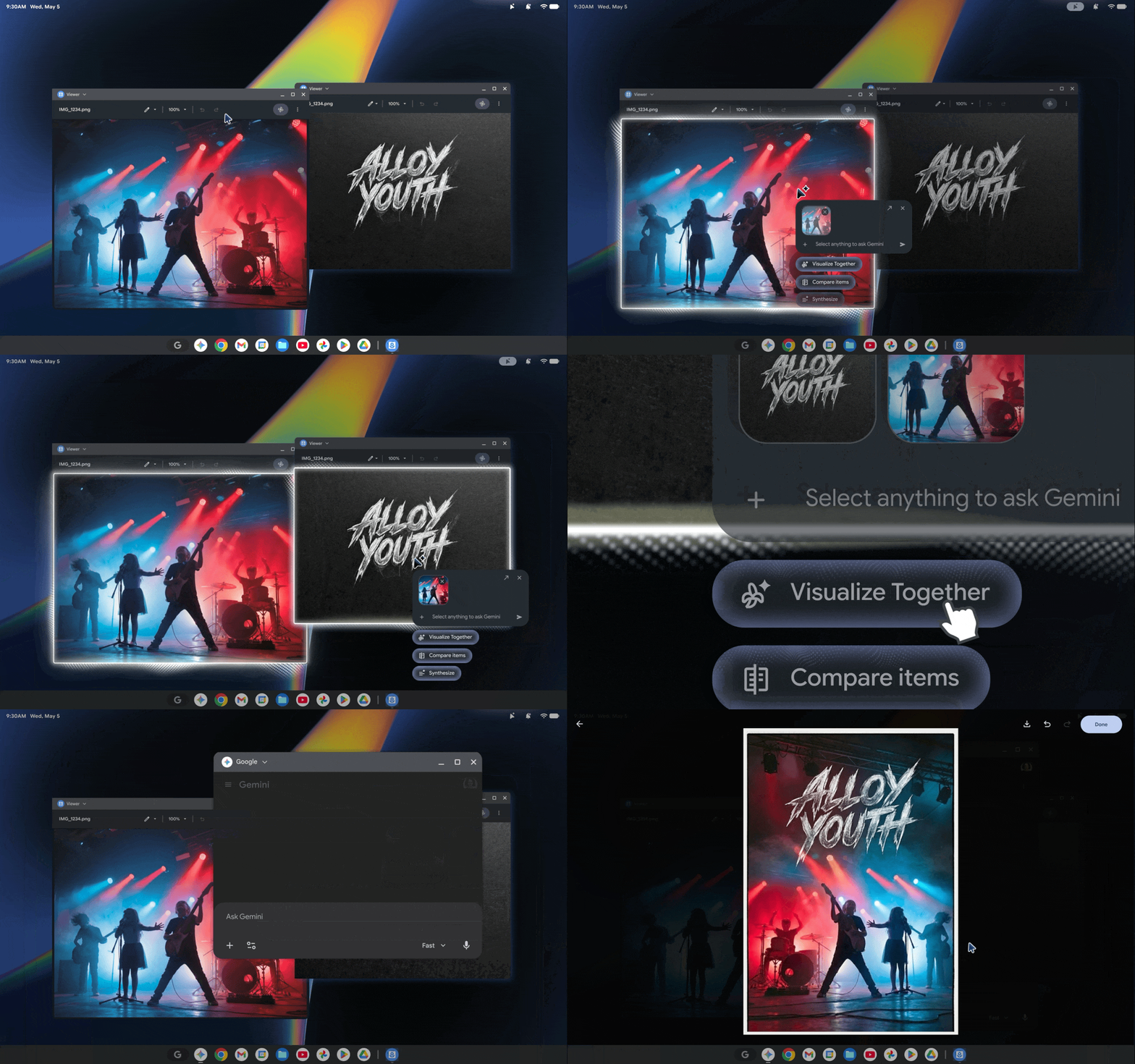
And Gemini Intelligence isn't just coming to Android phones, it's also in the new GoogleBooks laptops and soon to be in your desktop or laptop Chrome browser. One of the key features is Magic Pointer, a sort of "circle to search" for mouse pointers. Google says you can give the pointer a shake to wake the feature up, then hover over anything to see context-specific actions. It's an interesting extension of the behavior many of us have already learned to love on our Android phones, and now it's making its way to more platforms, backed by Gemini.
If a lot of these new features sound right up your alley, Google is also introducing a new phone-switching software utility that makes it even easier to copy all the stuff on your old phone over to a new phone. No matter if you're on an older Android phone or an iPhone, Google's new utility will bring everything over, including your home screen layout and widgets. It sounds pretty wild!
The Googlebook brand is all about hardware. A lot of people will make the Pixelbook comparison, and trust me, I’d love to see a Google-made Googlebook (A Pixel Googlebook? A Google Googlebook?). However, Googlebook sounds more to me like the next-generation successor to Chromebook Plus. As a recap, these are the key requirements that allow a Chromebook to be branded as Chromebook Plus:
CPU: Intel Core i3 12th Generation or above, or AMD Ryzen 3 5000 series or above
RAM: 8 GB or more
Storage: 128 GB or more
Web camera: 1080p or better with Temporal Noise Reduction
Display: Full HD IPS or better
In other words, Chromebook Plus laptops are still ChromeOS devices made by third-party OEMs. Google is setting standards that ensure you know exactly what kind of experience you’re getting when you see the “Chromebook Plus” brand. That’s Googlebook in a nutshell. Google is still partnering with Acer, ASUS, Dell, HP, and Lenovo to actually make Googlebooks, but the company mandates a premium hardware experience and a “Glowbar” across the board.
So, what exactly are those Googlebook standards? They’re a little vague at the moment, but here’s how Google describes them in a sentence: “a new category of laptops built with Gemini’s helpfulness at its core, designed to work seamlessly with the devices in your life and powered by premium hardware.” The premium hardware part is most exciting to me — the early Googlebook renders look stunning, and the so-called cheap feel of Chromebooks has been a longtime deterrent.
However, I’m hoping that Google eventually comes out with a concrete list of characteristics or requirements that make a Googlebook, similar to what we have for Chromebook Plus. It would go a long way in making Googlebook feel like a cohesive brand, rather than a collection of Android-powered laptops. If, for example, the emphasis on “premium hardware” rules out plastic materials or low-memory configurations, it’d be nice to know.
Luckily, Google says it will “have a lot more to share later this year.
There’s one thing about Googlebooks’ “premium hardware” that scares me: the price point. Google seems quite optimistic about the software capabilities of Googlebooks, even touting new apps like Adobe Premiere. That said, they are still set to run an Android/ChromeOS hybrid known as Aluminum OS. That probably puts limits on what Google and its partners can charge for Googlebook laptops, as people might not feel comfortable paying upwards of $1,000 for an Android-powered computer, even if it has “premium hardware.”
Hopefully, we’ll hear more about Googlebooks price point soon. They’re entering the laptop market at a challenging time, though. Rising component prices are thinning profit margins and shortages are causing some configurations to disappear completely. Then, there’s the MacBook Neo. It’s a full-fledged macOS laptop with premium build quality priced as low as $499 for students and educators. This puts pressure on Windows laptops and Googlebooks to remain competitive with aggressive pricing.
It’ll be a tough choice for Google and its partners as to how to price Googlebooks. I doubt they’ll be as cheap as the MacBook Neo, but they can’t be more expensive than the high end of the Chromebook Plus market today ($750).

Another smaller update, but one that is a big deal, is the introduction of redesigned emojis in Android 17. For years, people have complained that Android emojis look flat and uninspiring, especially compared to the iPhone, and it finally looks like Google is addressing that.
While the company hasn't fully shown off the complete emoji set yet, it says the new emojis will feature a more 3D-like look similar to what iPhones currently offer. Honestly, this is one of the Android 17 features we are most looking forward to later this year.
One of the biggest new Googlebook features is Magic Pointer. This is essentially an AI-aware cursor that understands context based on what you're pointing at on the screen. For example, you could point it at an email, and it would extract important information from it, or even point it at two different images and combine them together.
Google initially made it seem like this would remain exclusive to Googlebooks, but the company has now confirmed that Magic Pointer is also coming to Google Chrome on Mac and Windows. Google still hasn't revealed exactly when the feature will roll out or which regions will get it first, but it looks like it should arrive sooner rather than later.
Samsung has a pair of smart glasses on the way, thanks to its work with Google, that should give Ray-Bans a run for their money. That’s the idea, anyway, isn’t it? I could talk about rumors, but there was an interview held with Samsung’s vice president of mobile business, Jay Kim, which highlighted an “eye level camera” on the lenses. Supposedly, this will help the glasses “understand” what the user sees, and then send that info to their phones.
Imagine seeing a poster in another language, and instead of reaching for your phone, your glasses are already on it.
It’s unclear if Samsung will debut its long-awaited smart glasses at I/O 2026. What we are expecting is for the company to at least have them around. Whether it’s Google doing the showcase or someone from Samsung, it doesn’t matter. What matters is that we see something extra; a feature we haven’t seen before, or use cases that we haven’t seen yet. If Samsung is going to do these glasses, we want them to do so with flair and confidence.
A cool feature that Android 17 is getting is Pause Point; this is different to Digital Wellbeing in that it lets you prevent distractions. The idea is that if you tag an app as distracting, Pause Point adds a little friction that will let you consider if you actually want to use it at that time.
Basically, you'll get a 10-second timer where you can do breathing exercises, get alternatives, or set a timer to use that app. Instead of just freezing the app, Pause Point provides usable alternatives that are better in my opinion. The entire idea with the feature is to not waste hours on distracted scrolling (as it so often is the case these days), and to be mindful about how you actually use your phone.
AirDrop integration with Android phones is just plain cool, and it’s great to see that the feature is coming to additional devices. Recent Pixel and Galaxy devices can use the feature to send files to iPhones, and we saw the ability to do so on the Vivo X300 Ultra and the Find X9 Ultra as well as the X9 Pro. Google notes that the feature is reliant on “specific software integration and ecosystem support,” and that’s why phones like the Xiaomi 17 Ultra that use the same Qualcomm silicon don't have this feature yet.
The best new feature in Android 17 has to be Create My Widget. As the name suggests, you get the ability to make your own widgets, and it has limitless possibilities. While widgets have been around for well over a decade, getting the right one is always an issue (at least on most phones I use), and this feature aims to solve that issue once and for all. Best of all, you can just tell what kind of widget you want, and Gemini Intelligence does the legwork. It isn’t available in the latest beta, but should roll out with the stable build.
Google I/O is just a day away, and we’re expecting to see a lot of announcements at the keynote and beyond. There will probably be a lot of cool demos for new Gemini features, Android XR, and possibly even Google’s new Googlebook OS.
Google has given us a taste of what to expect from Google I/O after publishing the event schedule, but that only gives us part of the story. Make sure to check out our Google I/O 2026: How to watch and what to expect article for more on what we could see.
The overall theme of Google I/O should remain the same as it has in recent years: AI and its role in our lives and on our devices. We expect to hear the word “AI” a lot, but nowadays it feels like we’re hearing “agentic” just as much, and it will likely be a major focus at I/O. But what is agentic AI??
Agentic AI is the next step for AI, allowing it to act more autonomously rather than reactively, meaning you’ll spend less time telling the AI what to do and what it needs. The AI will execute a command while gathering all the information it needs to complete the task without your input. Or the AI can surface relevant information for you at certain times based on what it knows about you, your surroundings, and your actions. It’s truly an AI assistant.
We’ve been waiting for more Google Home hardware for some time, and it’s finally on its way. The Google Home Speaker was teased during last year’s Made by Google event with a “Spring 2026” launch date, so it’s likely we’ll hear more about it at Google I/O.
The $99 speaker will feature Gemini and support Gemini Live. It will come with a light ring for more visual responses, and 360-degree audio means you don’t need to worry about placement. Cooler yet, you can pair two of them together for stereo audio and even pair them with the Google TV Streamer.
Speaking of Google Home, there might be another device on the horizon. A recent look into the Google Home code suggests Google may be working on a new smart home display called the “Google Home Display,” a pretty apt name, if you ask me.
Most likely, this could be a sequel to the Nest Hub or Nest Hub Max, but whether Google will follow in its footsteps or take what it’s learned from the Pixel Tablet with a detachable screen is up in the air. I, for one, hope it’s the latter.
The Android 17 beta has been underway for some time now, but Google has been pretty vague about when it will arrive. We received the final Android 17 beta release in mid-April, so we’re about due for an update, which should be the final stable release. Android 16 was released on June 10, 2025, for Pixel smartphones, so the launch can’t be too far off, and we’re likely to get some clarity at or around I/O.
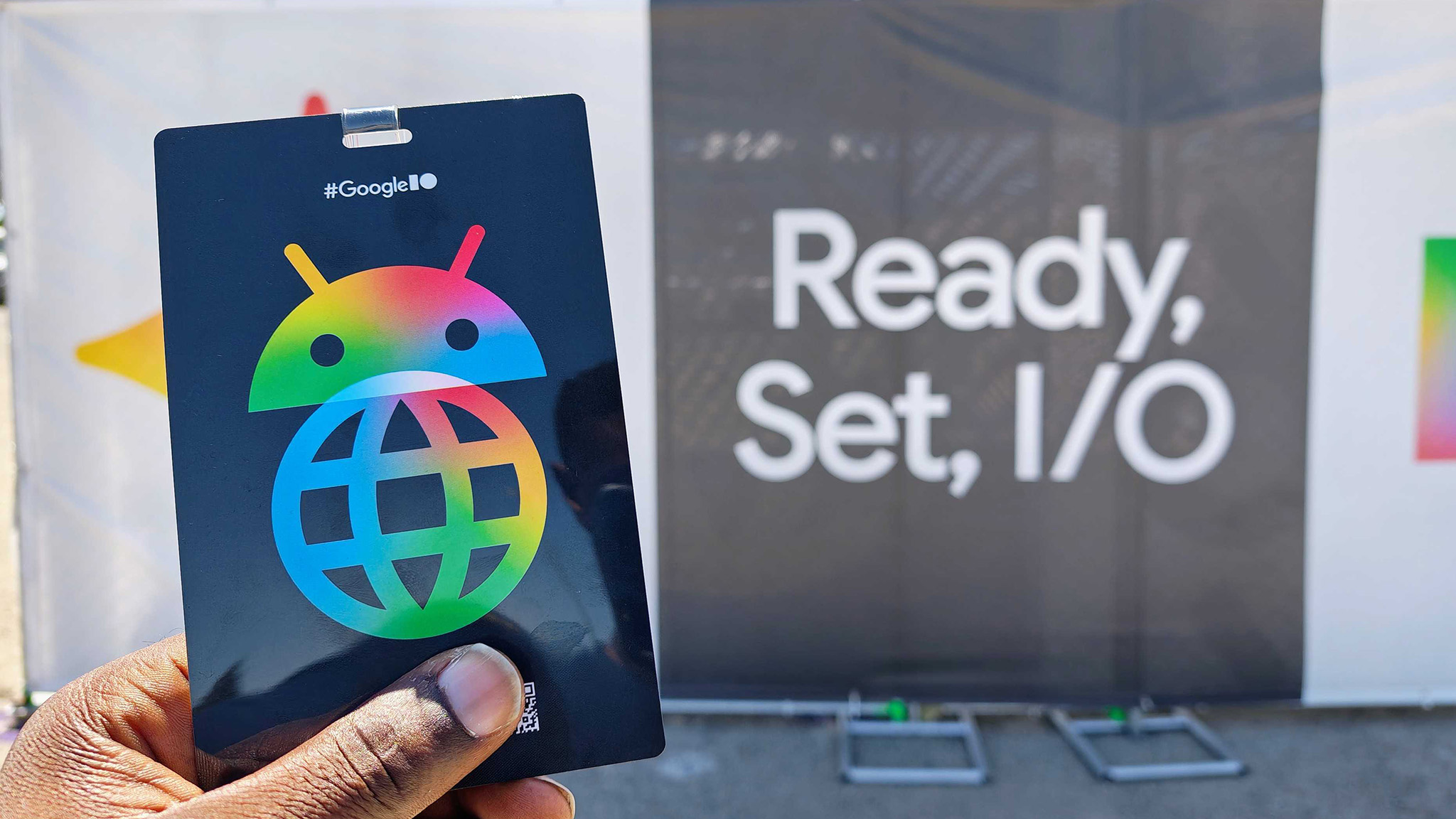
Android Central's Managing Editor, Derrek Lee, is officially on site at Google I/O 2026! The show doesn't officially begin until tomorrow (May 19) at 10:00 am PT, but we always like to be a little bit early to these kinds of things. Thousands of people get to attend Google I/O each year, and there's always something fun to find on Google's incredible campus.
Derrek will be our man on the ground at I/O this year, watching the keynotes live and getting his hands on everything Google plans to announce tomorrow. What are you looking forward to most? We'll make sure to cover it!
Last year, Google and Samsung launched Galaxy XR, a joint venture that launched the new Android XR operating system that's designed for headsets and smart glasses. While the Galaxy XR is a bit too expensive for most people to enjoy, upcoming Android XR smart glasses promise to deliver 90% of the experience for a lot less, all without the bulkiness of a VR headset. Samsung shipped the Galaxy XR without controllers to prove how well Android XR works with just your hands and voice, and I expect Android XR-powered smart glasses to be just as good in that regard.
Last year, Google and Xreal teased Project Aura, the first fully-fledged pair of AR glasses that'll be powered by Android XR. I think many of us expected Aura to debut as a commercial product by now, but complications in the broader tech market have clearly affected the roadmaps for many products. Still, I fully expect to see Project Aura make a full debut at this year's Google I/O, hopefully including live demonstrations and tech specs so we can fully understand how close these glasses will be to VR headsets.
To date, XR Glasses are mainly just wearable monitors. Some, like the Xreal One line, sport a chipset that can perform positional tracking and 3D conversion, but those processors aren't built to run applications like we expect Project Aura to. Instead, Aura should be more like Meta Orion, which I tried nearly two years ago at this point, which uses a separate "compute puck" that's essentially got the guts of a smartphone, just without a display, since the display will be inside the glasses, on your face.
Unsurprisingly, Xreal Project Aura is rumored to sport similar specs to Meta Orion, including a 70-degree field of view, which is nearly 20-degrees wider than currently available glasses from companies like Xreal and Viture. Will we see apps running on Project Aura on stage this year? I sure as heck hope so!
Given all the changes in the XR space over the past year or two, it's clear that Google is playing it safe with Android XR's slow rollout. While today's VR headsets (like the Meta Quest 3) are genuinely good products, they're still too big and bulky for most people to feel comfortable with.
Google looks to be building the bones behind future VR headsets, which will look and feel more like a thick pair of regular glasses instead of a head-mounted computer. I'm hoping Google makes a few more Android XR announcements this I/O, including the screen-free AI glasses from Gentle Monster and Warby Parker, which are built by Samsung and designed to compete with Meta AI glasses from brands like Ray-Ban and Oakley
We’re looking ahead to Google I/O, and one topic that is sure to be a highlight of the annual developer conference is vibe coding. Google has a number of AI-powered vibe coding tools, including IDEs like Google AI Studio and Google Antigravity. It also offers Google Labs experiments like Opal, which allows users to vibe code web apps with no coding experience. It has us wondering, what’s next for Google’s vibe coding efforts?
We know it’ll be a focus at I/O 2026, because Google is hosting a session called “Build next-gen AI experiences with Google AI Studio and Google Antigravity.” Could that be a preview of what’s to come? Google could announce a new AI coding experience at the event, or reveal how a current experiment will grow into a full-fledged vibe coding experience. It’s certainly something to watch, so stay tuned for our I/O coverage for more.
Another thing to keep an eye on at Google I/O 2026 is new AI models. Rumors are already swirling about Google dropping a new flagship Gemini model family at I/O, which isn’t too surprising. However, the brand could also update its suite of open-source AI models at the developer event. For those unfamiliar, Gemma is the name for Google’s open AI models, which anyone can deploy for free in their own setups or tools. There’s a session titled “What's new in the Gemma open model family” set for Wednesday, May 20 at I/O that will help attendees “uncover the newest additions to the family and dive into the practical tools that make them usable at scale.” If there are new Gemma updates, we’ll likely learn more about them a day earlier during the main or developer keynotes.
The last thing I’m watching closely at Google I/O is the evolution of Chrome. It’s a web browser, but it also serves as the foundation for many Google experiences. On platforms like iOS, macOS, and Windows, it is the primary vertical for interacting with Google AI features, such as Gemini or the upcoming Magic Pointer feature.
What’s next for the Chrome browser? At I/O 2026, hopefully we’ll learn more. There’s a “What’s new in Chrome" session set for Tuesday, May 19 that should shed some light on that.
Even though we got a lot of Android announcements at The Android Show earlier this month, we still didn't hear much about Android XR. Samsung is reportedly planning to launch its Galaxy Glasses later this year alongside the Galaxy Z Fold 8 and Z Flip 8, which would make them the first devices to ship with Android XR out of the box.
Since the last I/O, we've already seen Google showcase and explain how Android XR will work on smart glasses, but we still haven't seen a proper working product in action. Personally, I'm hoping we get to see some sort of Android XR-powered smart glasses later this year.
Google I/O 2025 was also when Google really pushed AI in Search, and since then, the company has continued improving it with more Gemini-powered features. In fact, Google has already said during its earnings calls that AI Mode is driving significant Search traffic and revenue growth.
So honestly, I wouldn't be surprised if Google announces even more Gemini-powered Search features at this year's event. What features related to AI do you want to see in Google search? Let us know!
While there’s a lot of excitement around how Google will integrate Gemini into its hardware and software products and what else the search giant might introduce, it’s important to note that I/O is ultimately just a showcase of what Google is up to. There have been numerous instances in the past where flashy demos didn’t really pan out to real-world products, or scenarios where Google didn’t have a long-term strategy (remember Google Wave?) around a new service.
What stands out in particular is Google Glass. The smart glasses were demoed in 2012 in a glitzy showcase that involved skydivers, and while Google released the product, it was underwhelming; the battery life was poor, it cost a lot, and had a limited feature-set. And the privacy implications meant Google never made much of a headway with the tech.
Google’s Motorola acquisition led to Project Ara, an innovative modular phone that was genuinely exciting. Basically, the idea was that you could slot in modules to bring added functionality to your phone. Don’t like the camera? Just switch it out. Want another battery? Just add a module to the phone. While it was a great idea, it was justifiably difficult to build, and Google ultimately abandoned the project. Oh well, at least we got the LG G5.
Another moment that’s notable was the Google Duplex demo in 2018. The AI-assisted service was uncannily good at answering calls on your behalf or booking reservations at restaurants, and the demo deservedly got a lot of attention. But the service never really debuted globally; it launched in a limited fashion later in the year, and it was heavily constrained – it wasn’t anywhere as usable as the demo.
The biggest I/O letdown has to be Allo. Google showcased the revolutionary messaging service in 2016, and it launched to much fanfare. The feature-set was different enough to make it stand out, and it had contextual AI at a time when artificial intelligence wasn’t close to being a buzzword. On the whole, it was a great platform, but Google’s fragmented messaging strategy meant Allo did not get the attention it deserved, and like a lot of great Google products, it faded away into obscurity less then a year after launch.
That said, I/O served as the launchpad for Google’s most successful products, including Android, Maps, Photos, and so on. The Material Design showcase at I/O 2014 was a pivotal moment, with the design language extending well beyond phones to cover most Google products across the web. A lot of cool features in Maps – including turn-by-turn navigation – made their debut at the event. And of course, the launch of Google Photos in 2015 was a landmark moment that changed how we save and share photos from all of our phones.
Switching gears, do you remember that whole #GetTheMessage campaign Google started right? Yeah, it was all about getting Apple to finally adopt the RCS messaging standard, so Android users texting iPhones can have a better time. I kind of think of this Quick Share, AirDrop expansion as a continuation of strengthening the iOS, Android relationship.
Since its expansion, Pixel 9 users can easily trade files with iOS devices. Google says it plans to extend this support to even more phones. Devices such as Samsung’s latest Galaxy S26 can do so. It’s worth noting that both devices (sender and receiver) are set as “discoverable” before beginning the file transfer. If Google’s doing anything more for this, I/O will be the place for it. I doubt we’ll see much unless Google wants to provide a definitive list and times to get other Android phone support.
Agentic AI has become that new buzzword that feels like it’s everywhere nowadays. My wonderful colleague, Derrek Lee, has discussed this before, but there’s so much to cover when it comes to this software. Agentic AI is more autonomous. So, when Google talked about Workspace Intelligence, I was pretty interested. Not because I’d use it, but because I wanted to see what it was about (I’m curious).
This new vision is all about understanding how you talk in emails and using the AI to help draft emails—without your manual typing—that “sounds like you.” What’s more, the AI could dive into your connected Workspace apps to surface “relevant” info for that email. I mean, yeah, it sounds nice, but it also sounds like a pain. I just hope we’re double-checking and triple-checking that AI. You don’t want to spill some company secrets just because you wanted AI to write a two-sentence email, do you?
Google I/O day is here, and we’re excited to see what Google has in store for consumers. Of course, I/O is more of a developer-focused event, so a lot of the content might be a bit too technical for the average consumer or Android fan (which is why The Android Show exists), but there are usually some notable announcements worth paying attention to, and we’ll be sure to highlight them after the keynote so you don’t have to sift through all the boring stuff!
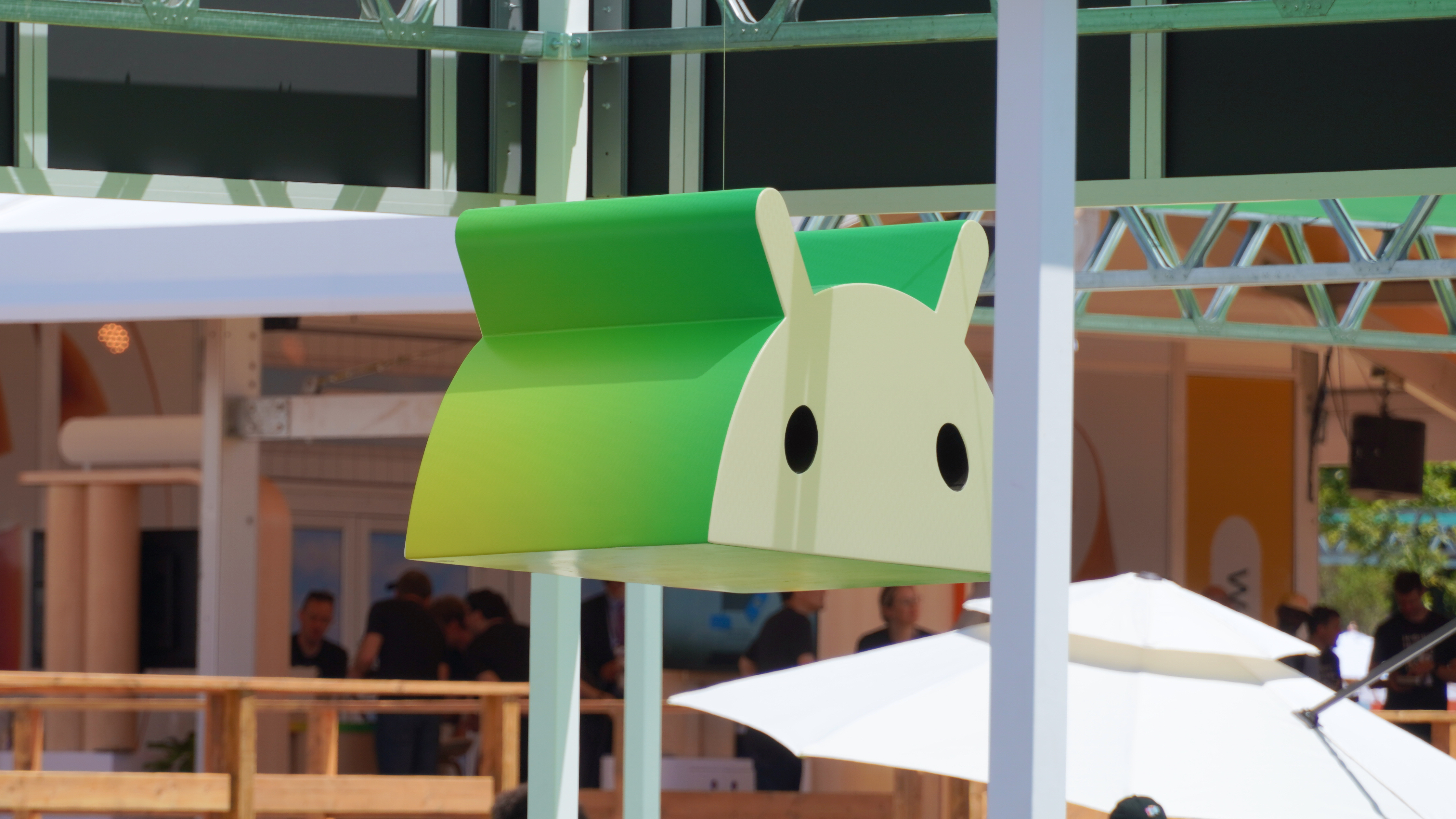
If you want to tune into the Google I/O keynote, you can stream it on Google’s official YouTube channel. The keynote begins at 10 a.m. PT / 1 p.m. ET, but if you can’t remember that, you can click the “Notify me” button so you don’t miss any cool announcements. Alphabet CEO Sundar Pichai is expected to headline the keynote, which features this description:
“Discover how we're furthering our mission to organize the world's information and make it universally accessible and useful.”
Of course, as a developer-focused event, there will be plenty for developers to dive into. After the main keynote, there will be a Developer Keynote, which begins at 1:30 p.m. PT / 4:30 p.m. ET. If you’re not a developer, this may not interest you very much, but if you’re curious, it’ll likely be available to stream on Google’s YouTube Channel.
The description for the Developer Keynote reads: “Explore the future of development with Google’s latest AI tools to boost productivity and create innovative new experiences across platforms.”
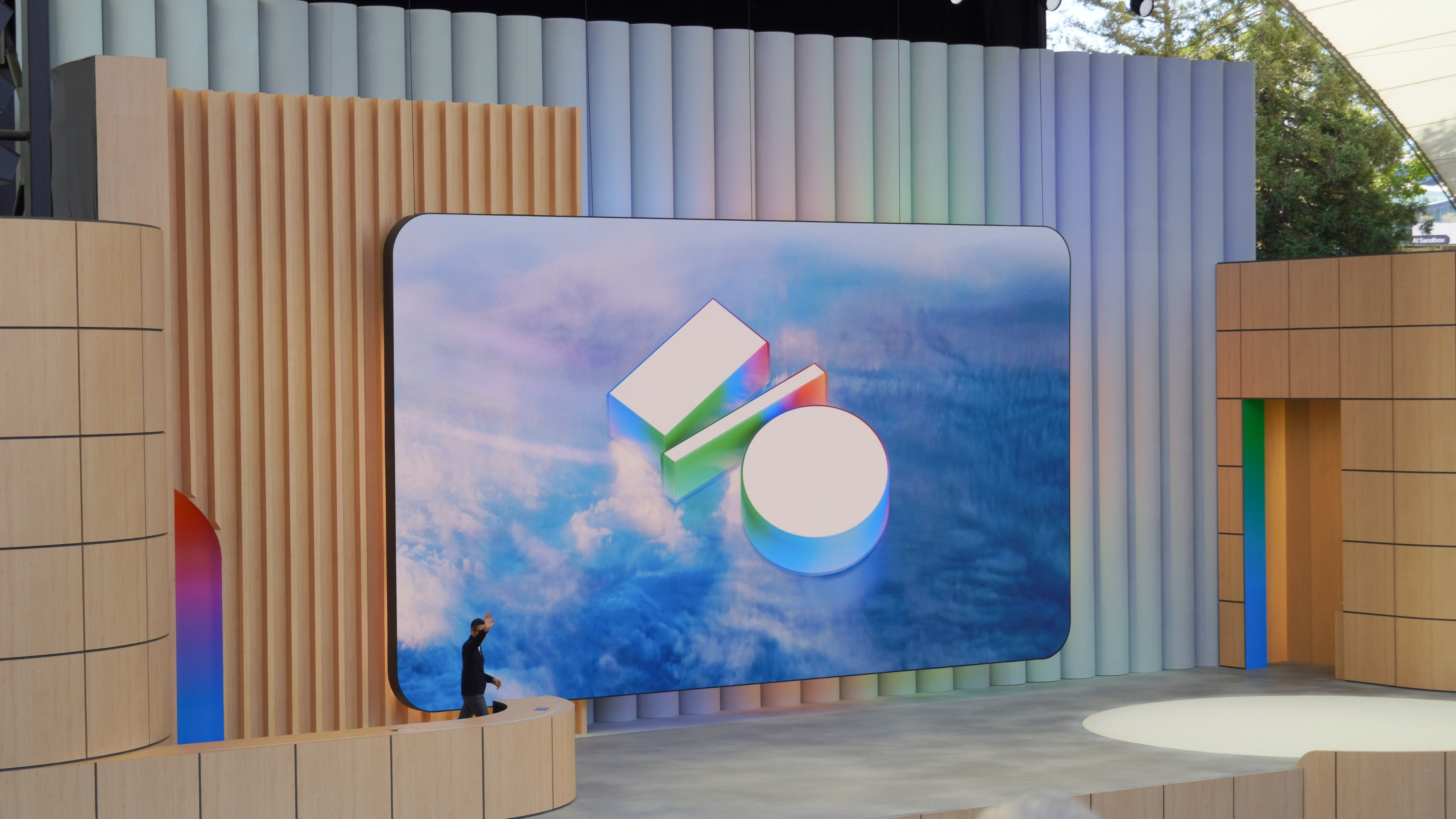
One of the first sessions at I/O is “What’s new in Google AI,” which already feels pretty loaded. As an AI-centric event, there will likely be plenty to talk about, from Google’s latest models, generative AI, agentic AI, “vibe-coding” and more. The session lasts for 45 minutes, and we’ll definitely keep an eye out for any cool announcements.
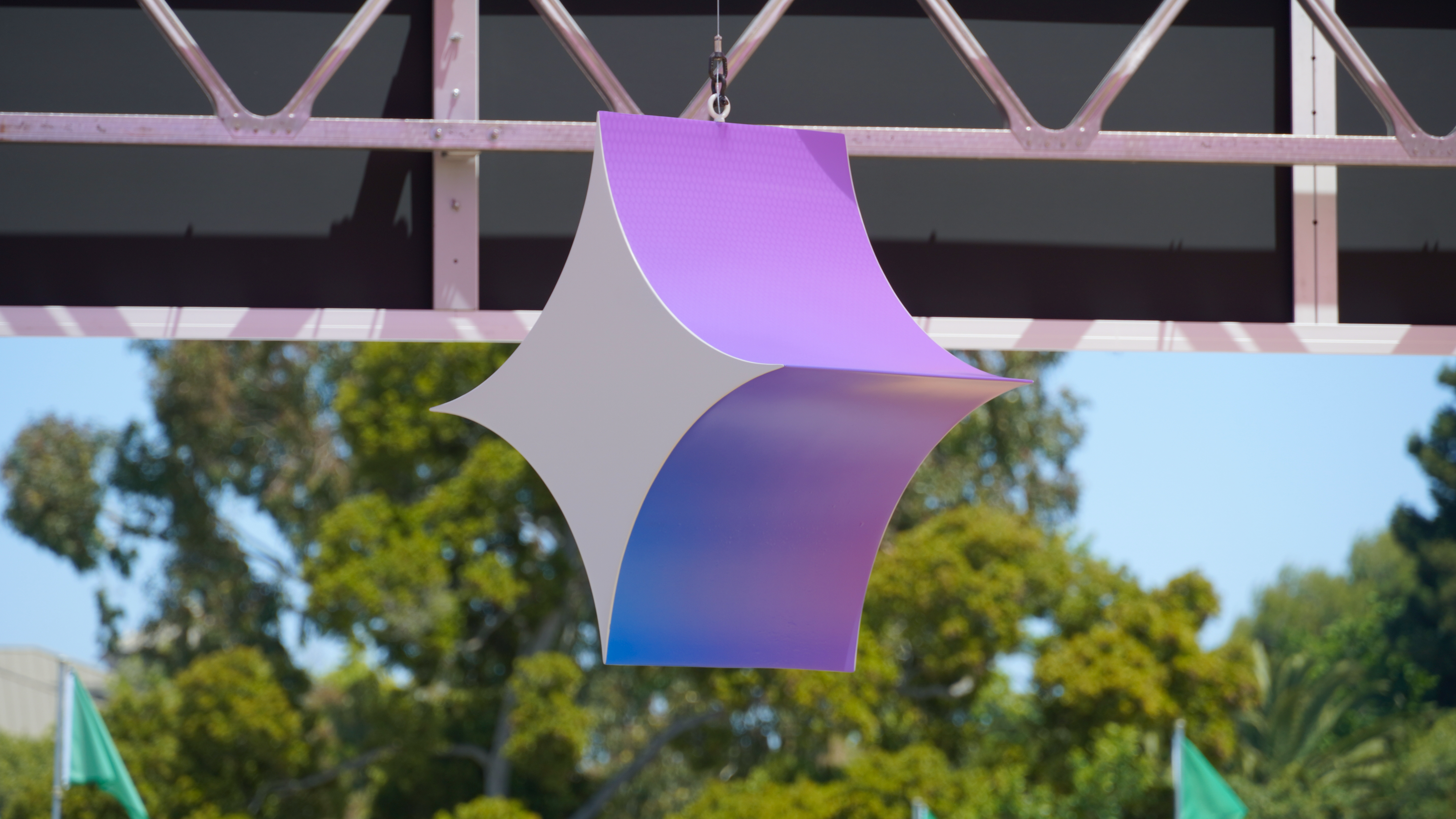
In the “What’s new for Android” session, the company says we’ll learn about “new functionality for desktop and large screened apps,” which tells me Google will talk more about Googlebooks and its vision for how users will interact with these laptops. I don’t know about you, but I’m extremely excited to learn as much as I can about Google’s AI-first desktop experience and how it will evolve from Chromebooks.
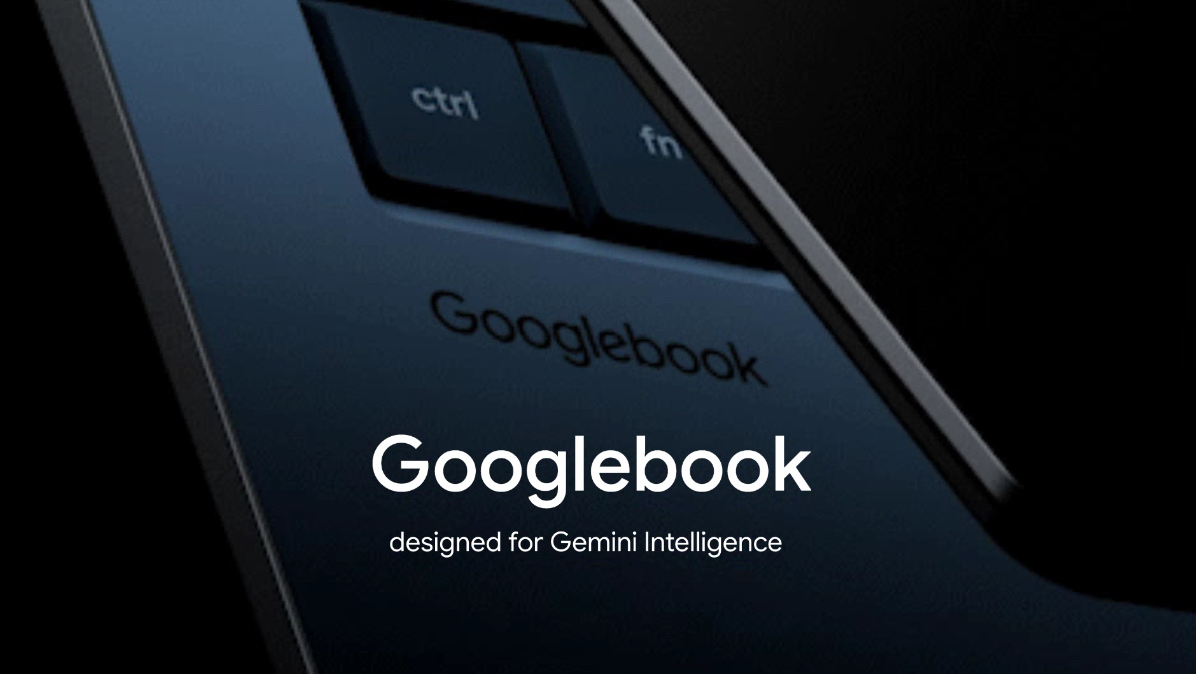
From Managing Editor Derrek Lee: I’ll be on the ground at Google I/O, and this will be my second year attending the event. I’m looking forward to seeing as much as I can, but I have my fingers crossed for more Android XR demos. Google had some demos last year ahead of the Galaxy XR launch, where we got to try some prototype display glasses, but it was a pretty short demo. Hopefully, since things have progressed a bit since then, we can spend a little more time with some Google-powered glasses.
When Google announced Gemini Intelligence, it made us immediately think of “Apple Intelligence. While not quite as clever as Apple’s naming (Apple Intelligence = AI, Gemini Intelligence = GI??), the name still evokes largely what Google is going for, since Gemini acts as the umbrella branding for Google’s AI efforts. It also helps that Google’s AI efforts are being fully realized, while Apple is still trying to figure out how to make AI happen.
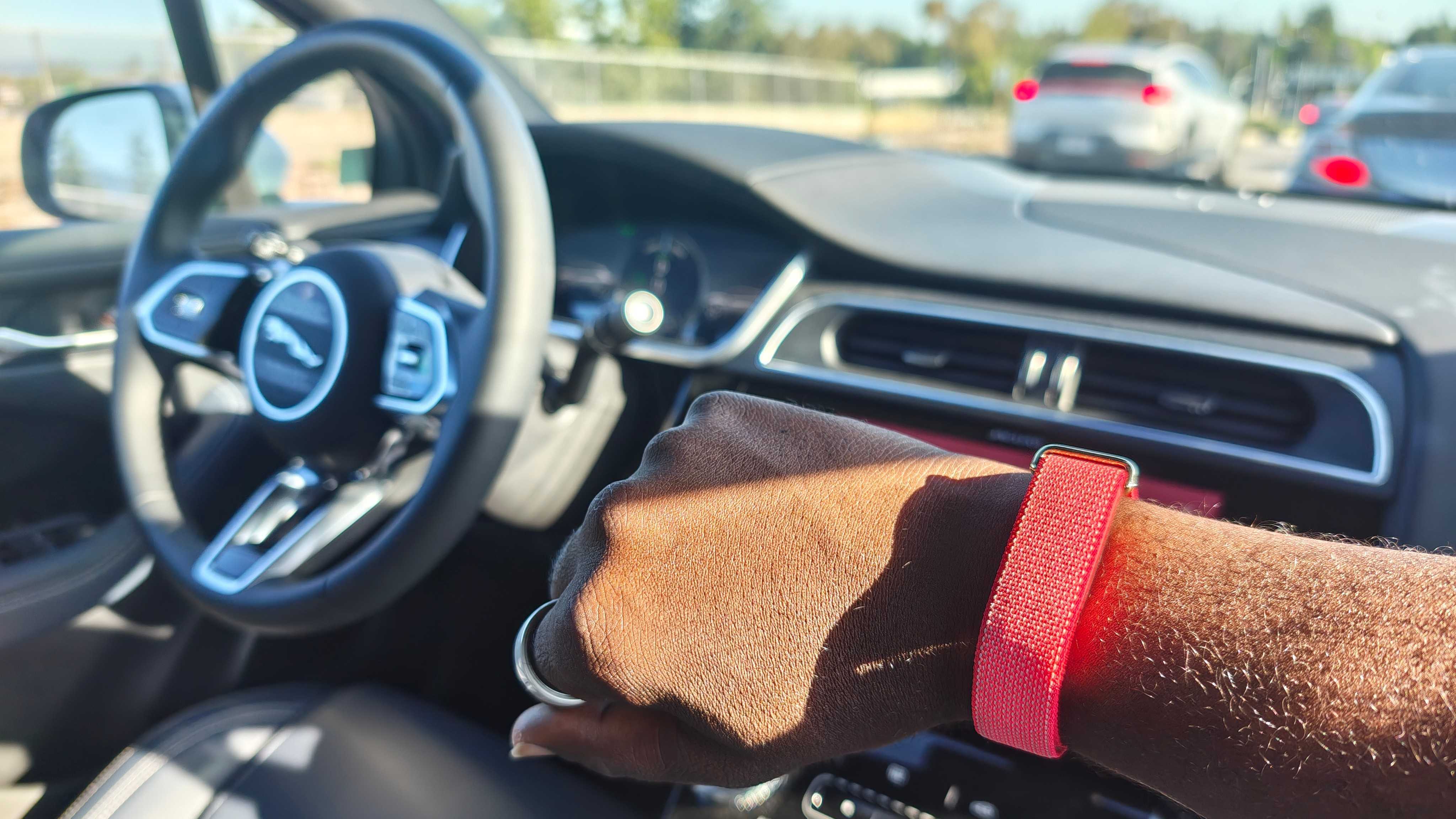
From Managing Editor Derrek Lee: There’s a good chance I’ll be walking around a lot at Google I/O. It’s a good thing I have the new Fitbit Air to track my steps (I’m trying to hit at least 7,000 a day) and the new Google Health app to keep me on my toes. I have to say, I like this Berry band color as it really stands out. Also, the Fitbit Air is so light that I keep forgetting it’s actually there… and really, isn’t that how fitness tracking should be; fading into the background and passively monitoring your every move throughout the day?

From Android Central's Nick Sutrich: As a person who cares deeply about XR products, I'm quite hopeful that we'll see new Android XR demos at today's Google I/O. Rumors have been swirling around Samsung's upcoming swath of smart glasses lately, including ones that'll launch with some kind of One UI 9 tie-in.
One UI 9 is based on Android 17, and since we expect a full release of the new OS sometime in the next 2 months, it's pretty clear that Samsung will be launching a bunch of smart glasses products this year. Given the degree of cooperation between Samsung and Google these days — Samsung and Pixel phones seem to *always* receive the latest Android features first — Google I/O 2026 is the perfect place to show all that fun new stuff off!
Samsung and Google might be a bit late to the party for a proper set of AI glasses, especially since the original Ray-Ban Stories glasses from Meta launched five whole years ago, but I suppose it's better late than never at this point. The great thing is that Google is clearly not just going for a direct Meta clone with its AI glasses, though. Gemini and Android XR will deeply tie into your phone's OS, allowing Google to deliver a product that could feel substantially more personalized. That's particularly important for a hands-free AI gadget, as deep integration with Google services and everything else on your phone would make them feel even more useful than what Meta has been able to put together over the years.
I'm curious to see how Google and Samsung's smart glasses are received by the public compared to Meta AI glasses. Meta was able to secure brands like Ray-Ban and Oakley, with rumors of Prada and other EssilorLuxottica brands of smart glasses to come, it's clear that Meta has a leg-up on the brands most people are familiar with. I've only recently started wearing prescription glasses and was fully unaware that "Gentle Monster" and "Warby Parker" were glasses brands, but maybe more people are aware of these brands than I was. Regardless, there's no chance they're as well-known as Oakley or Ray-Ban, and it'll be interesting to see if that ends up affecting sales, or if being Samsung-built is enough to get lots of people on board.
Lastly, I'm expecting a full Xreal Project Aura unveiling and demo from today's show. I talked a bit about Xreal Project Aura in this liveblog yesterday (scroll a bit to find that), but the TLDR is that these are the first full-featured Android XR smart glasses, meaning they offer the full spatially-tracked experience of a VR headset, just in the form of sleeker smart glasses, and should be making their way to market sometime this year. We've been expecting Project Aura since its announcement at last year's I/O, but haven't seen much in the way of specs or long demos, and that should change today.
Switching gears back to phones, Android 17 is supposed to come with some kind of big UI design changes, but it's not exactly what you might expect. Rumors were floating around for months that Google was working on its own version of iOS 26's Liquid Glass design, but that appears to be somewhat false. The President of the Android Ecosystem, Sameer Samat, confirmed as much, and the latest leaks show that Google is, indeed, opting for more transparency in the OS, but it's doing so with a frosted look.
That might sound trivial, but that frosted overlay means elements are far easier to see than if it were transparent like glass. Apple received a lot of negative feedback about visibility throughout the OS when Liquid Glass first launched, and Google seems to have learned from Apple's mistake. A ton of companies, like OnePlus, Honor, Xiaomi, and others, have already adopted a frosted or semi-transparent light-based UI with their Android 16 updates, so this update will mainly apply to phones from companies like Motorola and Nothing, or Google's own Pixel line, that use “unskinned” versions of Android.
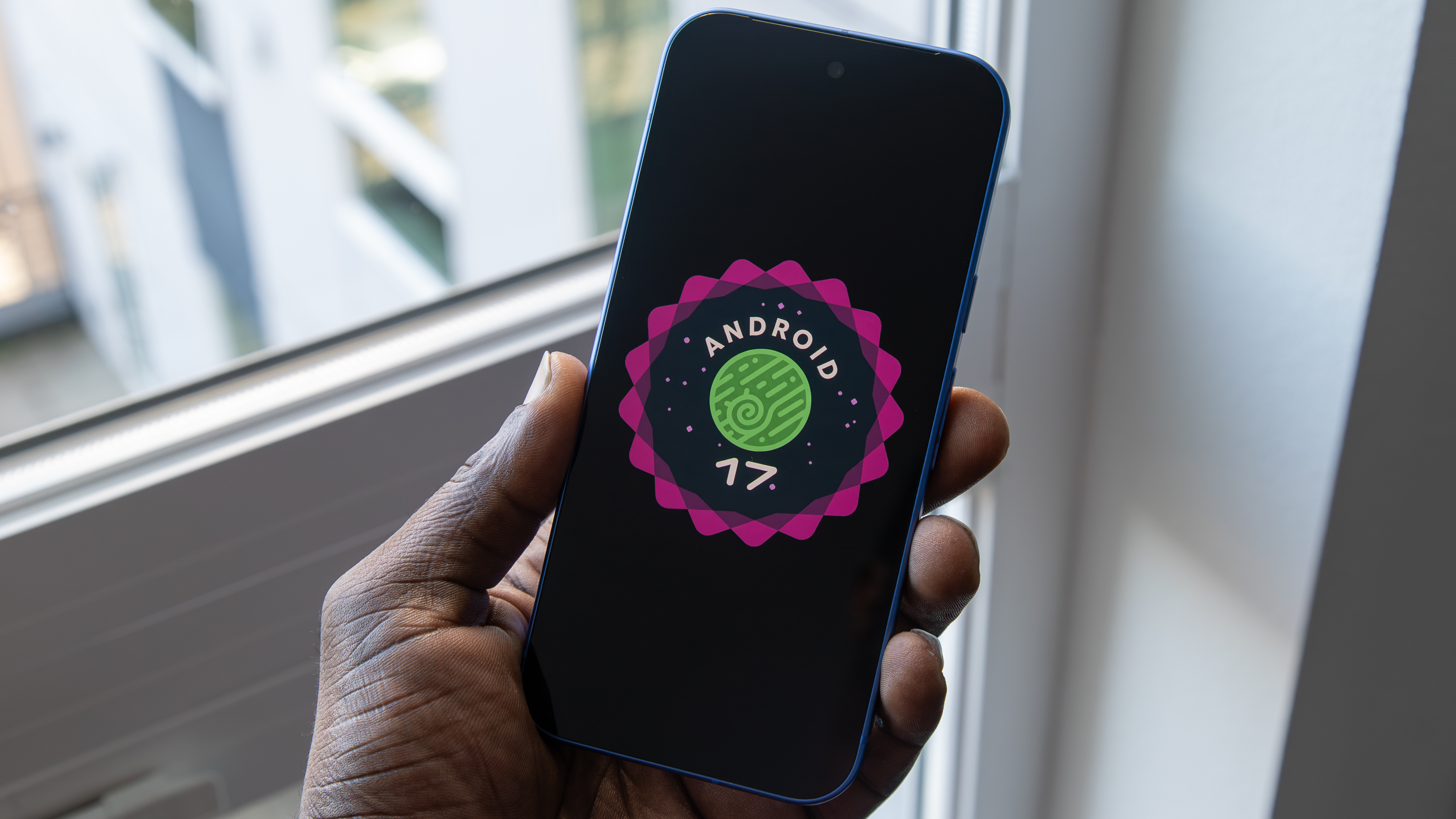
Google is increasingly moving toward the full vision of making Android the "be-all-end-all" OS it was always meant to be. Android has always been more versatile than other OS's because of its ability to run on nearly everything, and now Google is helping developers create apps for an even more adaptive generation of devices that includes "phones, cars, living rooms, and immersive environments." We already saw this play out during The Android Show last week, when Google showed off a ton of new screen sizes and shapes for cars powered by Android Auto, and I fully expect to see even more concepts rolled out this week, especially with the Android XR section that the show will almost certainly have.
We are about an hour away before the event. Have you done our poll yet?? Tell us what you're most excited about to be revealed at I/O!
It wouldn't really be a Google I/O without the company announcing new Gemini models, so fully expect Google to showcase something like Gemini 3.5 or even Gemini 4.0 at this year's event. Google's new Gemini Omni model has already leaked, and while Gemini currently lets you generate images, it looks like Google is now expanding those capabilities to video as well. A recent leak suggested that Gemini Omni's video model will allow users to remix and edit videos directly inside the chat interface itself, which sounds pretty wild if Google actually pulls it off properly.
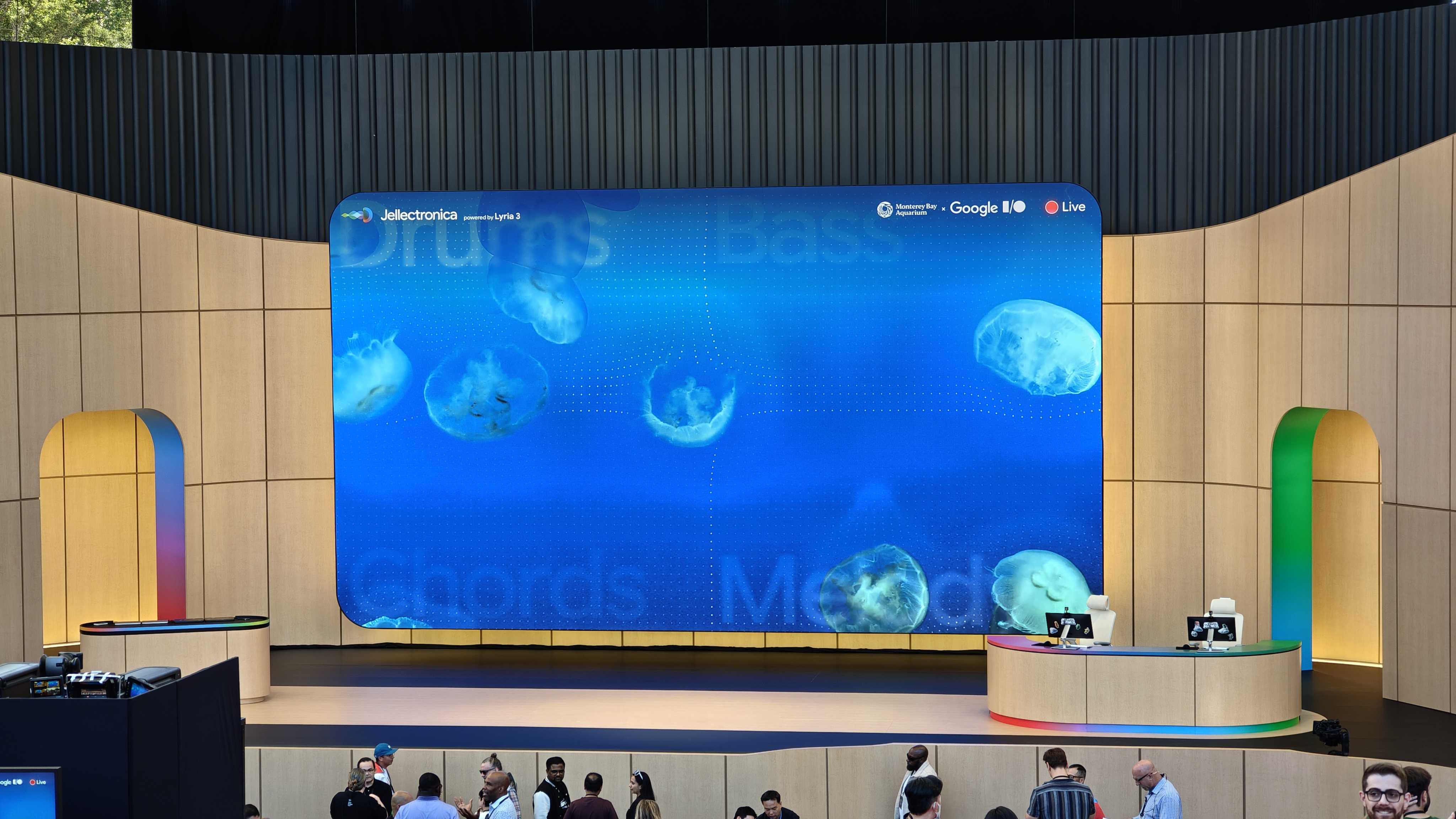
Unironically, Google has music on stage ahead of the show that was created by Lyria 3, the company's AI-based music maker tool. It's definitely going to be an AI-filled I/O!
I’m also expecting Google to announce a new AI subscription tier. Last year's I/O introduced Google AI Pro and Google AI Ultra, but those two plans sit at opposite ends of the pricing spectrum. It wouldn't be surprising if Google introduces a middle-tier plan this year to bridge that gap a bit better.
One thing Google strangely avoided talking about during last week's Googlebook announcement was the actual operating system powering these devices. The company showcased Gemini features, Magic Pointer, and deeper Android integrations, but never properly explained what sits underneath all of it.
Rumors have suggested Google is working on some kind of merged Android and ChromeOS experience, with the OS being internally referred to as Aluminum OS. The I/O could present the perfect stage for Google to finally explain its long-term software vision for laptops.
I’m also really hoping to see Google bring Rambler to Google Chrome. Rambler is essentially Google's AI-powered dictation system that cleans up your speech in real time by removing filler words, correcting messy phrasing, and turning natural speech into polished text.
I'm a huge Wispr Flow fan right now, but if Google properly integrates something like Rambler directly into Chrome across desktops and laptops, it could genuinely make me stop using these dictation apps altogether.
If you were thinking anything else but AI, I’m sorry, but that’s just not possible. It’s become commonplace for Google to drown us in everything it’s doing with Gemini and its other systems. What I am most interested in is what it’s going to show regarding Gemini 3. This is the company’s newest model, as Gemini 3 Pro, 3 Flash, and the like have come forward. We’ve heard hints about smart home applications, and that has my attention right now.
Another area that I’m interested in seeing where Google goes is Search. There’s no getting around it, AI has taken root in Search like wildfire. It’s everywhere: AI Overviews, AI Mode. By this point, where is it not? Here’s the thing: Google updated AI Overviews with Gemini 3 earlier this year for follow-up question capabilities. Where do we go from here? And will I/O hold those answers for curious minds?
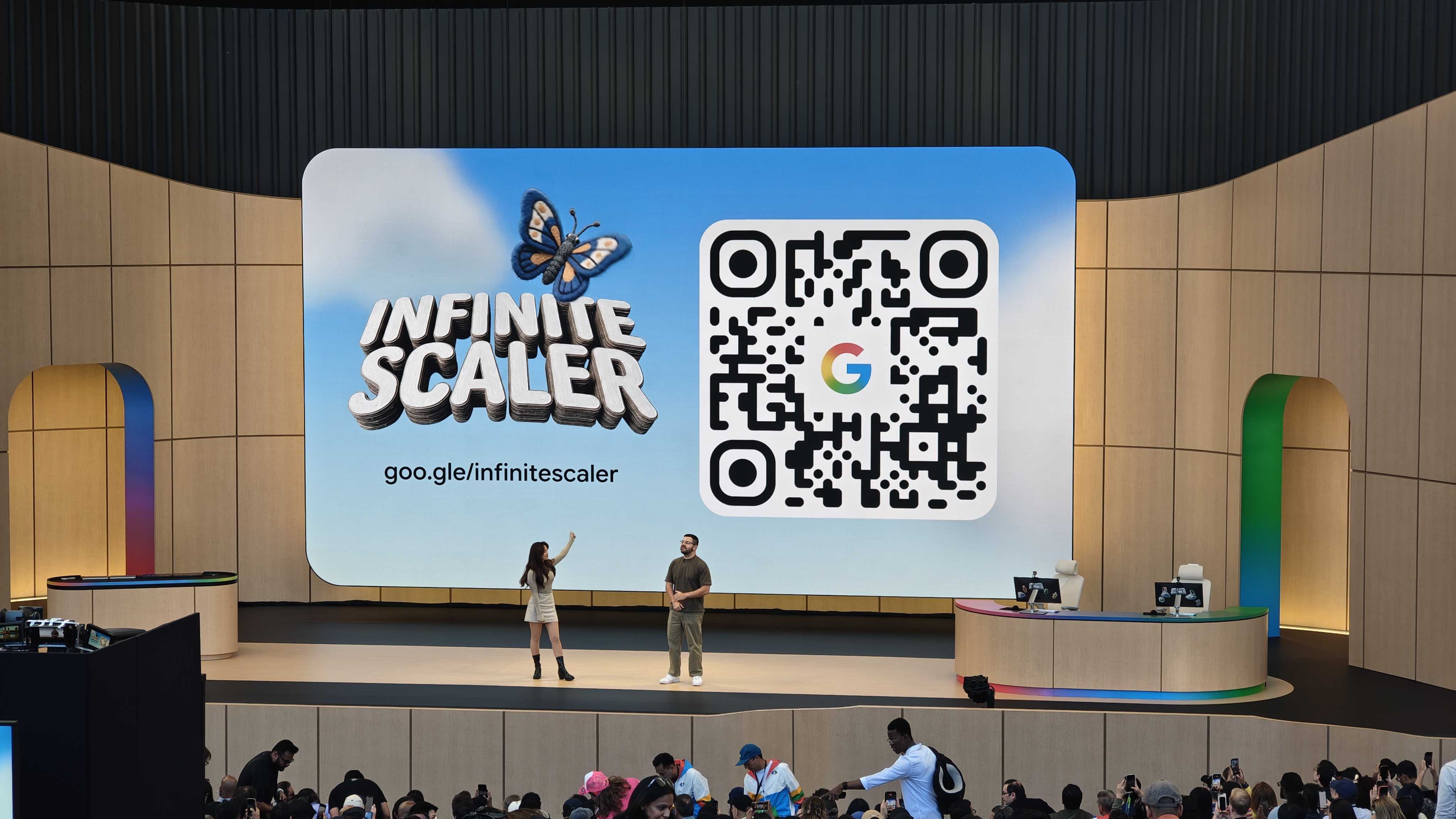
Google has two folks on stage playing Infinite Scaler, a generative AI-created platformer with literal infinite levels that are made as you ascend. You can play while you wait for the show to start and compete for the top spot on the leaderboards. Just head to goo.gle/infinitescaler to try it!
Another area that I’m interested in seeing where Google goes is Search. There’s no getting around it, AI has taken root in Search like wildfire. It’s everywhere: AI Overviews, AI Mode. By this point, where is it not? Here’s the thing: Google updated AI Overviews with Gemini 3 earlier this year for follow-up question capabilities. Where do we go from here? And will I/O hold those answers for curious minds?
Did you know that Google is preparing to bring Gemini Intelligence to Android Auto? It announced it during the Android Show, and this is a pretty intriguing feature. Basically, Google wants to roll this out first with support for DoorDash. A user could tell Gemini to order “their usual” and add a modifier like “double the portion.” I vibe with this. I see this as being used by parents quite a bit. They're working, need to pick up the kids, but there’s no food—not yet. Leaning on Gemini could be the difference maker to have food on the way home by the time they get there.
As we get settled in our seats for I/O 2026, I’ve been thinking back to something we’ve been expecting: Wear OS 7. Now, hold on; major updates aren’t really expected. So, that means we might not get any huge features. Refinements are where our heads should be. I think we’ve come pretty far between OS 5 and OS 6. Just like in gaming, there’s always a patch that’s refinement-based. Sometimes you need that. I think Wear OS deserves that, too, just to make sure we’re not getting out of our depth.
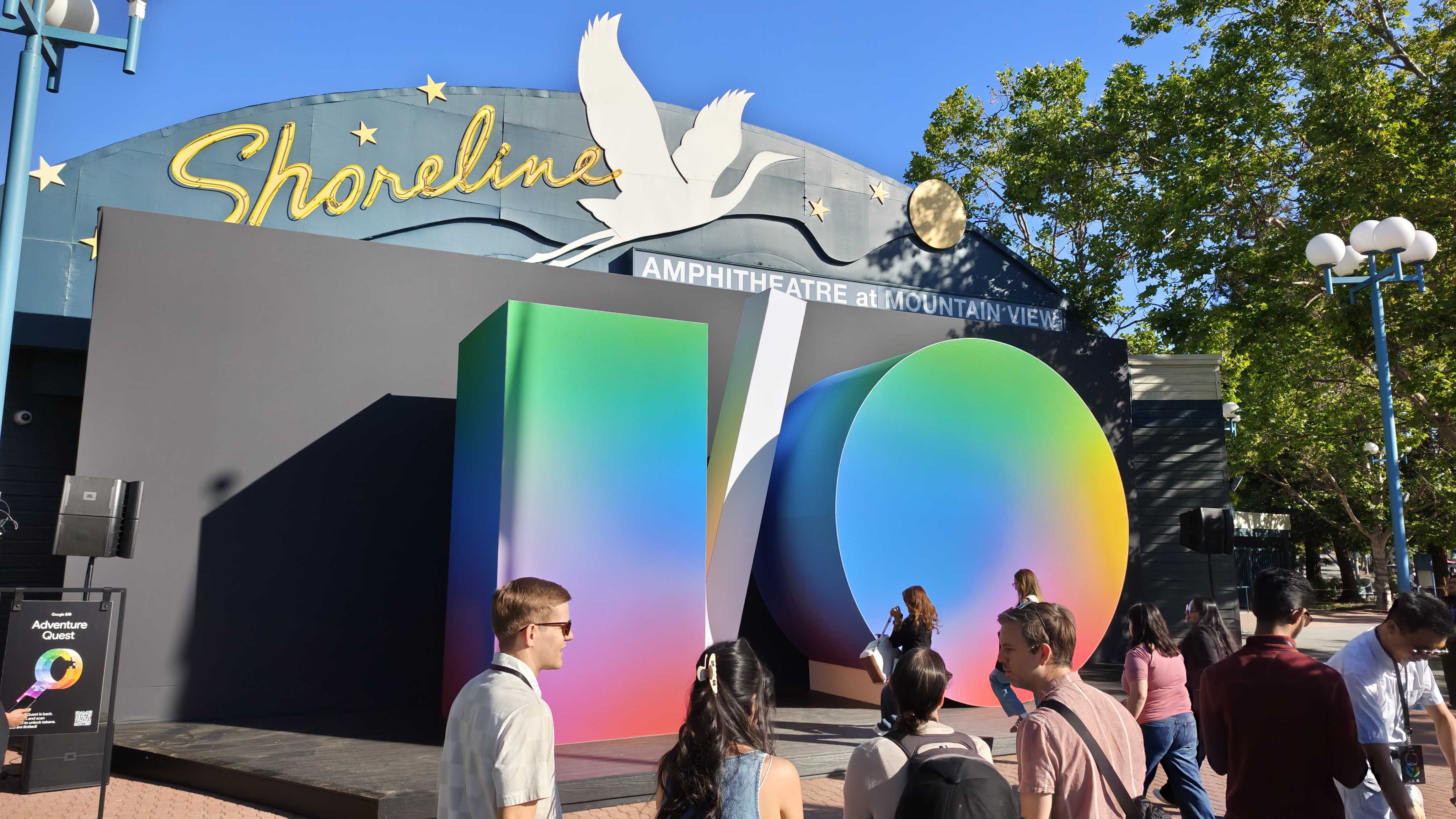
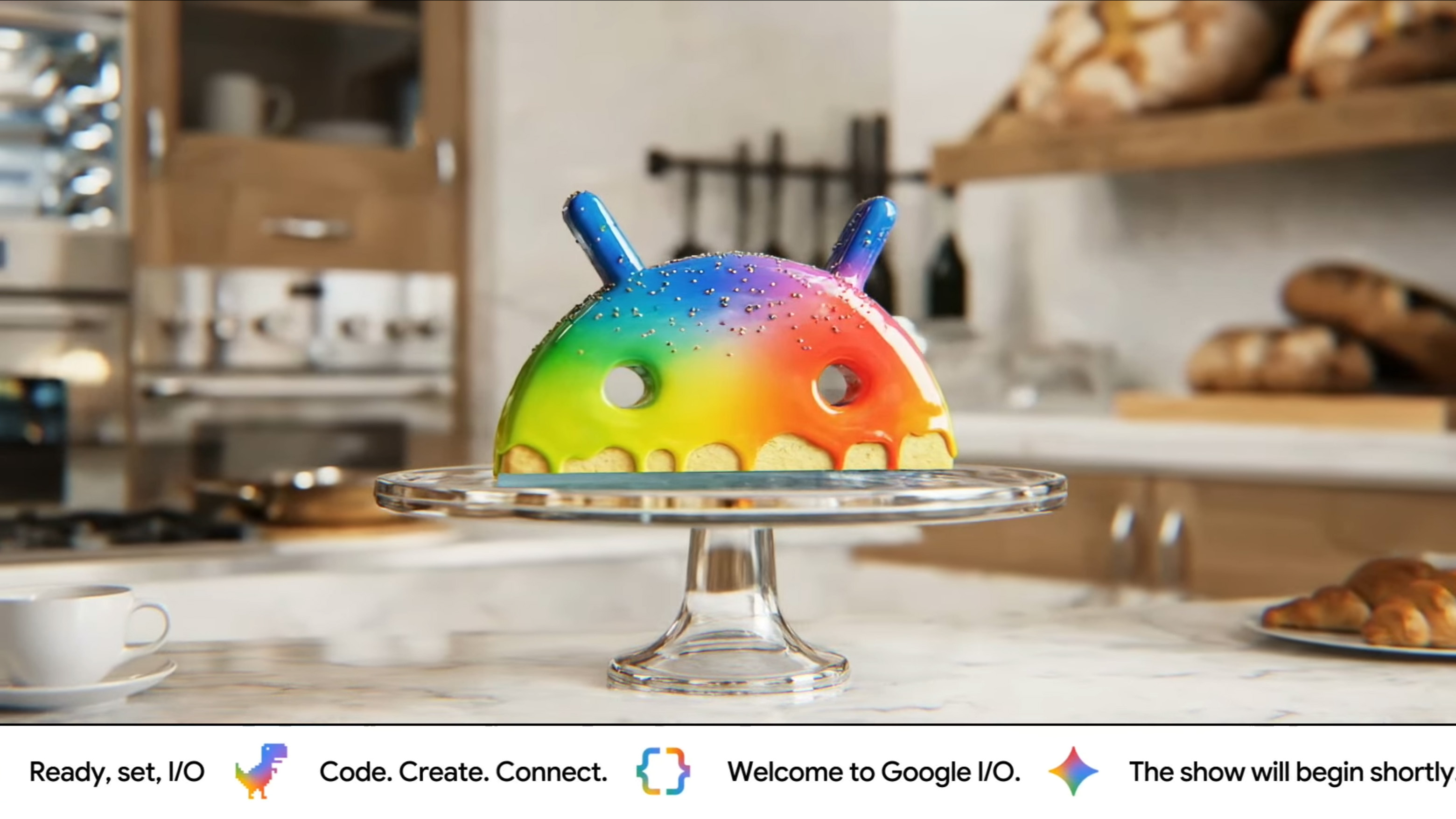
Google is now kicking it off! If you want to join the livestream, Google's got that going on YouTube Live.
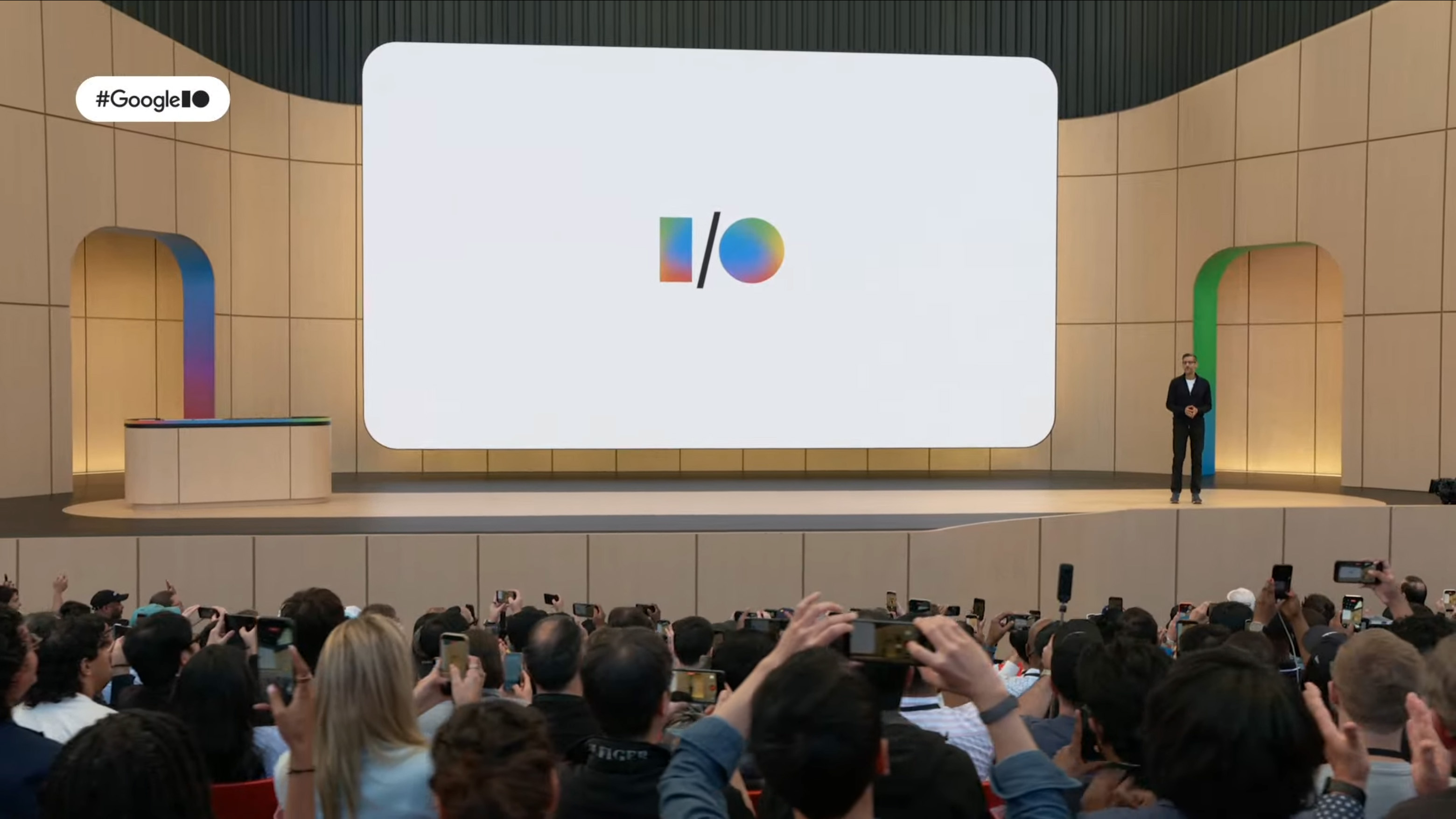
Google CEO Sundar Pichai is kicking Google I/O 2026 off! Things are happening AI-first, starting with Sundar showing off AI-generated videos of him doing some pretty impressive things.
Oh no, Sundar is already talking about tokens.
Unsurprisingly, a TON of people are using Google products. Sundar is talking about how Google Search AI mode has been used by billions of people, and the company's apps and services are seeing record usage.
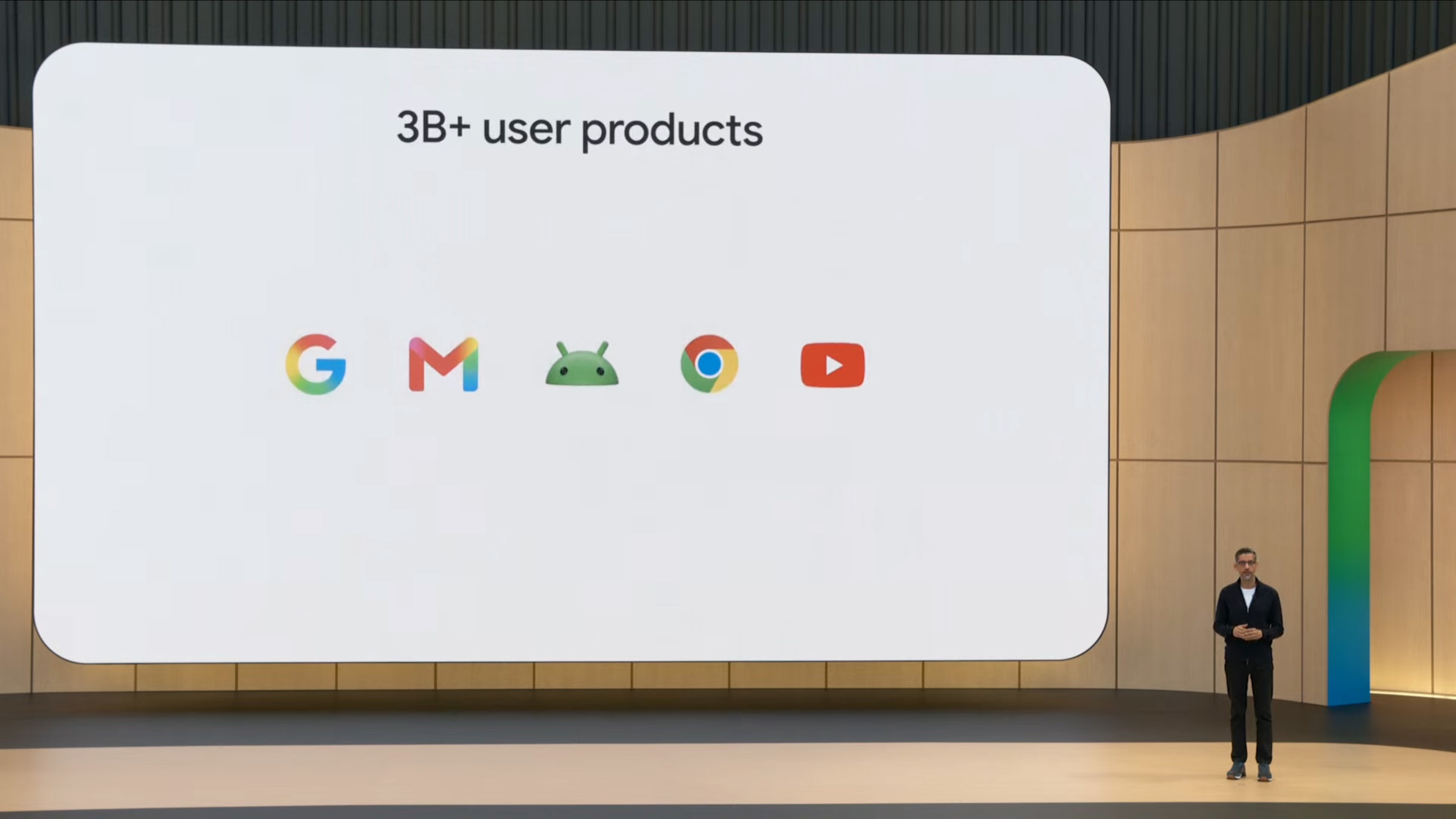
I don't know why Sundar's kid just fell into a duck pond, but he asked Gemini what to do about it, and (apparently), it gave a good answer. Maybe one of you should try it.
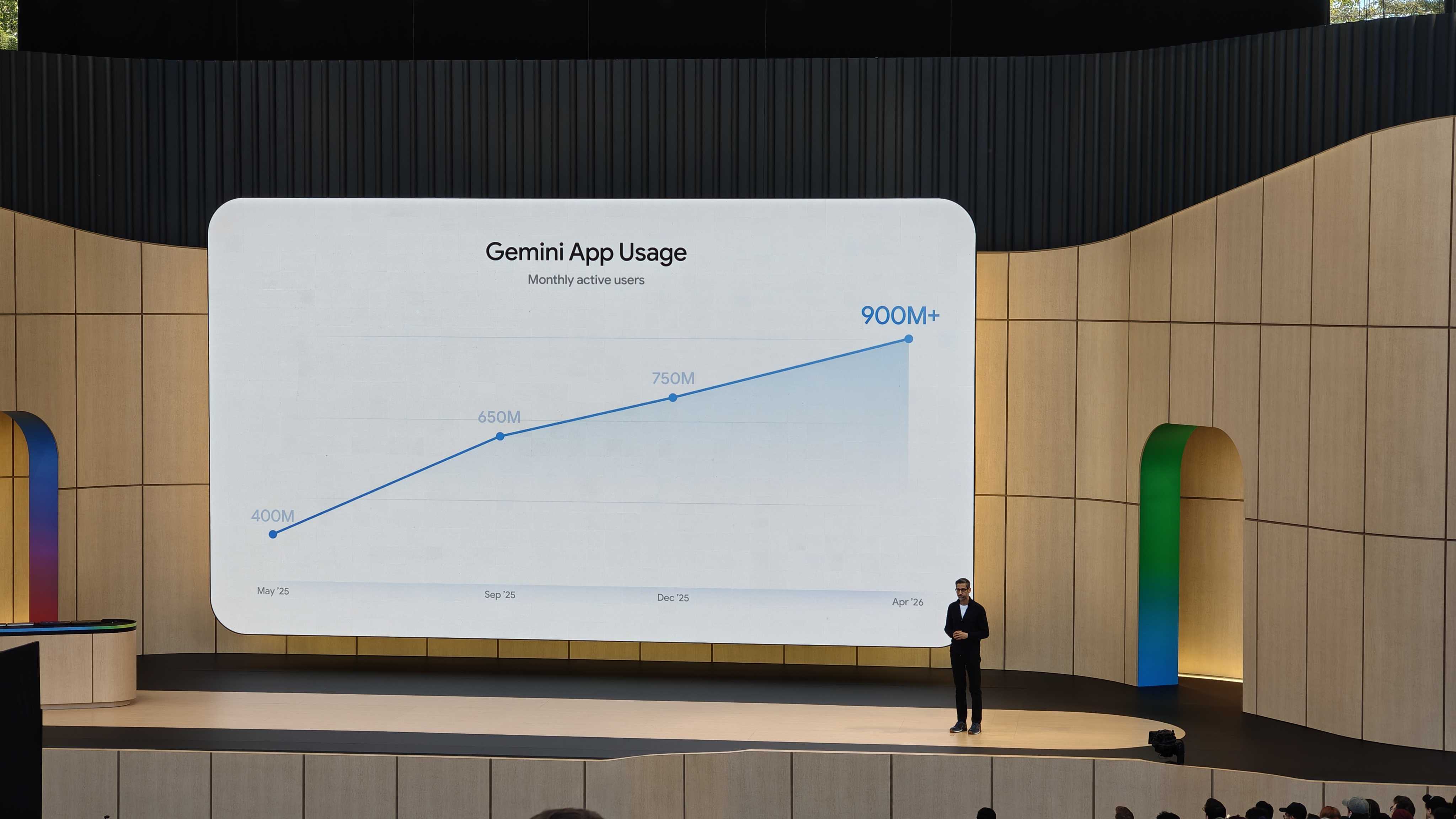
Google is launching Ask YouTube this Summer, starting in the U.S. (surprise, surprise there). You'll be able to ask Gemini to find YouTube videos with specific content and the AI agent will not only give you relevant videos, but will link to very specific snippets of each video that best matches your query.
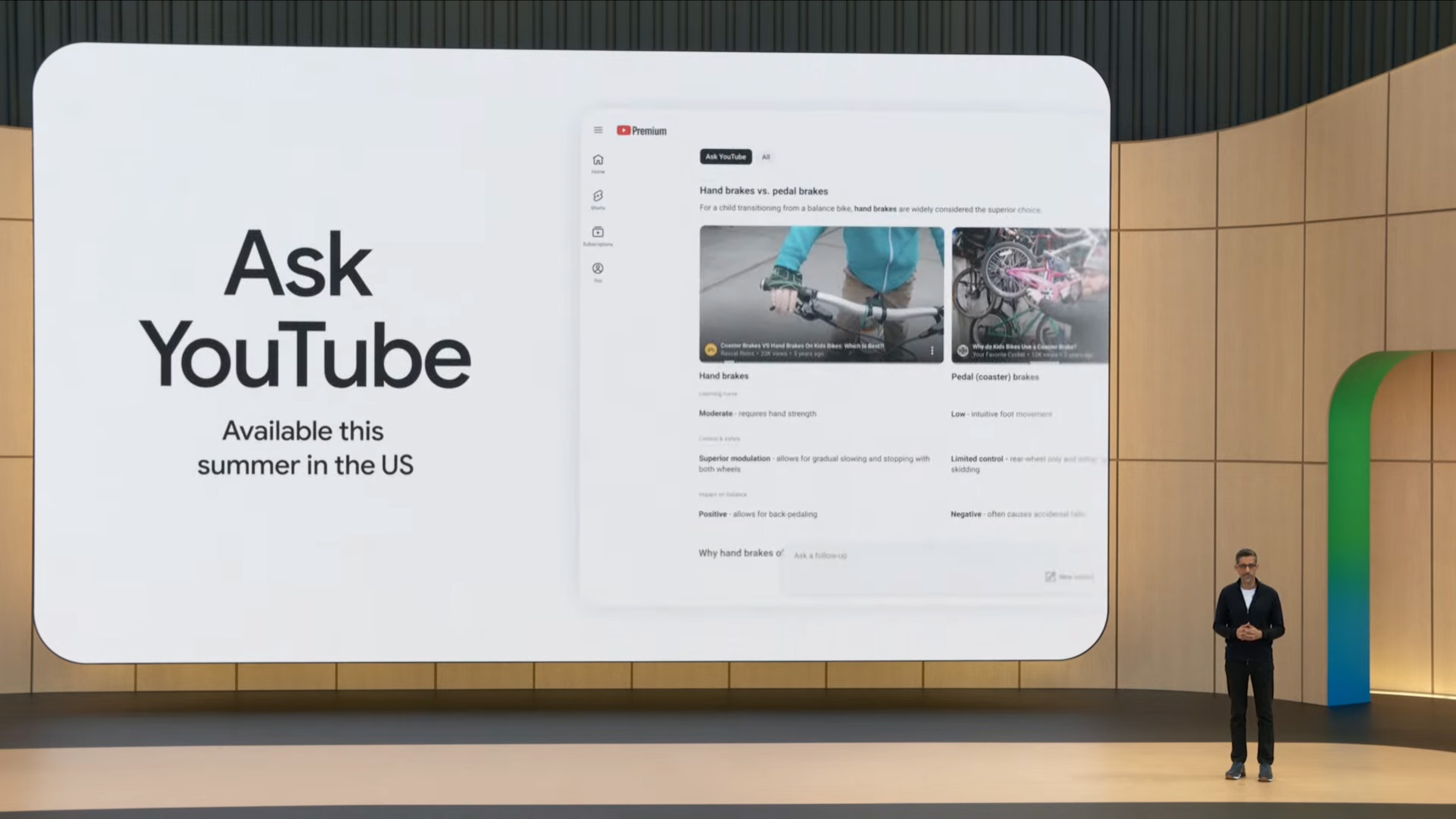
Google's new Docs Live feature, rolling out this Summer to AI PRo and Ultra subscribers, lets you create entire documents by talking to Gemini Live. The demo showed a person naturally talking to Gemini, saying lots of "ums" and "uhs," changing his mind, etc., and then Gemini was still able to generate a full document based on what he wanted. It looks extremely impressive, and it could very well solve the age-old issue of "where do I start."
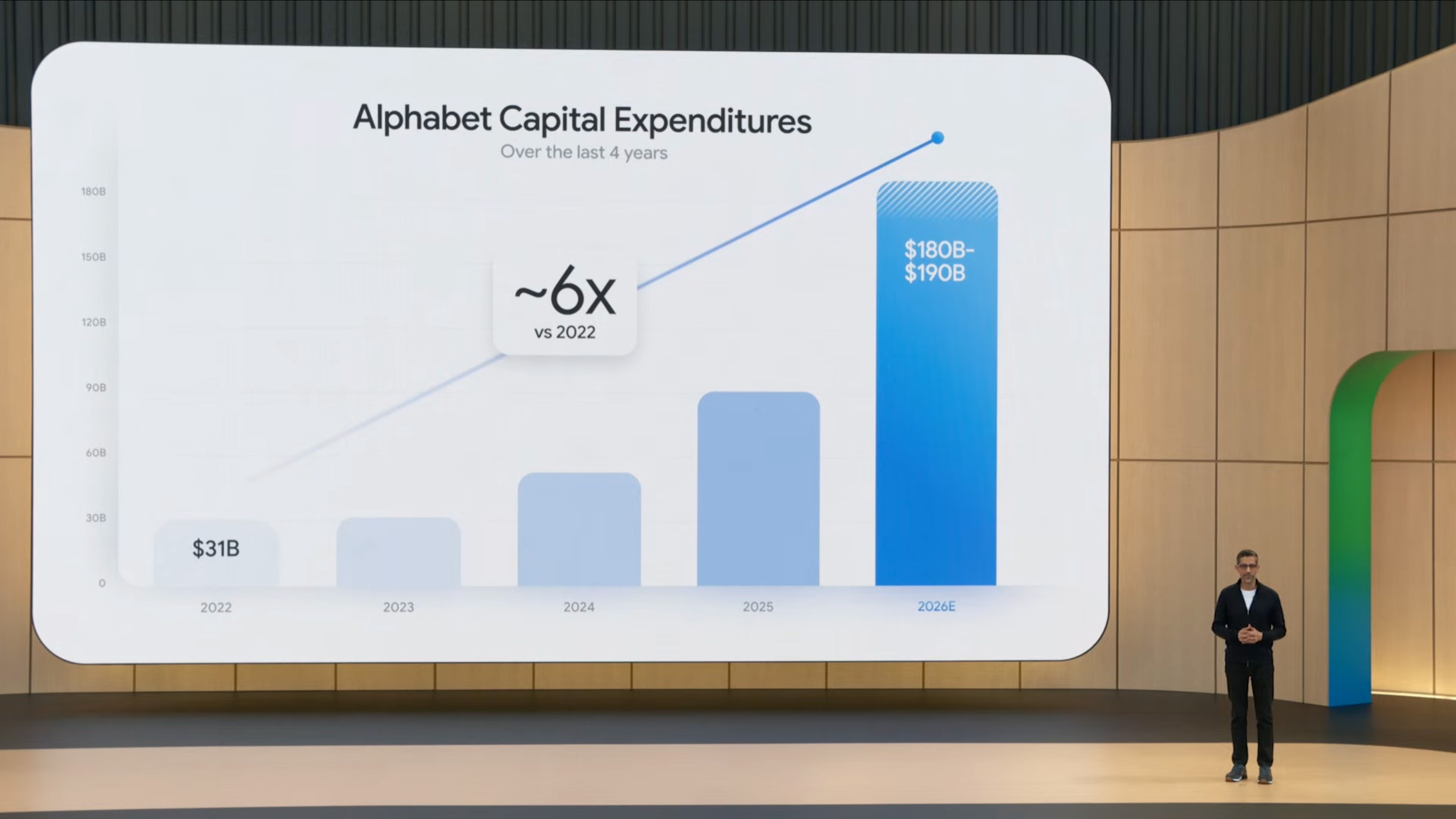
If you thought Google was ready to start backing off on investments and AI spending, think again! Google is looking to spend 6x more on AI in 2026 than it did back in 2022, estimating a total of $190 billion in capital expenditures for 2026 alone. Now that's a lot of money.
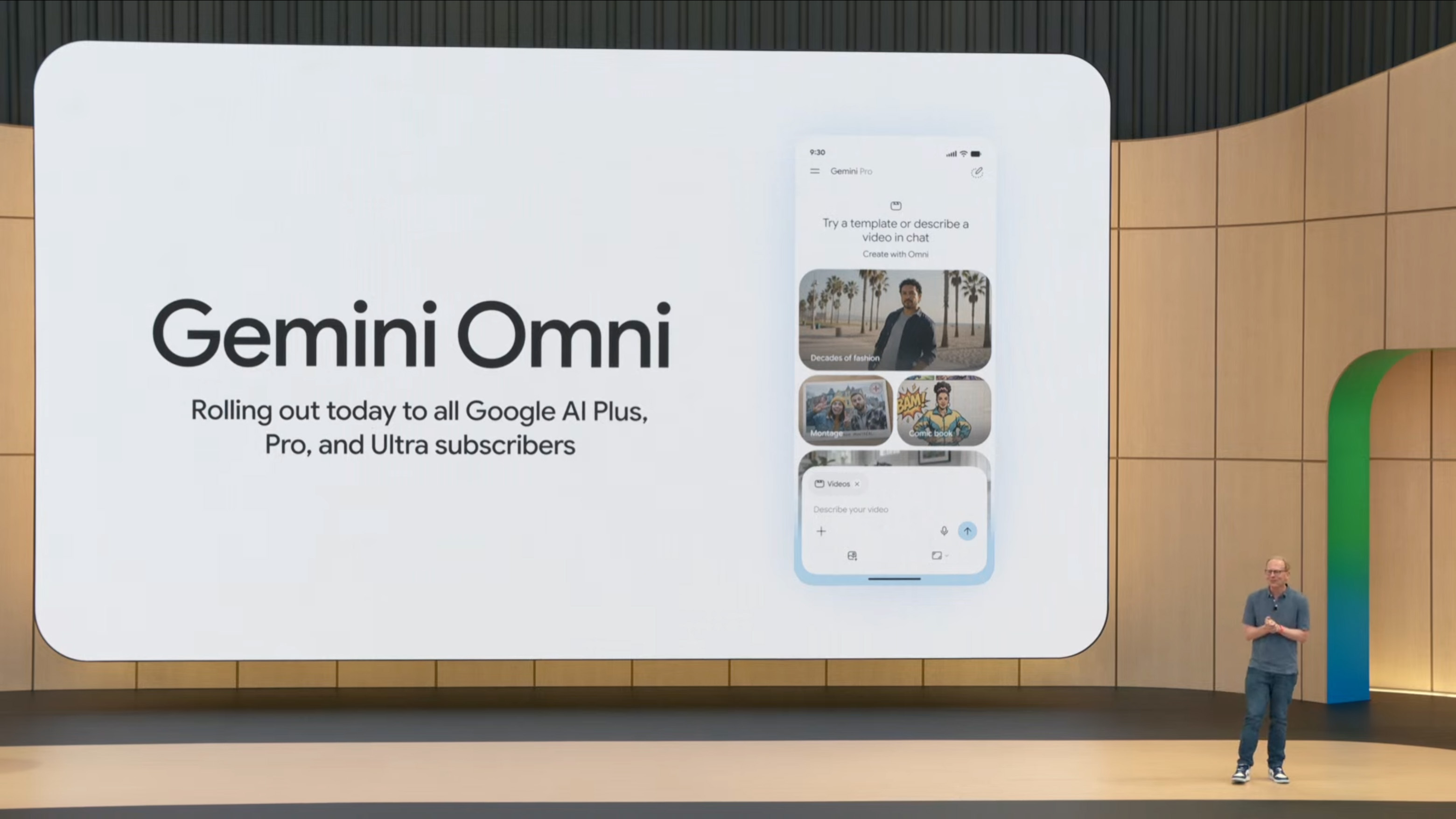
Gemini Omni might just take over the world, from the sound of things. It's not AGI, but it's by far the most advanced Gemini model to date, and it can not only do all the things Gemini could already do, but can simulate things in brand new ways. Accurate physics models, changing anything you want in existing videos, you name it. Omni can do it.
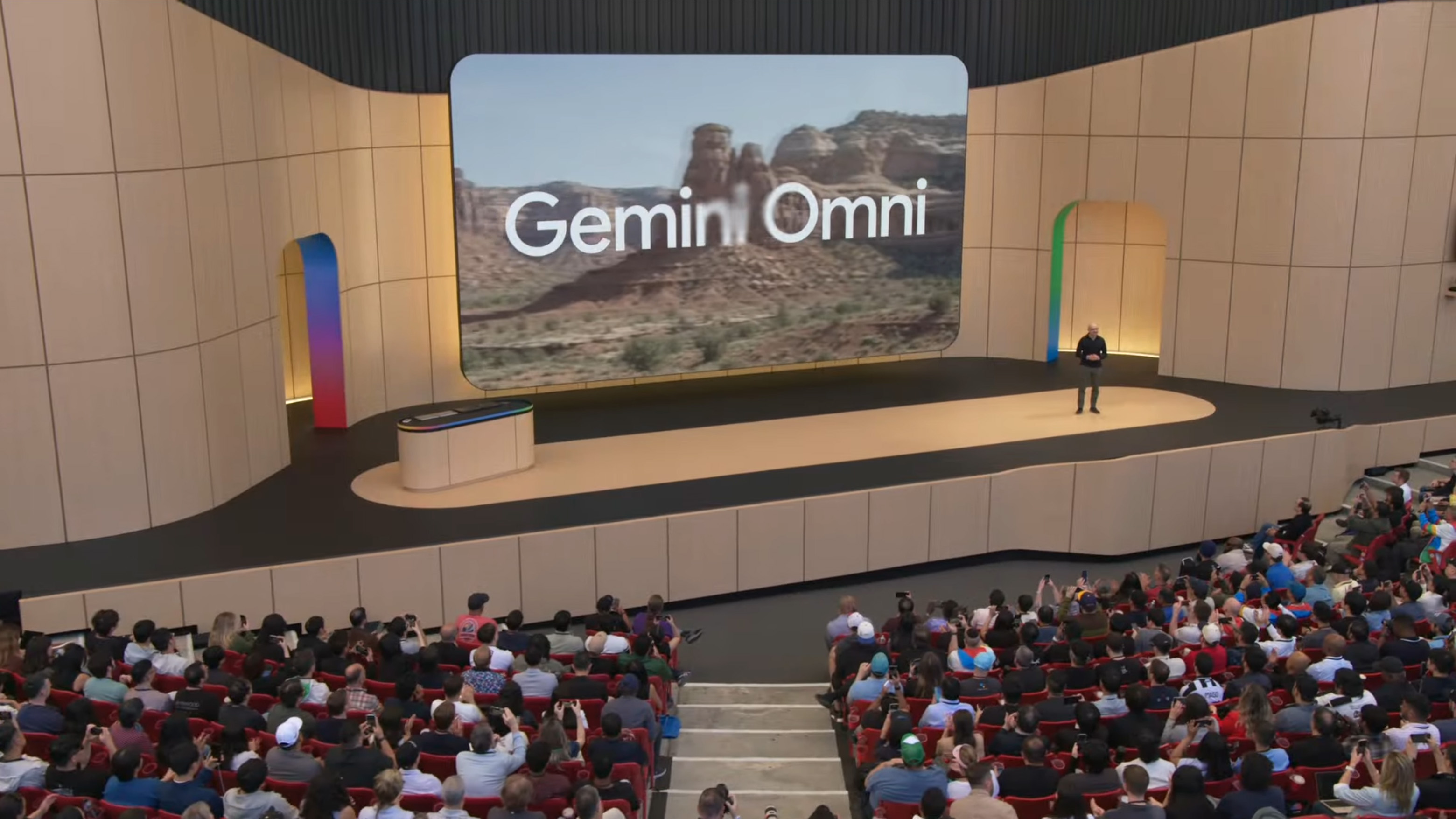
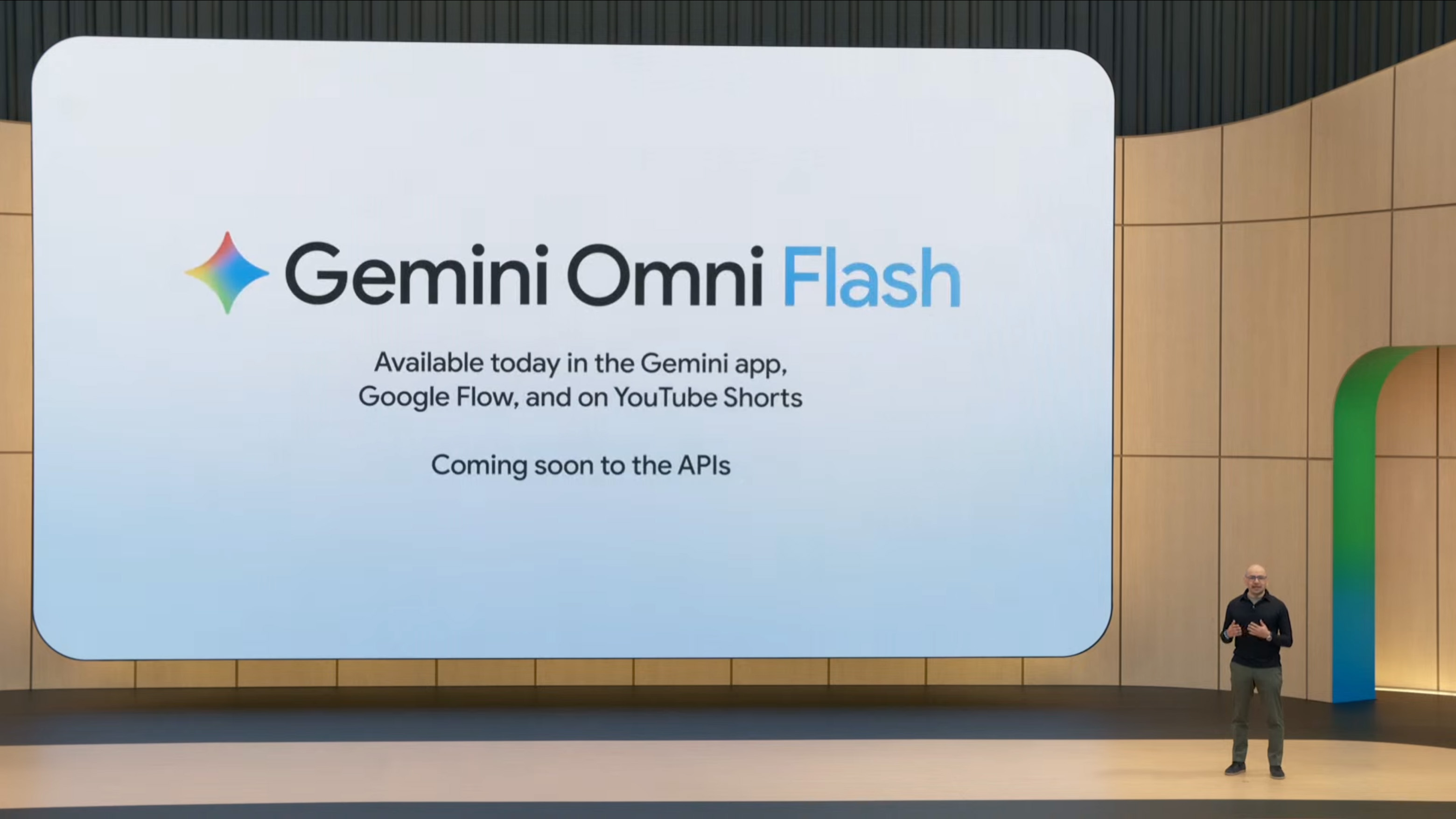
Gemini Omni will work with videos first, but Google says it will be upgraded over time to generate any output from any input. That's a pretty wild thing to say, but it's also not entirely surprising. Gemini Omni Flash will be the first version to debut, with a Pro model to follow later.
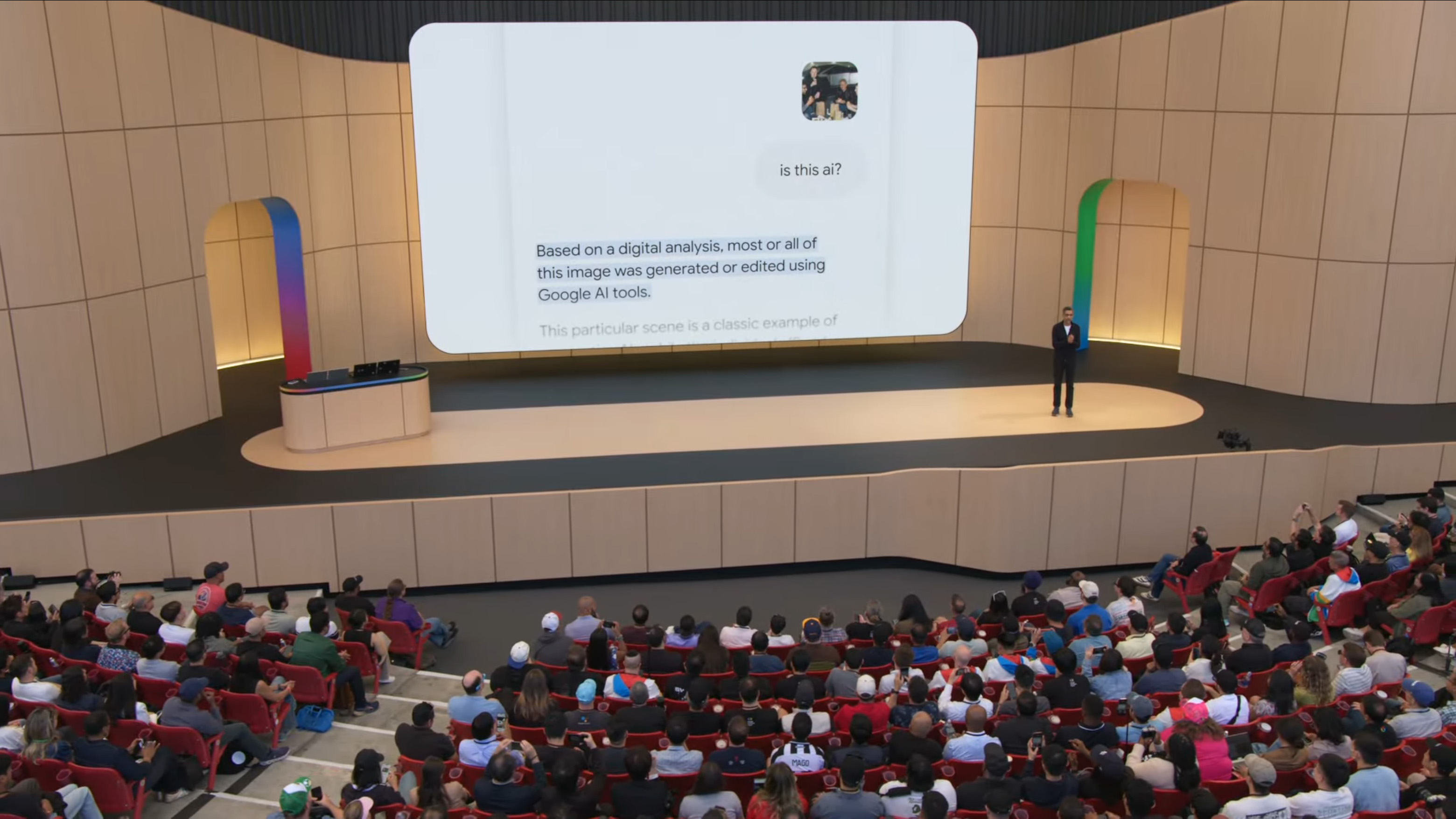
Google is launching new ways for users to see if something was made by AI. Now, you can ask Gemini to identify whether a photo or video was made by AI and it can help identify its authenticity. VERY handy going forward!
Google's AI-based coding tool, Antigravity, is getting a 2.0 upgrade with a focus on AI agents. This lets developers get more done in less time, offloading "complex tasks" to Gemini, which are all coded and tested at the same time using multiple sub-agents.
TOKENS! TOKENS! TOKENS! TOKENS!
Seriously though, what the heck is a token? It's effectively a way for companies like Google to calculate how much power your AI requests require so that they can accurately bill you for the server usage. More tokens used = more money Google gets paid for AI usage. Yep, that's pretty much it (and exactly why they're always so excited to point it out).
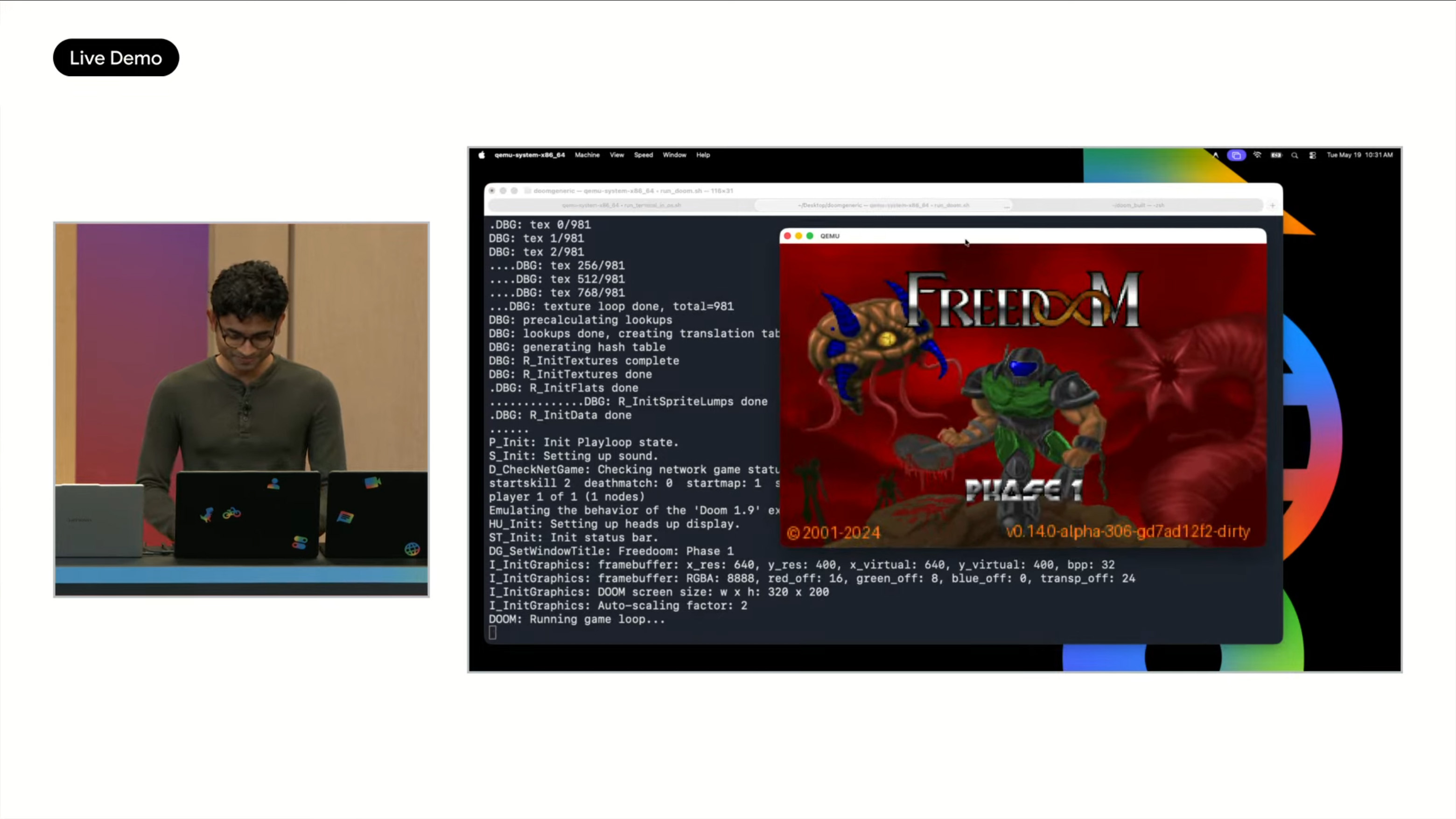
Antigravity was used on stage to create a rudimentary OS that can run Doom on stage at Google I/O 2026. The whole thing happened live and in just a few seconds, using a baseline Google put together ahead of the show. They pointed out that the new Antigravity is now 12x faster than the other one, keeping your token usage down (and your project in budget).
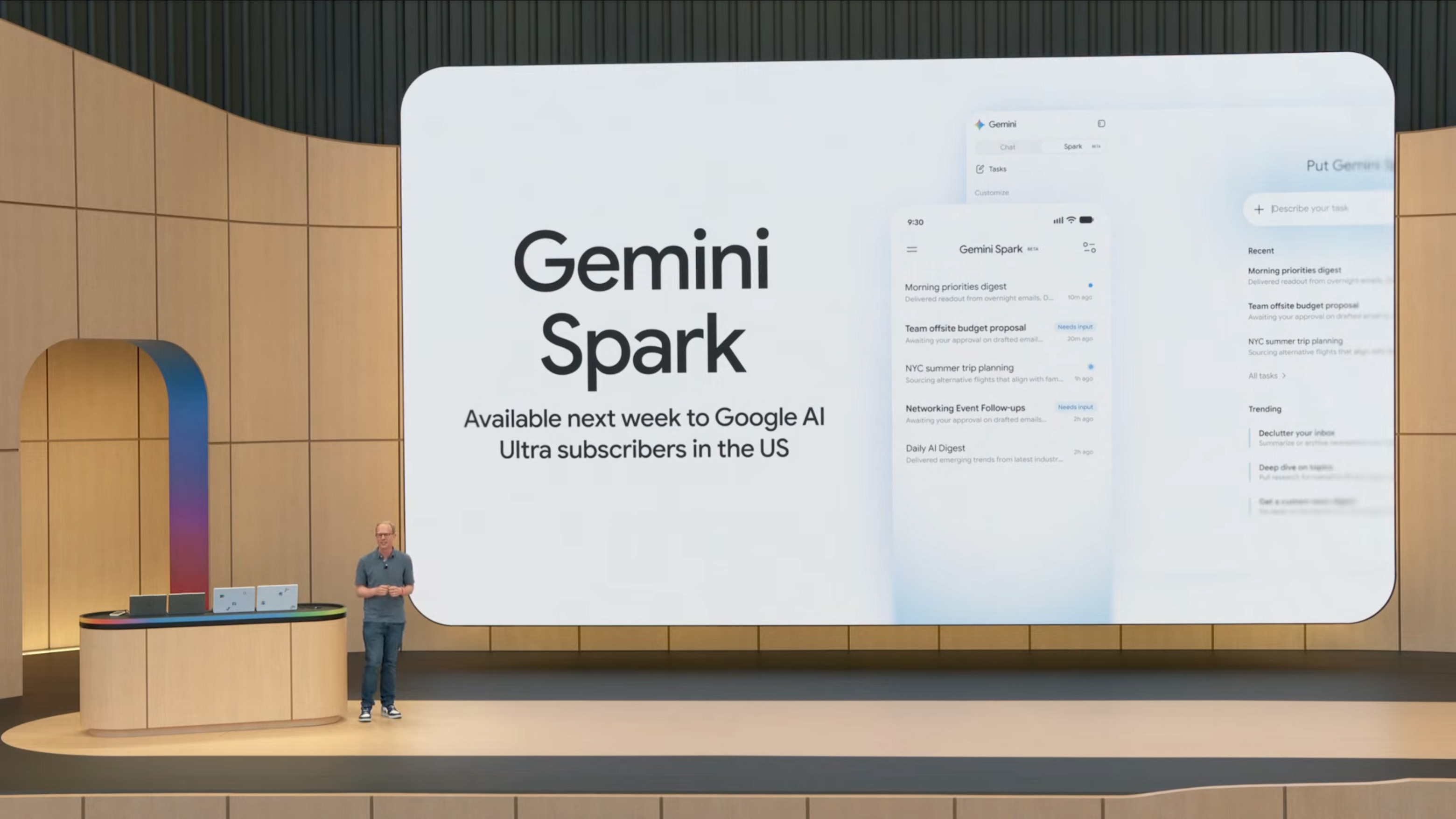
Thought Google had enough different Gemini models? THINK AGAIN! Gemini Spark is yet another new Gemini....model? App? Language? Whatever Google calls it, Spark is designed to be a personal assistant that keeps all your queries in a safe space and reference everything on your Google account, making it far more "real" feeling than existing Gemini agents.
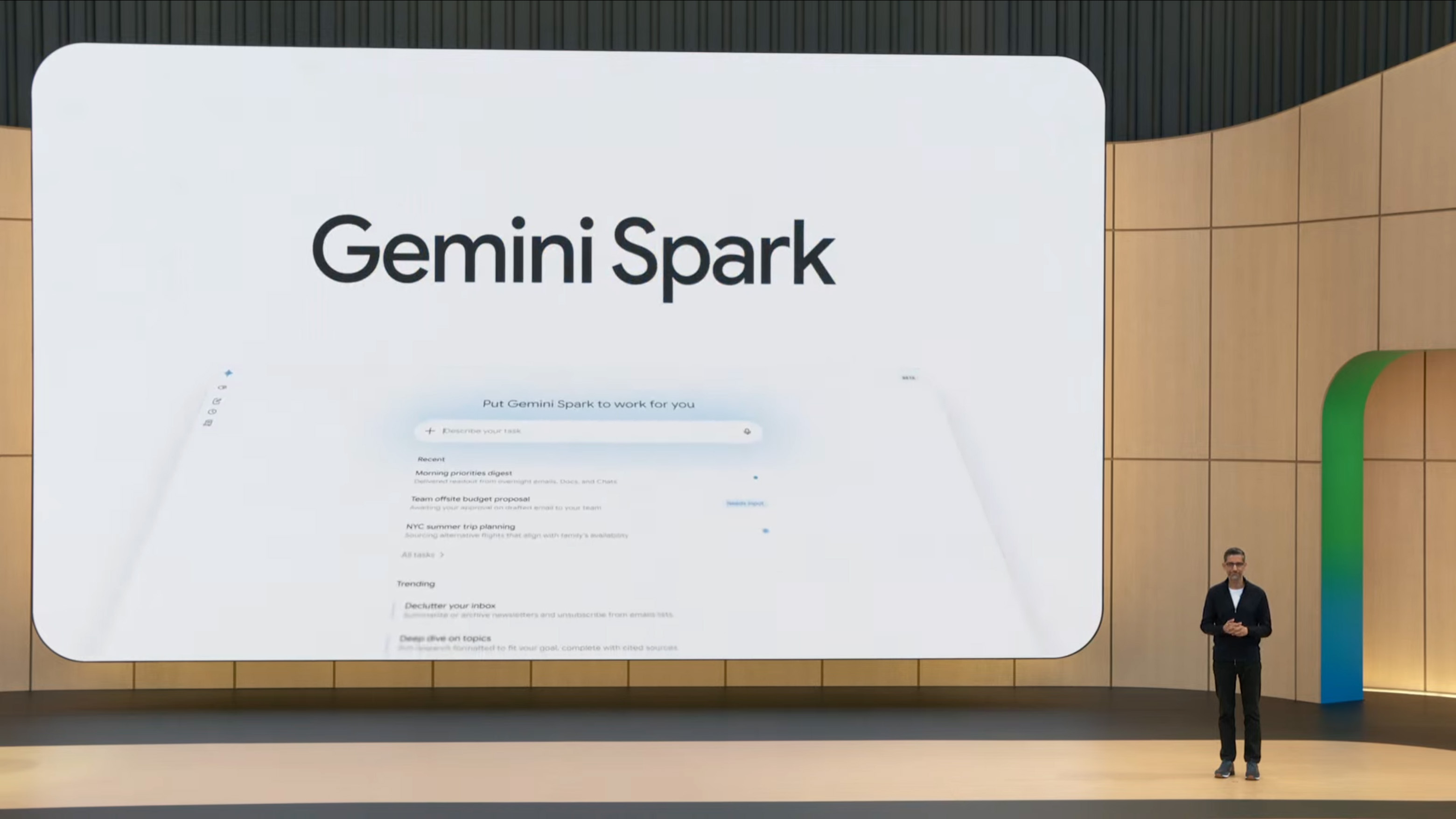
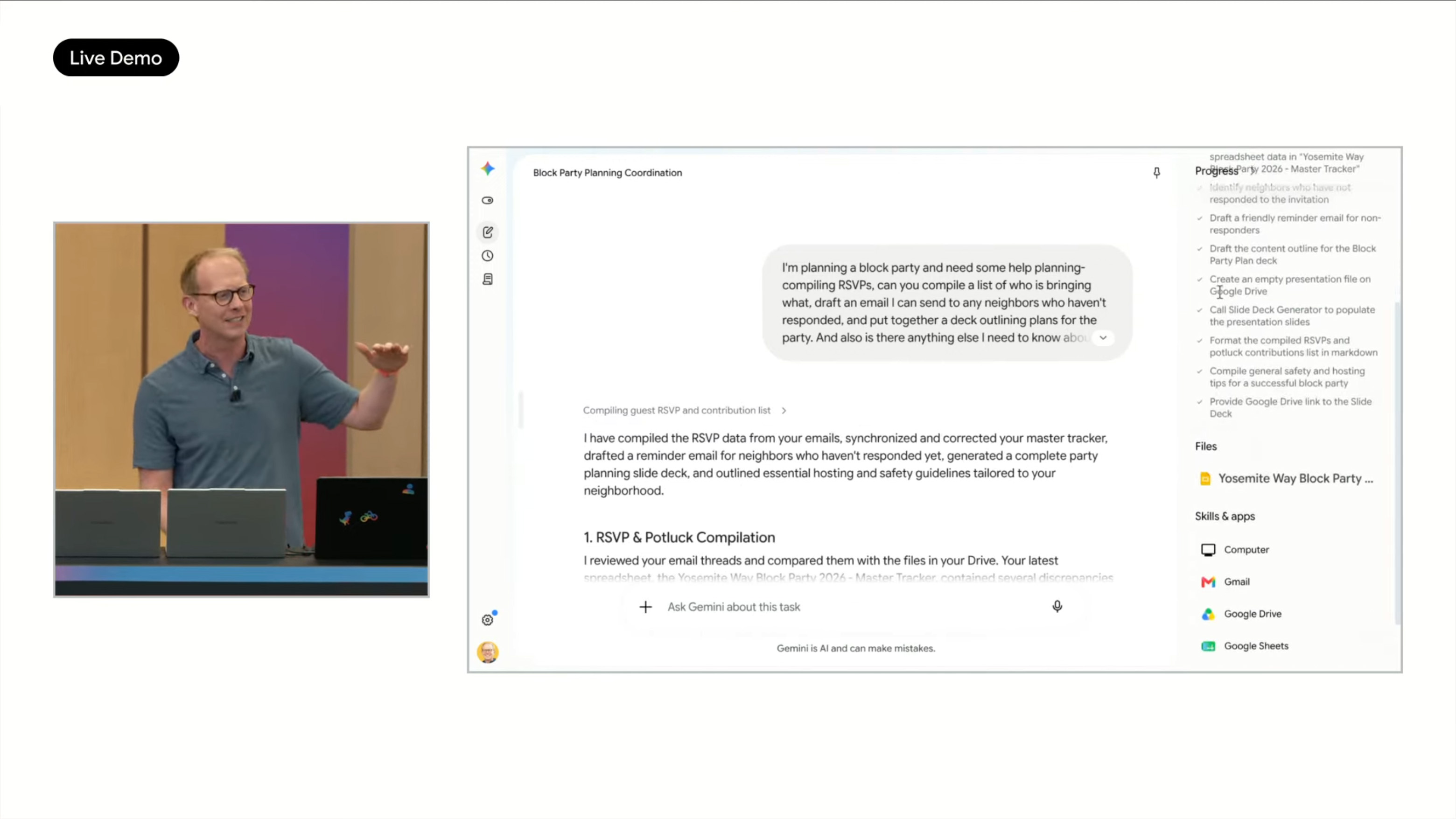
Gemini Spark is a little bit like Liam Neeson: it has a very particular set of skills that it has acquired over a long career. It can tap into your Google account and complete very complex tasks, all with relevant info from the latest emails, messages, etc. On stage, Google showed off a complicated query that had Spark planning a block party, including making calendar meetings, emails, etc.
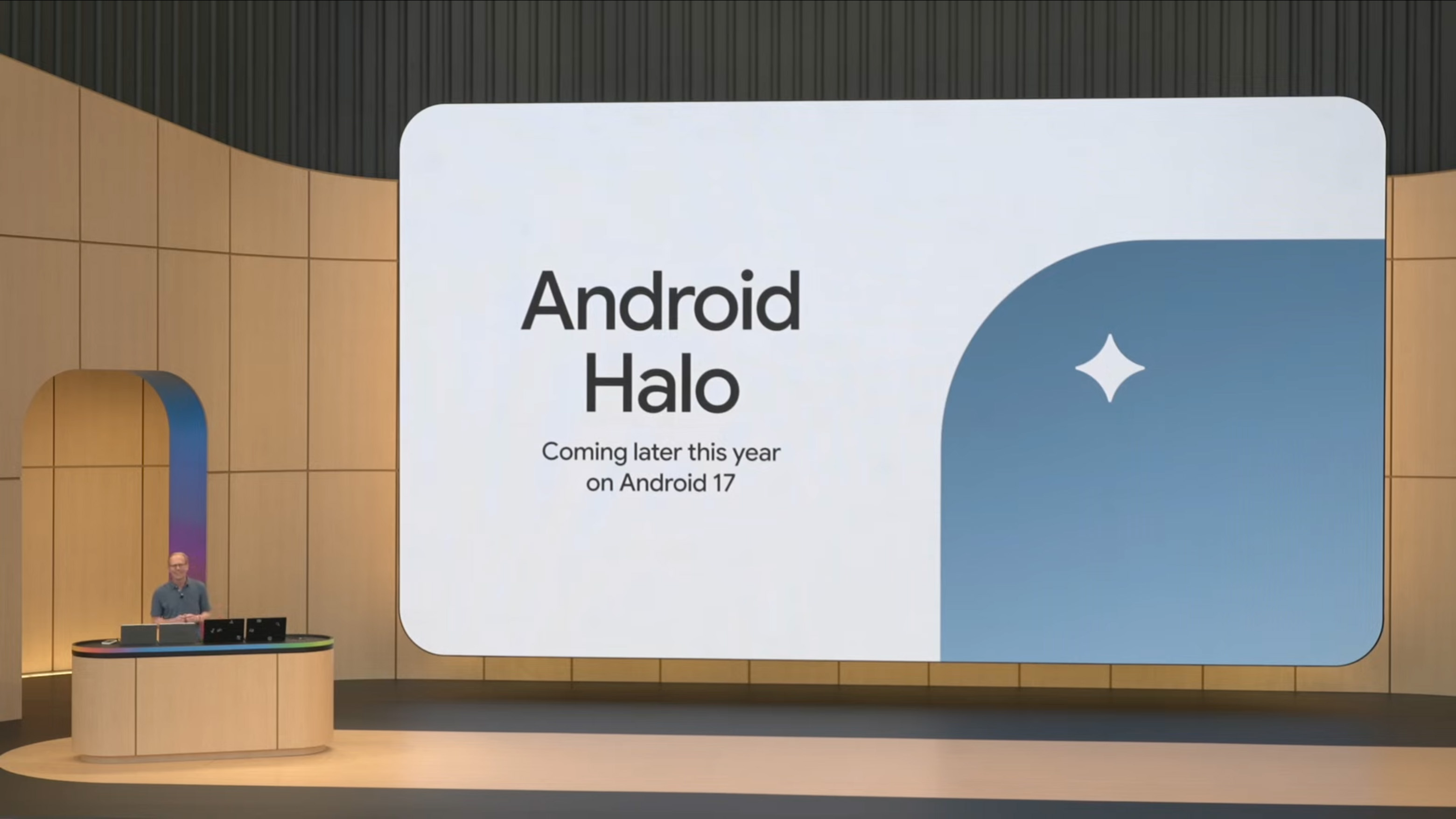
Android Halo sounds like some exciting crossover between the storied video game series and a proper Gemini replacement for Cortana but, alas, it is not that. Instead, it's a new Android app coming that's "a dedicated homebase for your AI agents," keeping all of those nifty Spark agents in one cohesive place. Maybe I can call one of them 007.
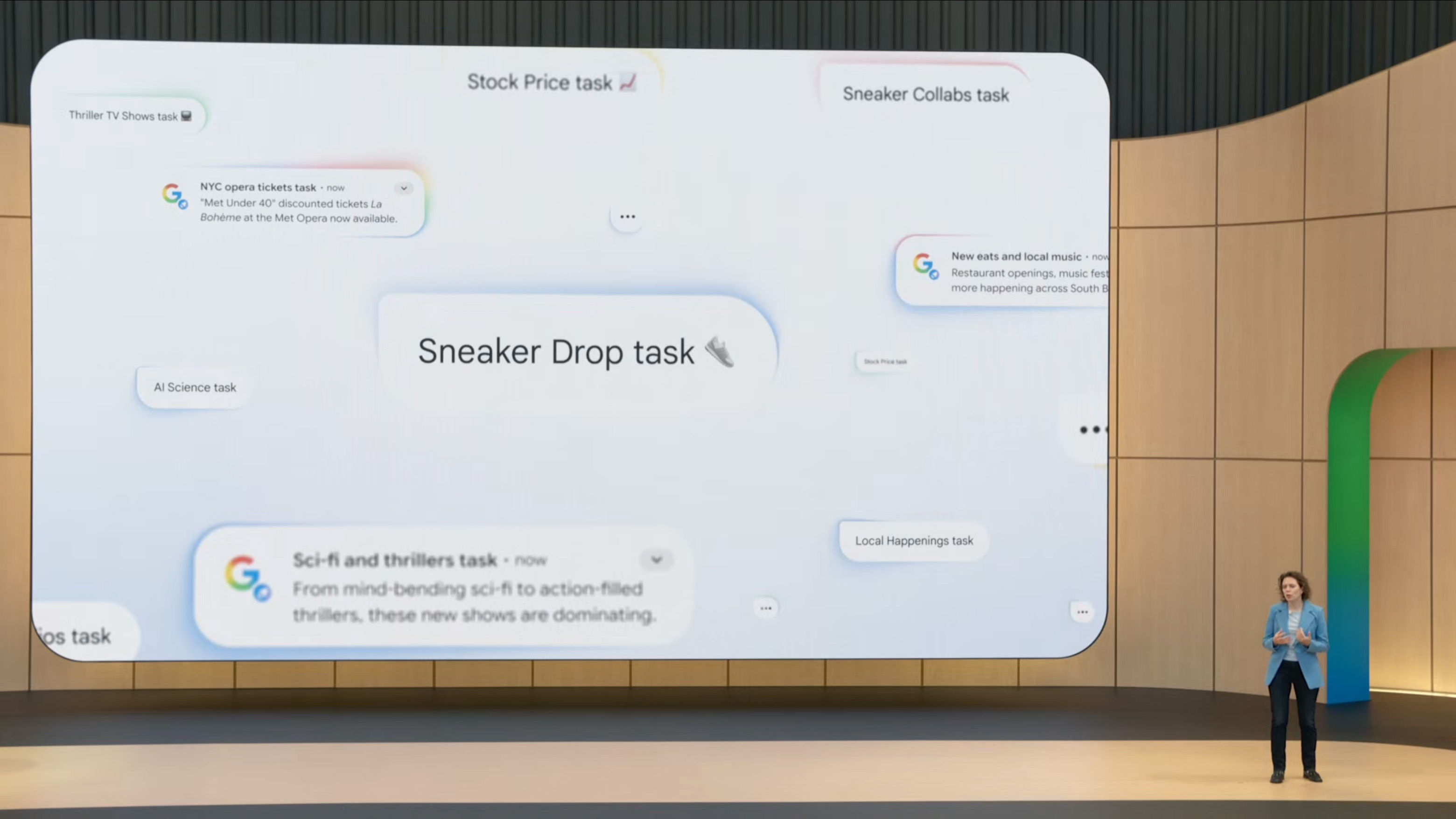
Google's new search AI agents can perform complex tasks for search results, including giving you alerts and notifications when your query is matched. Whether that's adding a tasks for your favorite content creator's latest updates or following stock values on the stock market, Information Agents can run in the background 24/7.
Sorry about that, I dozed off for a bit while all the coding was happening.
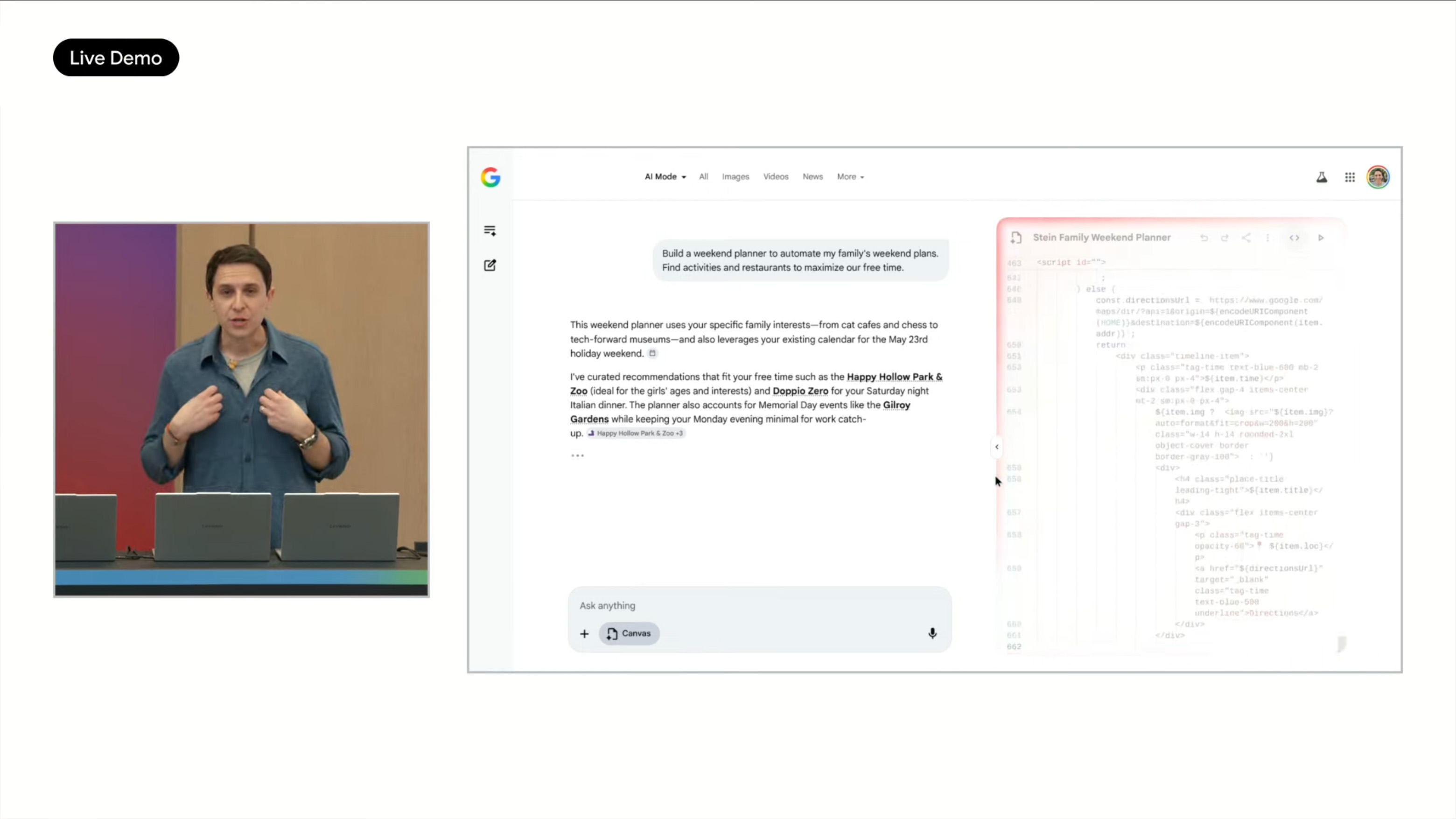
Totally kidding. Google is showing off AI mode enhancements, including Antigravity being baked into search, letting AI subscribers custom build apps and other experiences right in their browser. The gent on stage used it to make a weekend planner for his family outings, and it spit out a whole lot of code in a very short time span.
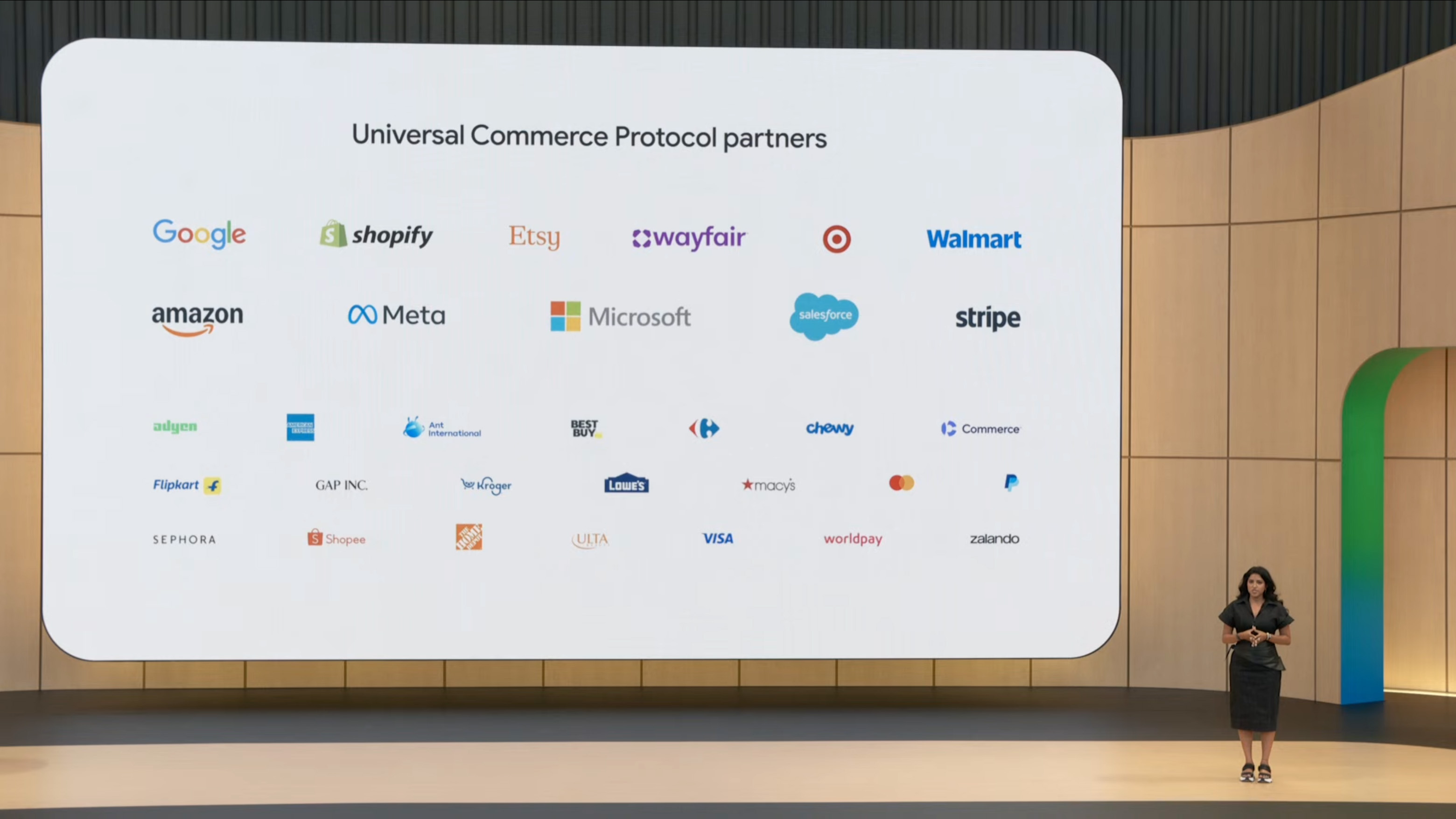
Ever heard of the Universal Commerce Protocol? Don't feel bad if you haven't, but know that it's going to help you shop online better and more quickly by allowing AI agents to browse the world's biggest inventories and handle the entire purchase, right from search. Essentially, you can look for a product on Google, and it'll find the lowest price on any of the commerce partners' websites, then allow you to check out through Search.
Google calls it the Universal Cart, and it isn't just for convenience; it's also designed to help pick the right items. One example was how a processor and motherboard were chosen for a PC upgrade, but the chosen motherboard had the wrong CPU slot. Gemini made recommendations for a different product that works with the chosen CPU, then added everything to the universal cart.
Universal cart is launching in the U.S. first this Summer.
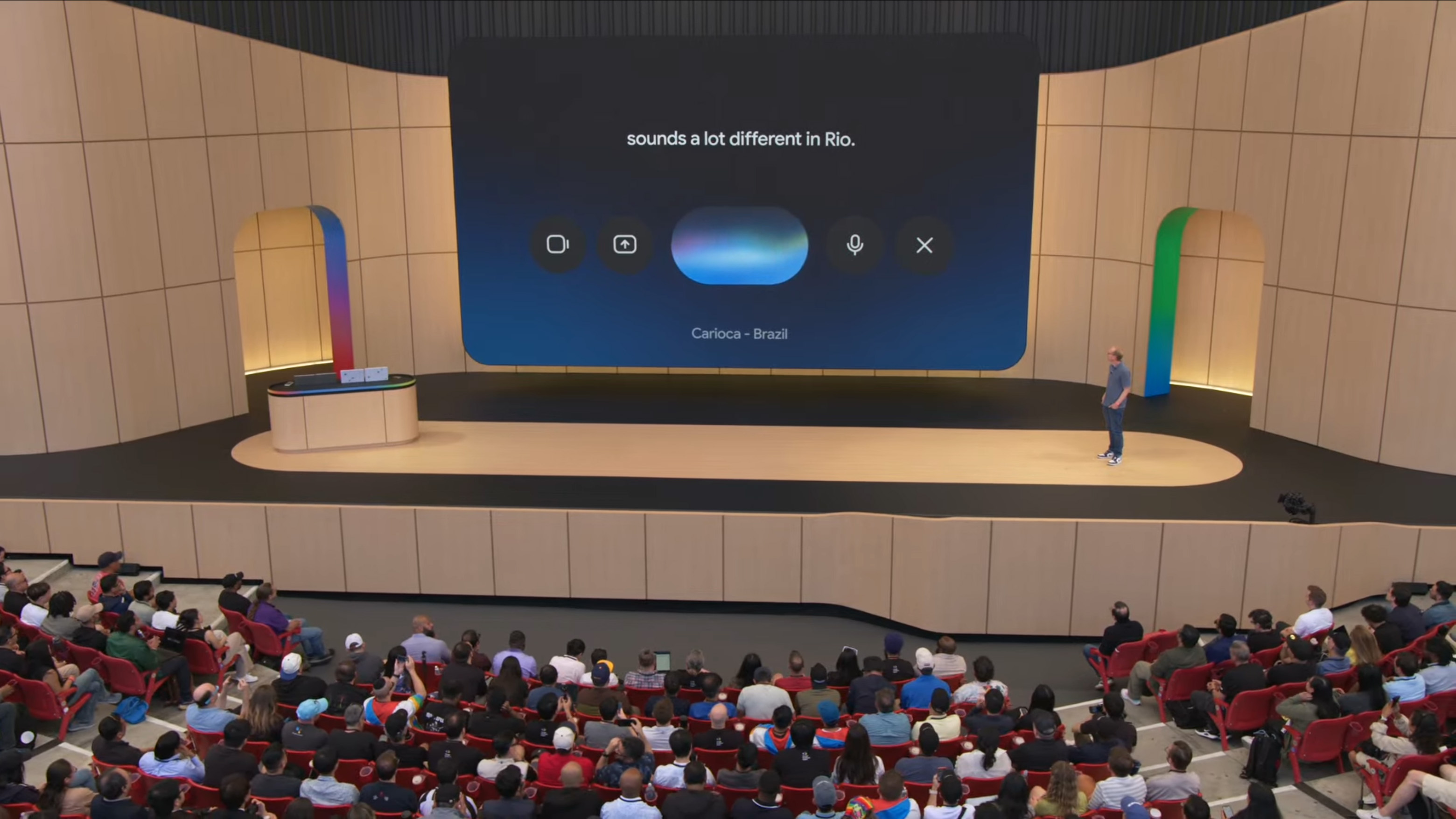
Google is launching regional dialects in the Gemini app, giving you a bit more of a customized response that you might appreciate, depending on where you live.
Gemini Omni and the new Neural Expressive functionality is rolling out today. That even includes Daily Brief, which is the latest attempt to get users to check Gemini's proactive information daily.
And what do you know? Gemini Spark is also happening as soon as NEXT WEEK!
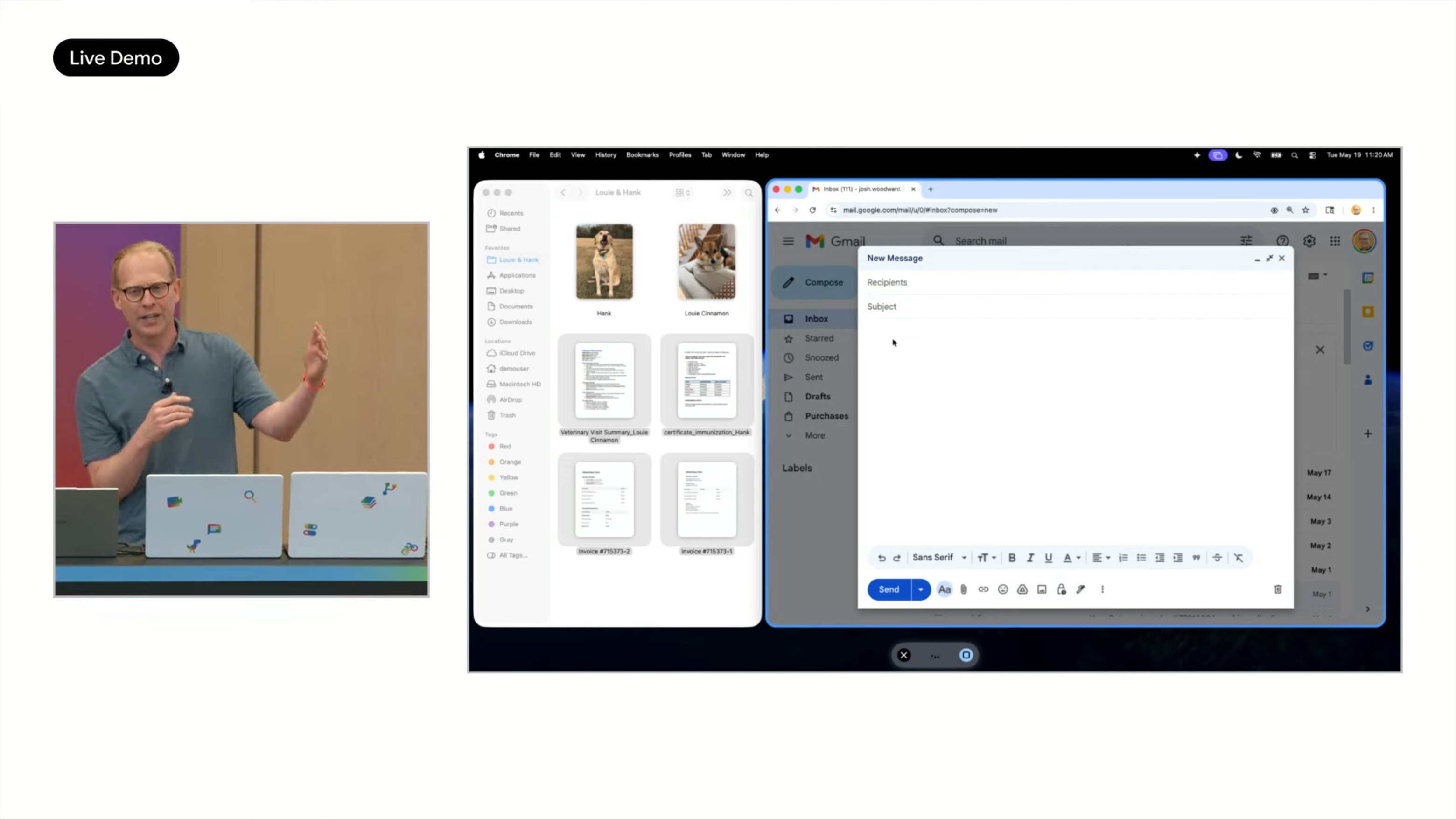
Gemini was used (again, on a Mac) to showcase Gemini's latest multimodal capabilities. Several different files were dragged into Gemini and the presenter asked it to write an email containing info from each file. After 10 seconds of "thinking," Gemini created an entire email with a friendly tone (specifically asked for by the presenter) that contained all sorts of relevant info, including tables and visuals.
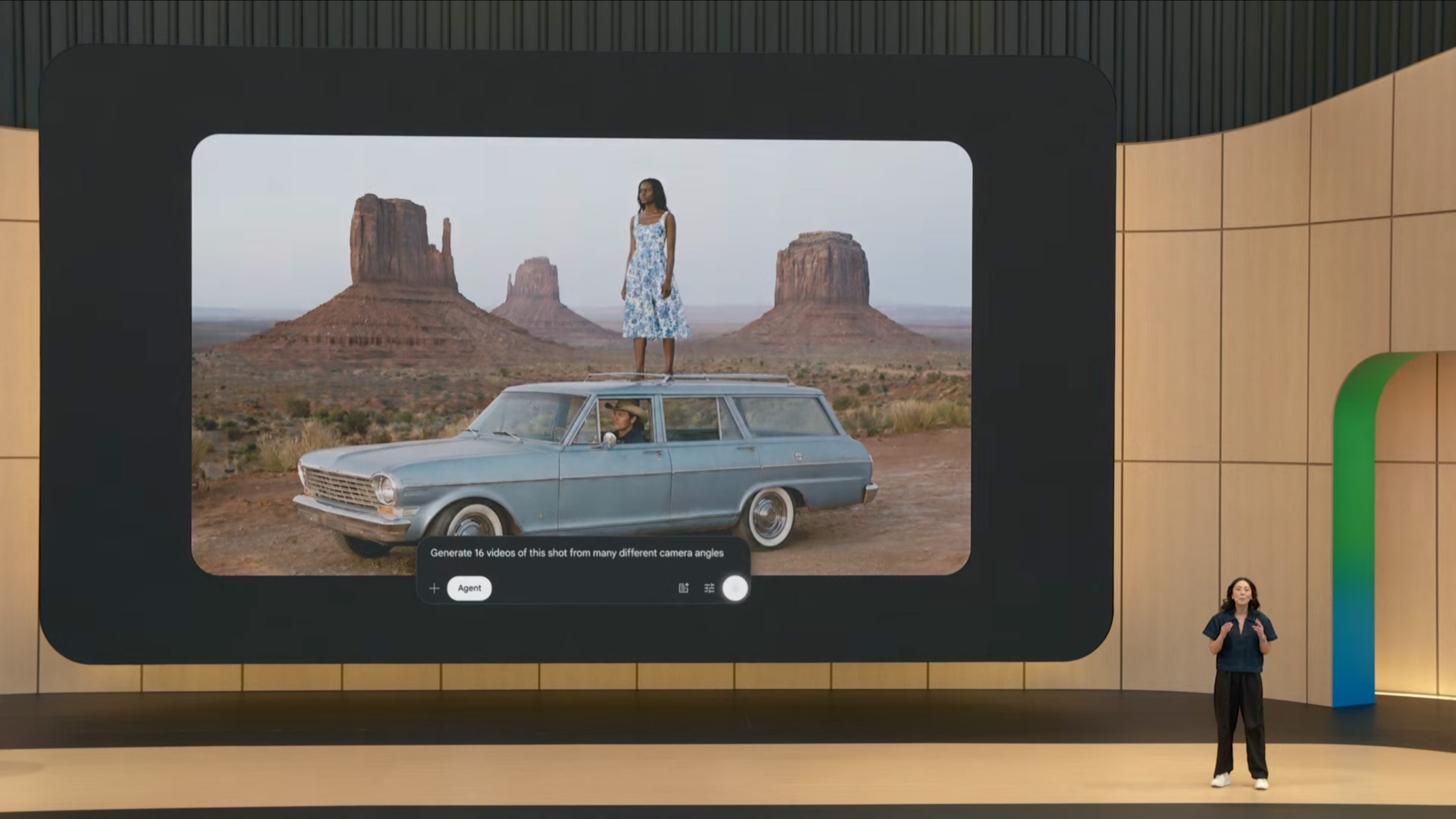
Google is upgrading Gemini Flow with the ability to perform a nearly unlimited number of tasks simultaneously. The prompt used here was to create 16 different camera angles from this shot, which were all then computed by 16 different agents to create the angles at the same time.
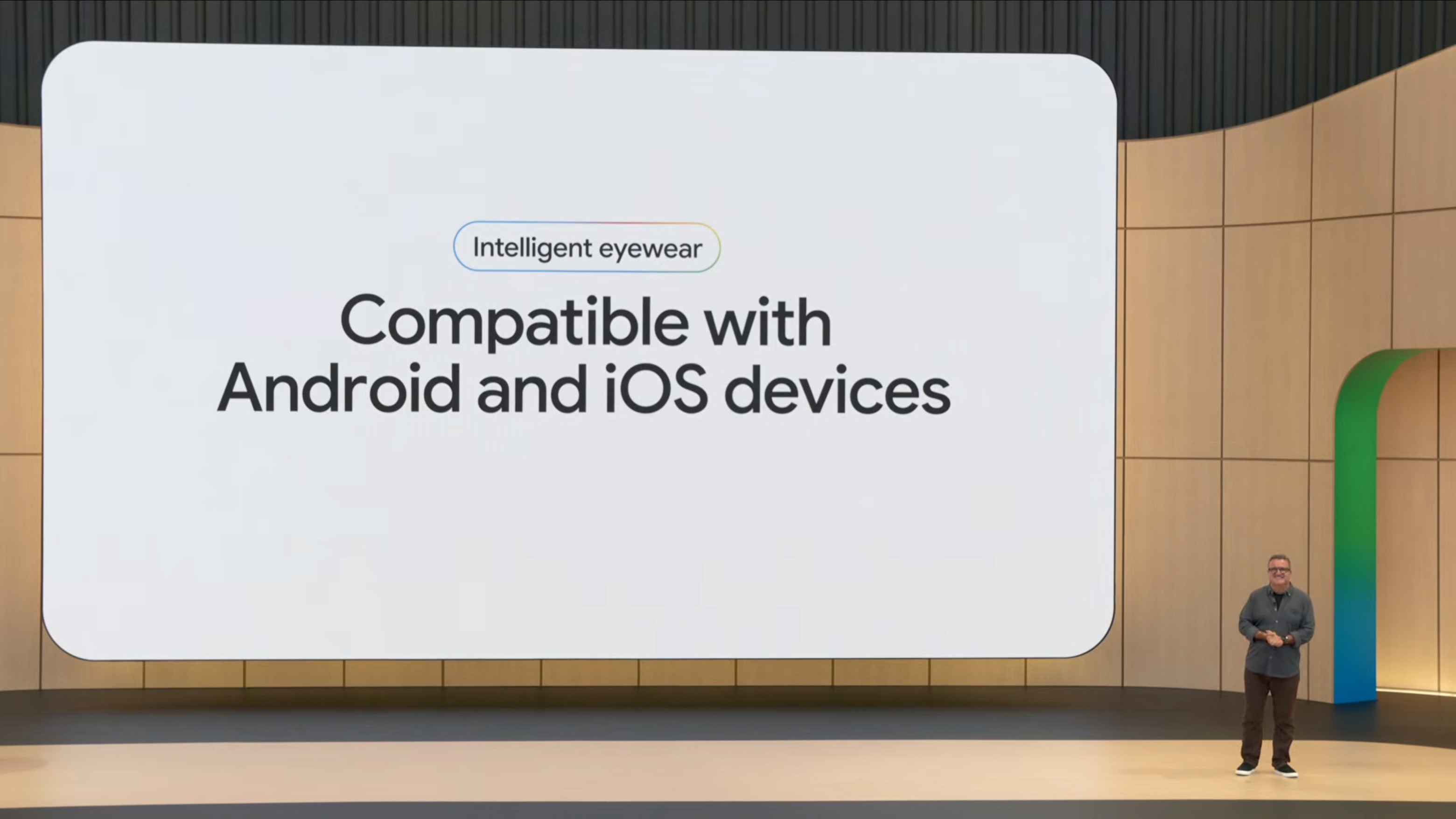
Google has FINALLY gotten to some physical product announcements, starting with intelligent eyewear and audio glasses!
Google and Samsung's upcoming audio glasses will be available this Fall and will work on both Android AND iOS devices.
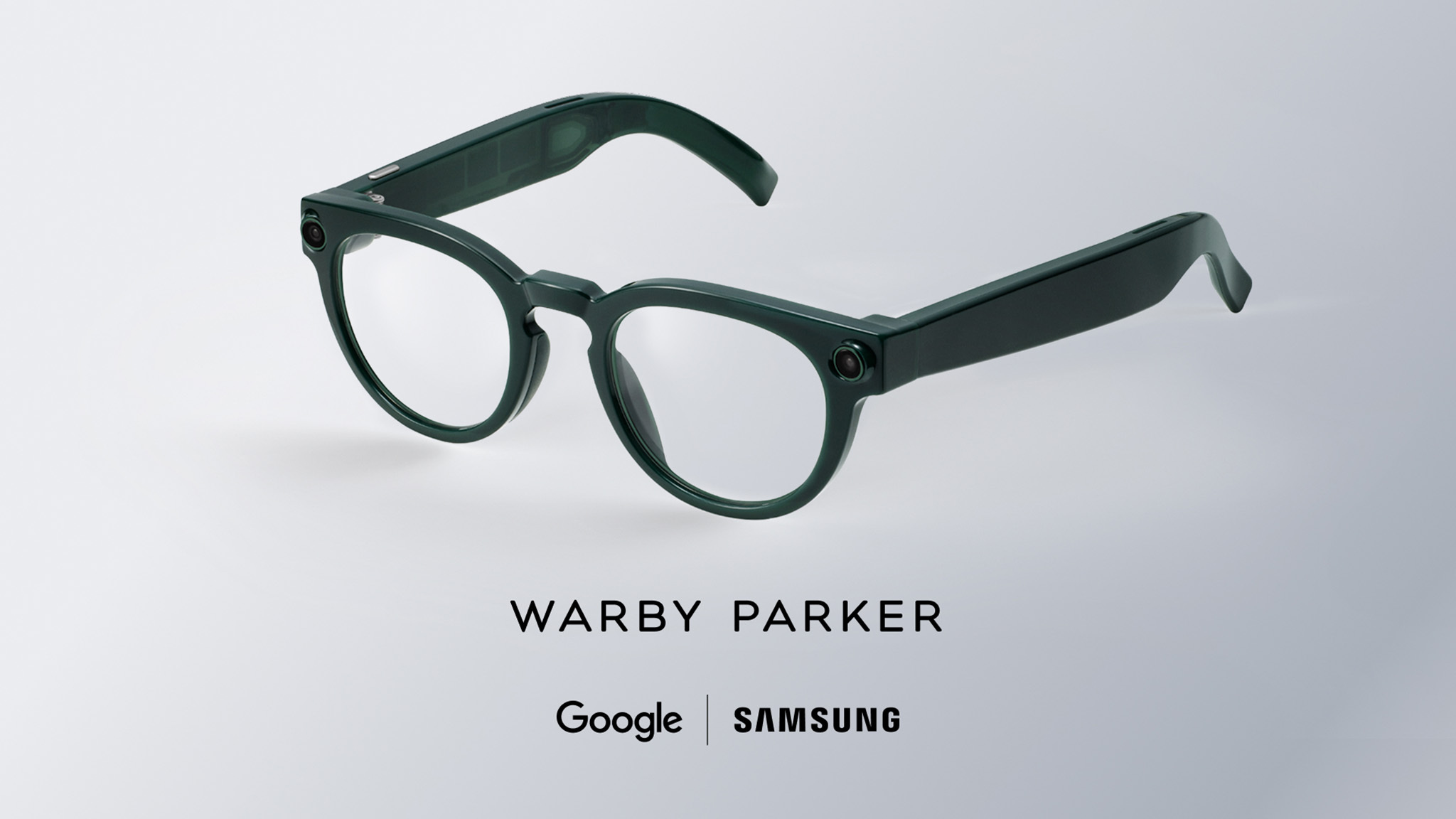
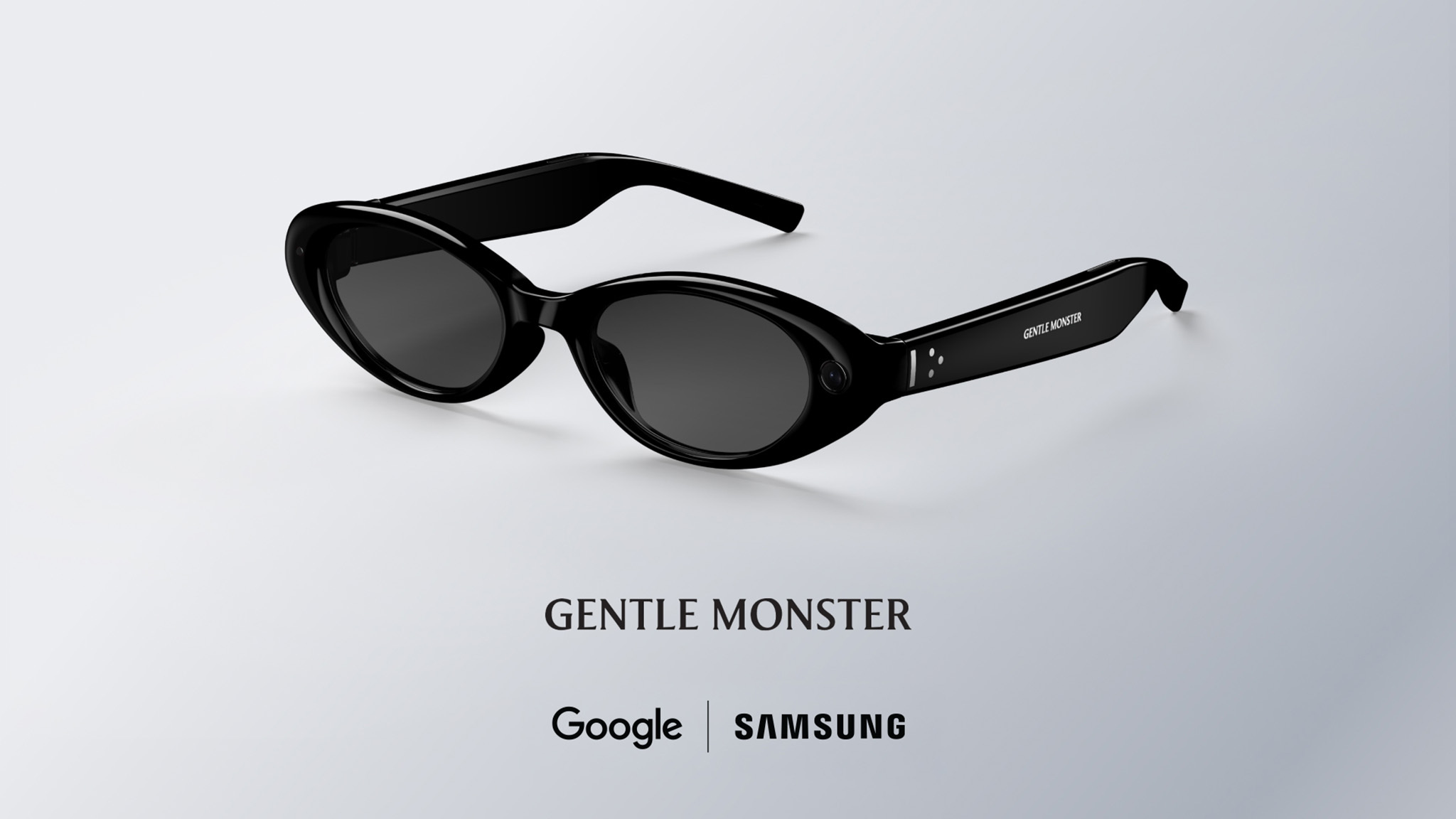
We knew Warby Parker and Gentle Monster were onboard before, but now we're seeing these styles for the first time. These are AI glasses, so they've got speakers and cameras onboard, allowing you to talk and hear, as well as capture videos and images.
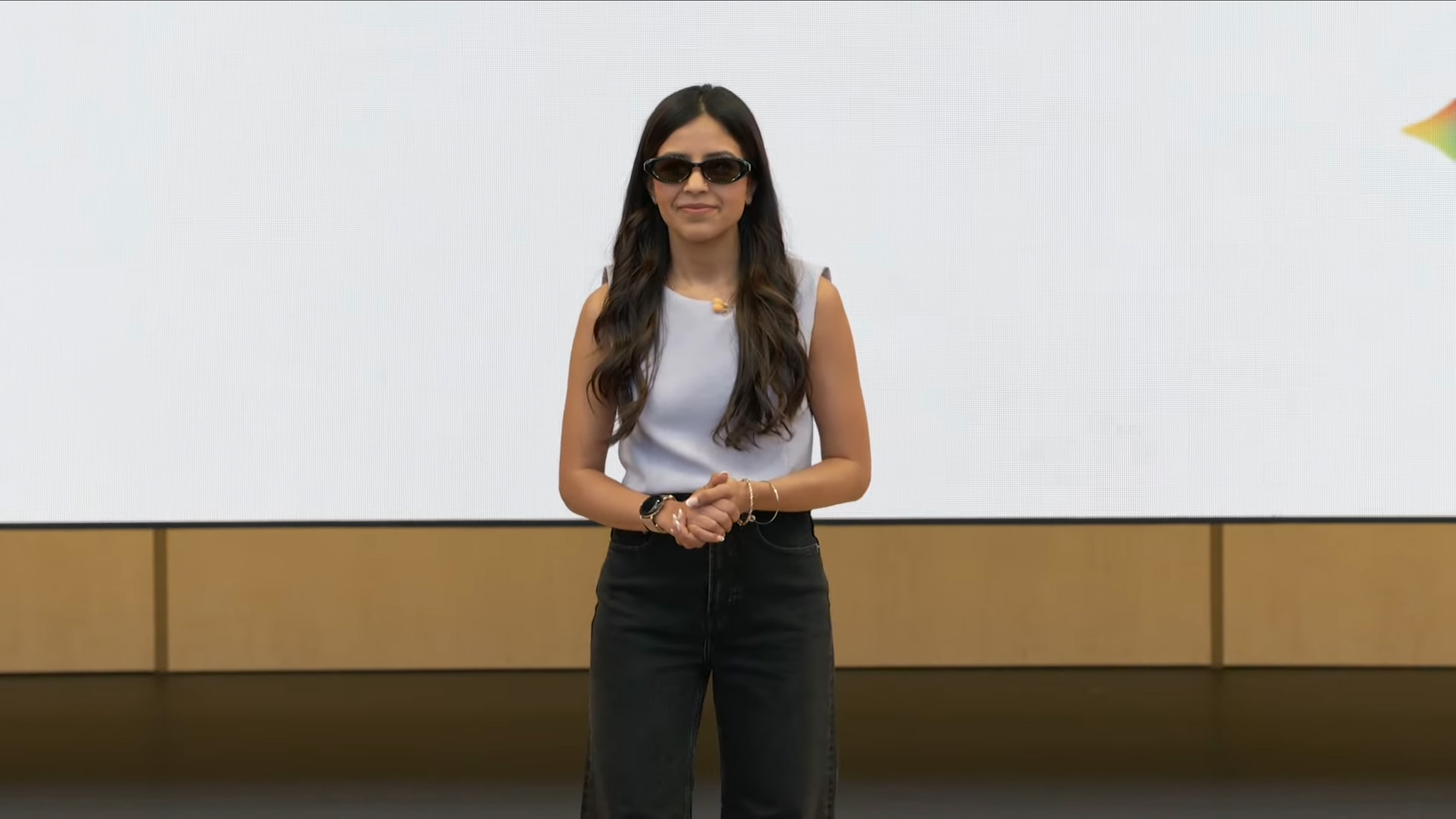
Nishtha is on stage demoing the glasses again this year! She asked Gemini to "navigate to the place she met her friend last week," and Gemini asked if she wanted to add a stop to get her favorite cold brew, showing that Gemini is able to remember things you commonly do. She then asked Gemini to "order her usual cold brew," and it used Gemini automation to hop on the coffee shop's app and complete an order.
Back to Gemini....
Gemini is also being used for science, including full world simulations for things like meteorology and long-term weather forecasting. Certainly would be nice to have more accurate weather simulations!
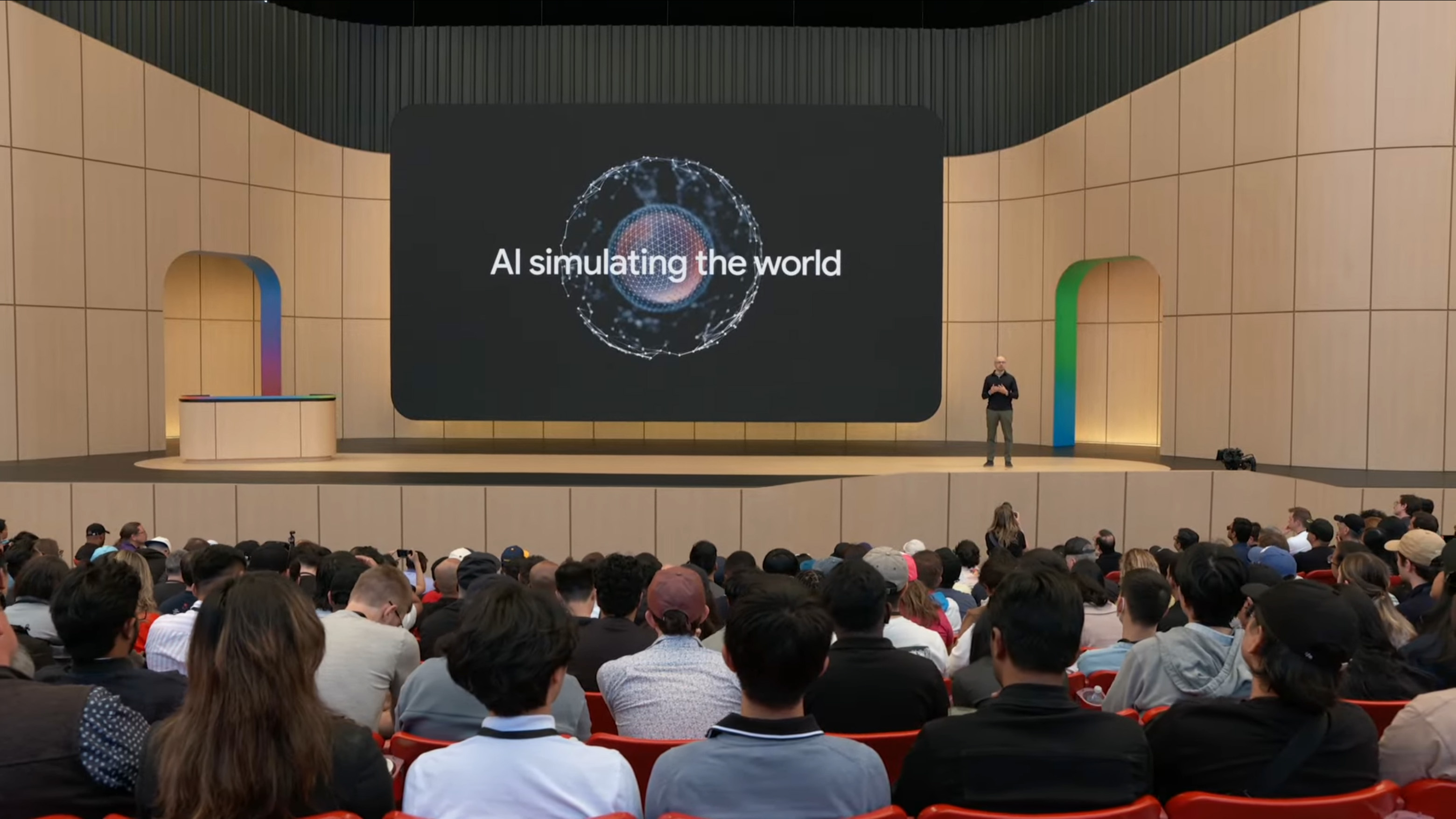
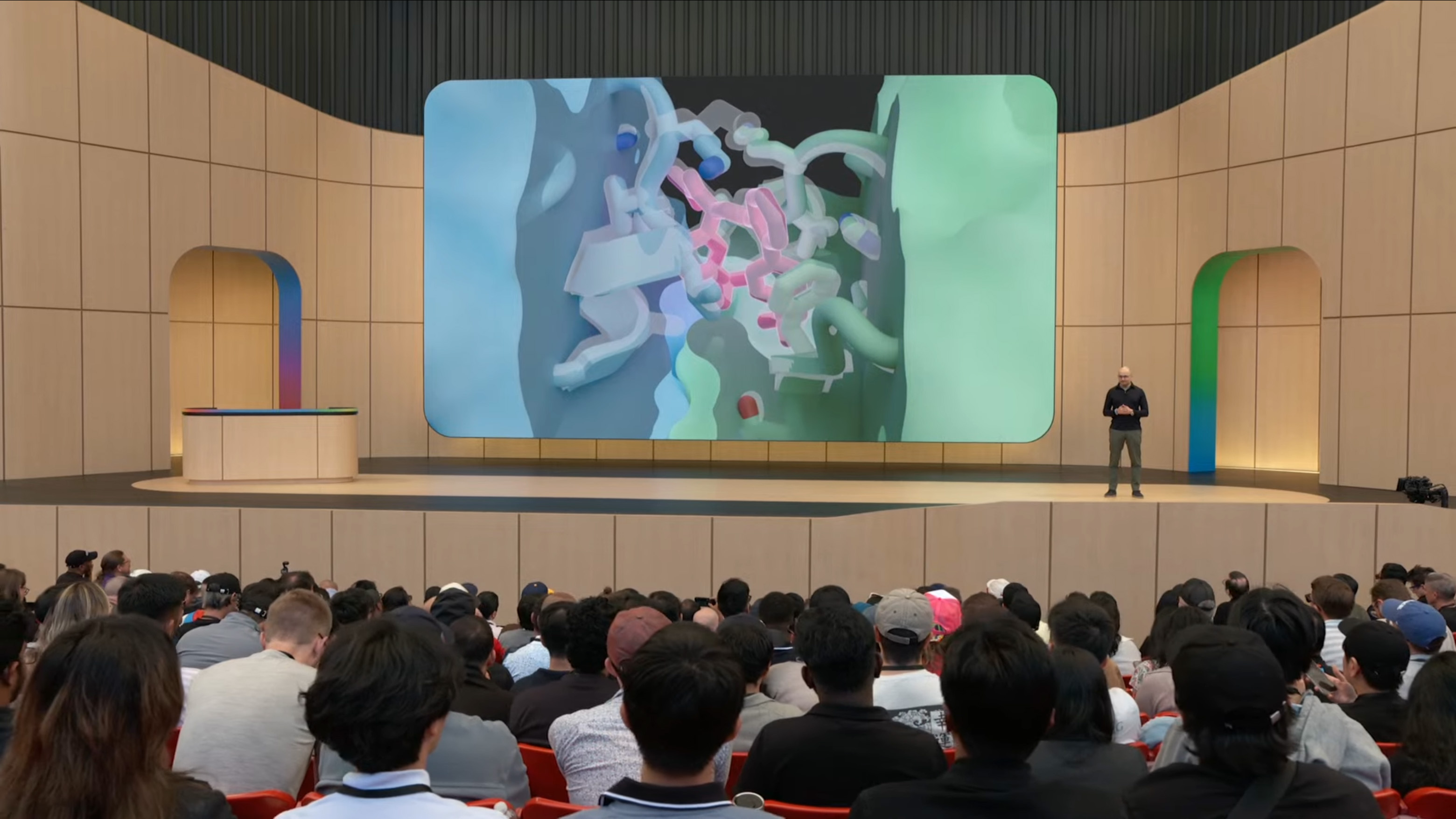
Gemini is even being used to simulate cells in hopes that it'll help discover new cures to diseases. Now THAT'S something I'd like to see AI used for!
And that's a wrap for the FIRST keynote at Google I/O 2026! We mostly saw new Gemini announcements with the smallest sprinkling of a product announcement in the form of Android XR audio glasses, coming this fall. Suspiciously absent from the keynote was Xreal Project Aura, but we're hoping to get a hands-on demo of that at the show.
Regardless, stay tuned for tons of hands-on content straight from Google I/O as Derrek makes his way around Shoreline Amphitheater and through all the booths! We'll have it all for you right here in the liveblog.
Are you going to be tuning into the developer keynote? It starts at 1:30pm PT / 4:30pm ET! You can check it out here on YouTube if you're interested! There's bound to be something fascinating to learn, especially if you have any ideas for what you want to see on your favorite devices next.
Google dropped a surprise update as part of the I/O 2026 festivities: Wear OS 7. The pace of Wear OS platform updates has been downright impressive lately, and Wear OS 7 brings an Android 17-based software experience to your smartwatch. The highlight of this year's Wear OS update is efficiency. You can expect your smartwatch's battery to last 10% longer thanks to the efficiency and optimization of Wear OS 7.
In case that wasn't enough, Android 16's Live Updates will make their way to Wear OS 7. That means you'll be able to follow updates in real time on your wrist. Moreover, certain smartwatches will get Gemini Intelligence. That's certainly an interesting development, because the system requirements for Gemini Intelligence on Android phones are high.
Developers and eager testers can try out the new update now using the Wear OS 7 Canary Emulator. Are you excited for the next version of Wear OS?
It's day one of Google I/O 2026, and the software announcements just keep coming. Google dropped Android 17 QPR1 Beta 3 following the main keynote, and Pixel users can install it now for early testing. This is a minor SDK release that will eventually serve as the follow-up to the stable Android 17 rollout. Beta 3 comes two weeks after Beta 2, and includes a slew of bug fixes.
While the Android 17 QPR1 update won't introduce any major behavioral changes on top of the stable Android 17 upgrade, there's a reason we're getting a last-minute beta. As explained in an Android Developers Blog post, Android 17 QPR1 Beta 3 is here to "support a few features that just couldn't wait for QPR2."
🪟 We've got a new Android Beta coming your way!Android 17 QPR1 Beta 3 rolls out today, bringing blur effects to more parts of the UI. Background blur remains one of my favorite UI changes of Material 3 Expressive, & it looks great on these surfaces.What do y'all think? pic.twitter.com/j8iuz0y2ZoMay 19, 2026
Among the bug fixes, Android 17 QPR1 Beta 3 brings background blur to more parts of the user interface. Pixel users enrolled in the Android Beta Program should receive this update automatically.
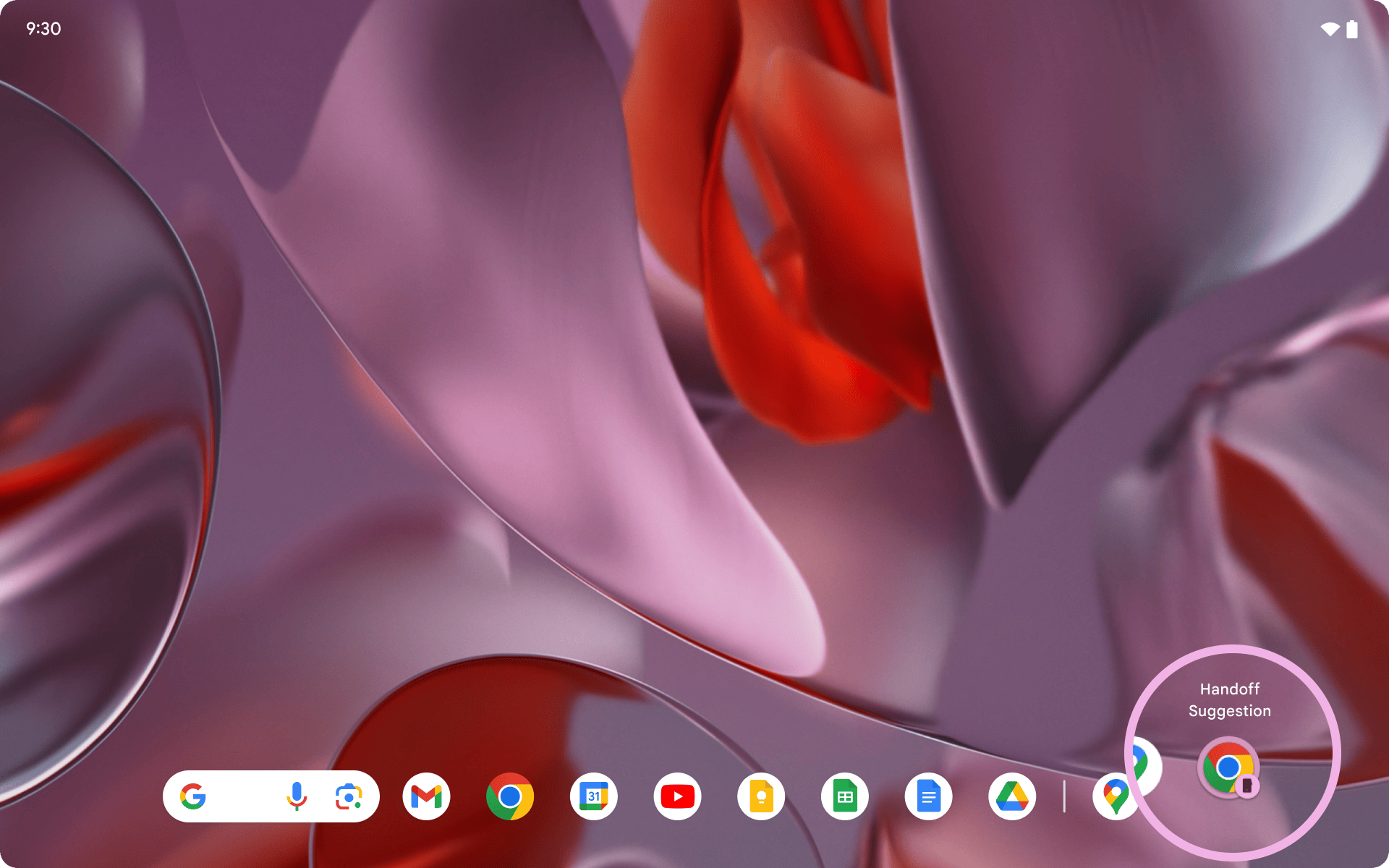
We're starting to learn more about some of the Android features shown off at Google I/O 2026, including the "Continue On" tool showcased on the Android Developers site. Essentially, this is a way for your Android devices to connect with one another to provide continuous experiences across multiple devices. It could particularly come in handy as the Android tech stack powers more form factors, like Googlebooks.
At least at launch, Google says this feature will first support mobile-to-tablet device transitions. The "handoff" suggestions will appear in the Android taskbar on a tablet, prompting you to continue using the app you were just using on your phone. Google adds that the feature is intended to work both ways, so you could start using an app on your tablet and continue using it on your phone. While Googlebooks aren't explicitly mentioned, it's not hard to imagine how this kind of feature could make sense for an Android-powered laptop.
Google shook up its subscription offerings at I/O 2026, and the AI Pro tier is coming out on top. The $19.99/mo. plan now includes YouTube Premium Lite at no additional charge. Usually, Premium Lite costs $8.99/mo. and lets you watch most videos ad-free. The extra benefit isn't the only perk added to AI Pro in recent months. Google Home Premium Standard and Google Health Premium are included under AI Pro, and it now features 5TB of cloud storage. It's a pretty compelling package.
The company also slashed the price of its top AI Ultra subscription from $250 to $200 annually. There's a new base AI Ultra plan in the middle, starting at $100 per year. Are Google's subscription changes enough to get you to sign up or upgrade your plan?
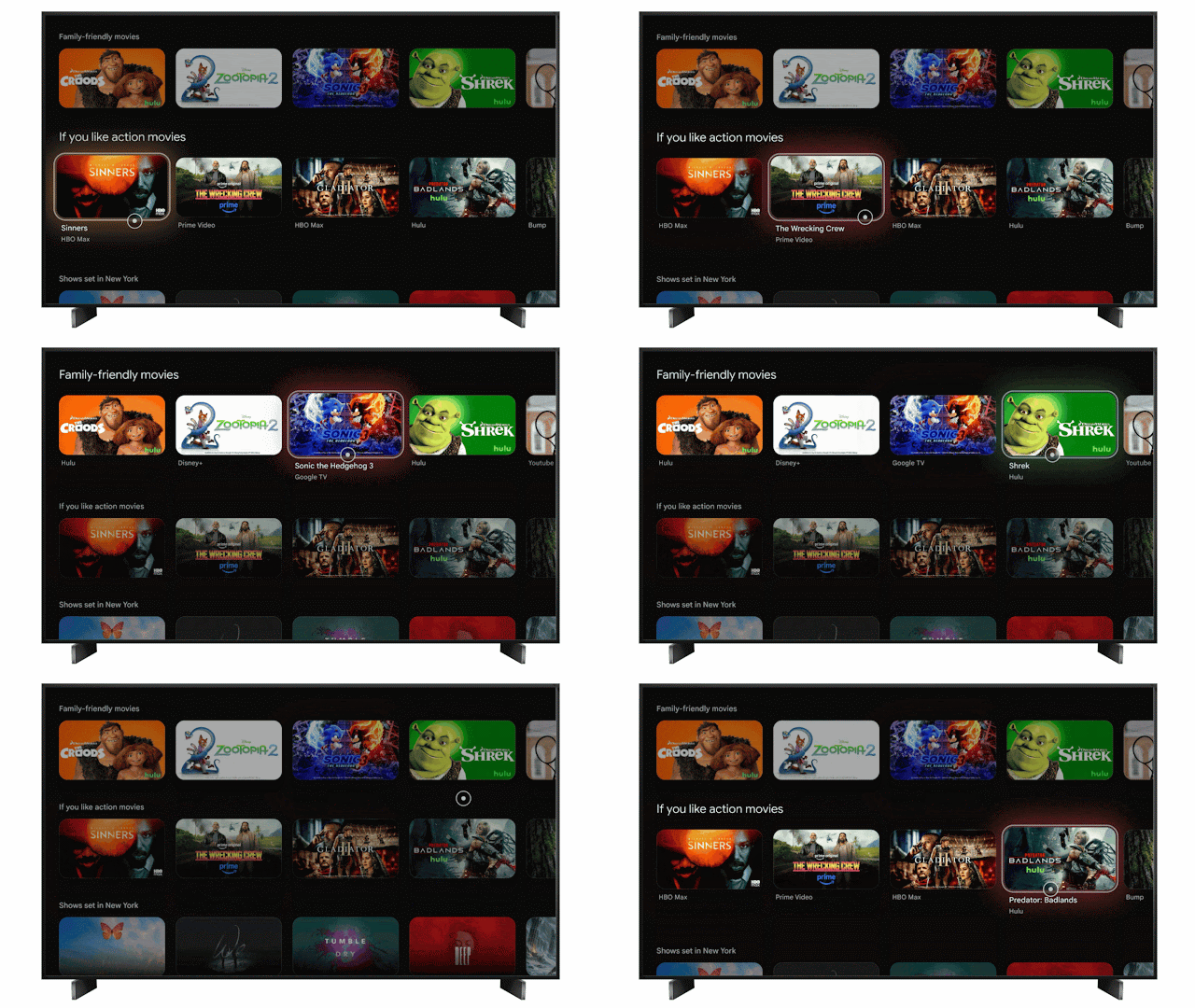
Google heard you wanted more software updates, so it gave an update on Google TV user interface and pointer changes in an Android Developers blog post. Google TV will support motion-controlled pointers, which will unlock "faster user navigation across the Google TV Home page and within content-heavy apps."
Google TV developers will be tasked with adding hover states, scrollable containers, and cursor clicks to their apps. As for the hardware, we know these remotes will have a small circular touchpad for scrolling in addition to the motion sensors. That touchpad might work similarly to the Apple TV remote, while the motion sensors clearly draw comparisons to gaming controllers, like Nintendo Switch Joy-Cons.
It's unclear when the Google TV overhaul for motion remotes will roll out, but it's clearly a shift Google is trying to prepare app developers for. Stay tuned!
Google announced a lot of features today, and while Gemini took center stage, the one thing that stood out the most to me was Universal Cart. I use CamelCamelCamel obsessively, and Google is essentially offering the same feature; Universal Cart will track prices across the web, and at various retailers to get you the best deal. I’m not as enthused about the agentic AI part of it, but hey, if that means it’ll find a deal automatically without me having to go on a dozen different sites, I can get onboard the feature.
Google Spark is another feature that sounds interesting. The idea of agentic AI that handles tasks isn’t new, but Google is putting considerable resources behind it, and it will be intriguing to see how it holds up in real-world use. Spark is limited to Google’s AI Ultra tier, so it won’t get anywhere close to the same level as mainstream use as other Gemini products.
On that note, Google is switching up the pricing of its AI-based subscription plans. There’s a new Google AI Ultra plan that starts at $100 a month, and it comes with 20TB cloud storage, priority access to Google Antigravity, and YouTube Premium built-in. If you need additional usage limits, Google’s costliest AI Ultra plan now costs $200, $50 less than previously. The AI Pro still costs $19.99 a month, and it now comes with YouTube Premium Lite.
One of my favorite things to do in the past was look through the Play Store to find interesting apps. It isn’t as much fun to do these days as Google decided to put ads in there, and the state of discovery is such that any unique apps are usually buried behind a mountain of over-monetized junk. Thankfully, Ask Play may solve that problem; the feature is designed to make it easier to find apps of interest, and I’m crossing my fingers that it’ll bring back a modicum of fun that used to exist with the Play Store in the past.