Global petrol prices have risen again this week as commercial shipping traffic through the crucial Strait of Hormuz plunged to a three-week low following an intensified US naval blockade and persistent Iranian military stand-offs.
The maritime slowdown in the Persian Gulf, reported on Sunday by the US Naval Forces Central Command, threatens to disrupt key energy supply lines after two weeks of severe regional escalation. With Tehran continuing to assert control over the strategic passage, the US Fifth Fleet confirmed that merchant vessels are actively avoiding the area or being redirected, keeping global energy supplies in the balance.
The current maritime crisis intensified after Iranian forces repeatedly targeted commercial vessels attempting to transit the narrow waterway, according to the US military, prompting a series of retaliatory strikes by Washington against coastal defence infrastructure.
The US military subsequently reimposed a strict naval blockade against Iran, which has so far seen seventeen commercial ships redirected, two disabled, and two boarded by American forces.
Although both Washington and Tehran observed a temporary three-day pause in direct military strikes over the weekend, the operational disruption to global shipping routes continues to put pressure on international fuel markets.
Strait of Hormuz Shipping Drops To Three-Week Low as Regional Talks Progress
Despite the fragile lull in direct bombardments, diplomats familiar with the talks in Qatar and Pakistan are working behind closed doors to revive a collapsed interim ceasefire agreement between the two powers.
Negotiations have focused heavily on establishing a temporary maritime mechanism with Oman to regulate vessel movement through the Strait of Hormuz safely. However, Iranian Foreign Ministry spokesperson Esmail Baghaei insisted during a news conference in Tehran that the strategic waterway remains closed to transit.
Tehran maintains that any eventual agreement must respect its national security interests, while asserting rights to manage traffic and potentially charge transit fees on passing tankers.
The lingering uncertainty surrounding the passage has sent shockwaves through the broader logistics sector. While naval officials confirmed no fresh strikes occurred on commercial vessels over the past seventy-two hours, total vessel movements through the waterway remain severely depressed.
Armed proxy groups across the Middle East continue to destabilise adjacent corridors, with Yemeni Houthi rebels recently threatening a parallel blockade in the Red Sea after firing on a Saudi tanker near the Bab al-Mandeb strait.
Reporter: How much patience do you have left with Iran?
— Clash Report (@clashreport) July 27, 2026
Trump: I have plenty of time. Their whole shoreline is wiped out.
The strait is in very good shape. And we're talking right now.
You know, they wanted to talk. Their people said, "Please don't drop, don't shoot." pic.twitter.com/g5KPxt0smm
Petrol Price Surge Raises Diplomatic Stakes in Washington
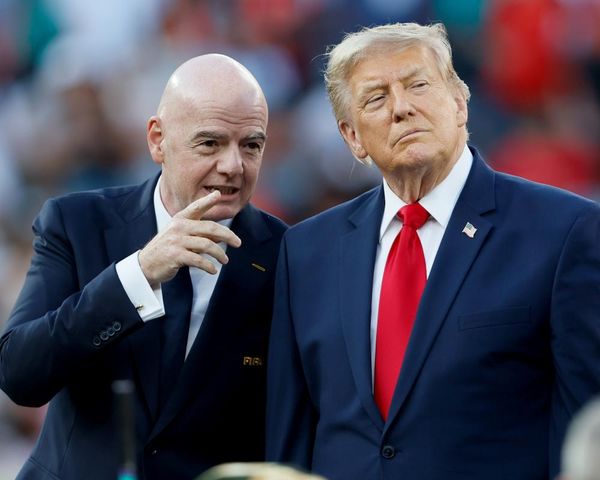
Speaking to reporters aboard Air Force One on Monday, US President Donald Trump claimed that Iran had reached out directly for discussions, noting that talks were progressing well. Pressed on whether American munitions stockpiles were being depleted by weeks of high-intensity operations in the Gulf, Trump acknowledged that while supplies remained in good shape, he would certainly prefer to have larger reserves on hand.
Adding further complexity to the geopolitical picture, Iran reported that an Iranian vessel was attacked by Ukrainian forces in the Caspian Sea over the weekend, killing one sailor and expanding the regional friction.
Meanwhile, Israeli Prime Minister Benjamin Netanyahu is scheduled to meet Trump in Washington on Tuesday. The meeting comes months after the two leaders launched a coordinated war on Iran that killed senior figures, including Supreme Leader Ayatollah Ali Khamenei, according to Iranian state media.
Whether these high-level talks can resolve the shipping standoff before energy prices cause further domestic harm remains far from clear.