Experts suggest there are security lapses surrounding Russia's military elite after the Moscow bombing on 1 August, which claimed three lives. The attack took place at an upscale restaurant in the capital, further raising questions about the security surrounding senior military figures.
Dr Mark Episkopos, a Eurasia research fellow at the Quincy Institute for Responsible Statecraft, said in an interview that despite President Vladimir Putin's efforts to preserve a sense of 'normalcy' in Moscow and St Petersburg, Ukraine has been able to exploit vulnerabilities.
The Bombing That Claimed Three Lives
The blast occurred on 1 August at the Balzi Rossi restaurant in central Moscow. A private gathering was being held at the venue, attended by several high-profile individuals, including the alleged target, Col. Gen. Alexander Chayko, head of Russia's Aerospace Forces.
At approximately 8pm, a woman carrying a gift box containing an improvised explosive device approached the entrance during the private event.
@joeycontino2 BREAKING NEWS - Assassination attempt in Moscow
♬ original sound - Joey Contino
She was stopped by a security guard, but the bomb detonated at the entrance, killing the bomber, the guard and at least one restaurant guest, while injuring more than 20 others.
Initial official reports listed three deaths and 21 injuries. Although Col. Gen. Chayko survived, Russian officials later said the death toll had risen to five after two victims died in hospital.
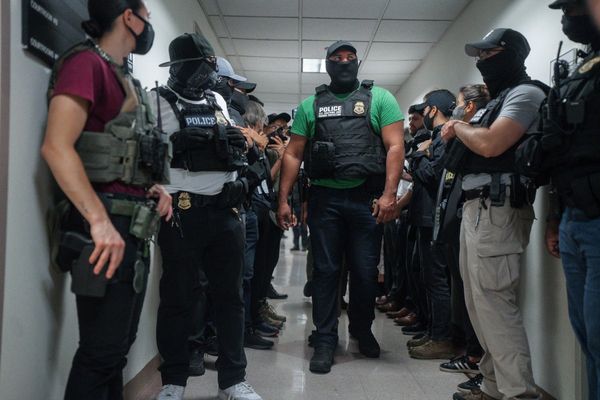
While the investigation is ongoing, security analysts say the attack has already highlighted vulnerabilities in the protection of senior military figures, particularly as Russia continues to wage war in Ukraine while facing an increasing number of attacks on its own soil.
Ignorance or Lack of Security?
Dr Episkopos questioned why Russian elites and military figures continue to flout operational security by holding 'parties' despite the growing number of attacks across the country.
He added: 'This particular event did seem to have a substantial level of security, which is why the person carrying the explosive was reportedly stopped and questioned at the entrance.'
It has also been speculated that the courier was unaware of what she was carrying and that the device was detonated remotely, a method consistent with previous assassinations on Russian territory that have been attributed to Ukraine.
'Ukraine has pioneered a new style of asymmetric warfare that plays to its strengths and Russia's weaknesses—relatively porous borders and vast territory that's difficult to monitor, let alone defend,' he added.
Dr Episkopos also noted that Russia has generally relied on its advantage in raw firepower to conduct airstrikes rather than covert assassinations.
Why the Bombing Raises New Security Concerns
The bombing has raised eyebrows among both military personnel and the public because it occurred in Moscow, one of the country's most heavily monitored cities. The capital is also home to many of Russia's senior political and military officials.
Experts are examining how an explosive device was brought so close to an event attended by elite figures, raising fresh questions about the venue's screening measures and personal protection protocols.
The bombing also came amid a wider series of security incidents across Russia. Just one day later, on 2 August, debris from a Ukrainian drone reportedly fell on tourists at a beach resort in Krasnodar Krai in southern Russia, leaving seven people dead, including three children.
Together, the two incidents underscore the growing challenge facing Russian authorities as attacks increasingly reach locations once considered relatively secure.