The cost of essential medicines in England has risen by up to 30 per cent because of the war in Iran, pharmacists have warned.
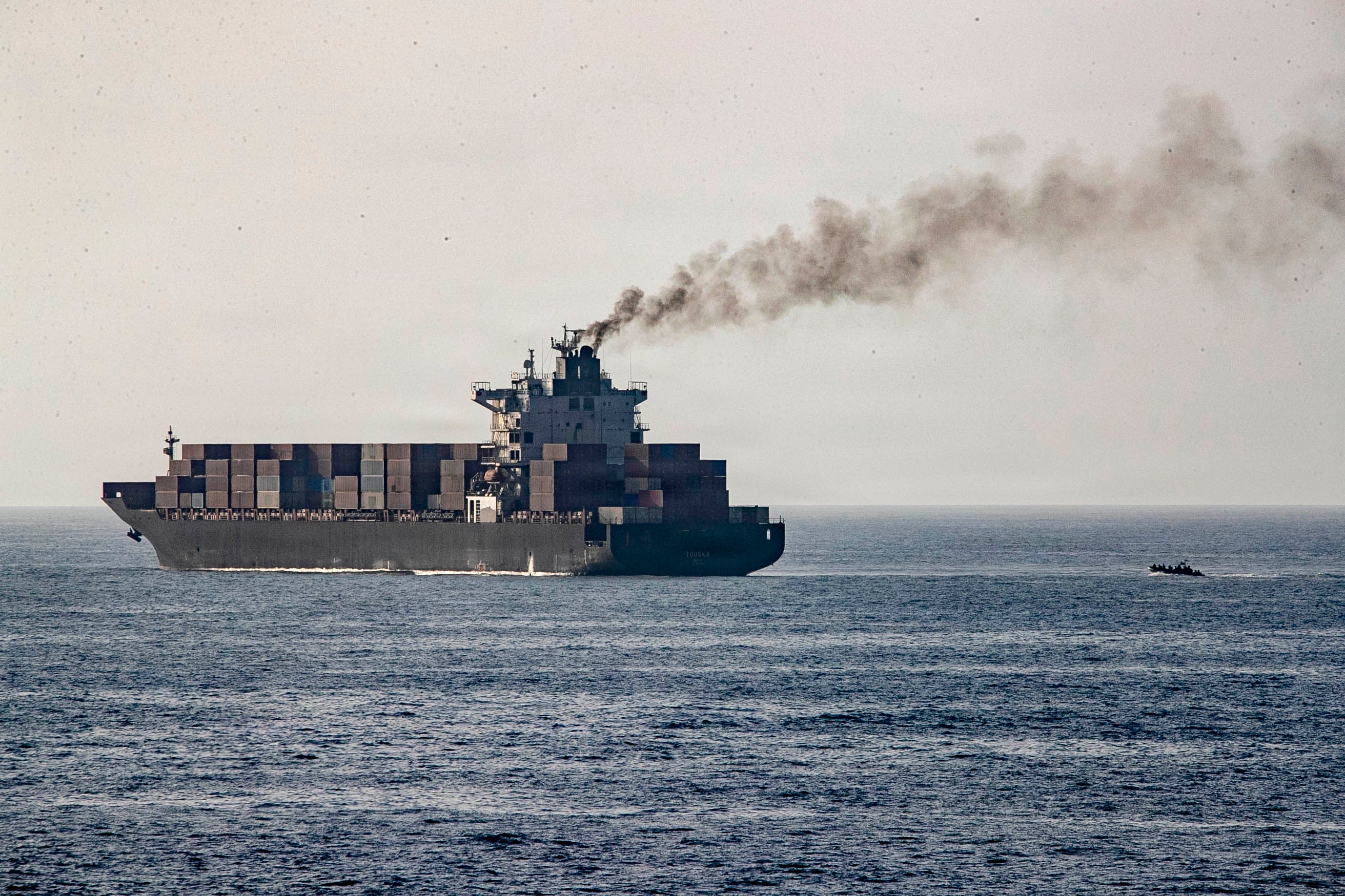
Oil and gas prices continue to climb in what the International Energy Agency has dubbed the worst energy crisis in history due to disruption in the Strait of Hormuz, where the US have implemented a blockade and Iran is attacking vessels.
In turn this has led to increased manufacturing and transport costs for suppliers, who are now paying 40 to 50 per cent for stock, the National Pharmacy Association told The Guardian.
Community chemists are being forced to charge customers 20 to 30 per cent more for medicine including painkillers such as paracetamol and hayfever medication including cetirizine tablets, according to the group.
Drug makers had sounded the alarm earlier this month, warning that the NHS could face drug shortages if the conflict were not resolved soon.
Medicines that contain paracetamol and aspirin that use petroleum derivatives are thought to be the most at risk because they are manufactured using by-products from the petrochemical industry, which has been affected by Tehran’s blockade of the Strait of Hormuz.
With one in five NHS medicines arriving by air, the conflict has also seen transport costs double. Some chemists have been forced to stop selling aspirin due to supply issues that had preceded the war.
NPA chair Olivier Picard said that his own Berkshire chemist had been unable to order paracetamol and “the [wholesale] price had doubled” when it did come back on the market.
He advised against stockpiling medicines as panic-buying would create shortages that would push costs up further.
In a letter to Wes Streeting last month, Dr Leyla Hannbeck, CEO of the Independent Pharmacies Association, voiced her concerns over the supply of essential drugs that “millions rely on daily”, such as blood pressure medicines.
Following the letter, the government has said it was working to boost Britain’s domestic medicine manufacturing industry and reassured the majority of medicines are in good supply at the time.
A Department of Health and Social Care spokesperson said: “We are monitoring the situation closely and there is currently very limited disruption to medical product supply from the conflict in the Middle East.
“We have robust measures in place to manage disruption across the health and social care sector to protect patients, including holding buffer stocks and the procurement of alternative products where necessary.
“The vast majority of the UK’s licensed medicines are in good supply, and we will continue working closely with industry partners to help ensure the continued supply of medical products.”
Trump issues ‘shoot to kill’ order for boats laying mines in Strait of Hormuz
Iran war live: Trump orders navy to immediately ‘shoot and kill’ Iran’s mine boats
US still delivering weapons to Ukraine, Zelenskyy says, as Prince Harry visits Kyiv
Sainsbury’s and WH Smith among latest firms facing Iran war impact
Half a million Brits medical data offered for sale on Chinese website in major breach
Top midwife warns ‘things aren’t good enough’ as NHS overhauls care