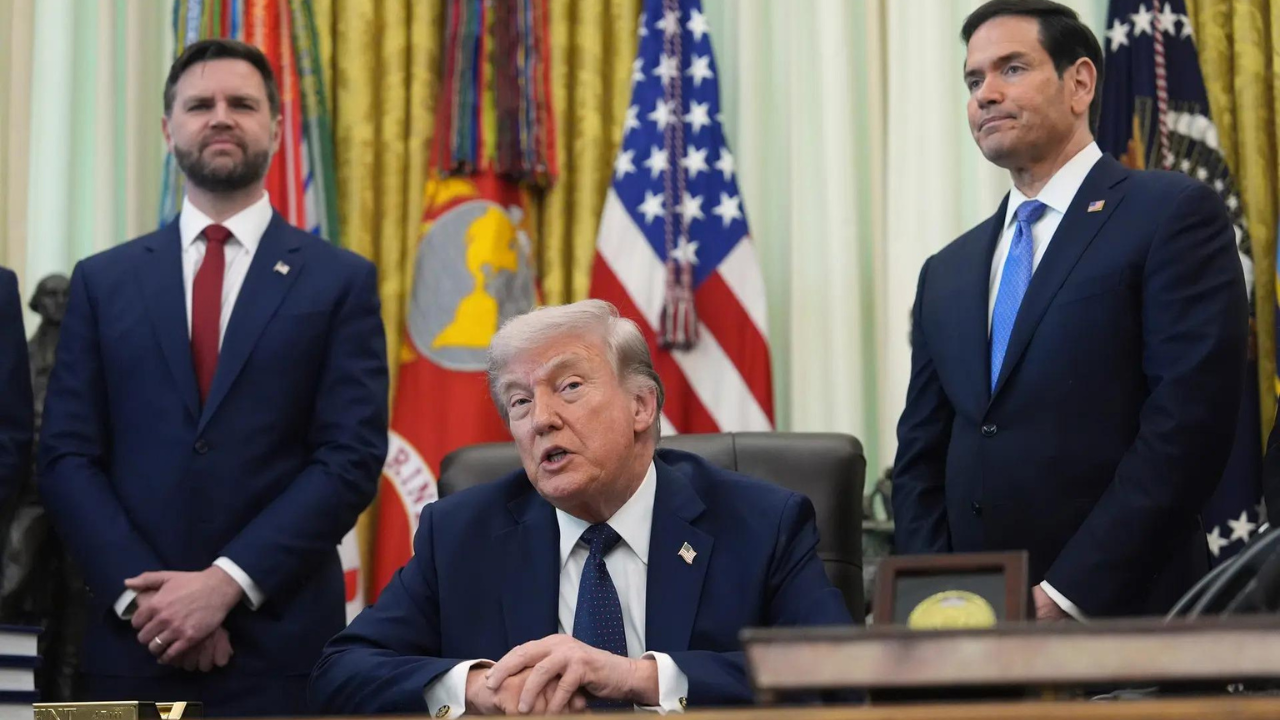
US President Donald Trump has reiterated that any agreement with Iran must meet Washington’s core demands, warning that there would either be a “great and meaningful deal” or “no deal at all” as negotiations to end the months-long conflict entered a critical phase.
Speaking on Monday, Trump said the United States would not settle for a weak compromise and insisted Iran must abandon any path towards developing a nuclear weapon. “Our relationship with Iran is becoming much more professional and productive,” Trump wrote on social media over the weekend, before adding that Tehran “cannot develop or procure a nuclear weapon or bomb”.
The remarks came as both Washington and Tehran struck a cautious tone over reports that a broader agreement to end the war and reopen the Strait of Hormuz could soon emerge. While Trump claimed the deal had been “largely negotiated”, Iranian officials insisted several issues remained unresolved.
Iranian foreign ministry spokesman Esmaeil Baqaei said Tehran and Washington had reached understandings on “a large portion” of the issues under discussion, but warned that an agreement was not imminent. He accused the United States of shifting positions and sending contradictory signals during negotiations.
Baqaei said Iran was drafting a 14-point framework focused primarily on ending the conflict across the region, including in Lebanon. According to Tehran, the framework also addresses the lifting of the US naval blockade imposed on Iranian ports in April and arrangements concerning the Strait of Hormuz, one of the world’s most important oil shipping routes.
Iran has maintained tight control over Hormuz since the conflict began, allowing only limited maritime traffic through the strategic waterway. Tehran insists it is not imposing tolls on vessels but charging fees for navigational and environmental protection services.
Meanwhile, US Secretary of State Marco Rubio suggested that progress could come within hours, saying there was a possibility of “good news” regarding the negotiations. However, he also echoed Trump’s warning, saying Washington would either secure a satisfactory agreement or deal with Iran “another way”.
One of the biggest sticking points remains Iran’s nuclear programme. Under the emerging proposal, Tehran could agree to surrender or dilute its stockpile of highly enriched uranium in exchange for phased sanctions relief and the easing of restrictions on oil exports. According to the International Atomic Energy Agency, Iran currently possesses uranium enriched up to 60 per cent purity — a short technical step from weapons-grade level.
Iranian President Masoud Pezeshkian has insisted Tehran is willing “to assure the world” that it is not seeking nuclear weapons, though questions remain over uranium enrichment, Iran’s missile programme and the future role of Iranian-backed groups across the region.