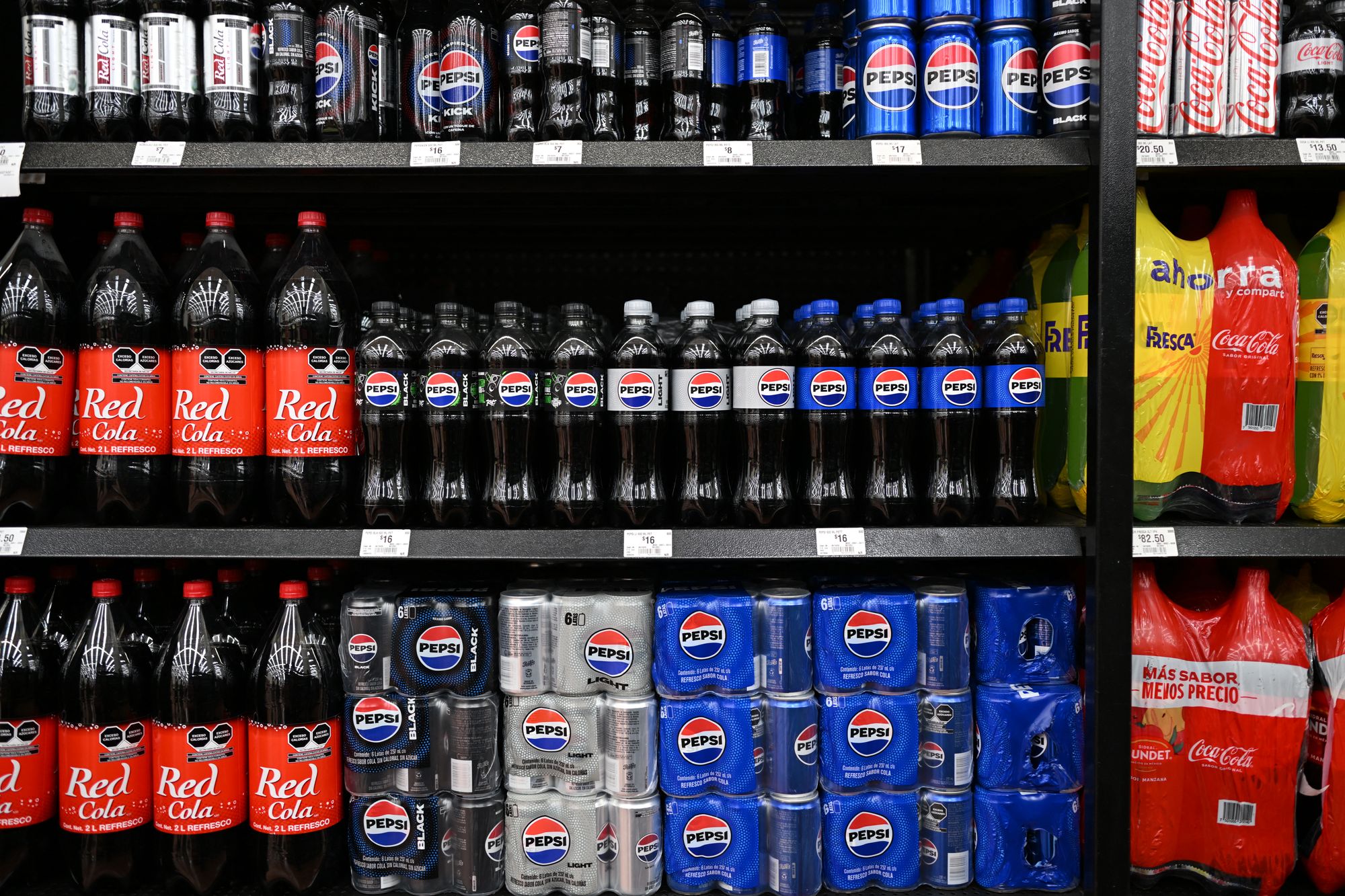
PepsiCo and Walmart illegally conspired to fix the prices of Pepsi soft drinks, so they were lower at Walmart and higher at other retailers, according to a new class action lawsuit filed by consumers.
The complaint, filed last month in federal court in New York by lead plaintiff Martin Gelbspan, alleges the two major companies broke numerous laws, including state antitrust laws; the 1890 Sherman Antitrust Act, which outlaws monopolies and secret restrictions on competition; and the common law doctrine of unjust enrichment, which outlaws unfairly benefiting from another party’s expense.
The lawsuit alleges that PepsiCo and Walmart suppressed competition and distorted prices for consumers by leveraging their dominant market positions and forcing rival retailers to pay higher wholesale prices while keeping Walmart’s own costs low.
“As a result of a vertical price-fixing scheme, Pepsi and Walmart have artificially raised the price of Pepsi across the United States at every single retailer other than Walmart for over a decade,” the filing alleges.
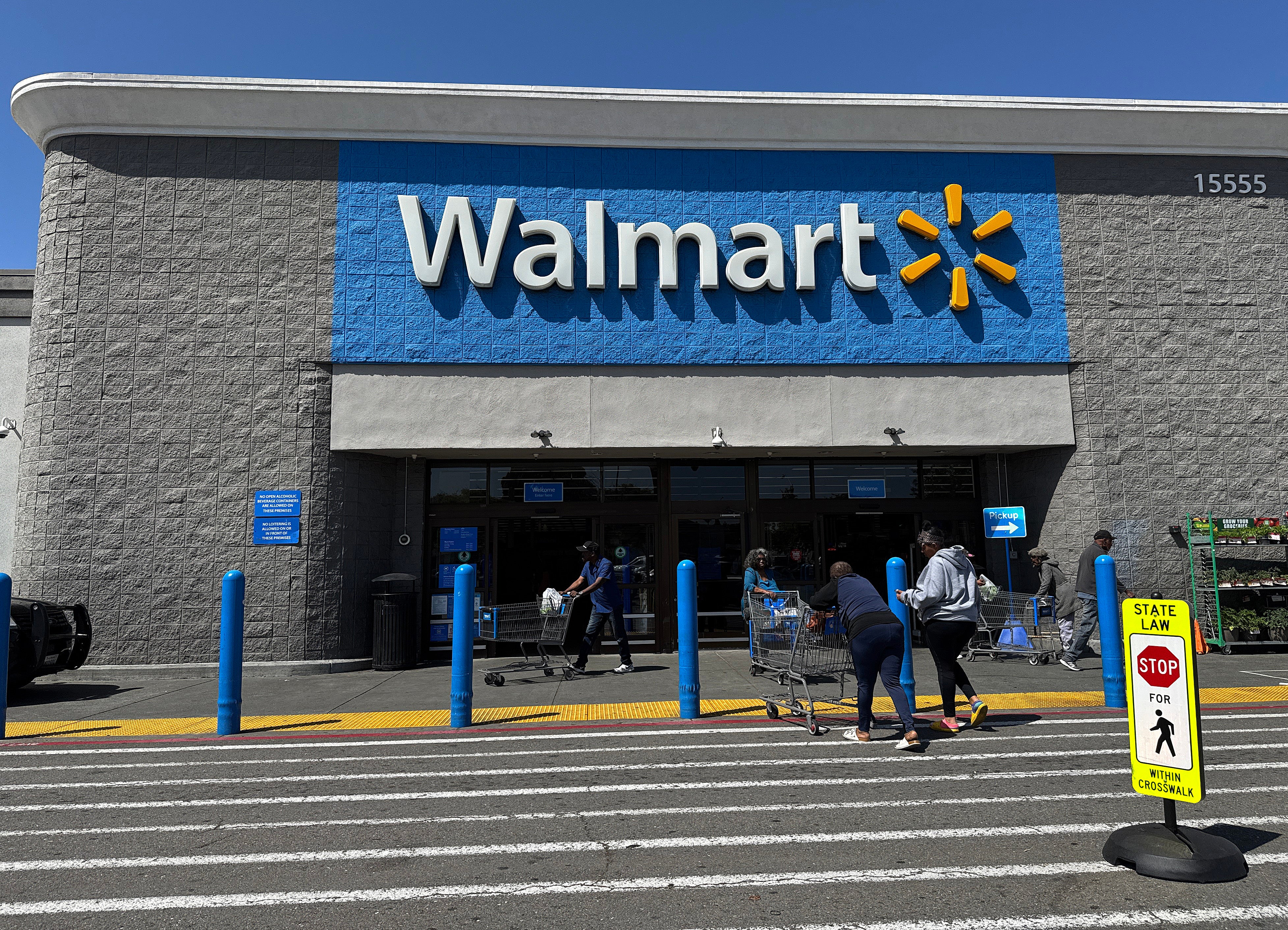
The plaintiffs said that “in order to financially reward themselves to the detriment of consumers and benefit from suppressed competition”, PepsiCo and Walmart “weaponize” their “dominant market share” in the soft drinks market and in the grocery store market, “to cause Walmart’s competitors to pay supracompetitive prices at wholesale while also throttling price competition for consumers at retail”.
The filing states this constitutes the use of “Standard Oil-like tactics to drive competitors from the market”.
In 1911, Standard Oil was found guilty of creating an illegal monopoly by controlling a substantial portion of the petroleum industry through unfair practices such as rebates, price cutting, and control of pipelines.
“This is the type of the conduct that the antitrust laws are intended to prevent and protect against,” the complaint states.
In a statement, PepsiCo said it "continues to operate in compliance with applicable laws and remains committed to providing all customers with fair, competitive, and non-discriminatory pricing, discounts and promotional value, regardless of size or channel," Reuters reports.
Walmart stated that it was aware of the litigation and remains "committed to negotiating on behalf of our customers so we can deliver value and everyday low prices."
The lawsuit follows a separate case, which was ultimately dropped by the U.S. Federal Trade Commission (FTC) in May 2025. That earlier case, filed during Joe Biden’s presidency, accused Pepsi of violating the 1936 Robinson‑Patman Act, which prohibits companies from giving unfair pricing advantages to certain buyers. Pepsi was the only company targeted in that FTC action.
However, according to that filing, Pepsi gave Walmart special discounts and other benefits to maintain a “price gap” which made Walmart cheaper than its competitors. That lawsuit also alleged that Pepsi raised wholesale prices charged to other retailers while maintaining lower-priced deals offered to Walmart.
Pepsi denied any wrongdoing in the FTC case.
The Independent has contacted PepsiCo and Walmart for comment.
Judge sides with medical groups who challenged RFK’s vaccine policies
Mom of man who fatally choked on Disney World steak meal says eatery delayed 911 call
US seizes banned Venezuelan oil tanker in Atlantic as Trump risks Putin clash – live
Maduro and his wife injured ‘bumping into safe room door’ when US raided compound
Ashli Babbitt’s husband says Trump called him after Jan 6
Multiple US military planes land in UK days after Trump’s raid on Venezuela