The Australian share market has fallen after Middle East peace talks broke down over the weekend and the United States said it would begin its own blockade of the Strait of Hormuz.
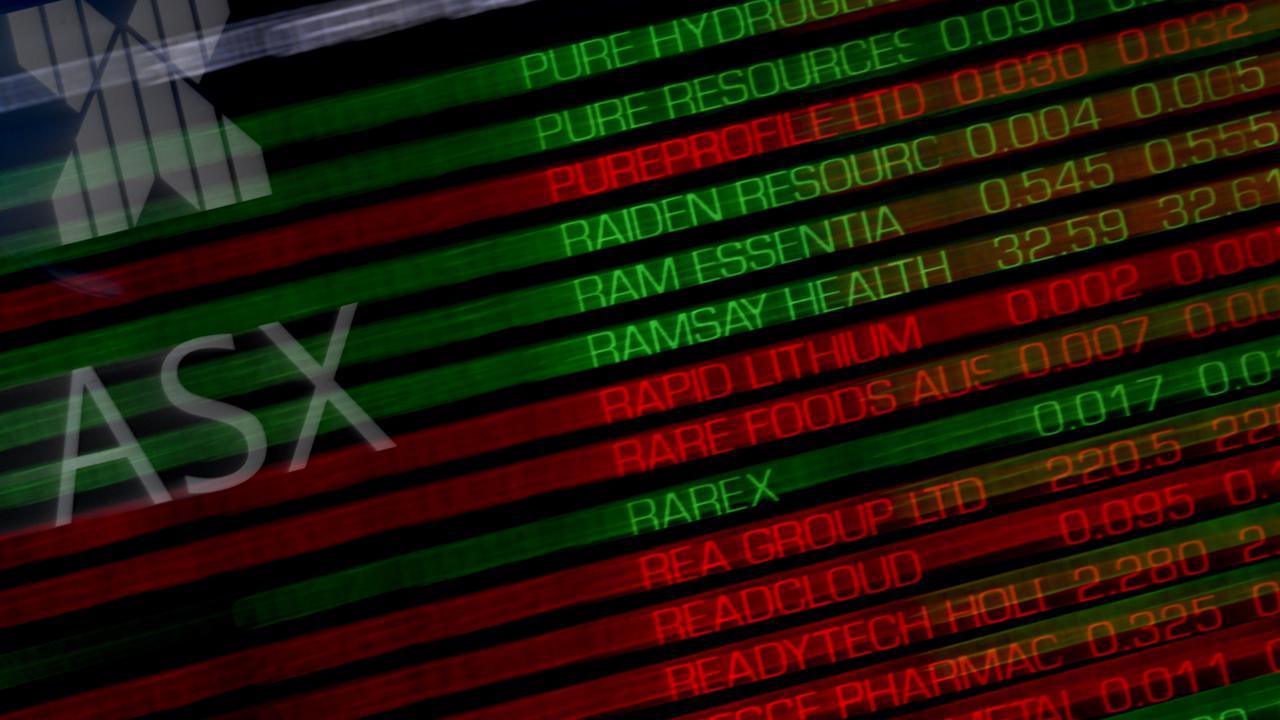
By midday on Monday, the benchmark S&P/ASX200 index was down 30 points, or 0.33 per cent, to 8,930.6, while the broader All Ordinaries had fallen 36.2 points, or 0.4 per cent, to 9,119.6.
Brent crude jumped back over $US100 a barrel for the first time in nearly a week, climbing seven per cent to $US101.80, after US President Donald Trump announced the US Navy would begin imposing the blockade from midnight on Monday AEST.
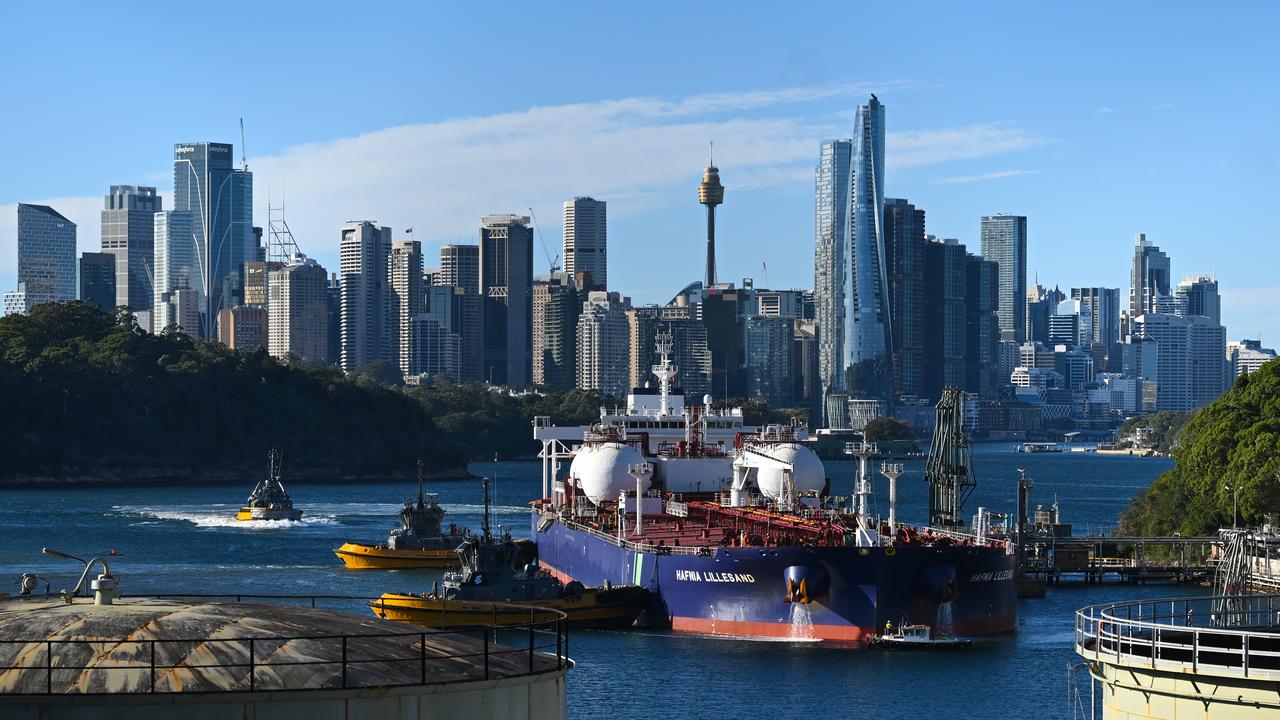
An adviser to Iran's supreme leader warned the country had "large, untouched levers" to counter any naval blockade, while the speaker of Iran's parliament and its top negotiator warned Americans that soon they would be nostalgic for $4-$5 gas.
Capital.com analyst Kyle Rodda said the stage was now set for a hot war where things potentially escalated out of control, including possible strikes on Gulf energy assets and civilian infrastructure.
Nine of the ASX's 11 sectors were lower at midday, with telecommunications modestly higher and energy up 2.5 per cent on the rise in oil prices.
Woodside had climbed 3.0 per cent, Santos had risen 2.2 per cent and Karoon Energy had jumped 5.8 per cent.
The ASX's tech sector was the worst performing, in part dragged by Life360.
Shares in the family location-sharing platform had fallen 8.0 per cent to an 18-month low of $17.93 after chief executive Lauren Antonoff on Friday announced job cuts and plans to restructure the company around an AI-led strategy.
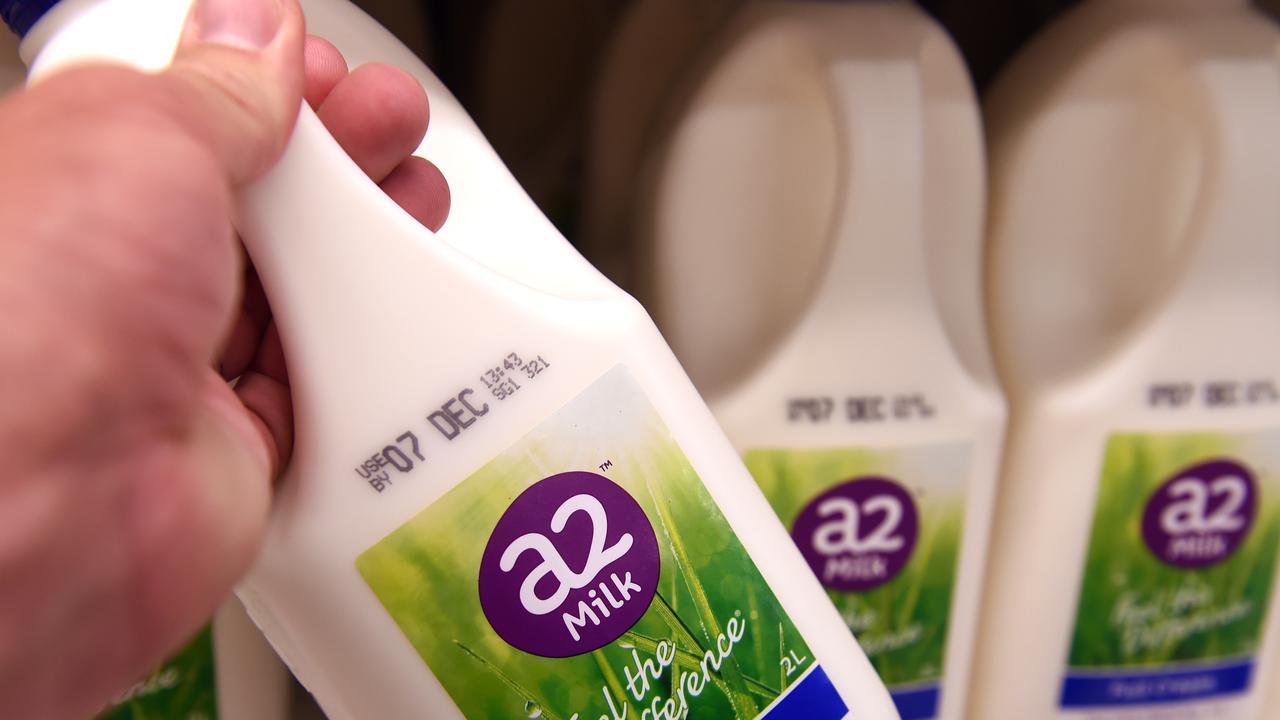
A2 Milk sank 14.5 per cent to an eight-month low of $7.90 after the Kiwi milk company trimmed its guidance, saying various issues, including the Middle East conflict, was hampering its ability to supply infant milk formula to the Chinese market.
In the heavyweight mining sector, BHP, Fortescue and Rio Tinto were all up slightly - by between 0.2 and 0.4 per cent - while gold miners were lower at the precious metal changed hands at $US4,742 an ounce, down $44 from Friday.
Northern Star had fallen 3.9 per cent, Evolution had dropped 4.1 per cent and Westgold Resources had slipped 4.4 per cent.
In the financial sector, the big four banks were mostly lower, with NAB and Westpac dropping 0.8 per cent and ANZ dipping 0.5 per cent. CBA was the outlier, rising 0.2 per cent.
Elsewhere in the sector, EML Payments had plunged 30 per cent to a more than decade-low of 40.25 cents after the prepaid card company trimmed its full-year earnings guidance, citing in part weaker-than-expected trading in the northern hemisphere.
The Australian dollar was trading for 70.37 US cents, from 70.62 US cents at 5pm on Friday.