Tsui Hark’s 1983 wuxia fantasy film Zu: Warriors from the Magic Mountain wasn’t the first to bring special effects to the martial arts genre in Hong Kong – crude effects had been drawn directly onto celluloid since the early days – but it was the first to make use of optical effects.
Optical effects, which predate computer-generated effects, involve an optical printer and the addition of filters to the celluloid during post-production, as well as “in-camera” effects such as multiple exposures.
Faced with a knowledge gap in Hong Kong, Tsui hired a group of American special effects technicians from Hollywood to advise on those elements of the production, although this did not ultimately deliver the quality he was seeking. Even so, the supremely enjoyable Zu makes up for its lack of narrative structure and below-par visual effects with a surfeit of exuberance and enthusiasm.
Time and affection – it’s a much-loved movie – has led to a significance being attached to Zu which is not strictly warranted.
It’s often referred to as an influential film, but it was more of an anomaly. Far from starting a wave of optical-effects-driven Hong Kong films, the difficulties the effects process caused to the production team killed the idea stone dead.
No Hong Kong filmmakers attempted to use such effects after Zu.
Indeed, when Tsui came to make A Chinese Ghost Story just four years later, he did not use optical effects at all, choosing more controllable mechanical effects such as props – like its famed giant tongue – make-up and models.
Combined with Hong Kong choreographers’ genius for wirework and stunts, mechanical effects provided the bulk of the visuals for the fantasy martial arts boom of the early 1990s.
Another myth is that Zu brought state-of-the-art special effects to Hong Kong. Although they are lively and fun, the effects are not of the standard of American films of the 1980s – compare the film to James Cameron’s relatively low-budget The Terminator made the same year, for instance.
The debt martial arts movies owe 14th-century novel The Water Margin
It is worth noting that the technicians Tsui brought over from Hollywood, who had worked on Star Wars among other films, were just advisers. In interviews, Tsui has noted that some of the special effects work was done by students, who made mistakes and even lost some of the materials.
Tsui himself was unhappy with the result, saying that he had expected the effects to look “more realistic”. He even tried to get production company Golden Harvest to redo some of the special effects at his own expense, but “they ignored me”, he said in interviews.
Hong Kong filmmakers didn’t get up to date with special effects until 1997, when the Centro Digital Pictures post-production house was founded to provide the computer-generated effects for SFX extravaganza The Storm Riders.
The story of Zu, which Tsui imprinted with his own recognisable style, comes from the 1932 book The Legend of the Swordsman of the Mountains of Shu by Huanzhulouzhu (the pen name of writer Li Shoumin).
Because Hong Kong filmmakers became so identified with fantasy martial arts in the 1990s, Western viewers were often unaware that the films were rooted in a specific literary genre called xianxia, which evolved during in the Republican era in China and was popularised by Huanzhulouzhu’s book.
Many of the elements of the film, and other fantasy martial arts films, are standard xianxia tropes: flying swords, secret potions, mystical caves, Buddhist and Taoist monks, and Chinese mythology.
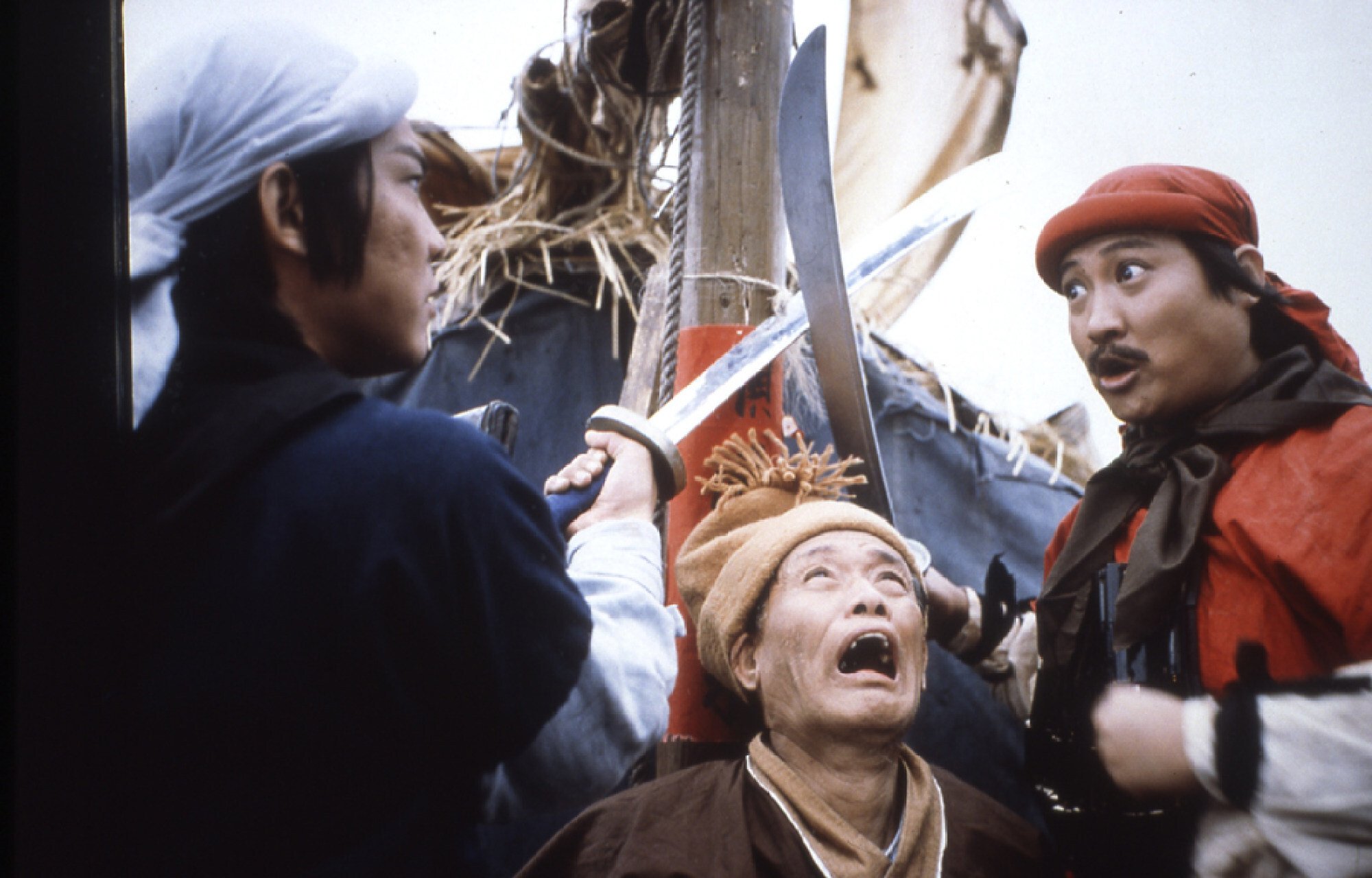
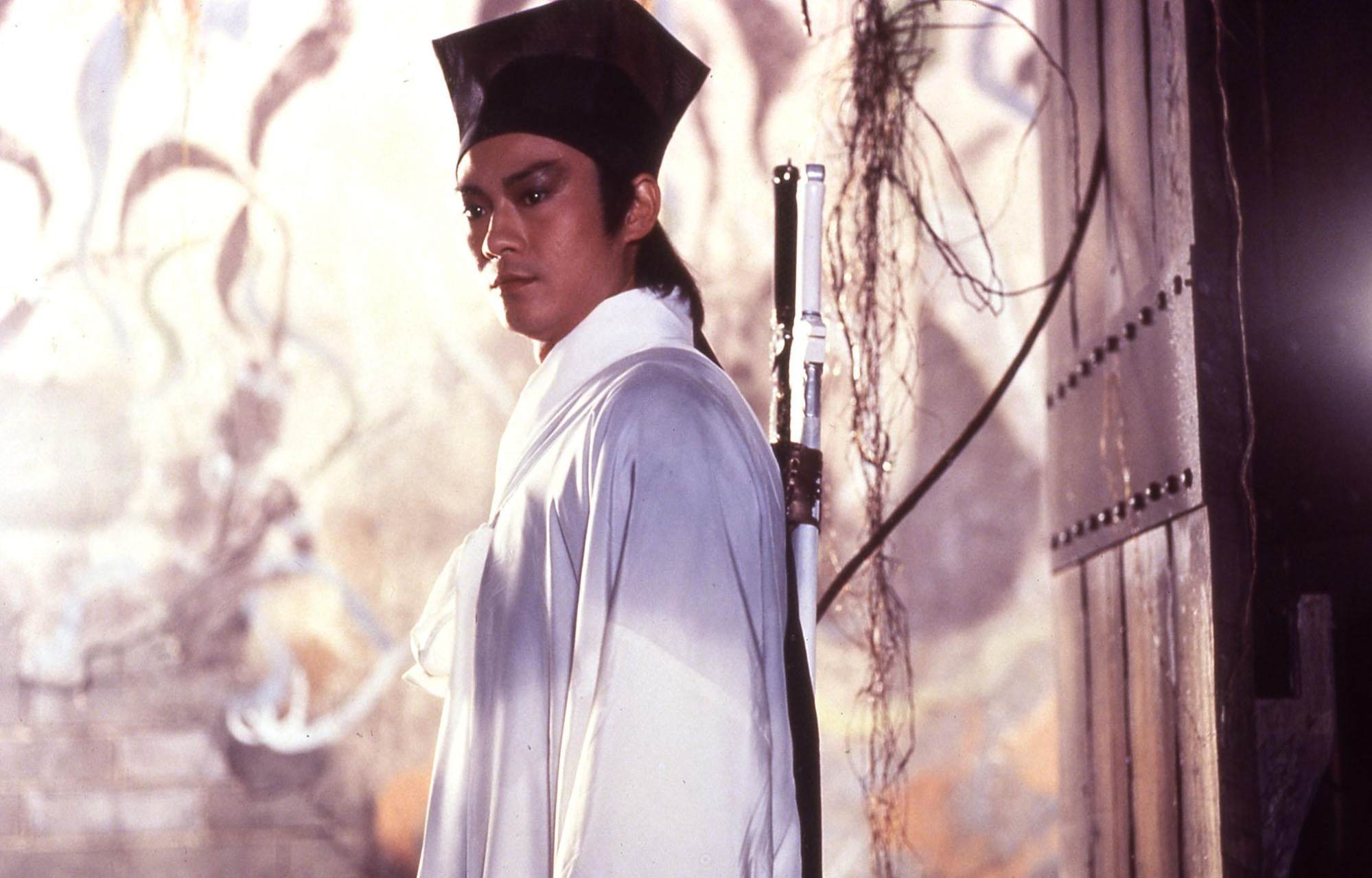
The story of Zu is fast and intricate, and features an ensemble cast led by Yuen Biao and Adam Cheng Siu-chow (star of Patrick Tam’s The Sword), who was then a big TV star.
Yuen plays a soldier who finds himself in a mysterious cave, a portal to a cosmic reality where a supernatural swordsman (Cheng) is locked in battle with the king of evil.
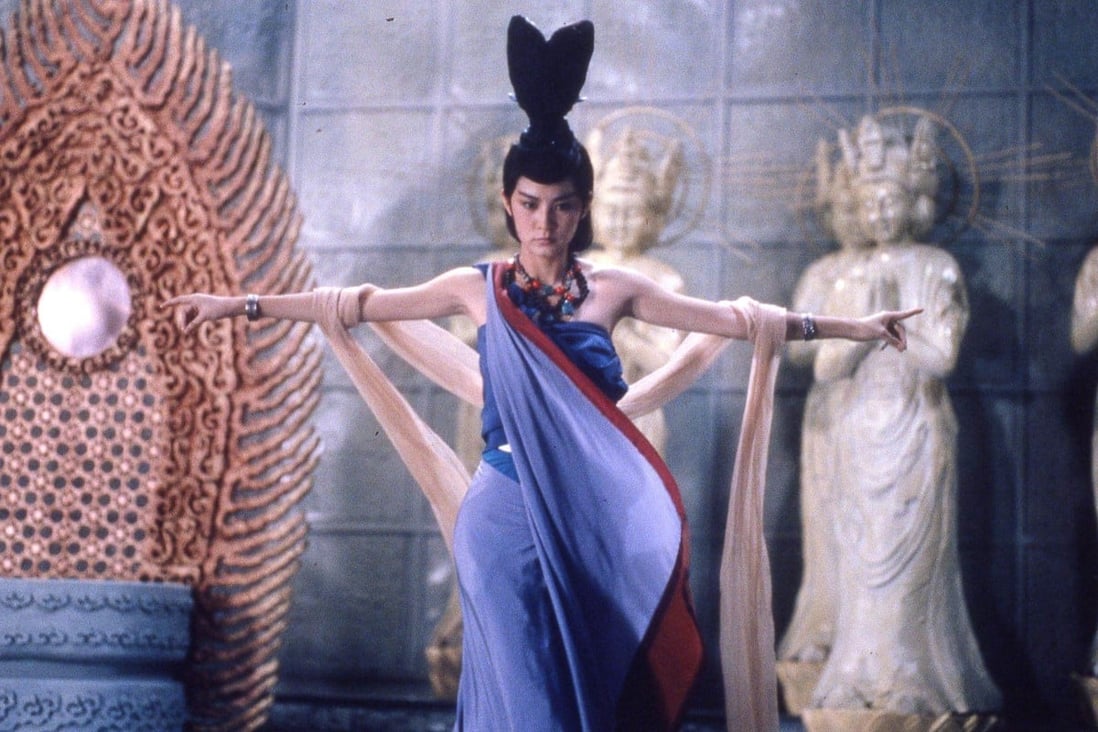
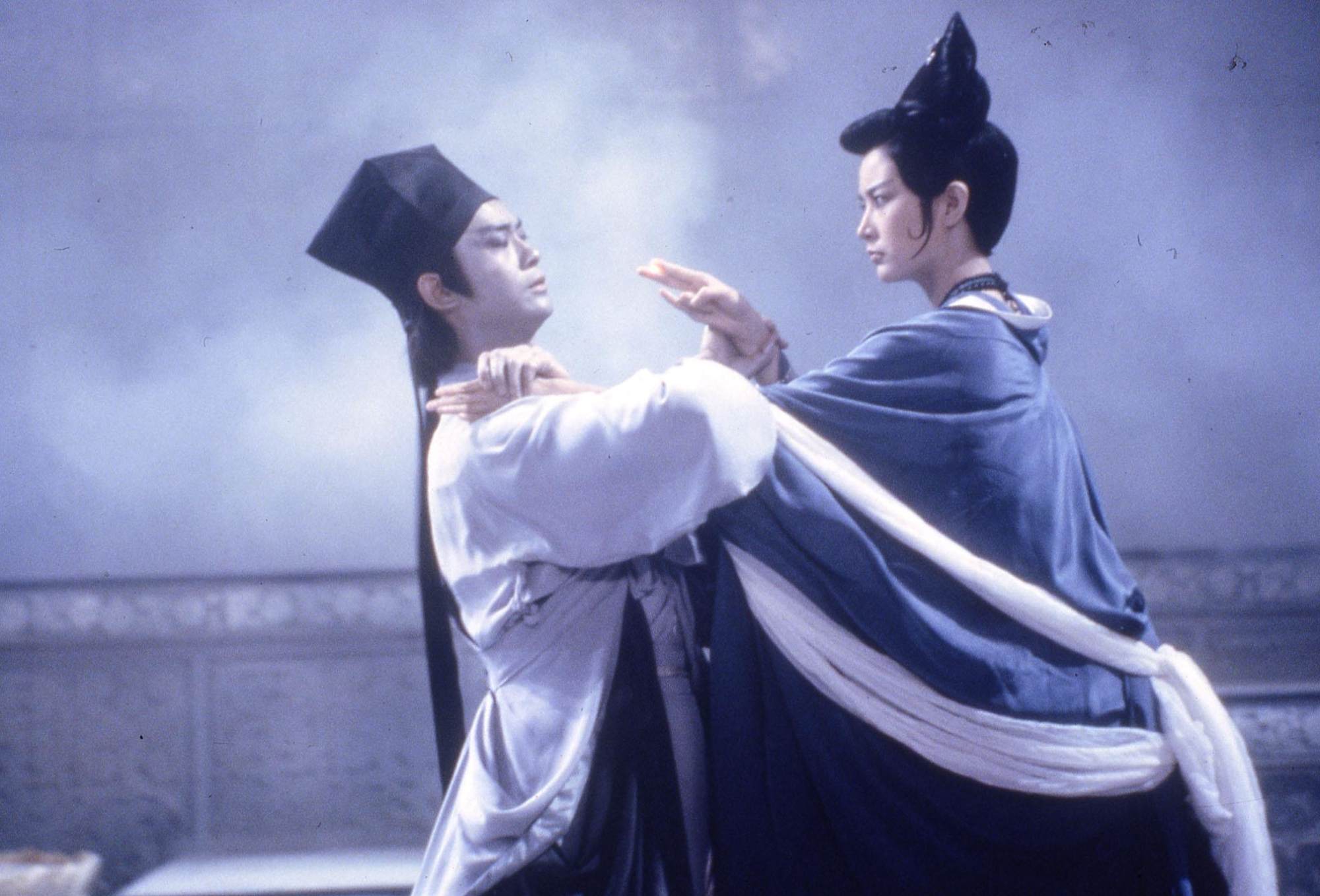
Sammo Hung Kam-bo turns up in two supporting roles, and Brigitte Lin Ching-hsia, already a big star in romance films, plays a magical countess with healing powers.
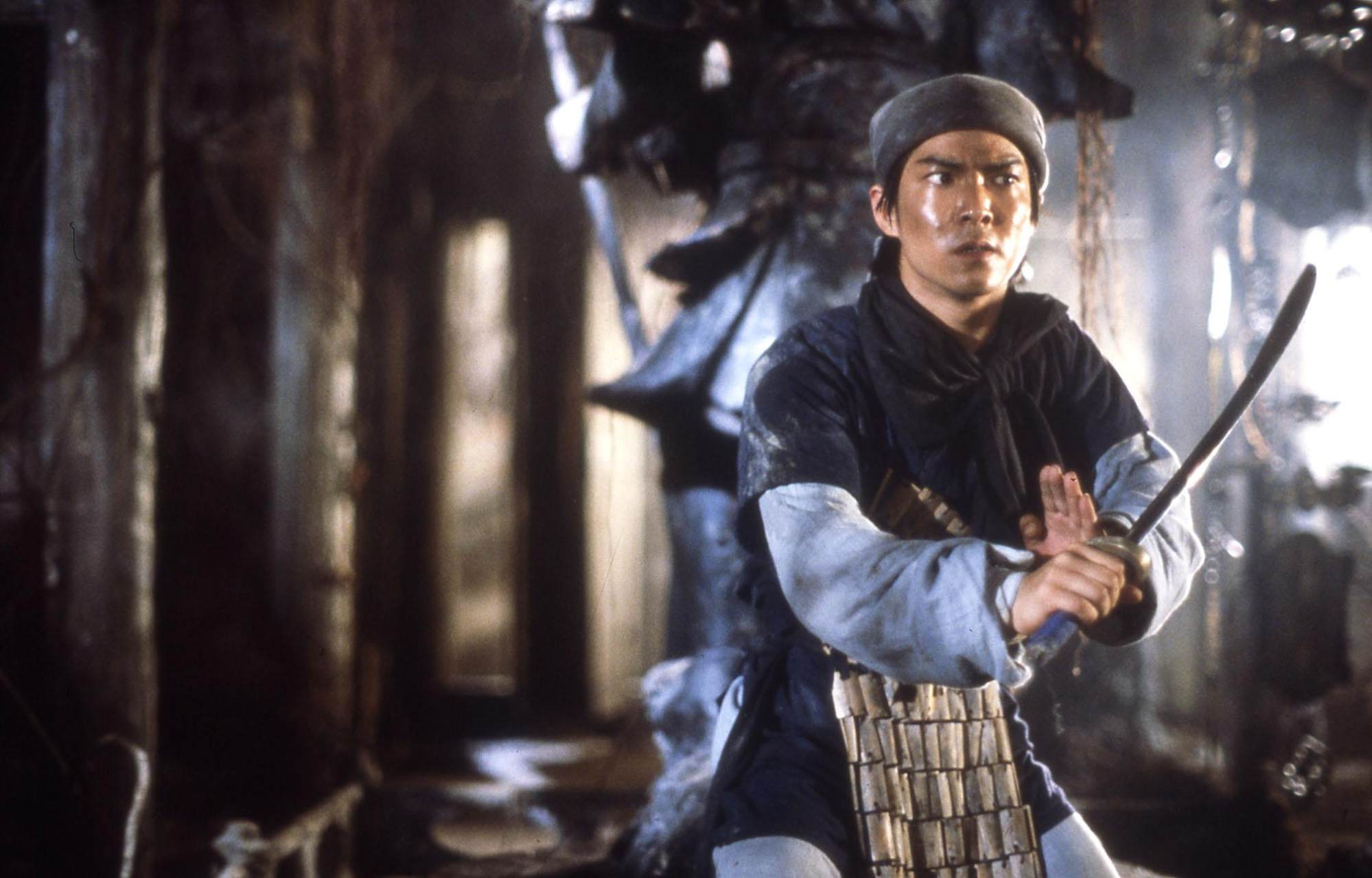
Tsui said Golden Harvest had asked him to make a film, and they accepted his suggestion to use special effects without question. “My first film was The Butterfly Murders, and everything was real in that,” Tsui told Grady Hendrix after a New York Asian Film Festival screening.
“We had real butterflies, real people and a real set. One day while I was shooting that, a friend visited the set and asked me why I didn’t use special effects. I had never thought of doing that.
“After that, I thought I should find an idea to use them.”
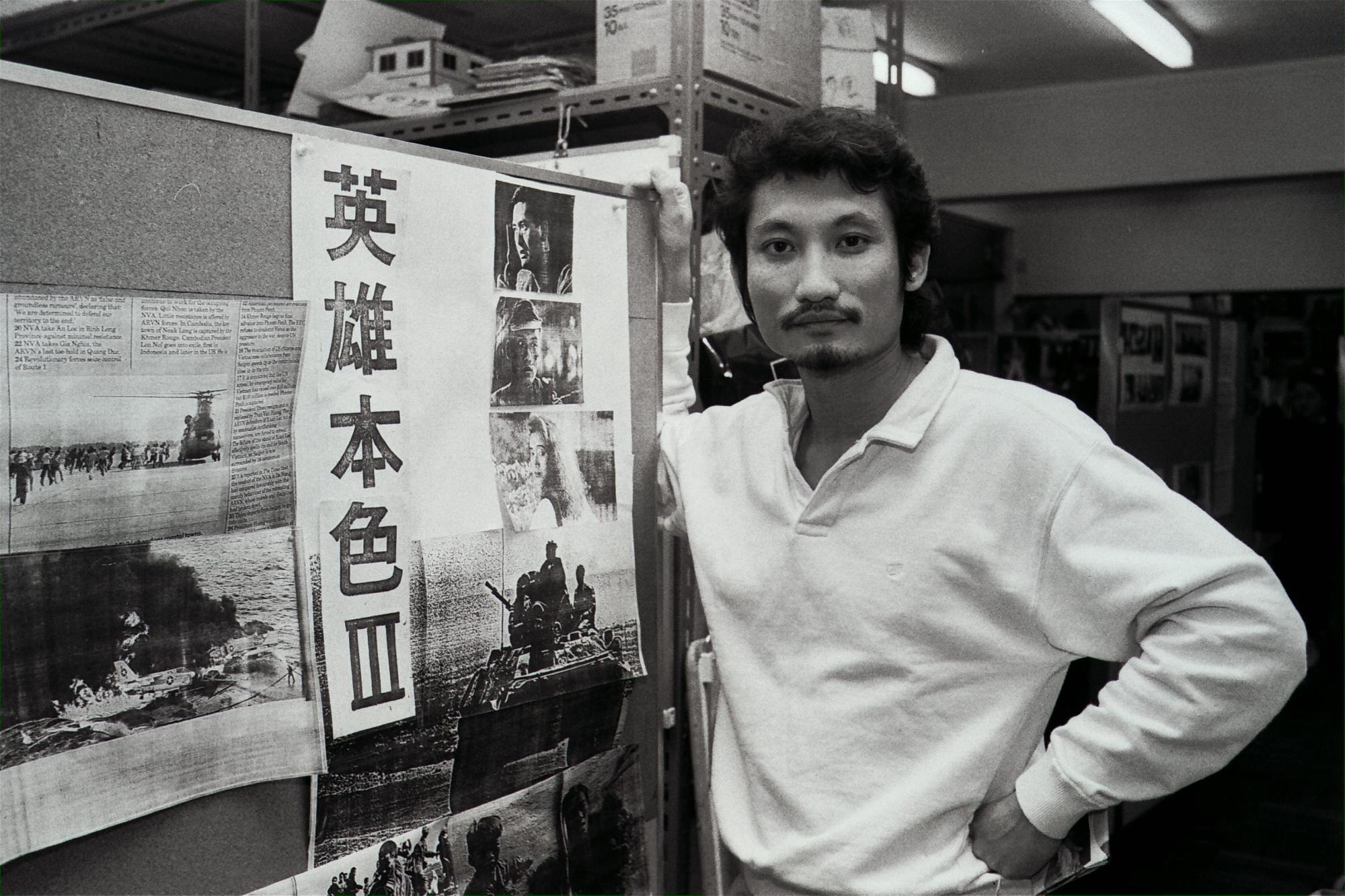
The martial arts scenes in Zu were choreographed by Corey Yuen Kwai, Yuen Biao, Fung Hak-on, and actor/stuntman Mang Hoi, later part of Sammo Hung’s stunt team. Actual fighting was secondary to working with the effects and wirework, which is plentiful. (Recent high-definition versions of the film reportedly reveal some of the wires, which was not hidden in post-production but disguised by the skills of the cameraman.)
“I was directing the action and acting, too. Everyone was creating the scenes,” Mang, who also had a major acting role the film, said in an interview on YouTube. “Yuen Kwai, Yuen Biao, Tsui Hark, and the cameramen … we were all in the studio creating, testing and discussing.”
Just as much time went into the costumes as the hair, noted Moon Lee, who played an acolyte of Lin’s character. “It took a whole day to do Brigitte’s hair. She was close to losing her temper that day. It was a very high bun, very intricate … and her hair was so tightly bound, it was painful. She moaned about it giving her a headache, but it looks stunning,” Lee said.
In this regular feature series on the best of Hong Kong martial arts cinema, we examine the legacy of classic films, re-evaluate the careers of its greatest stars, and revisit some of the lesser-known aspects of the beloved genre. Read our comprehensive explainer here.
Want more articles like this? Follow SCMP Film on Facebook