"Beautiful!"
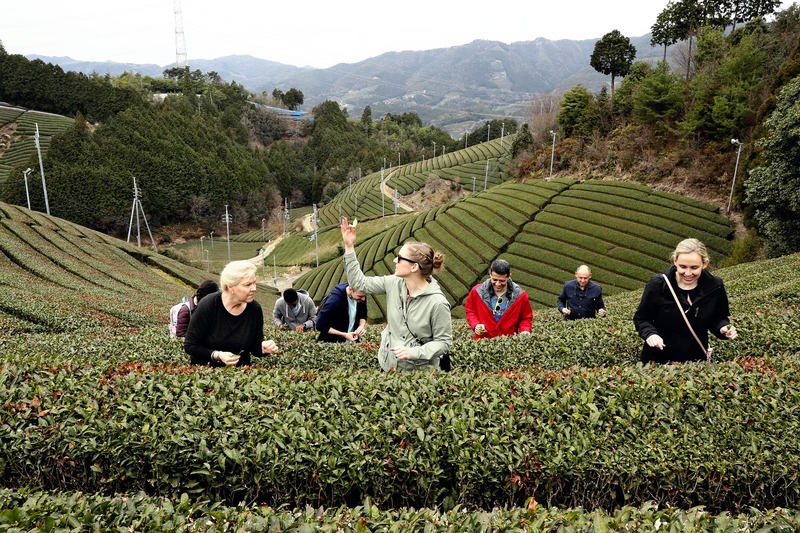
Eight tourists from the United States and Australia marveled at the green leaves on tea plants spread across a hill in the town of Wazuka, Kyoto Prefecture.
The mountainous town of about 4,000 accounts for roughly 40 percent of tea production in Kyoto Prefecture, and has attracted a growing number of overseas visitors. In fiscal 2016, a total of 3,055 foreign tourists visited Wazuka, 38 times the number who visited in fiscal 2013. The biggest draws are the scenic tea plantations that stretch across 6 square kilometers.
The town's residents work hard to welcome tourists.
A start-up called Kyoto Obubu Tea Farms is developing a tea plantation ownership scheme in which the firm harvests tea leaves and sends them to investors. The firm trains four foreign interns at a time for three months, with applications reaching as high as seven times the number of openings.
Vice President Yasuharu Matsumoto, 44, said, "We want to promote Wazuka as a holy site for Japanese tea."
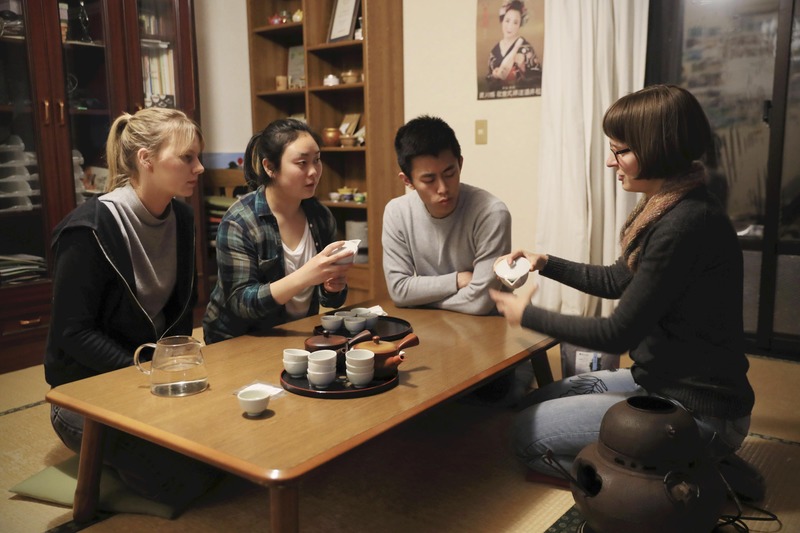
Simona Zavadckyte, 29, from Lithuania trains the interns. As a student, Zavadckyte became captivated by the bitter taste of green tea prepared by her Japanese friend. She came to the town as an intern five years ago before permanently settling down, and is now so familiar with Japan that she published a book that overviews varieties of tea leaves and the history of the tea ceremony.
"Catch the difference," she said to three interns.
The group brewed gyokuro high-grade tea and sencha tea under Zavadckyte's guidance, enjoying the scent and flavor of their brews.
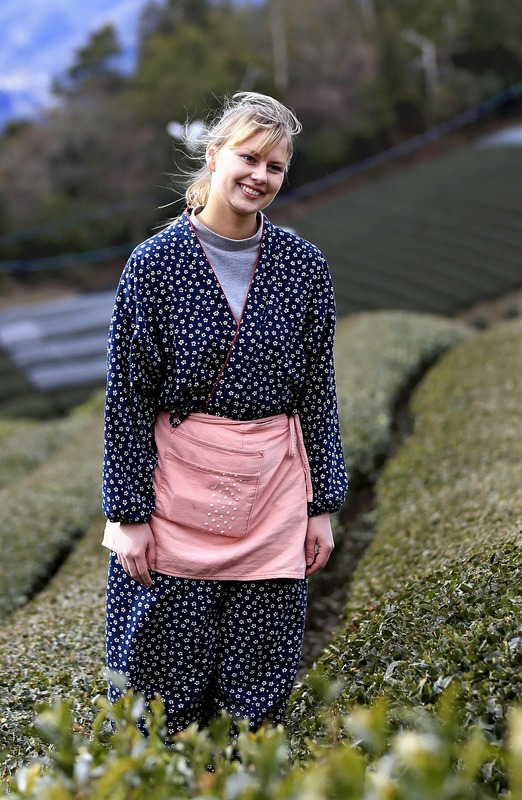
Lisa Miller, 21, one of the interns from Australia, said, "I can feel umami in gyokuro."
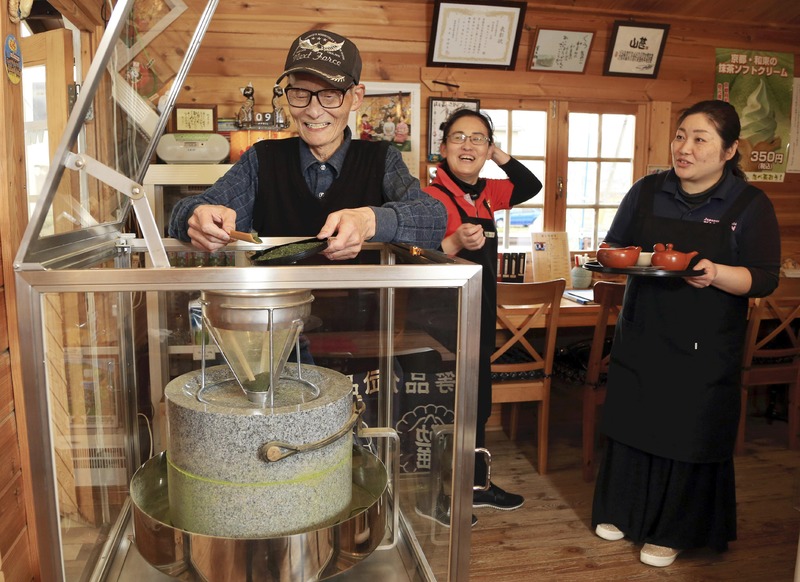
Last August, Japanese tea cafe Yamajin set up a stone mill in the shop. Tourists can try grinding tencha tea leaves, a variety of green tea, to make matcha finely powdered green tea.
A lot of foreigners are thrilled to learn how to make matcha, and many leave illustrations and messages of gratitude in a notebook in the cafe. "I don't understand foreign languages, but we can communicate with gestures," said Masakazu Yamaguchi, 76, of the cafe.

Read more from The Japan News at https://japannews.yomiuri.co.jp/