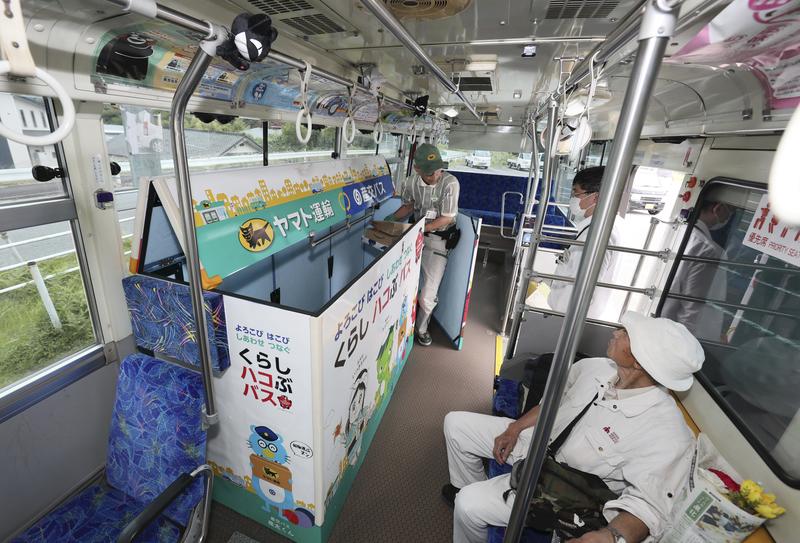
A big box sat near the center of a bus used by shoppers and other people. A delivery person placed parcels in the box at a bus stop, after which the bus began moving again.
Tokyo-based Yamato Transport Co., and the Kumamoto-based company Sanko Bus began operating the "bus for the consolidated transportation of passengers and cargo" on a route that connects Hitoyoshi, Kumamoto Prefecture, and the village of Itsuki in the same prefecture in October 2016.
The medium-sized bus can carry cargo equivalent to about 30 to 40 10-kilogram boxes of mikan oranges, taking up the space of four passenger seats. The delivery company suffers from a labor shortage and is hoping to lighten the burden on its drivers, while the bus company hopes to increase revenue from the route, even if only slightly.
The population continues to decline in areas along the bus' route, and the average number of passengers per run is less than five. Transportation fees for cargo are used to maintain the route.
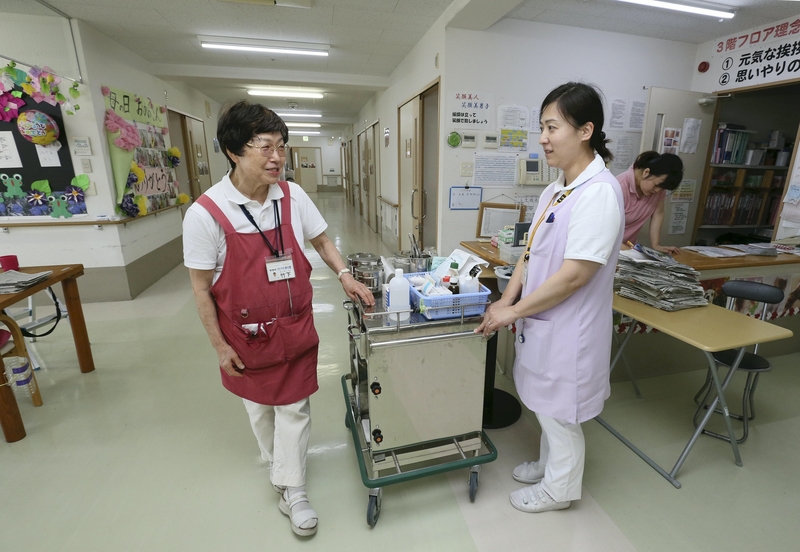
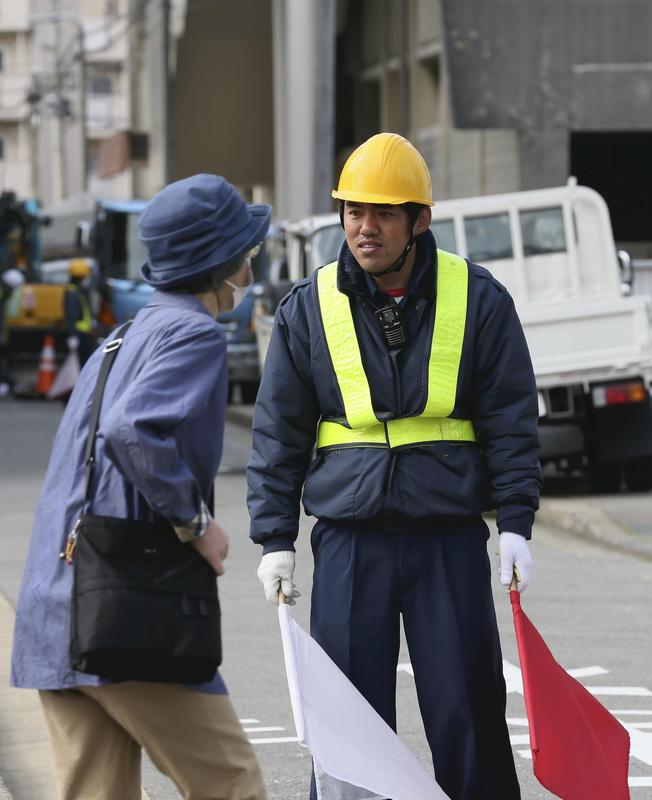
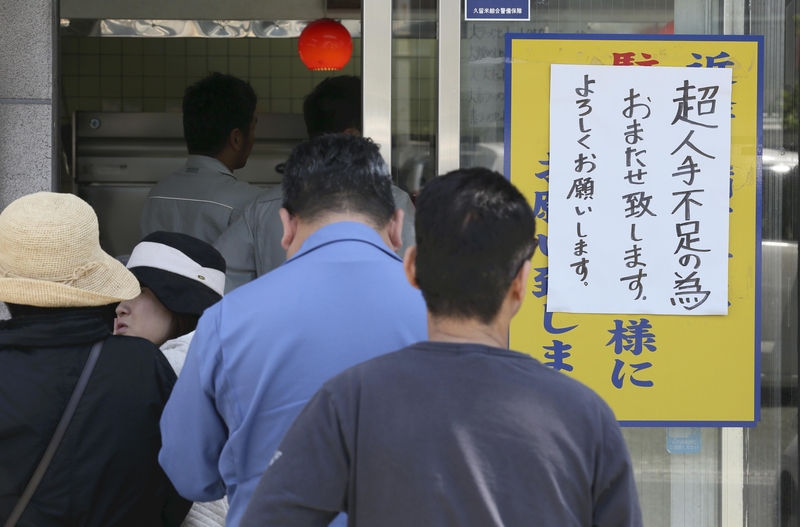
Attempts to resolve increasingly serious labor shortages are under way in various industries. Nursing care facility Sawayaka Kasugakan in Kasuga, Fukuoka Prefecture, employs three nurses who retired from other hospitals.
Suzuko Takeshita, 75, has 53 years of experience as a nurse. She is a pillar of the workplace, as she performs jobs quickly and efficiently and gives advice to young colleagues.
"Nursing work is challenging but rewarding. I think many retired nurses still want to help other people," Takeshita said.
Security company ATU Holdings in Hakata Ward, Fukuoka, has been actively employing disabled people since 2014. Today, 16 of its 37 employees have disabilities.
Company President Ryutaro Iwasaki, 42, said: "They demonstrate higher abilities than non-disabled people if they're appointed to sections that are suited to their respective conditions. Not only do they help resolve the labor shortage, they're also reliable workers for my company."
Read more from The Japan News at https://japannews.yomiuri.co.jp/