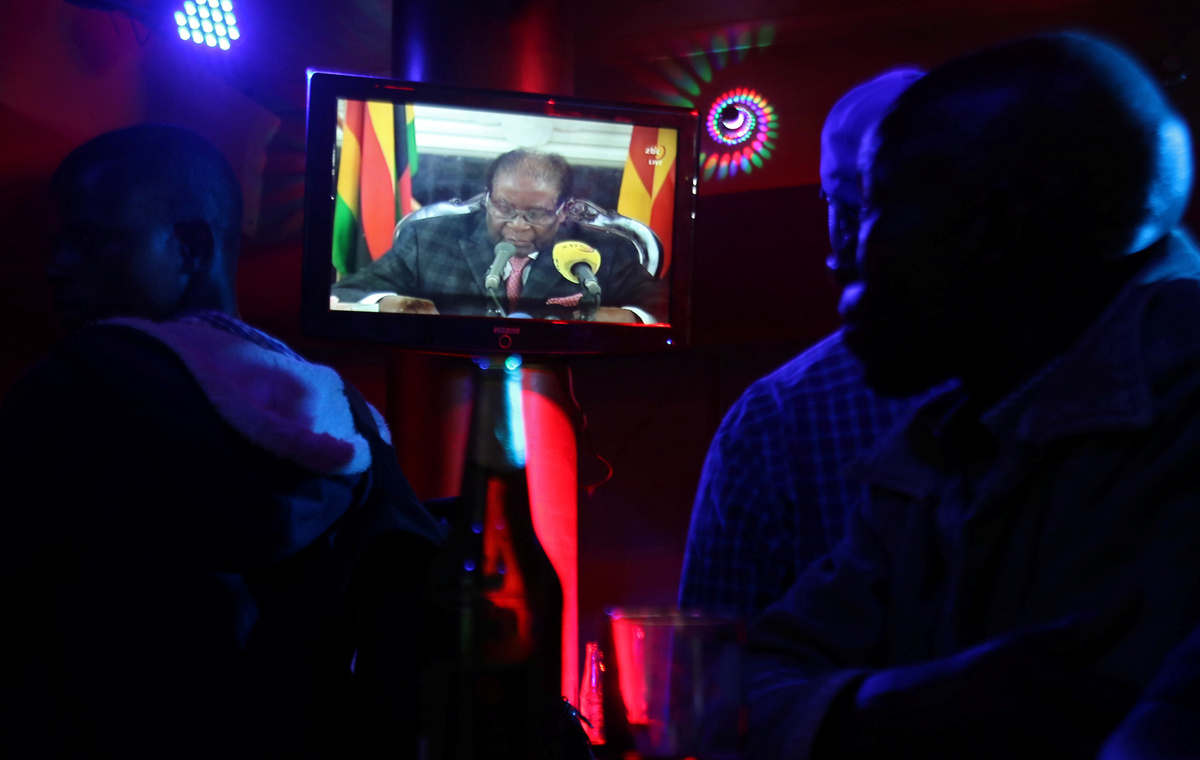
HARARE (Reuters) - President Robert Mugabe stunned Zimbabwe on Sunday by making no mention of resignation in a television address, defying his own ZANU-PF party, which had sacked him hours earlier, and hundreds of thousands of protesters who had already hailed his downfall.
Two sources - one a senior member of the government, the other familiar with talks with leaders of the military - had told Reuters Mugabe would announce his resignation to the nation after ZANU-PF dismissed him as its leader in a move precipitated by an army takeover four days earlier.
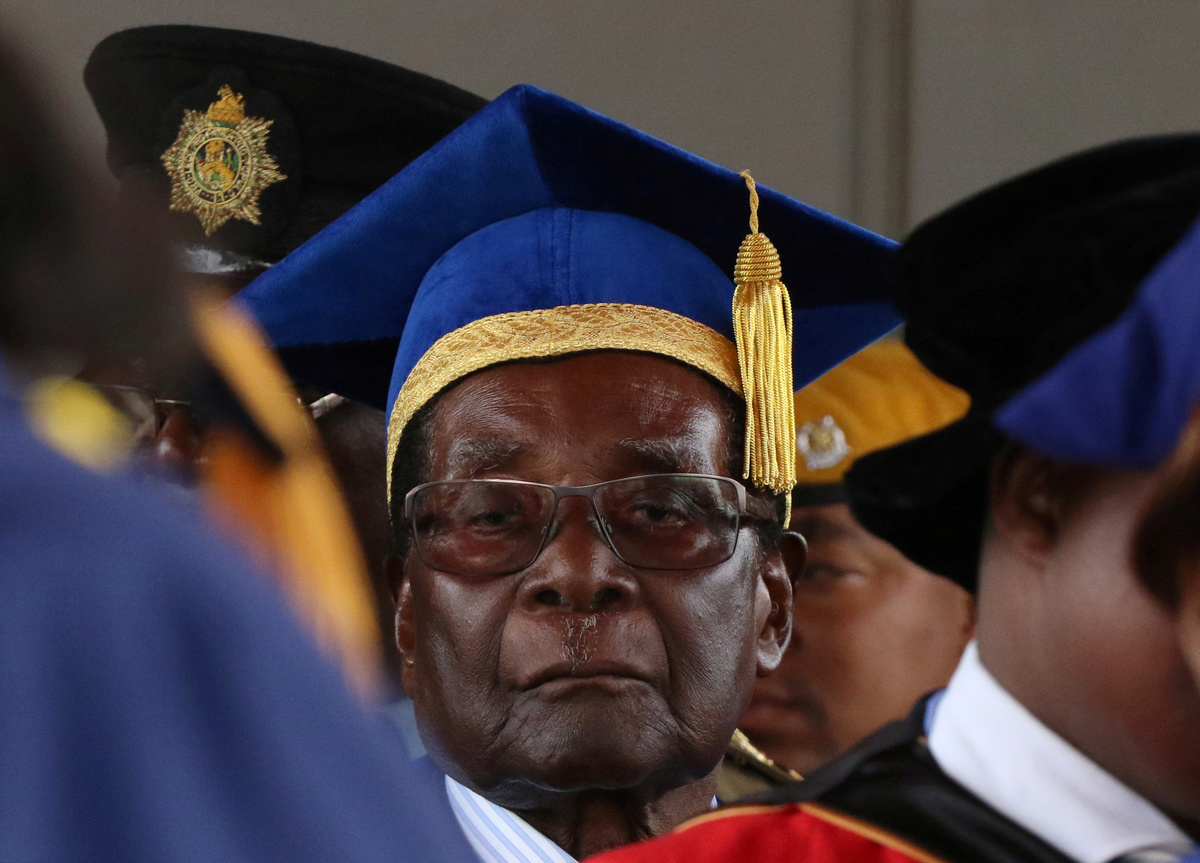
But in the speech from his State House office, sitting alongside a row of generals, Mugabe acknowledged criticisms from ZANU-PF, the military and the public but made no mention of his own position.
Instead, he said the events of the week were not "a challenge to my authority as head of state and government", and pledged to preside over the congress scheduled for next month.
Opposition leader Morgan Tsvangirai was dumbstruck.
"I am baffled. It's not just me, it's the whole nation. He's playing a game," he told Reuters. "He is trying to manipulate everyone. He has let the whole nation down."
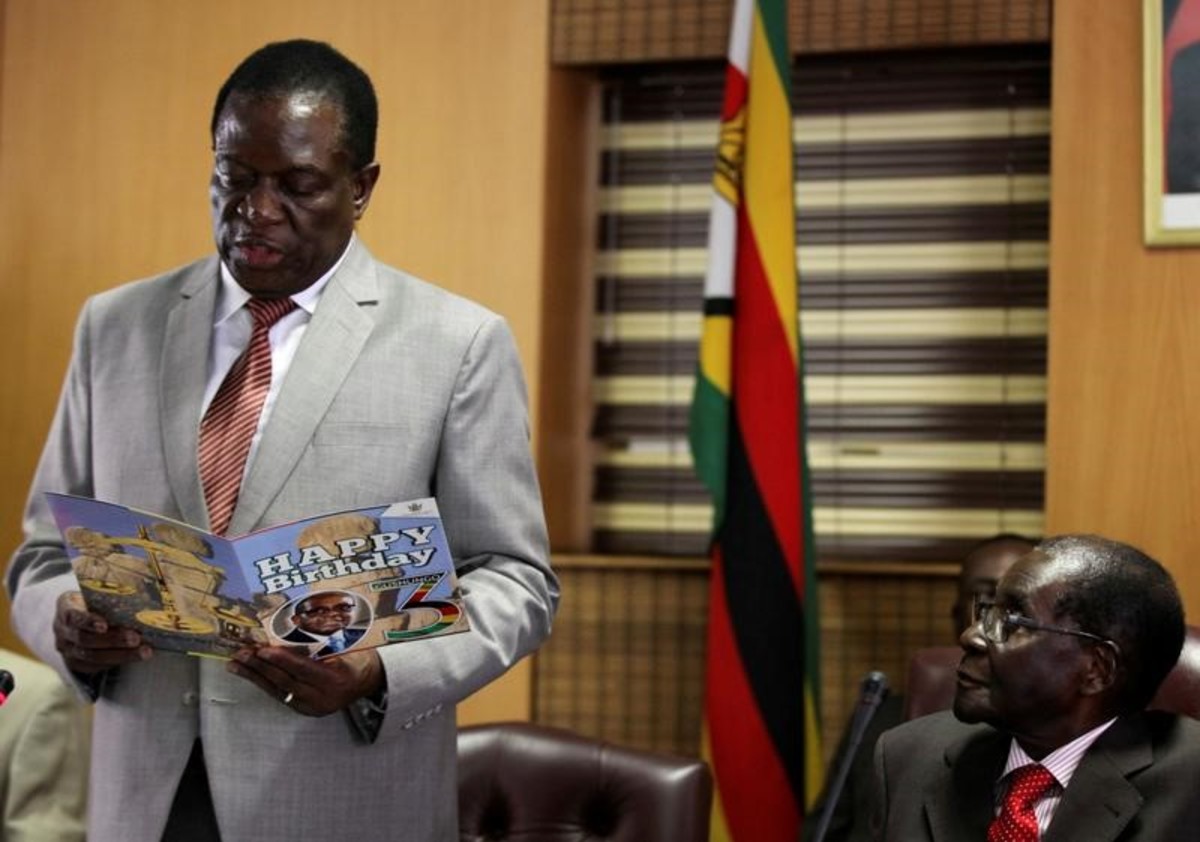
ZANU-PF had given the 93-year-old, who has led his country since independence in 1980, less than 24 hours to quit as head of state or face impeachment, an attempt to secure a peaceful end to his tenure after a de facto military coup.
Chris Mutsvangwa, the leader of the liberation war veterans who have been spearheading an 18-month campaign to oust Mugabe, said plans to impeach him in parliament, which next sits on Tuesday, would now go ahead, and that there would be mass protests on Wednesday.
He also implied that Mugabe, who spoke with a firm voice but occasionally lost his way in his script during the 20-minute address, was not aware of what had happened just hours earlier.
"BLIND OR DEAF"
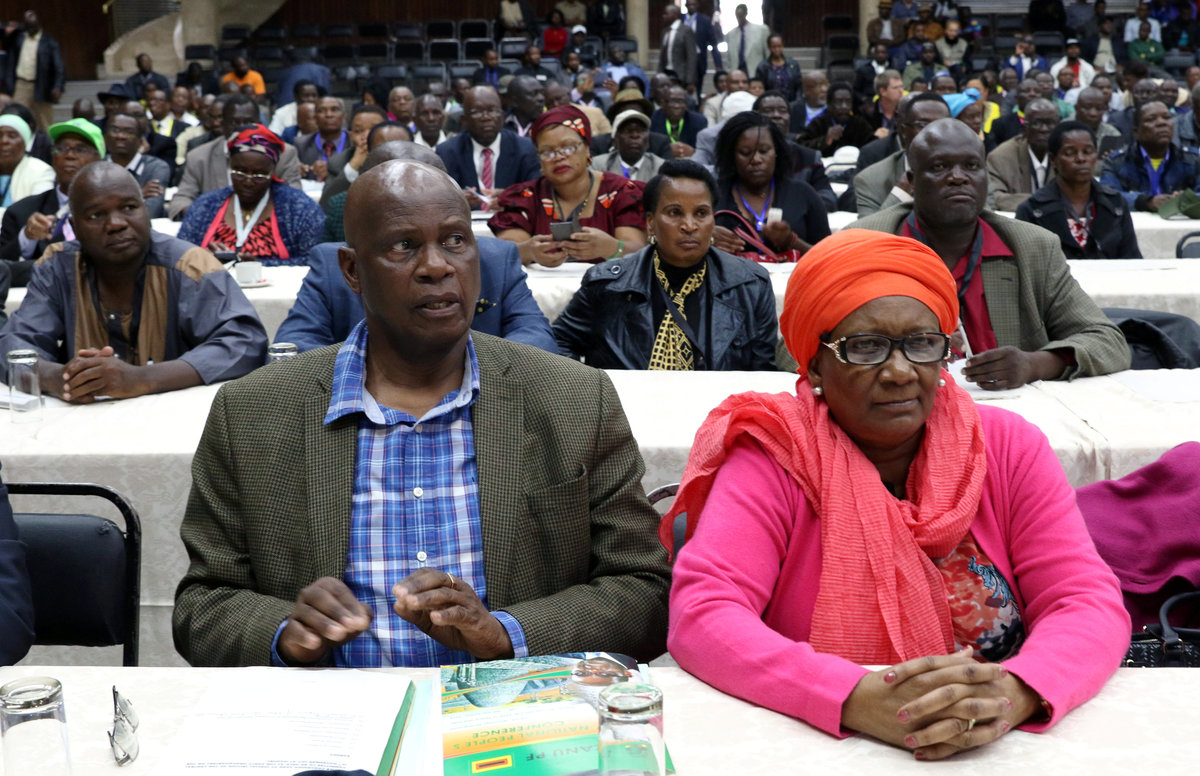
"Either somebody within ZANU-PF didn't tell him what had happened within his own party, so he went and addressed that meeting oblivious, or (he was) blind or deaf to what his party has told him," Mutsvangwa said.
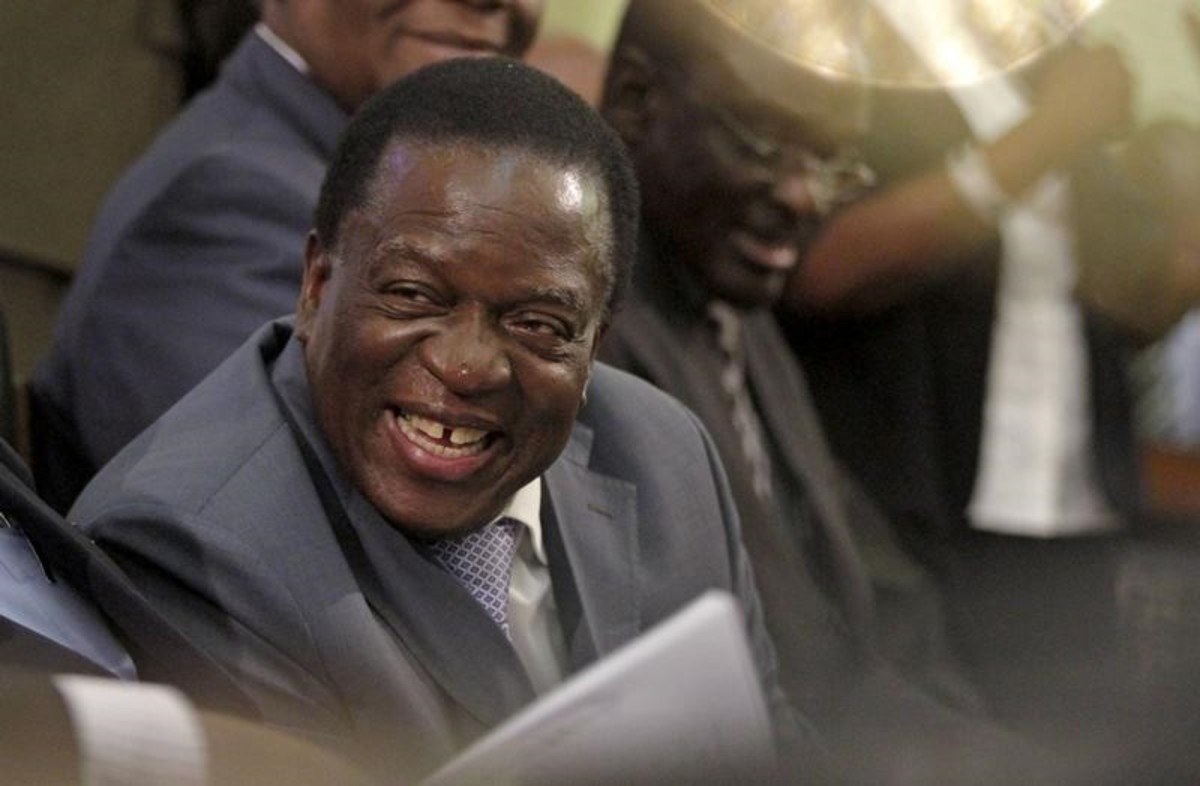
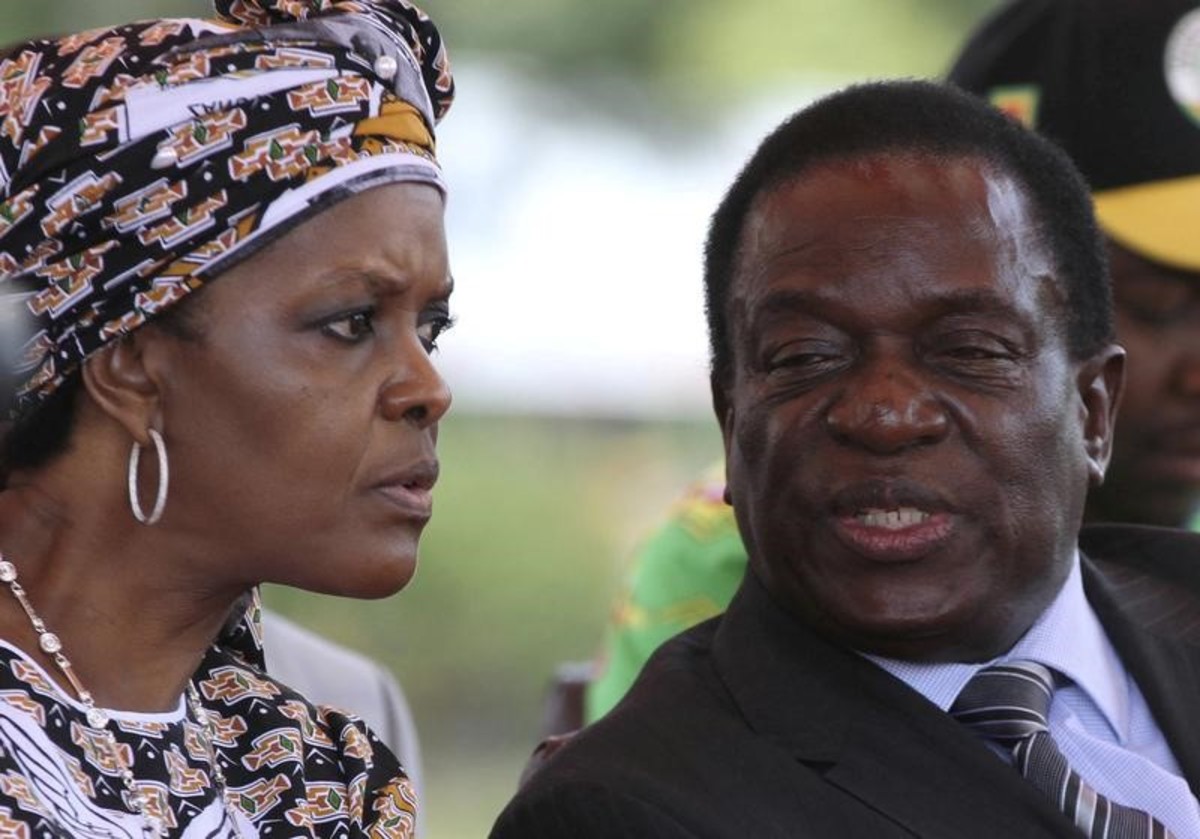
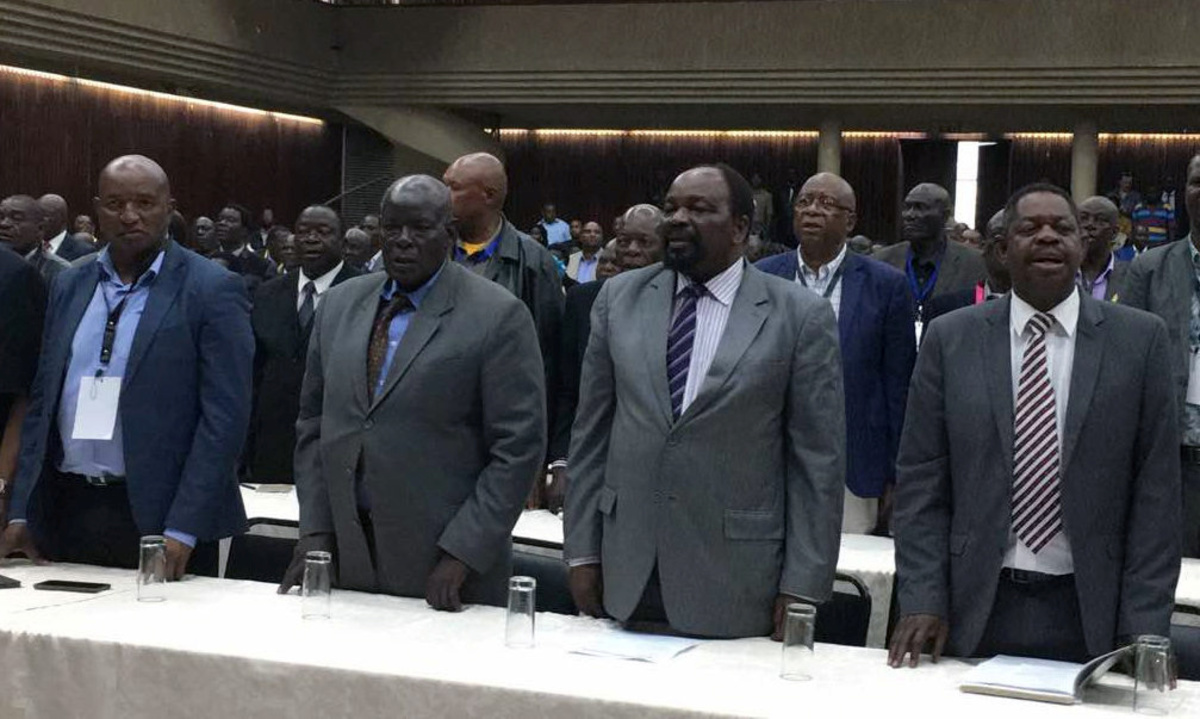
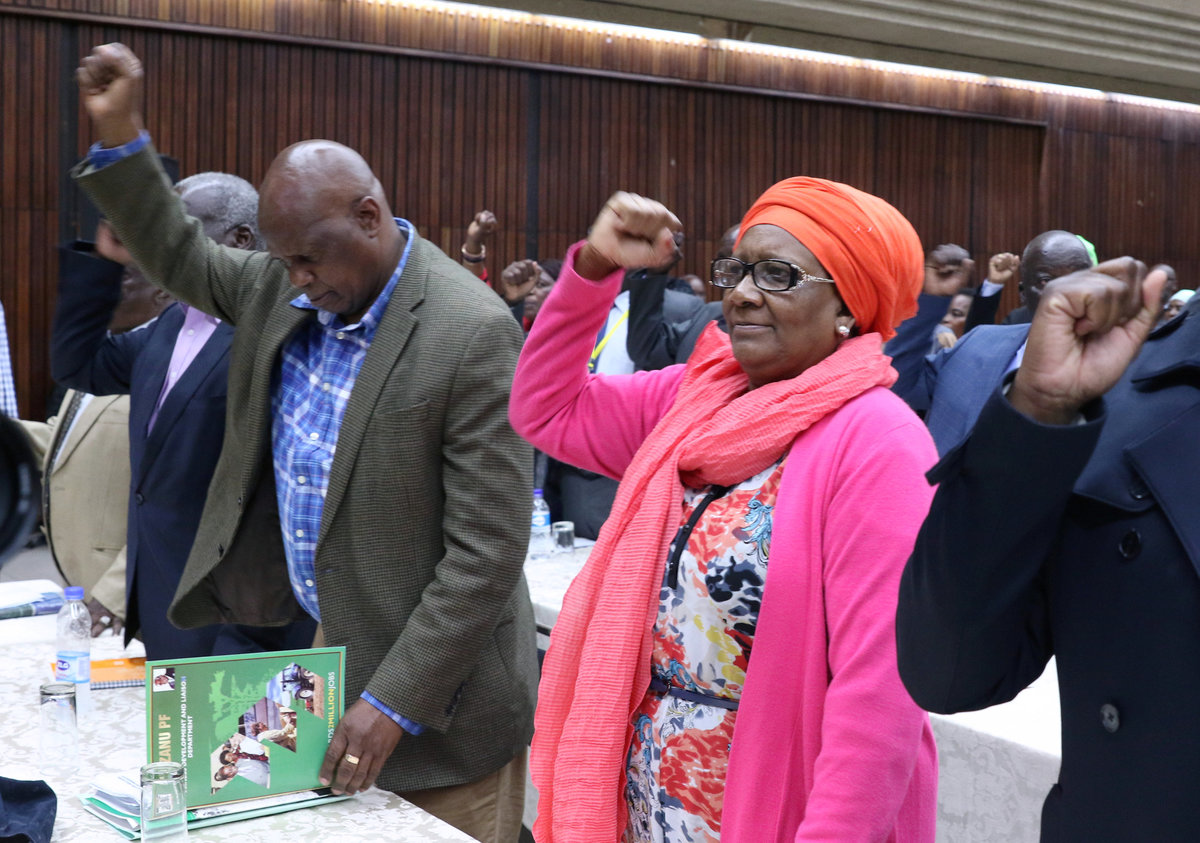
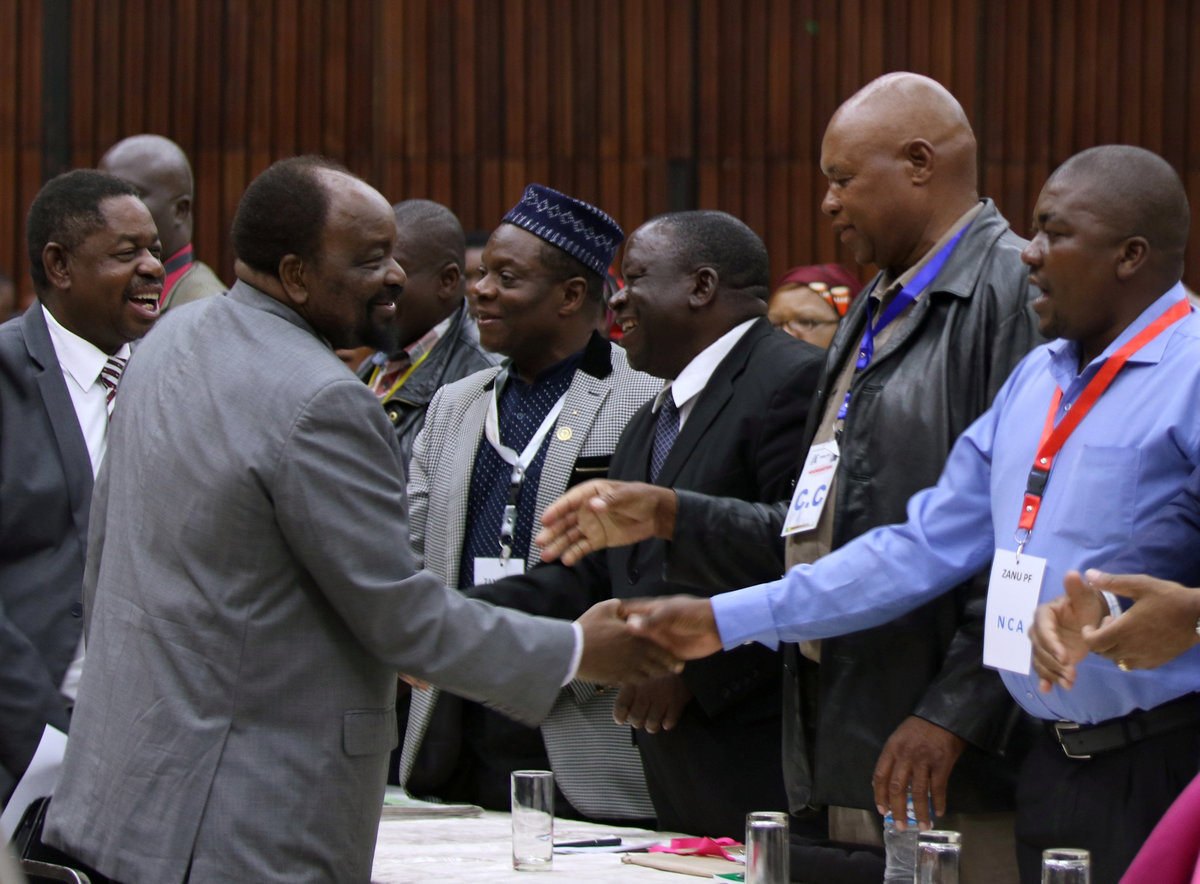
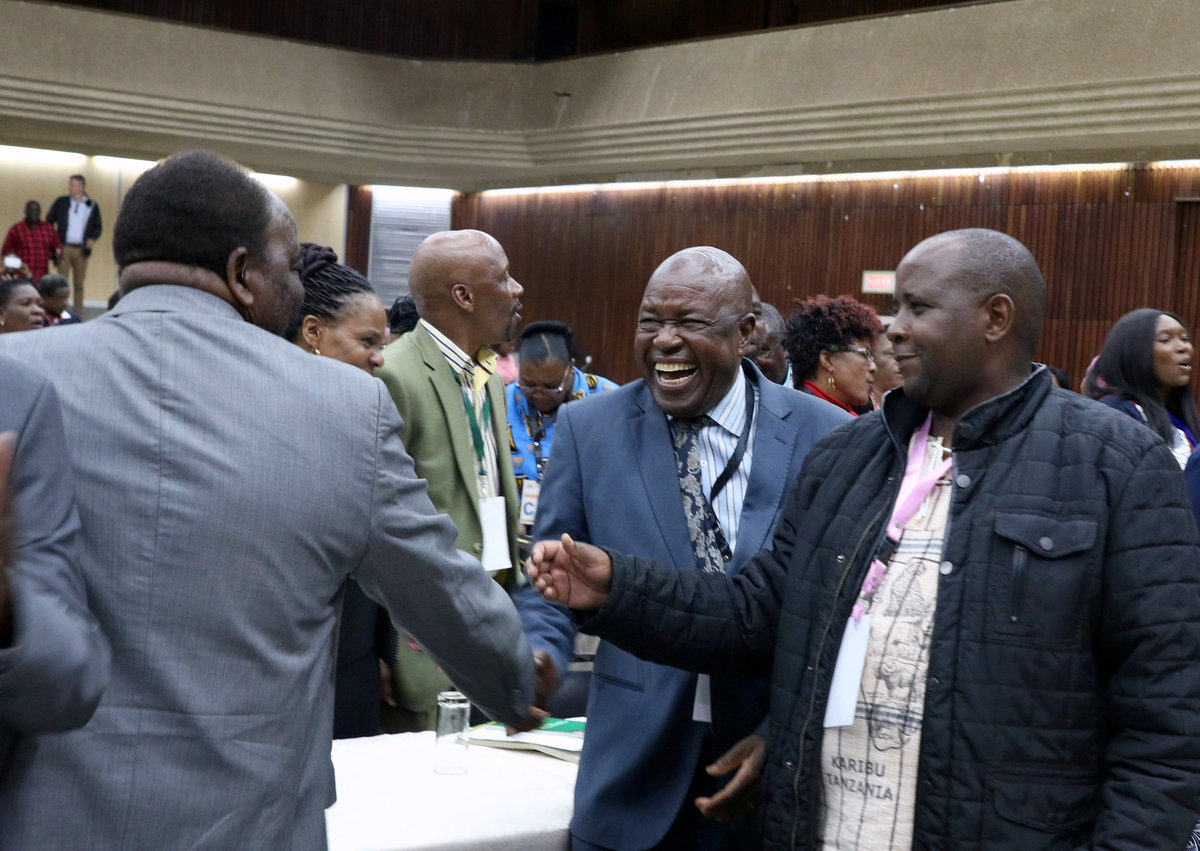
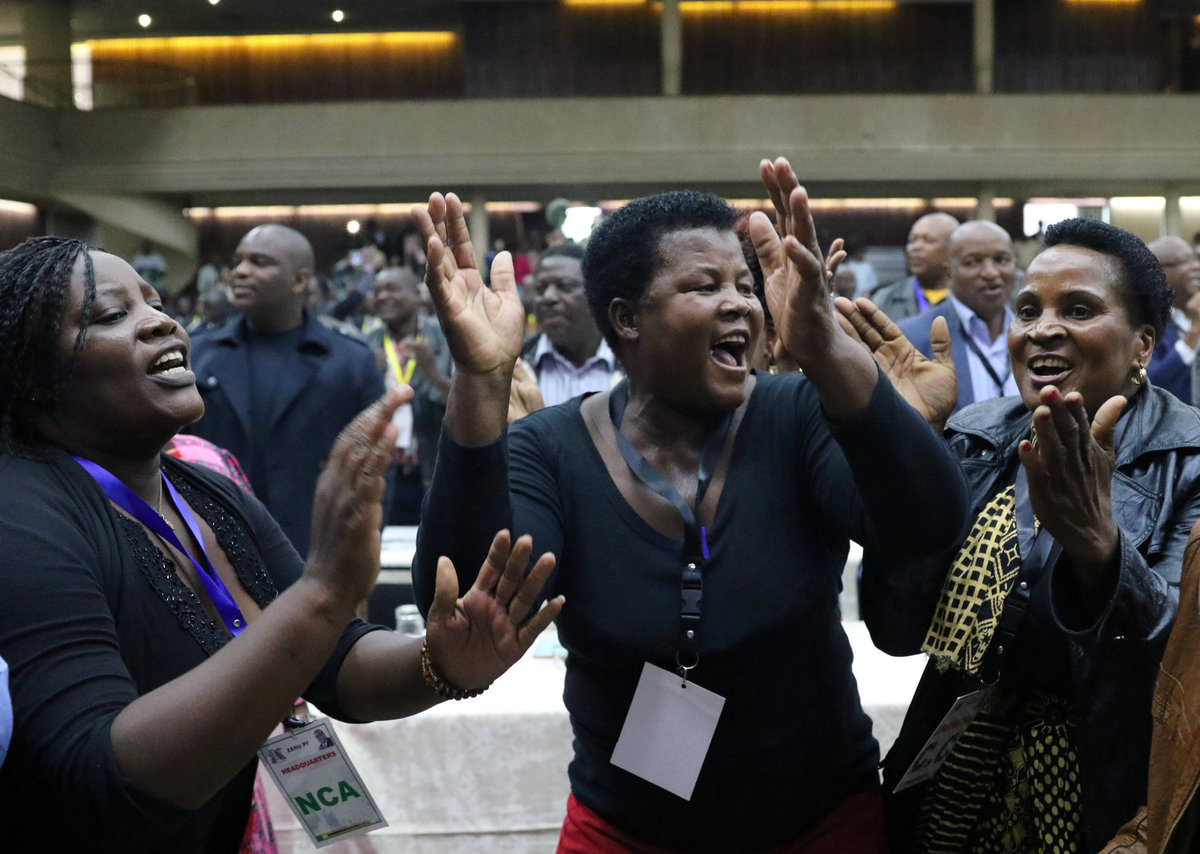
ZANU-PF's central committee had earlier named Emmerson Mnangagwa as its new leader. It was Mugabe's sacking of Mnangagwa as his vice-president - to pave the way for his wife Grace to succeed him - that triggered the army's intervention.
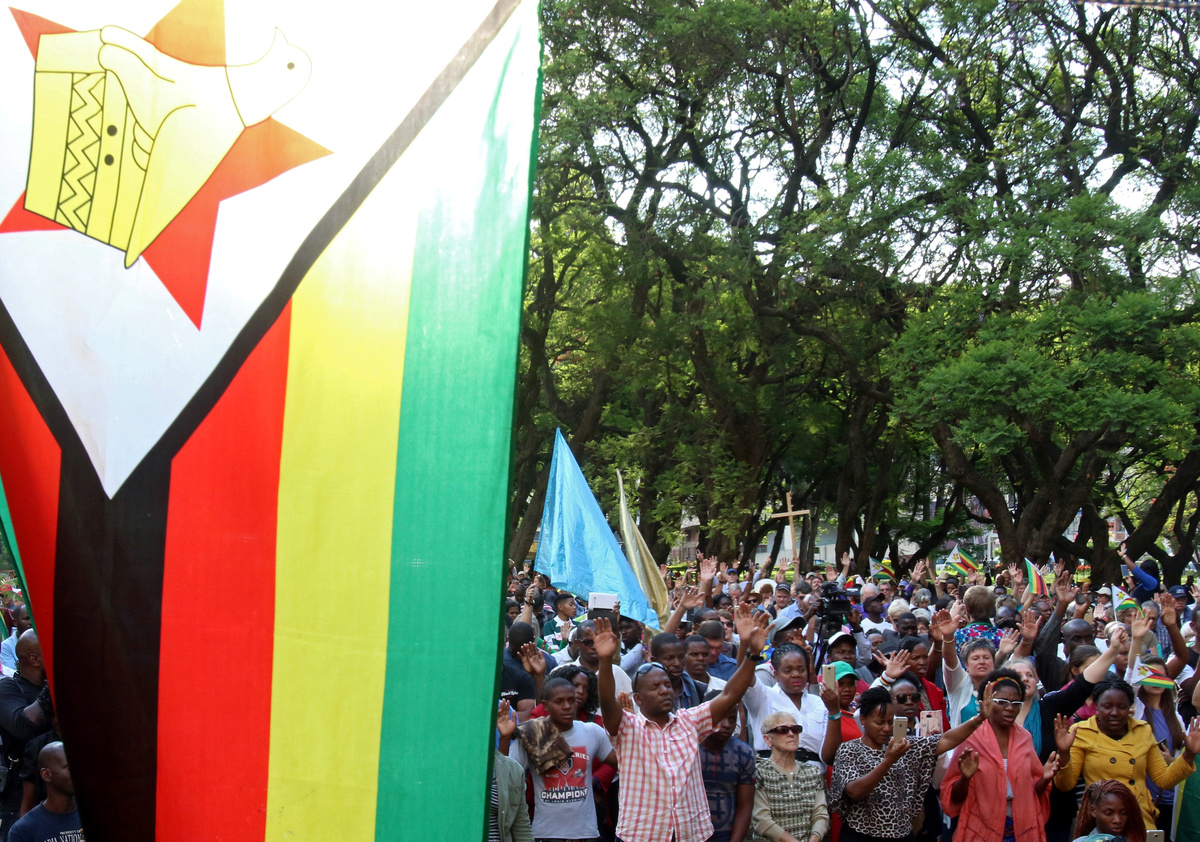
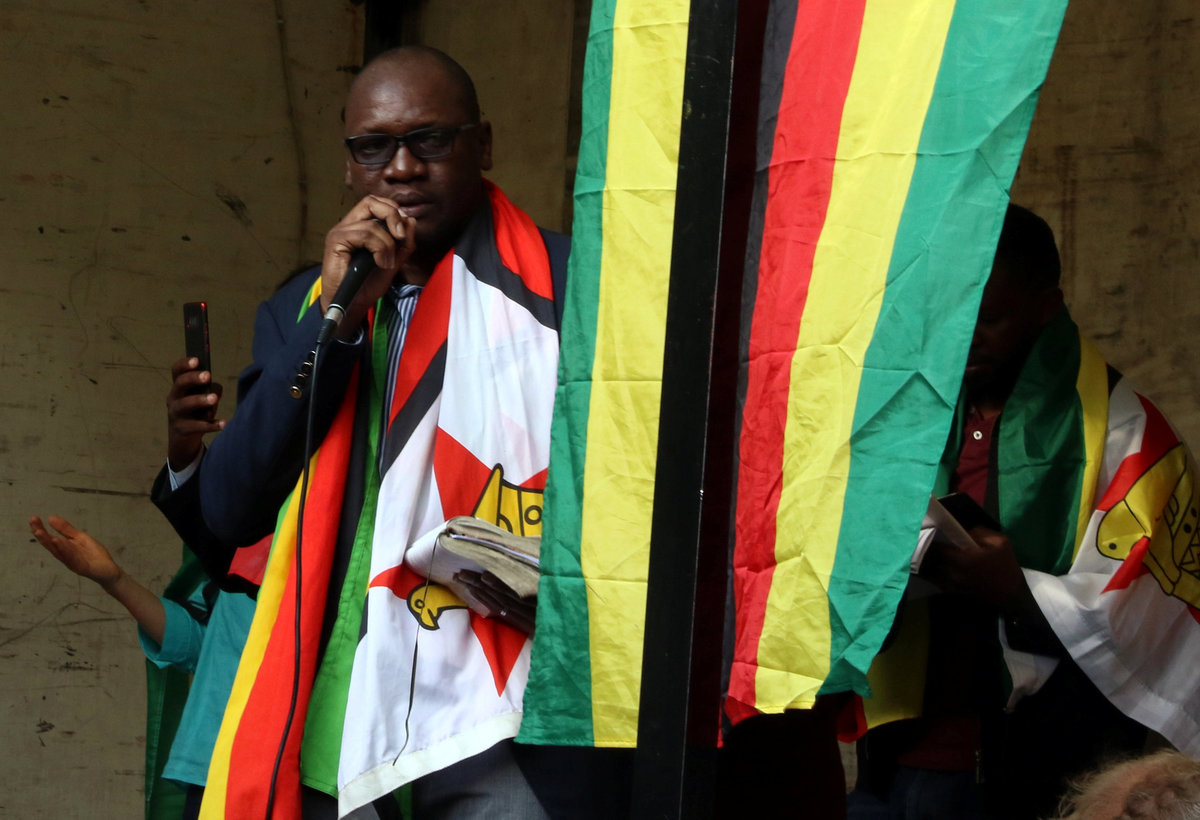
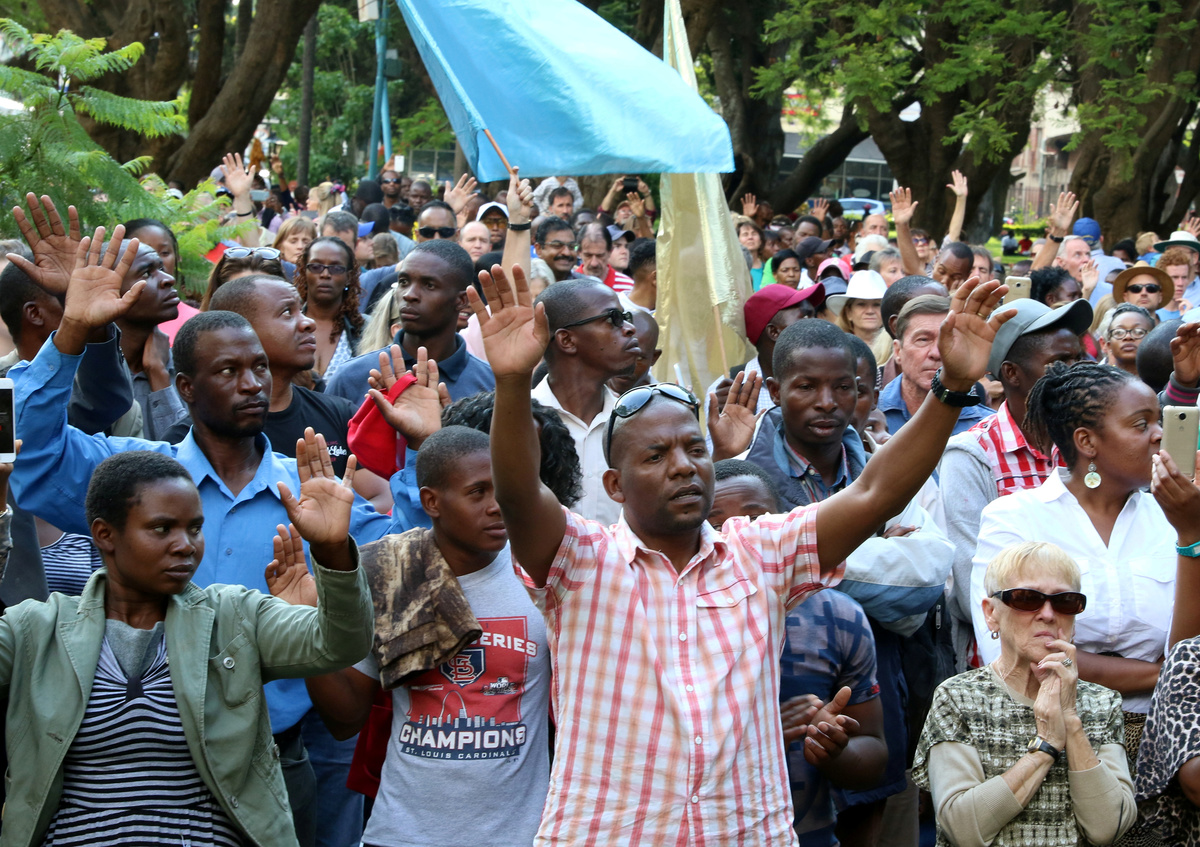
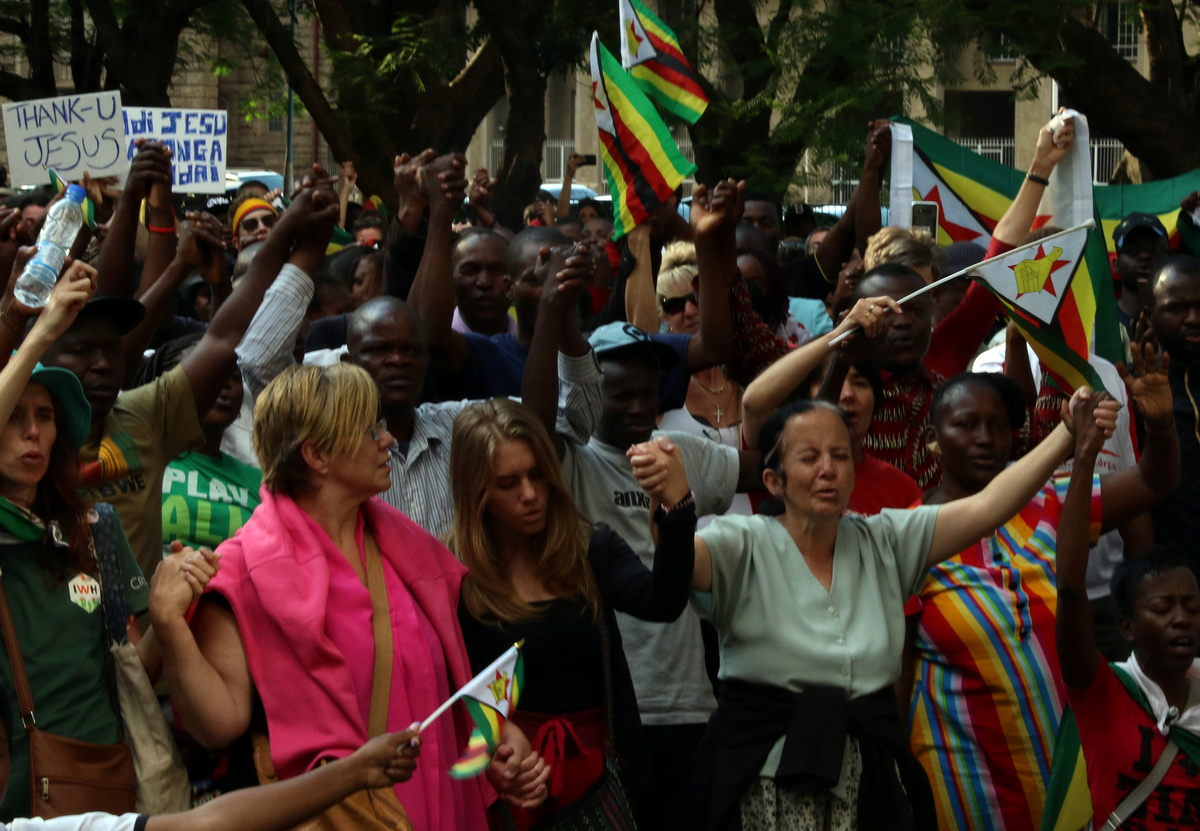
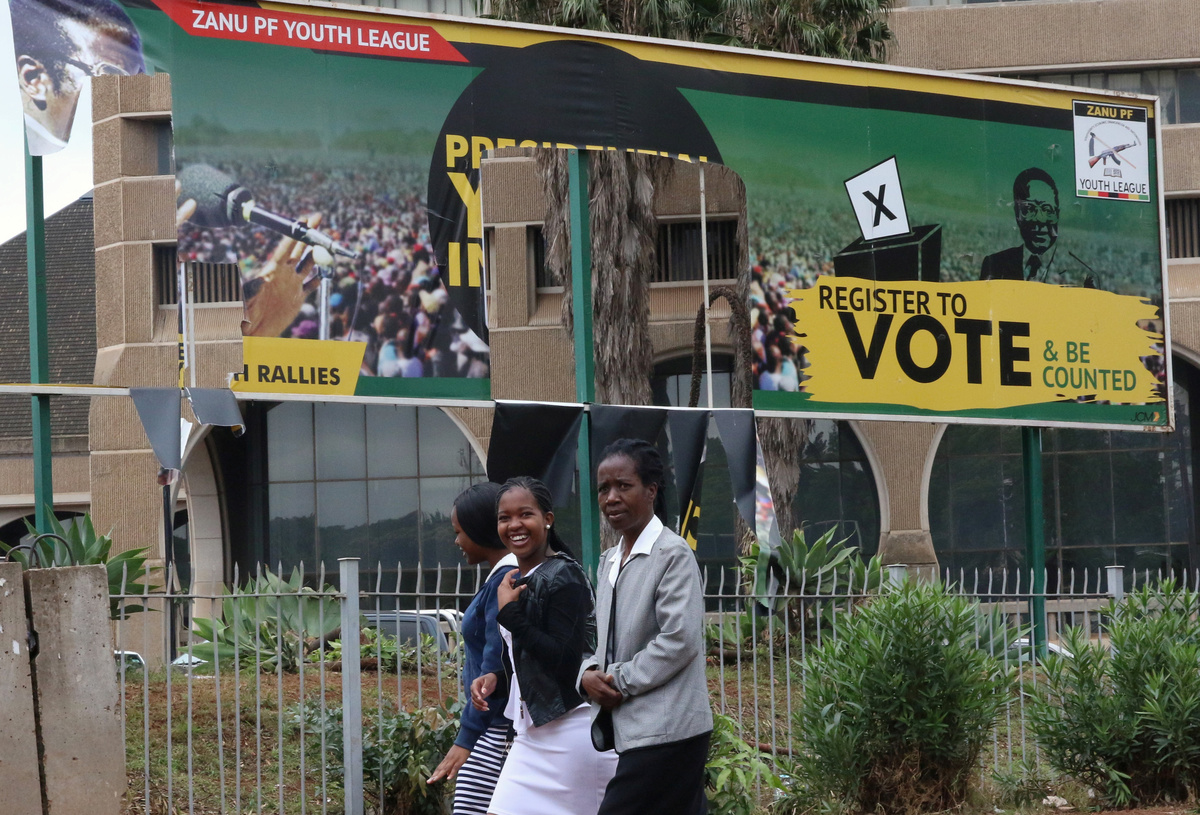
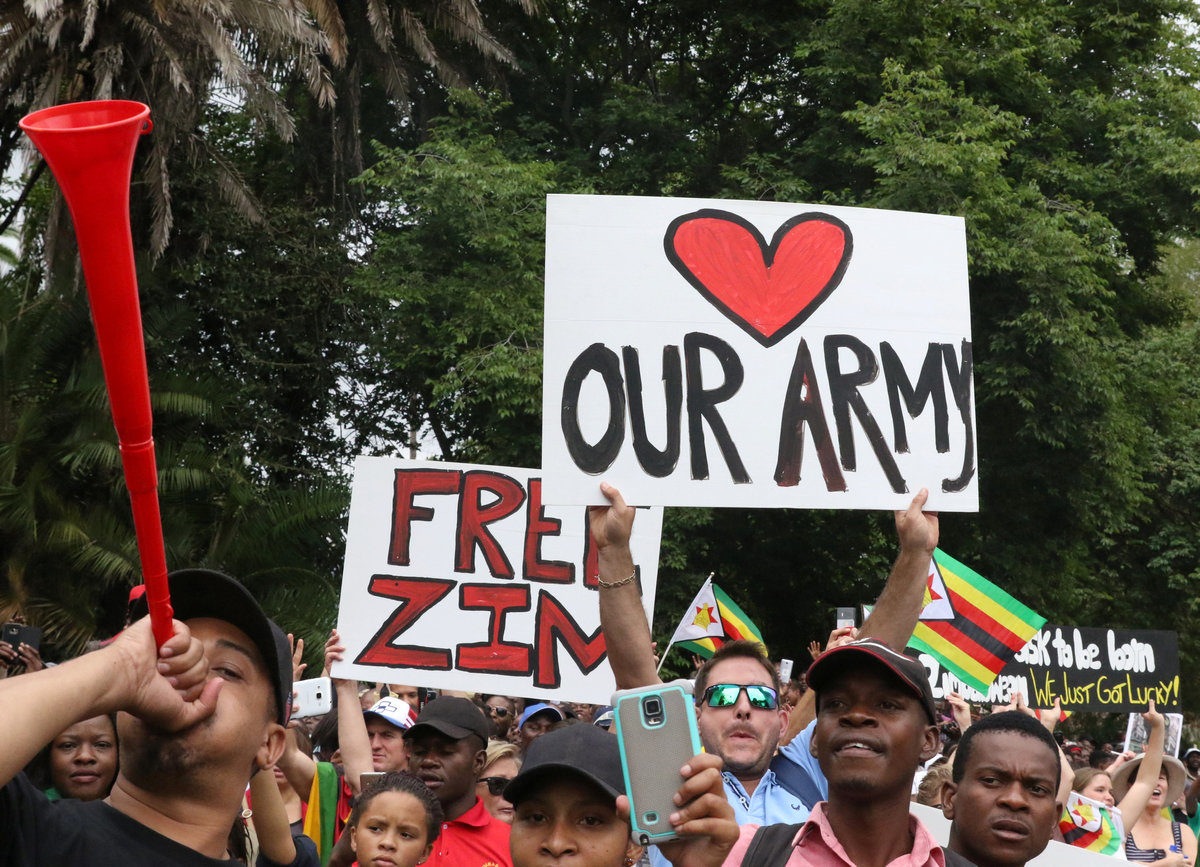
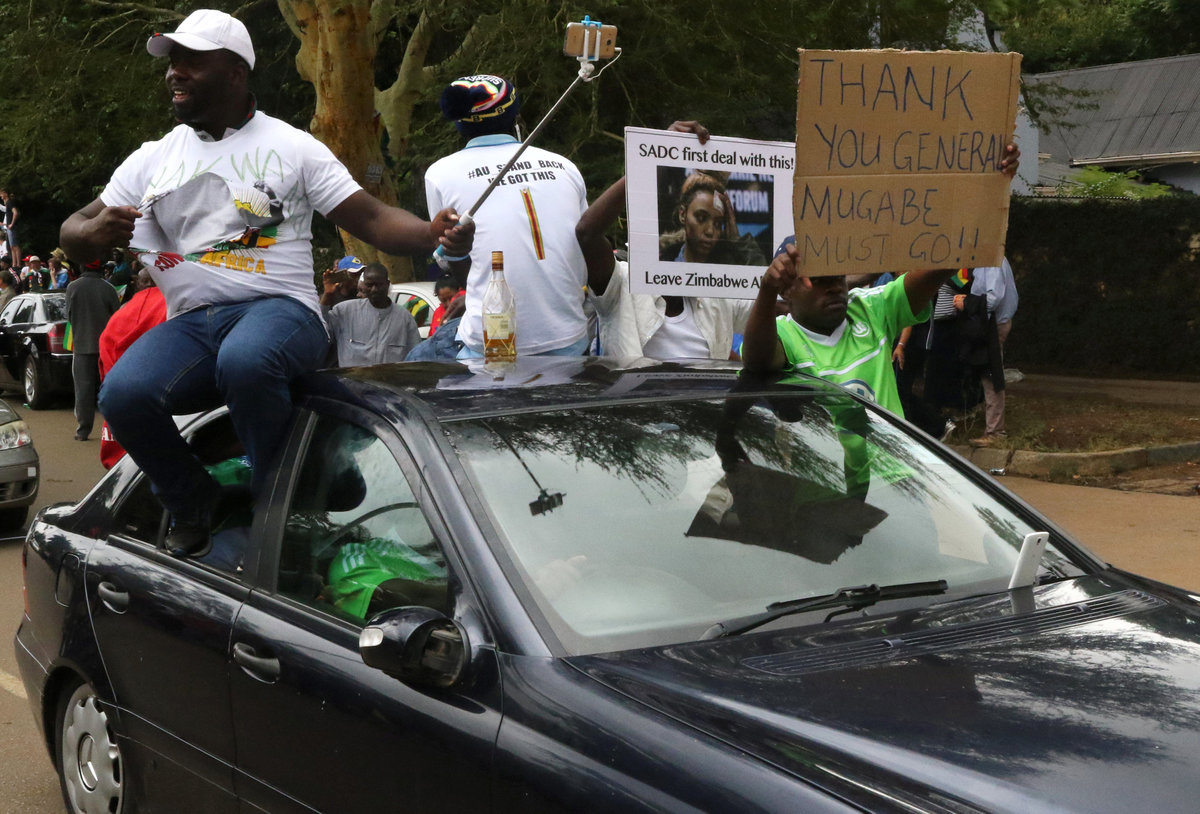
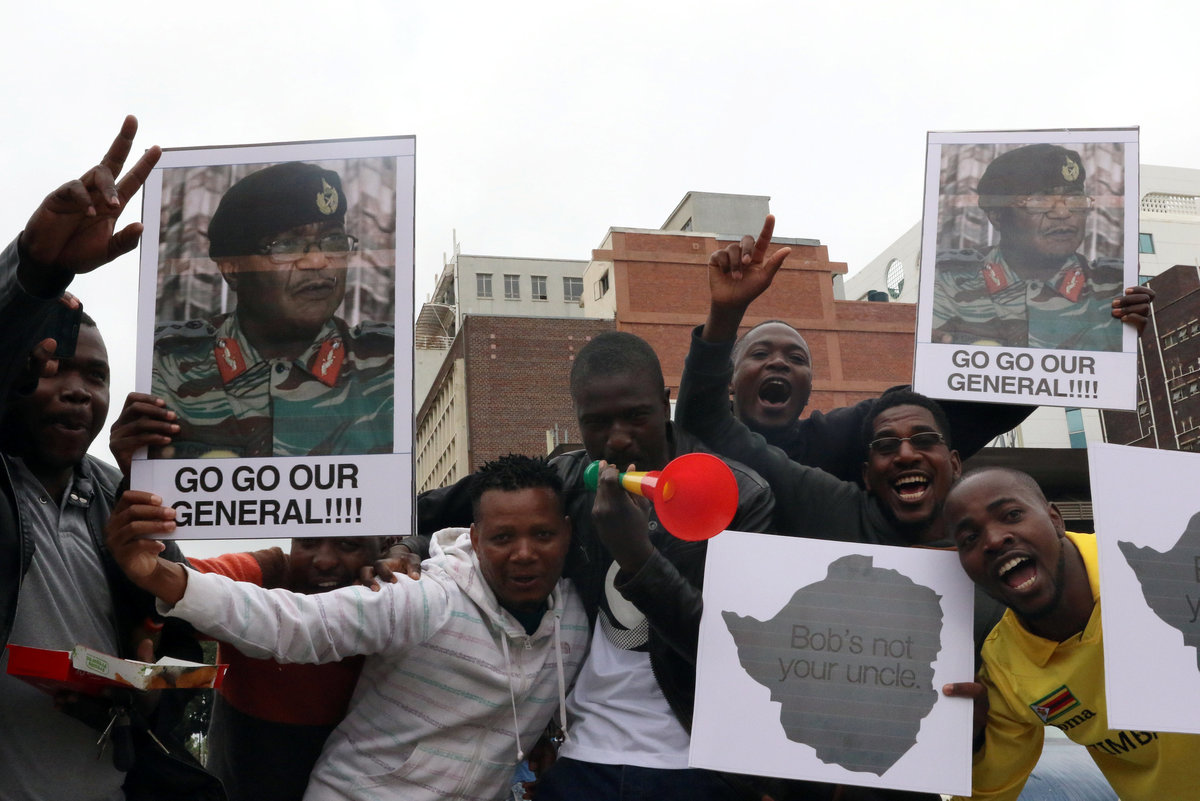
On Saturday, hundreds of thousands had taken to the streets of the capital Harare to celebrate Mugabe's expected downfall and hail a new era for their country.
In jubilant scenes, men, women and children ran alongside armoured cars and the troops who stepped in to target what the army called "criminals" in Mugabe's inner circle.
Many heralded a "second liberation" and spoke of their dreams for political and economic change after two decades of deepening repression and hardship.
They, like the more than 3 million Zimbabweans who have emigrated to neighbouring South Africa in search of a better life, are likely to be bitterly disappointed by Mugabe's defiance.
Speaking from a secret location in South Africa, his nephew, Patrick Zhuwao, had told Reuters that Mugabe and his wife were "ready to die for what is correct" rather than step down in order to legitimise what he described as a coup.
Zhuwao, who was also sanctioned by ZANU-PF, did not answer his phone on Sunday. However, Mugabe's son Chatunga railed against those who had pushed out his father.
"You can't fire a Revolutionary leader!" he wrote on this Facebook page. "ZANU-PF is nothing without President Mugabe."
DANGER AHEAD
The huge crowds in Harare have given a quasi-democratic veneer to the army's intervention, backing its assertion that it is merely effecting a constitutional transfer of power, rather than a plain coup, which would risk a diplomatic backlash.
But some of Mugabe's opponents are uneasy about the prominent role played by the military, and fear Zimbabwe might be swapping one army-backed autocrat for another, rather than allowing the people to choose their next leader.
"The real danger of the current situation is that, having got their new preferred candidate into State House, the military will want to keep him or her there, no matter what the electorate wills," former education minister David Coltart said.
The United States, a longtime Mugabe critic, said it was looking forward to a new era in Zimbabwe, while President Ian Khama of neighbouring Botswana said Mugabe had no diplomatic support in the region and should resign at once.
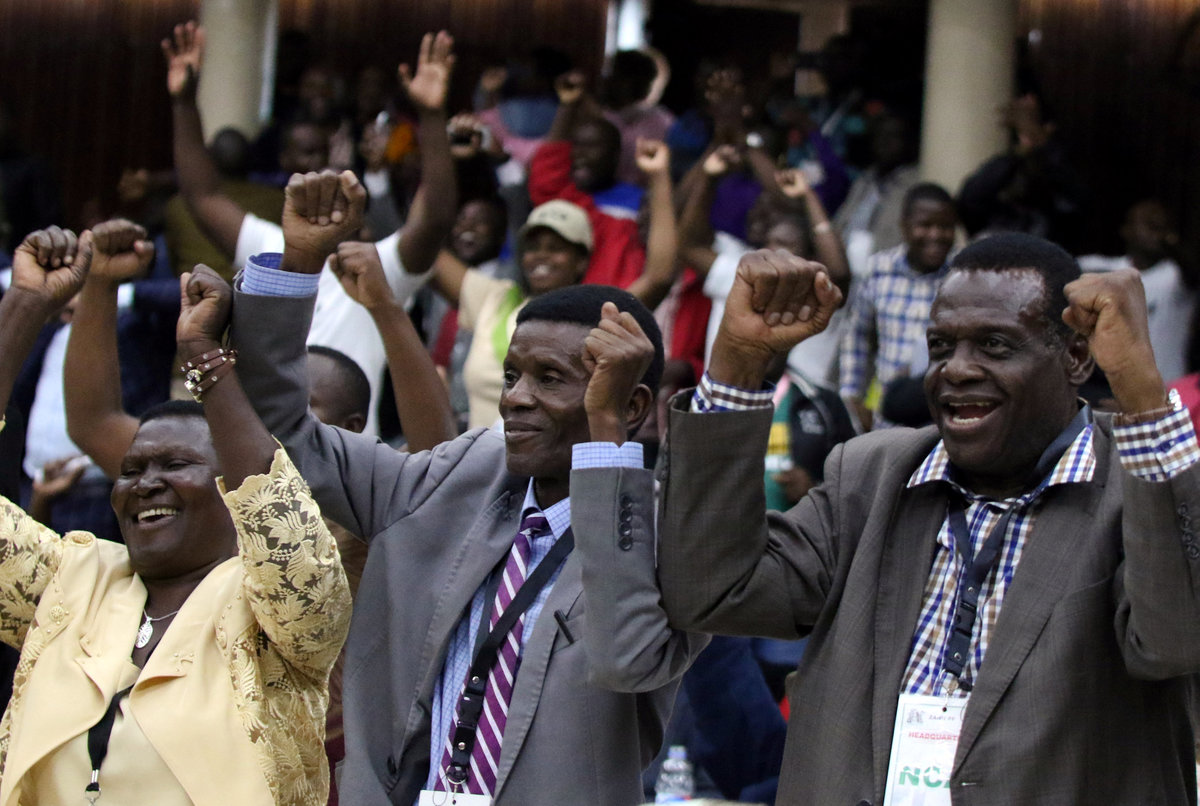
Besides changing its leadership, ZANU-PF said it wanted to change the constitution to reduce the power of the president, a possible sign of a desire to move towards a more pluralistic and inclusive political system.
However, Mnangagwa's history as state security chief during the so-called Gukurahundi crackdown, when an estimated 20,000 people were killed by the North Korean-trained Fifth Brigade in Matabeleland in the early 1980s, suggested that quick, sweeping change was unlikely.
"The deep state that engineered this change of leadership will remain, thwarting any real democratic reform," said Miles Tendi, a Zimbabwean academic at Oxford University.
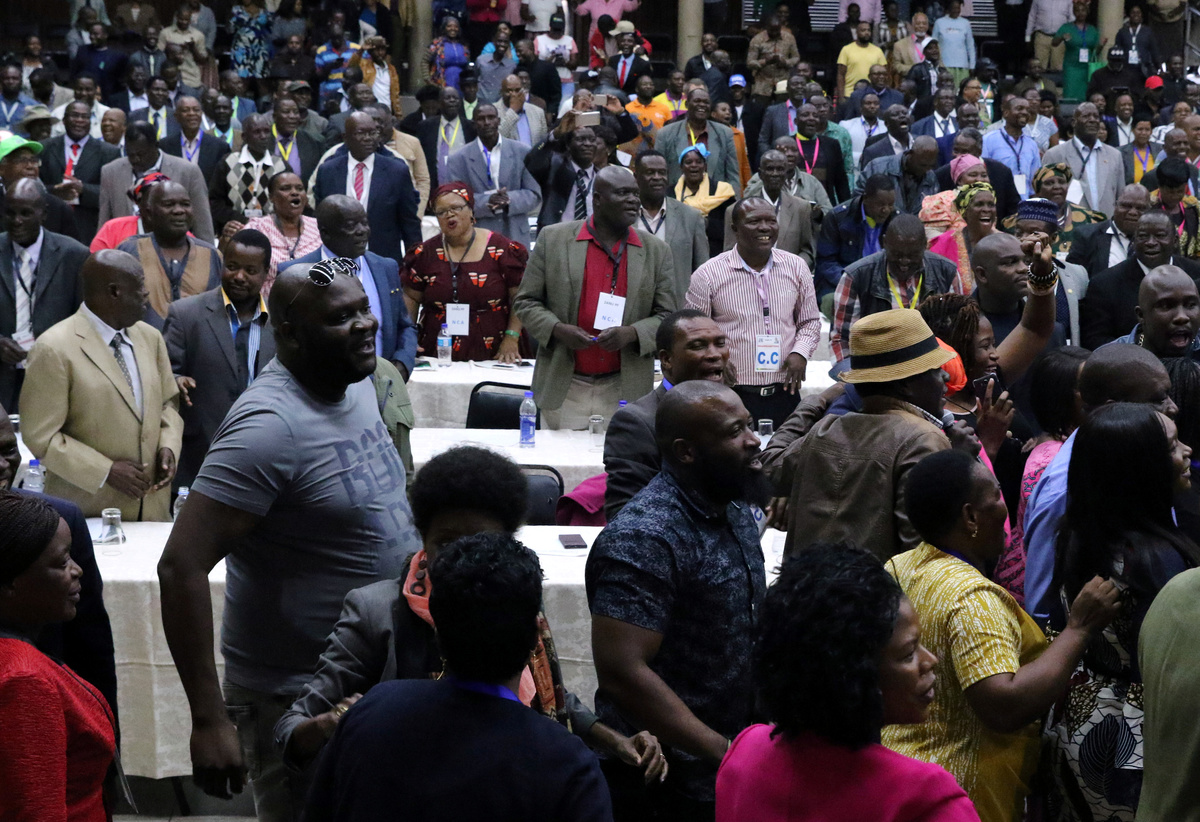
(For graphic on Zimbabwe's troubles, click http://reut.rs/2zMYyv3)
(Writing by Ed Cropley and Ed Stoddard; Editing by Kevin Liffey)