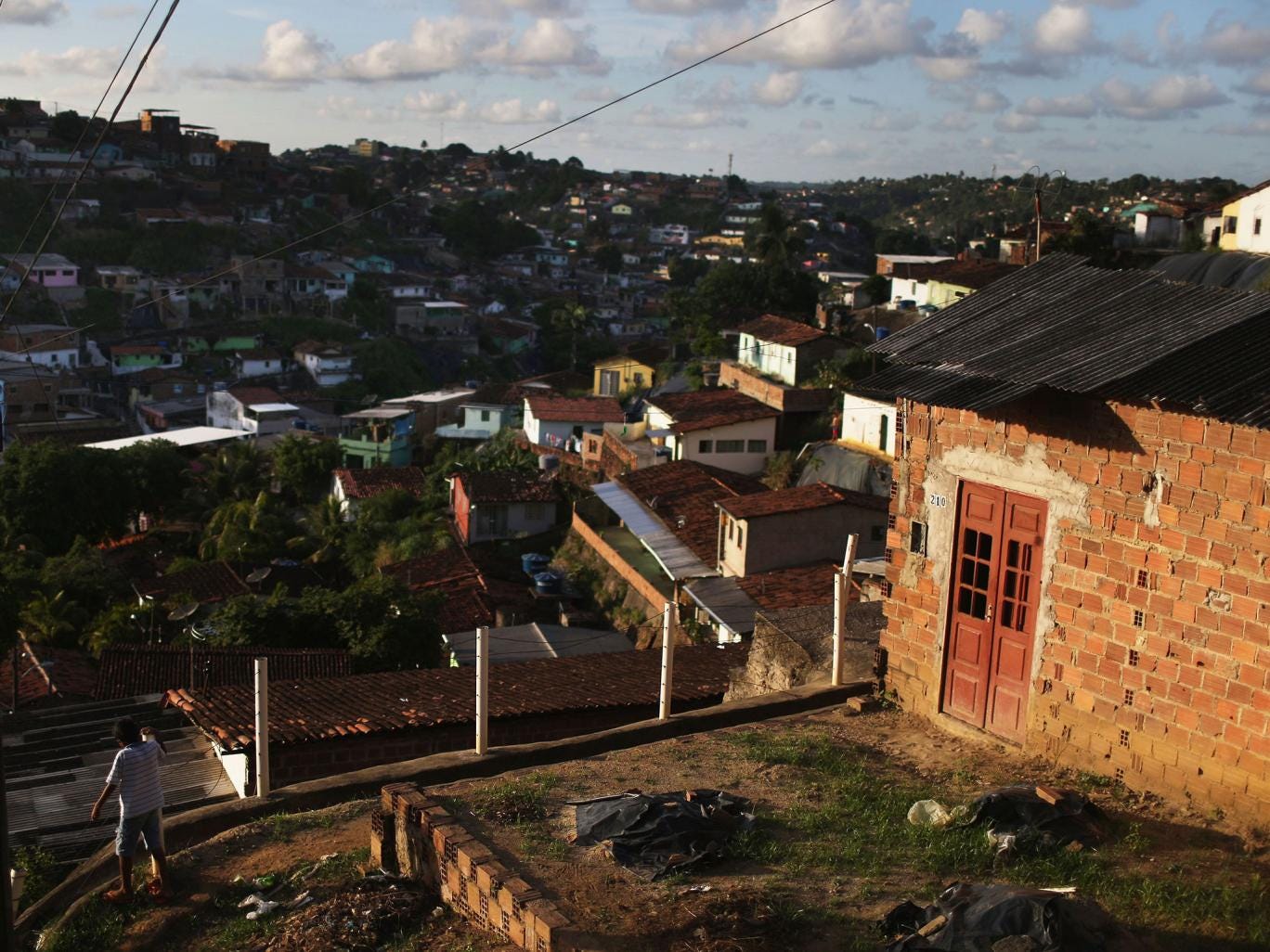
Health officials from Brazil to the Dominican Republic are seeking to control the outbreak of Zika virus – a mosquito-borne threat that is believed to cause birth defects if pregnant women contract the virus. So what precautions can you take, and what are the options for people with holidays booked to destinations afflicted with the disease, such as Barbados and Mexico? Simon Calder, travel correspondent, explains.
What is this virus - and how much of a threat is it?
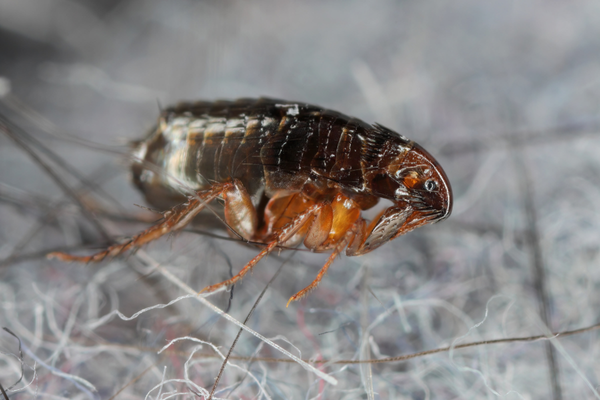
In common with many other diseases, Zika virus is spread by mosquitos that predominantly bite during the day, and indoors: the Aedes aegypti mosquito, which also carries dengue fever. Many of the symptoms are similar to dengue fever: up to a week of feeling awful, with fever, headaches and aching joints – like a very bad dose of flu, but very rarely life threatening.
The Pan American Health Organization (PAHO) says symptoms begin "2-7 days after the bite of an infected mosquito," which explains why some cases have been reported in the UK – people who have been bitten may travel to Britain without symptoms and then fall ill.
Only one in four infected people develops symptoms of the disease. Crucially, though, if pregnant women contract the virus, health officials believe it can in some cases be passed to the foetus and cause microcephaly - a baby born with an unusually small head, whose brain has not fully developed.
What precautions can travellers take?
There is no vaccination for Zika virus. The best protection is not to travel to areas where the Aedes aegypti mosquito is found. If you do go to a location where it has been reported, do everything you can to avoid be bitten by a mosquito – which is always a wise move anywhere in the Tropics, which extend from Havana to Rio. Wear long sleeves, long trousers tucked into socks, and DEET-based insect repellant on exposed skin. It might not be very attractive, but it is effective. At night, use insect screens and air conditioning if your room has them, and consider taking a mosquito net.
For travellers who no longer want to travel to the region, what are the options?
This is an unprecedented situation: a rapidly spreading disease that is inconvenient but not deadly the average holidaymaker, but which is extremely serious for pregnant women. Anyone who is definitely not pregnant can travel as normal – there is no reason, or option, to cancel.
For anyone who may be pregnant, the starting point is the Foreign Office advice – which says, for many of the afflicted countries: "Follow the advice of the National Travel Health Network and Centre". In turn that advice says: "Pregnant women are advised to reconsider travel to areas where Zika virus outbreaks are currently reported." Put those two warnings together and it is fair to conclude that the Government is advising against travel.
British Airways is allowing changes to Brazil and Mexico, saying: "If a pregnant customer is due to travel up to and including February 29, but they no longer wish to travel, they can change their booking free of charge and delay their journey or amend to an alternative destination. This applies to flights to Sao Paulo, Rio de Janeiro, Mexico City or Cancun, and we will continue to review the situation.”
Thomson says: "Customers due to travel with us to Mexico and Barbados who would like to amend to an alternative destination, and have a doctor’s note confirming their pregnancy, can do so without incurring an amendment fee."
Thomas Cook says: "All customers travelling to the affected areas up to and including 30 April have been contacted. We are offering amendments to alternative destinations for those who are, or may be pregnant."
Will it spread elsewhere?
Yes, according to PAHO: “"Since the Aedes mosquito is found throughout the Region (except in continental Chile and Canada), it is likely that outbreaks will occur in other countries that have not yet reported any cases.
"There are two factors for rapid transmission. Since this is a new virus to the Americas, the entire population is susceptible, lacking defences to Zika virus; and the Aedes mosquito is widespread in the Region, given the climatic conditions, temperature, and humidity in tropical countries."
Among popular holiday destinations, it is likely that other Caribbean islands will be affected - and, if PAHO is correct, hot and humid areas of the US including Florida.